Endometrial Receptivity in IVF: Why the Uterine Lining Matters

Endometrial receptivity describes whether the uterine lining is ready for embryo implantation. In IVF, timing matters because the endometrium is receptive only during a limited implantation window.
Key Takeaways
- Endometrial receptivity describes whether the uterine lining is ready for embryo implantation.
- In IVF, timing matters because the endometrium is receptive only during a limited implantation window.
- Lining thickness is one factor, but structure, hormone response, inflammation, and uterine health also matter.
- Doctors assess receptivity using ultrasound, hormone monitoring, and sometimes hysteroscopy or additional testing.
- Treatment depends on the cause and may include hormone support, treatment of uterine problems, or adjusting embryo transfer timing.
Endometrial receptivity in IVF refers to how prepared the uterine lining is to accept an embryo during the implantation window. A healthy, well-timed endometrium can be an important part of IVF planning alongside embryo quality and overall reproductive health.
Overview: What Endometrial Receptivity Means in IVF
Endometrial receptivity in IVF refers to the ability of the uterine lining, called the endometrium, to allow an embryo to attach and begin implantation. Even when a good-quality embryo is available, implantation can only occur if the lining is ready at the right time. For this reason, fertility specialists look not only at the embryo but also at the uterine environment before transfer.
The endometrium changes throughout the menstrual cycle under the influence of estrogen and progesterone. These hormones help the lining grow, develop a supportive structure, and enter a brief phase often called the “window of implantation.” During this period, the lining is most likely to receive an embryo. If this timing is off, implantation may be less likely even when other parts of treatment have gone well.
In IVF, doctors may monitor the lining during a natural, stimulated, or hormone-prepared cycle. The goal is to match embryo transfer to the point when the uterus is most receptive. This is one reason treatment plans are individualized in IVF treatment and may differ from one patient to another.
Why the Uterine Lining Matters for Implantation
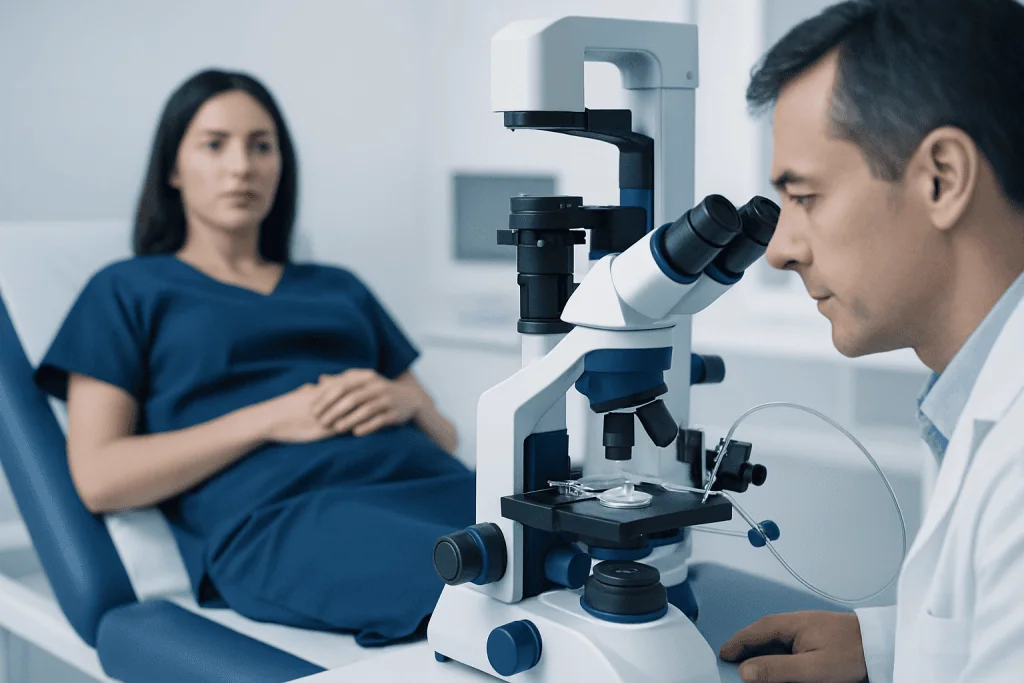
The uterine lining does more than provide physical space for an embryo. It is a biologically active tissue that communicates with the embryo through hormones, immune signals, growth factors, and blood supply. A receptive lining helps support the earliest steps of implantation, when the embryo attaches, invades the surface layer, and begins forming the placenta.
Doctors often describe a favorable lining in terms of thickness and appearance on ultrasound, but receptivity is more complex than a single measurement. The endometrium needs the right cellular changes, healthy blood flow, and an appropriately timed response to progesterone. A lining that looks adequate on ultrasound may still be less receptive in some cases, while a slightly thinner lining can sometimes still support pregnancy.
This is why IVF success depends on several interacting factors. Embryo quality, maternal age, uterine anatomy, and hormone balance all influence outcomes. Endometrial receptivity is one piece of that larger picture, especially for people with repeated failed transfers, menstrual irregularities, or known uterine conditions.
Symptoms and Signs of Reduced Endometrial Receptivity
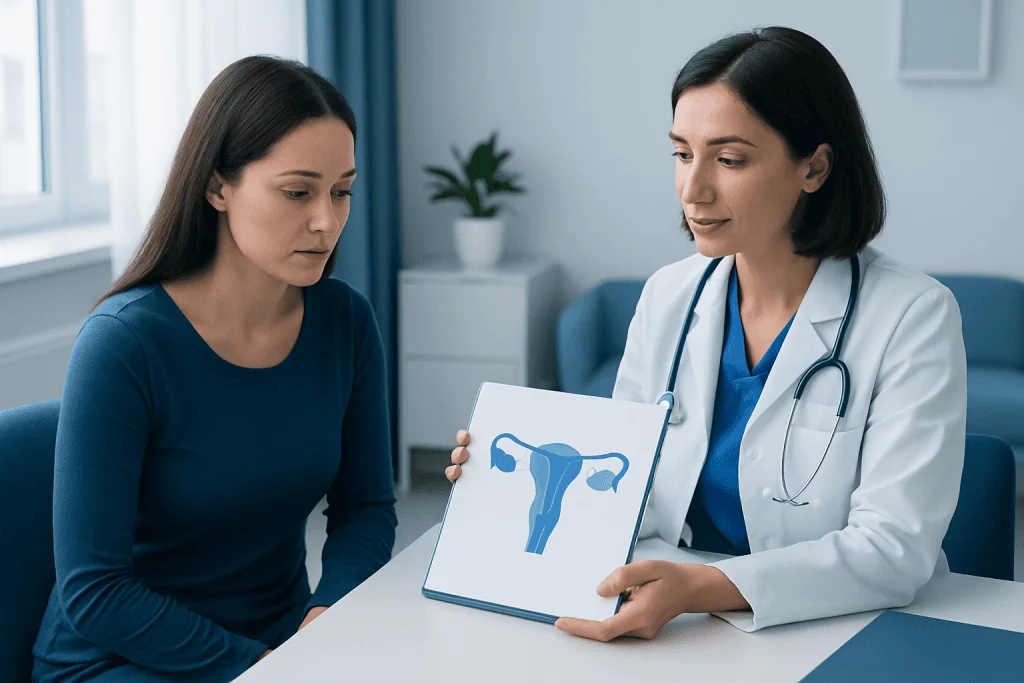
Reduced endometrial receptivity usually does not cause obvious symptoms on its own. Many patients feel completely well and only become aware of a possible issue during fertility evaluation or after unsuccessful embryo transfers. In this sense, it is often a clinical finding rather than a condition with a clear symptom pattern.
Still, some clues may point to a problem affecting the uterine lining. These can include very light or absent periods, irregular cycles, pelvic pain, a history of uterine surgery, or known conditions such as fibroids, polyps, or inflammation. Recurrent implantation failure or a history of recurrent pregnancy loss may also lead doctors to look more closely at the endometrium.
Possible signs that prompt evaluation may include:
- Repeated failed embryo transfers
- Thin endometrial lining on ultrasound
- Irregular bleeding or very scant menstrual flow
- Suspected uterine cavity abnormalities
- Past pelvic infection or uterine procedures
These findings do not automatically mean implantation cannot happen. They simply suggest that the uterine environment should be assessed carefully as part of a broader fertility workup.
Causes and Risk Factors
Many factors can affect endometrial receptivity. Hormonal imbalance is one of the most common. If estrogen does not adequately build the lining, or if progesterone exposure is mistimed, the endometrium may not reach the right stage for implantation. Ovulatory disorders, including those associated with polycystic ovary syndrome, can interfere with cycle regularity and hormone patterns.
Structural problems inside the uterus may also reduce receptivity. Examples include scar tissue, fibroids that distort the cavity, congenital abnormalities such as a uterine septum, and growths such as endometrial polyps. These issues can change the shape of the uterine cavity or interfere with local blood supply and implantation.
Inflammation and infection are additional concerns. Chronic endometritis, a persistent low-grade inflammation of the uterine lining, may affect implantation in some patients. A history of pelvic inflammatory disease, prior uterine procedures, or severe uterine infection can increase the likelihood of endometrial damage or scarring. Adenomyosis, endometriosis, smoking, and advancing reproductive age may also influence uterine conditions in ways that affect receptivity.
Sometimes no single cause is found. In these situations, doctors may review the entire treatment plan, including stimulation method, embryo stage, timing of progesterone exposure, and whether a fresh or frozen transfer may be more appropriate.
How Doctors Evaluate Endometrial Receptivity
Assessment usually begins with a detailed medical history and pelvic ultrasound. Ultrasound helps doctors measure endometrial thickness and assess its pattern, while also looking for fibroids, polyps, or signs of adenomyosis. Monitoring over time may be more informative than a single scan, especially in IVF cycles where hormone timing is carefully coordinated.
Blood tests may be used to evaluate hormone levels, depending on the individual case. In some patients, doctors assess ovulation, estrogen response, or progesterone exposure to confirm that the endometrium is developing as expected. If cavity abnormalities are suspected, saline infusion sonography or hysteroscopy may be recommended to directly examine the inside of the uterus.
For selected patients, especially those with repeated implantation failure, a fertility specialist may consider additional investigations. These can include endometrial biopsy, testing for chronic inflammation, or specialized assessments of implantation timing. Such tests are not necessary for everyone and are usually used thoughtfully rather than routinely.
A complete fertility evaluation often looks at more than the uterine lining alone. Specialists may also review embryo development, sperm factors, and broader causes of infertility or female infertility to decide which findings are most likely to matter in that specific case.
Treatment Options to Improve the Uterine Environment
Treatment depends on the underlying reason for reduced receptivity. If the lining is not developing well, doctors may adjust the hormone protocol, change the route or timing of estrogen and progesterone support, or modify the IVF cycle plan. In some cases, moving from a fresh transfer to a frozen embryo transfer allows more flexibility to prepare the endometrium under more controlled conditions.
If a structural uterine problem is found, treatment may involve hysteroscopic removal of polyps, treatment of scar tissue, or correction of certain cavity abnormalities. Managing underlying conditions such as thyroid disease, ovulatory dysfunction, or adenomyosis can also be part of the plan. When chronic endometritis is suspected or confirmed, treatment is directed by the physician based on the specific findings.
Doctors may also reconsider embryo transfer timing. The goal is to synchronize the embryo’s developmental stage with the endometrium’s implantation window. This timing can be especially important in hormone replacement cycles or after previous failed transfers. Not every patient needs advanced testing, but individualized planning can be helpful when standard approaches have not led to pregnancy.
Supportive care also matters. Patients are often advised to follow the medication schedule closely, attend monitoring visits, and discuss any bleeding, side effects, or cycle changes promptly. A careful, step-by-step review can help identify the most appropriate strategy for future transfers.
Prevention, Self-care, and Practical Steps During IVF
Not all causes of poor receptivity can be prevented, but some practical steps may support overall uterine health during fertility treatment. Attending regular appointments allows the team to monitor the lining and adjust medications when needed. Taking hormones exactly as prescribed is especially important, because even small timing differences can affect the implantation window.
General health measures can also help support reproductive care. These include not smoking, limiting alcohol if advised by the doctor, maintaining a balanced diet, sleeping adequately, and managing chronic medical conditions. Patients should also inform their specialist about any herbal products, supplements, or non-prescription medicines they are using, since some may interfere with treatment plans.
It can also be helpful to keep expectations realistic. A well-prepared lining improves conditions for implantation, but it does not guarantee pregnancy. IVF outcomes depend on multiple factors, including egg quality, sperm quality, embryo genetics, uterine anatomy, and maternal health. A clear discussion with the fertility team can help patients understand what can be optimized and what remains uncertain.
Near the end of the treatment pathway, some international patients seek care in centers with integrated fertility, imaging, and gynecology services. Acibadem International’s multidisciplinary specialists and JCI-accredited hospitals diagnose and treat fertility conditions for international patients when more detailed evaluation is needed.
When to See a Doctor
Anyone planning IVF should discuss uterine lining assessment with a qualified fertility specialist as part of routine treatment planning. Medical advice is especially important for people who have had repeated failed embryo transfers, recurrent early pregnancy losses, irregular cycles, very light periods, or known uterine conditions.
Prompt evaluation is also recommended after pelvic infection, uterine surgery, curettage, or symptoms such as abnormal bleeding and persistent pelvic pain. These issues do not always affect implantation, but they may warrant closer investigation before embryo transfer.
Patients should seek timely guidance rather than trying to interpret lining measurements alone. Endometrial thickness is only one part of receptivity, and treatment decisions are most useful when based on the complete clinical picture. A fertility specialist can explain whether further tests, treatment, or changes in transfer timing may be appropriate.
Frequently asked questions
What is endometrial receptivity in IVF?
Endometrial receptivity in IVF means the uterine lining is biologically prepared to accept an embryo. It depends on proper hormone exposure, timing, and the health of the uterine environment during the implantation window.
What lining thickness is considered good for embryo transfer?
There is no single thickness that guarantees success, and clinics may use slightly different thresholds. In general, doctors prefer to see a lining that has developed adequately and shows a favorable appearance on ultrasound, but thickness alone does not determine receptivity.
Can a thin uterine lining prevent pregnancy in IVF?
A thin lining can make implantation more difficult in some patients, especially if it reflects reduced endometrial development. However, pregnancy can still occur in selected cases, so doctors interpret this finding together with hormone levels, uterine anatomy, and embryo factors.
How do doctors test endometrial receptivity?
Doctors usually begin with ultrasound and review of the menstrual or IVF cycle. Depending on the case, they may also use hormone testing, saline sonography, hysteroscopy, endometrial biopsy, or additional testing when implantation has repeatedly failed.
Can endometrial receptivity be improved?
In many cases, yes. Improvement may involve adjusting estrogen or progesterone support, treating polyps or scar tissue, addressing inflammation, or changing the timing of embryo transfer to better match the implantation window.
Does a good embryo guarantee implantation if the lining looks normal?
No. Implantation depends on both embryo quality and the uterine environment, and even favorable findings cannot guarantee pregnancy. IVF outcomes are influenced by several factors, including age, genetics, hormone balance, and overall reproductive health.
References
- American Society for Reproductive Medicine
- European Society of Human Reproduction and Embryology
- American College of Obstetricians and Gynecologists
- National Institute for Health and Care Excellence
- World Health Organization
This article is for general information only and is not a substitute for professional medical advice. Please consult a qualified doctor about your individual situation.
IVF & fertility treatment in Turkey — success rates and costs
JCI-accredited · board-certified surgeons · reply within 24h
Add us as a Preferred Source to see more of our trusted health content across Google Search, AI Overviews and Discover.

Related Treatments
Related Conditions
More from the Health Library



Related Specialists

Prof. Dr. Bülent Tıraş
Gynecology & Obstetrics
Prof. Dr. Mete Güngör
Gynecology & Obstetrics
Prof. Dr. Faruk Suat Dede
Gynecology & Obstetrics
Prof. Dr. Tansu Küçük
Gynecology & Obstetrics