Ablation for Heart Rhythm Disorders: Who Is a Candidate?

Cardiac ablation is commonly used to treat selected heart rhythm disorders by interrupting abnormal electrical pathways. Good candidates often have recurrent arrhythmias, symptoms that affect daily life, or side effects or limited benefit from medication.
Key Takeaways
- Cardiac ablation is commonly used to treat selected heart rhythm disorders by interrupting abnormal electrical pathways.
- Good candidates often have recurrent arrhythmias, symptoms that affect daily life, or side effects or limited benefit from medication.
- Tests such as ECG, Holter monitoring, echocardiography, and sometimes an electrophysiology study help determine candidacy.
- Ablation can improve symptoms and reduce arrhythmia episodes, but suitability depends on the rhythm type, heart structure, and overall health.
- Recovery is usually relatively quick, though follow-up is important because some people need repeat treatment or ongoing medication.
Ablation for heart rhythm disorders is a treatment that targets small areas of heart tissue causing abnormal electrical signals. It may be recommended for certain people with recurring arrhythmias, troublesome symptoms, or limited response to medicines after a careful heart evaluation.
Overview: What ablation is and why it is used
Ablation for heart rhythm disorders, also called cardiac ablation, is a procedure used to treat arrhythmias. Arrhythmias happen when the heart’s electrical system sends signals in an uncoordinated way, causing the heart to beat too fast, too slowly, or irregularly. During ablation, a heart rhythm specialist identifies the source of the abnormal signals and uses energy to create tiny scars or controlled changes in tissue so the electrical problem can no longer continue.
Most ablations are performed with thin tubes called catheters that are guided through blood vessels to the heart. This approach is known as catheter ablation. In some situations, other techniques may be used depending on the type of arrhythmia and a person’s heart condition. Many patients consider ablation procedures when symptoms persist despite medicine or when a doctor believes the rhythm problem has a clearly treatable source.
Ablation does not treat every irregular heartbeat, and it is not the right choice for everyone. The decision depends on the exact rhythm disorder, symptom burden, the likelihood of success, possible risks, and the person’s preferences. A careful discussion with a cardiologist or electrophysiologist helps clarify whether this treatment is likely to provide meaningful benefit.
Which heart rhythm disorders may be treated with ablation
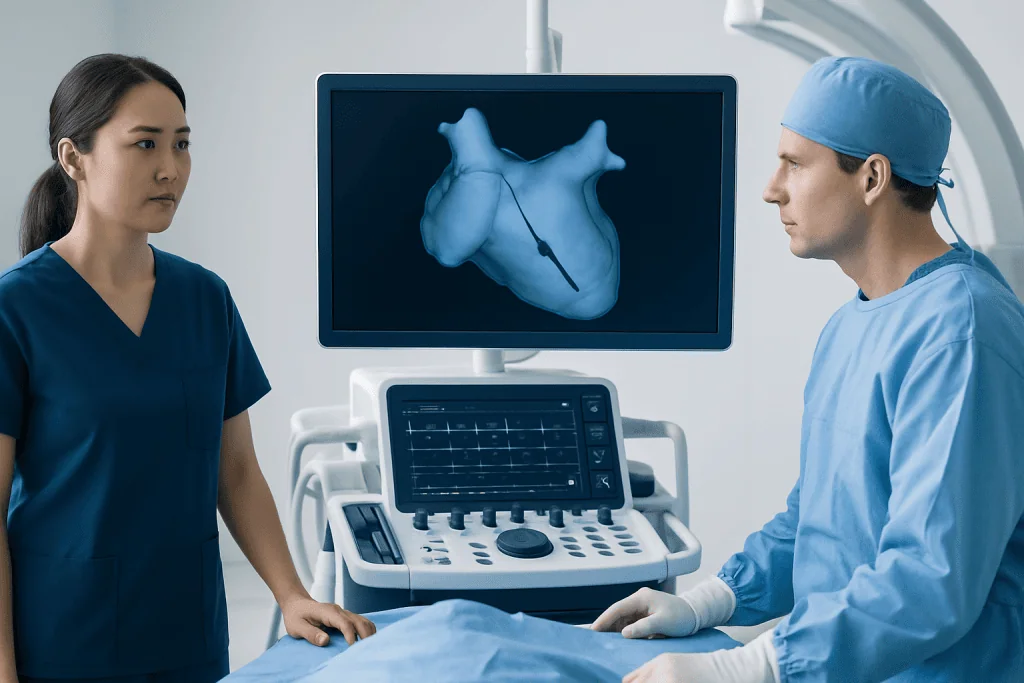
Ablation is often considered for arrhythmias that start in a specific pathway or focus inside the heart. These include many forms of supraventricular tachycardia, certain cases of atrial fibrillation, atrial tachycardia, and atrial flutter. It may also be used for some ventricular arrhythmias, especially when they are causing symptoms, repeated episodes, or concern for heart function.
For people with supraventricular tachycardia, ablation can be especially effective because the abnormal electrical circuit is often clearly defined. It may also be recommended in people with Wolff-Parkinson-White syndrome, where an extra electrical pathway can trigger rapid heart rhythms.
Some patients with atrial fibrillation may be candidates as well, particularly if episodes are recurrent and symptoms continue despite medication. In selected cases, ablation may also help control certain forms of ventricular tachycardia, especially when related to scar tissue or other structural heart disease. However, the choice becomes more complex when arrhythmias coexist with problems such as valve disease, heart failure, or coronary disease.
Because rhythm disorders vary widely, the same symptom may have very different causes. Palpitations alone do not automatically mean ablation is needed. A specialist first confirms the diagnosis and identifies whether the rhythm pattern is one that is likely to respond well to this treatment.
Who is a candidate for ablation?

A good candidate for ablation is usually someone with a documented arrhythmia that is causing clear problems or carries meaningful risk. Symptoms may include palpitations, shortness of breath, dizziness, reduced exercise tolerance, chest discomfort, or fainting. Some people seek treatment because episodes are frequent, unpredictable, or disruptive to work, sleep, or daily activities.
Ablation may be advised when medicines do not control the rhythm well enough, cause side effects, or are not preferred for long-term use. In some rhythm disorders, especially certain supraventricular tachycardias, ablation can be considered early because it may offer a more definitive solution than medication alone. In others, such as atrial fibrillation, candidacy depends on factors like episode pattern, left atrial size, other heart disease, and previous treatment attempts.
Doctors also look at the person as a whole. Age alone does not determine candidacy. Overall health, kidney function, lung health, frailty, bleeding risk, previous heart procedures, and the presence of implanted devices can all influence the decision. Structural conditions such as heart failure or cardiomyopathy may make ablation more important in some cases, but they can also affect planning and expected outcomes.
In general, the best candidates are those in whom the arrhythmia has been clearly identified, the source can likely be targeted, expected symptom relief is meaningful, and the potential benefits outweigh the procedural risks. Shared decision-making is an important part of choosing this treatment.
Tests used to decide if ablation is appropriate
Before recommending ablation, doctors aim to document the exact rhythm disturbance. A standard electrocardiogram may capture the problem if it happens during the test. If episodes come and go, a Holter monitor, event recorder, or wearable heart monitor may be used over days or weeks to identify the abnormal rhythm and relate it to symptoms.
Imaging and blood tests also help guide decisions. An echocardiogram can show how well the heart pumps and whether there are valve problems, chamber enlargement, or structural abnormalities. Blood tests may check thyroid function, electrolytes, kidney function, and other factors that can affect rhythm stability. In some patients, stress testing or advanced imaging is needed to look for coronary disease or other conditions contributing to arrhythmia.
An electrophysiology study may be performed when more detailed mapping is needed. In this test, catheters placed inside the heart record electrical signals and may trigger the arrhythmia in a controlled setting so its pathway can be mapped. Sometimes diagnosis and treatment happen during the same procedure, allowing the specialist to move directly to catheter ablation if the findings support it.
The evaluation also includes a discussion of expectations. Doctors review the likely success rate for that specific rhythm disorder, whether more than one procedure may be needed, and whether medications such as blood thinners or antiarrhythmic drugs may still be required afterward.
How the procedure is performed and what recovery is like
Most ablations are performed in a specialized electrophysiology laboratory. Catheters are usually inserted through a vein in the groin and guided to the heart using imaging and electrical mapping. Depending on the arrhythmia, the doctor applies heat energy or cold energy to the targeted tissue. The goal is to block or isolate the abnormal pathway while preserving normal conduction as much as possible.
Patients may receive sedation or anesthesia depending on the type of procedure and the center’s practice. The length of the procedure varies. More straightforward arrhythmias may be treated relatively quickly, while complex ablations, such as some atrial fibrillation or ventricular tachycardia procedures, can take longer and require more detailed mapping.
After the procedure, the patient is monitored while the catheter insertion site begins to heal. Many people go home the same day or after a short hospital stay, though this depends on the type of ablation and individual health needs. Mild soreness, fatigue, or temporary palpitations can occur during recovery.
Follow-up is important because the heart may need time to settle after treatment. Some arrhythmias improve gradually rather than immediately. Doctors may recommend temporary medication, heart rhythm monitoring, or participation in cardiac rehabilitation when appropriate, especially if there are broader heart health concerns.
Benefits, limitations, and possible risks
The main benefit of ablation is better rhythm control. For many people, this means fewer episodes, less need for medication, and improvement in symptoms such as racing heartbeat, fatigue, or shortness of breath. In some rhythm disorders, ablation can be highly effective and may offer long-term relief.
Still, ablation is not a guaranteed cure. Success varies depending on the arrhythmia type, how long it has been present, whether there is scar tissue or enlarged heart chambers, and whether other heart disease exists. Some patients need repeat ablation, and some continue to need medication even after a successful procedure.
As with any invasive procedure, there are risks. These can include bleeding, bruising, blood vessel injury, infection, heart perforation, blood clots, stroke, or damage to the normal electrical system that may require a pacemaker. In complex arrhythmias, risk assessment is especially important. Doctors work to reduce these risks through imaging, mapping technology, blood thinner management, and careful monitoring.
People who also have coronary disease or structural heart conditions may need broader heart care in addition to rhythm treatment. For example, evaluation for structural heart care or treatment of coronary artery disease may be part of the overall plan when arrhythmia is linked to other cardiac problems.
Preparing for ablation and supporting heart health afterward
Preparation begins with understanding the treatment plan. The care team may give instructions about eating and drinking before the procedure and whether certain medicines should be continued, adjusted, or paused. Because antiarrhythmic drugs and blood thinners can affect both the procedure and recovery, medication guidance should always come directly from the treating doctor.
It also helps to review all medical conditions, allergies, and prior procedures in advance. Patients should mention any history of kidney disease, sleep apnea, bleeding problems, implanted devices, or contrast dye reactions. Arranging transportation and a brief recovery period at home can make the first day after treatment more comfortable.
After ablation, long-term self-care still matters. Helpful steps may include limiting excess alcohol, reducing stimulant triggers if advised, managing stress, staying physically active within medical guidance, and treating related conditions such as sleep apnea, diabetes, or high blood pressure. Good control of high blood pressure and cholesterol can support overall heart health even when the main issue is electrical rather than circulatory.
Near the end of care planning, some patients may seek treatment in experienced international centers. Acibadem International’s multidisciplinary specialists and JCI-accredited hospitals diagnose and treat heart rhythm disorders for international patients, with treatment plans guided by the individual arrhythmia and overall heart condition.
When to see a doctor
A person should speak with a doctor if episodes of rapid, fluttering, pounding, or irregular heartbeat are recurring or becoming more bothersome. Medical review is also important when symptoms come with dizziness, fainting, chest discomfort, shortness of breath, or reduced ability to exercise. These symptoms do not always mean a dangerous arrhythmia is present, but they deserve proper evaluation.
Anyone already diagnosed with an arrhythmia should ask about ablation if medicines are not working well, side effects are difficult to tolerate, or the rhythm problem keeps returning. It is reasonable to request referral to a cardiac electrophysiologist for a more detailed discussion of treatment options.
Urgent medical attention is needed if an irregular heartbeat occurs with severe chest pain, collapse, marked breathlessness, or signs of stroke such as facial drooping, weakness, or trouble speaking. Prompt assessment helps doctors identify the cause and choose the safest next step.
Frequently asked questions
Is ablation considered major heart surgery?
Usually no. Most heart rhythm ablations are minimally invasive catheter procedures rather than open-heart surgery. Thin catheters are guided through blood vessels to the heart, which typically allows a shorter recovery than surgical approaches.
Can ablation cure an arrhythmia permanently?
It can provide long-term control and, in some rhythm disorders, may effectively eliminate the problem. However, results depend on the specific arrhythmia and the person’s heart health. Some people need repeat treatment or continued medication.
Who is most likely to benefit from cardiac ablation?
People with a clearly documented arrhythmia, troublesome symptoms, or limited response to medication often benefit most. The best candidates are those whose rhythm problem can be accurately mapped and safely targeted. A heart rhythm specialist determines this after testing.
Is ablation only used after medications fail?
Not always. For some arrhythmias, especially certain supraventricular tachycardias, ablation may be offered early because it can be highly effective. In other conditions, doctors may first try medication before recommending a procedure.
How long does recovery take after catheter ablation?
Many people return to light daily activities within a few days, although recovery varies by procedure type and overall health. The insertion site may be sore briefly, and temporary fatigue is common. The care team gives personalized guidance about exercise, driving, and work.
Will someone still need heart medication after ablation?
Possibly. Some patients can reduce or stop certain medicines, while others need to continue them for a time or long term. This depends on the arrhythmia treated, the procedure result, and other conditions such as atrial fibrillation or heart failure.
References
- American Heart Association
- European Society of Cardiology
- Heart Rhythm Society
- National Heart, Lung, and Blood Institute
- Mayo Clinic
This article is for general information only and is not a substitute for professional medical advice. Please consult a qualified doctor about your individual situation.
Heart Rhythm Disorders in Turkey — costs, top hospitals & a free quote
JCI-accredited · board-certified surgeons · reply within 24h
Add us as a Preferred Source to see more of our trusted health content across Google Search, AI Overviews and Discover.

Cardiology Department
Diagnosis and treatment of heart and vascular conditions, from prevention to advanced interventional procedures.
91 specialists in this unit