

Aesthetic Neck Contouring: How It Smooths the Jawline and Neck

Aesthetic neck contouring aims to improve the shape of the jawline and neck, not to change identity or erase natural features. The best approach depends on the cause of fullness or laxity, such as fat, loose skin, muscle banding, or chin balance.
Key Takeaways
- Aesthetic neck contouring aims to improve the shape of the jawline and neck, not to change identity or erase natural features.
- The best approach depends on the cause of fullness or laxity, such as fat, loose skin, muscle banding, or chin balance.
- Options may include non-surgical treatments, liposuction, neck lift techniques, or combination procedures.
- A careful consultation helps match the procedure to skin quality, facial proportions, and recovery preferences.
- Results are usually best when expectations are realistic and aftercare is followed consistently.
Aesthetic neck contouring refers to procedures that refine the transition between the face, jawline, and neck. It may help reduce fullness, tighten lax skin, and create a more defined profile, depending on each person's anatomy and goals.
Overview
Aesthetic neck contouring is a set of cosmetic procedures designed to create a smoother transition from the lower face to the neck. The goal is often to improve definition along the jawline, reduce under-chin fullness, and soften the appearance of loose or crepey skin.
People seek treatment for many reasons. Some notice a fuller area under the chin even when their weight is stable. Others are bothered by skin laxity, neck bands, or a jawline that appears less distinct with age. Because the neck is shaped by skin, fat, muscle, and bone structure, treatment is usually individualized rather than one-size-fits-all.
In many cases, a surgeon may recommend a combination approach. For example, neck definition can improve when excess fat is treated together with skin tightening or chin enhancement. Acibadem International’s multidisciplinary specialists and JCI-accredited hospitals can diagnose and treat this condition for international patients as part of broader aesthetic planning.
Symptoms and Common Concerns
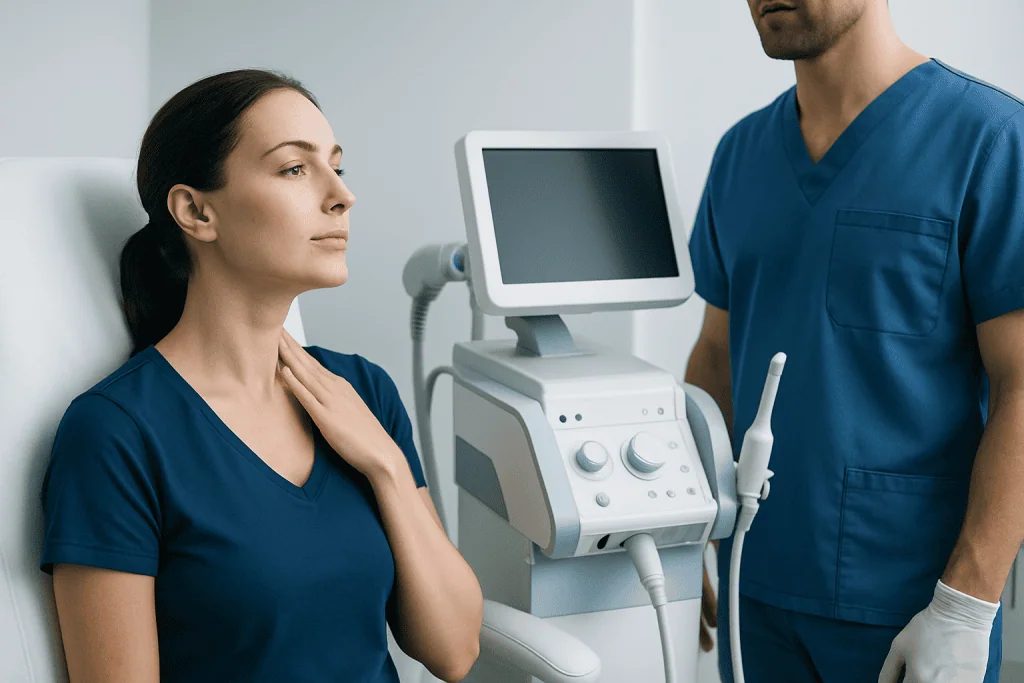
Most people do not seek care because of pain. Instead, they notice appearance changes that become more visible in photos, side views, or certain lighting. Common concerns include a “double chin,” a blurred jawline, loose skin under the chin, or a neck that looks heavier than the rest of the face.
Some people also notice vertical neck bands that stand out when speaking or smiling. Others feel that their chin sits slightly back in profile, which can make the neck appear fuller even when there is not much excess fat. These concerns often overlap, and the visible effect may come from more than one factor.
It is helpful to remember that a naturally soft neck or rounded jawline is not a medical problem. Aesthetic treatment is considered when a person wants a change and understands the likely benefits and limitations of the available options.
Causes and Risk Factors

Aesthetic neck contouring is usually requested because of age-related or anatomy-related changes rather than disease. Skin tends to lose elasticity over time, and small pockets of fat under the chin can become more noticeable. The platysma muscle, which contributes to neck contour, may also loosen or separate with age.
Genetics play an important role. Some people develop submental fullness or a less-defined jawline at a younger age even at a healthy weight. Posture, weight changes, and the natural position of the chin and jaw can also affect how the neck appears.
Common factors that influence treatment choice include:
- Skin quality and degree of laxity
- Amount and location of fat under the chin or along the neck
- Strength of neck muscles and presence of banding
- Chin projection and overall facial balance
- History of weight fluctuation or previous procedures
Because the face and neck work as a unit, a good result often depends on understanding the whole profile rather than treating only one small area.
Diagnosis and Consultation
There is no laboratory test for aesthetic neck contouring needs. Instead, diagnosis begins with a detailed consultation and physical examination. The clinician usually assesses the neck in profile and from the front, reviews skin tone and elasticity, and looks at how the chin, jaw, and neck relate to each other.
During the visit, the doctor may ask about weight history, prior surgeries, medical conditions, medications, and whether the concern is mainly fat, loose skin, muscle bands, or chin shape. This helps determine whether the best option is non-surgical care, a minimally invasive procedure, or surgery.
Photos, measurements, and a discussion of expected recovery may be part of planning. In some patients, a consultation for chin aesthetic is especially useful because improving chin projection can make the neck look more defined without directly changing the neck itself.
Treatment Options
Treatment depends on the cause of the concern. When the main issue is a small amount of under-chin fat with good skin elasticity, liposuction may be considered. If lax skin is the primary issue, a neck lift or skin-tightening procedure may be more suitable. When muscle banding contributes to the appearance, muscle-focused techniques may be added.
Some people choose non-surgical or minimally invasive approaches for mild concerns or if they prefer less downtime. These methods may help with selected cases, but they generally do not replace surgery when there is significant loose skin. A combination plan is common because the jawline and neck often need more than one type of correction.
Procedures may be linked with facial balancing treatments. For instance, classic liposuction can address localized fat in selected patients, while body contouring principles help explain how contour improvement depends on matching skin, fat, and structure. In appropriate cases, treatment planning may also include bariatric contouring when major weight loss has changed overall body shape.
The exact technique, anesthesia, and recovery time vary. A qualified specialist will explain expected outcomes, likely scars, risks, and whether a staged approach is safer or more effective for the individual.
Recovery and Self-care
Recovery depends on the procedure performed. After surgical treatment, patients may have swelling, tightness, bruising, or temporary numbness. These effects usually improve gradually as the tissues settle. Non-surgical treatments typically involve less downtime, though mild swelling or tenderness can still occur.
Following post-procedure instructions is important. This may include wearing compression garments if advised, sleeping with the head elevated, avoiding strenuous activity for a period of time, and keeping follow-up appointments. Good wound care and sun protection can also support healing.
Self-care can make a meaningful difference in comfort and results. Staying hydrated, maintaining stable weight, avoiding smoking, and using skincare products recommended by the care team may all support recovery. It is also wise to allow enough time before judging the final result, since contour changes often become clearer only after swelling improves.
Risks, Limitations, and Realistic Expectations
As with any procedure, aesthetic neck contouring has potential risks. These may include bleeding, infection, swelling, numbness, asymmetry, scarring, contour irregularity, or the need for revision. The exact risk profile depends on the method used and the person’s anatomy and health.
Not every concern can be fully corrected with one treatment. For example, removing fat alone may not improve looseness in the skin, and tightening skin alone may not address fullness from deeper structures or chin position. A balanced plan is often more effective than trying to solve every issue with a single step.
Patients tend to be most satisfied when the goal is improvement rather than perfection. A natural-looking result should fit the face, age, and body proportions, and the decision to proceed should be based on informed discussion with a qualified clinician.
When to See a Doctor
A consultation is appropriate when a person is bothered by the appearance of the jawline or neck and wants to learn which options may help. It is especially useful if the concern has persisted despite stable weight, skincare, or posture changes, or if the change is affecting confidence in photographs or daily life.
Medical evaluation is also important before any cosmetic procedure to review general health, medications, smoking status, and healing risks. People with a history of neck surgery, significant medical illness, or complex facial asymmetry may benefit from an experienced specialist who can assess safety and planning carefully.
For a thoughtful, individualized approach, patients should seek a board-qualified plastic or facial aesthetic specialist and ask about expected recovery, alternative treatments, and the likely balance between benefit and downtime.
Frequently asked questions
What is aesthetic neck contouring?
Aesthetic neck contouring refers to procedures that improve the shape and definition of the jawline and neck. It may reduce fullness under the chin, tighten loose skin, or refine muscle-related banding, depending on the person's needs.
Who is a good candidate for neck contouring?
A good candidate is usually someone in good general health who has a clear concern about the neck or jawline and realistic expectations. The best treatment depends on whether the issue is fat, skin laxity, muscle banding, chin position, or a combination of these factors.
Can neck contouring be done without surgery?
Some mild concerns may be improved with non-surgical or minimally invasive options, but these methods are usually limited compared with surgery. A clinician can explain whether a non-surgical approach is appropriate or whether surgery would provide a more reliable result.
How long does recovery take?
Recovery varies with the procedure. Non-surgical treatments may involve only brief downtime, while surgical procedures can require several days to a few weeks of gradual healing as swelling and bruising settle.
Will neck contouring make the jawline look sharper?
It can, especially when the treatment plan addresses the true cause of a soft jawline. In some people, improving chin projection along with the neck creates a more balanced and defined profile.
Are the results permanent?
Results can be long lasting, but they do not stop normal aging. Weight changes, skin aging, and lifestyle factors can influence how the neck looks over time, so maintaining stable habits helps preserve the outcome.
References
- American Society of Plastic Surgeons
- American Academy of Facial Plastic and Reconstructive Surgery
- Mayo Clinic
- National Health Service
This article is for general information only and is not a substitute for professional medical advice. Please consult a qualified doctor about your individual situation.
Aesthetic Neck Contouring in Turkey — costs, top hospitals & a free quote
JCI-accredited · board-certified surgeons · reply within 24h
Add us as a Preferred Source to see more of our trusted health content across Google Search, AI Overviews and Discover.

Plastic, Reconstructive & Aesthetic Surgery
Reconstructive and aesthetic procedures for the face and body, performed by experienced surgeons.
35 specialists in this unitRelated Treatments
Related Conditions
More from the Health Library



Related Specialists

Prof. Dr. Şükrü Yazar
Aesthetic Plastic & Reconstructive Surgery
Assoc. Prof. Dr. Erdem Güven (m)
Aesthetic Plastic & Reconstructive Surgery
Prof. Dr. Hakan Ağır
Aesthetic Plastic & Reconstructive Surgery
Prof. Dr. Bülent Saçak
Aesthetic Plastic & Reconstructive Surgery