

Aesthetic Surgery in Turkey: What International Patients Should Know

Aesthetic surgery includes procedures that reshape or refine appearance; it should always be planned with safety, suitability, and recovery in mind. International patients should review surgeon credentials, hospital standards, anesthesia plans, and follow-up arrangements before traveling.
Key Takeaways
- Aesthetic surgery includes procedures that reshape or refine appearance; it should always be planned with safety, suitability, and recovery in mind.
- International patients should review surgeon credentials, hospital standards, anesthesia plans, and follow-up arrangements before traveling.
- Common procedures include breast, body contouring, facial, and minimally invasive aesthetic treatments.
- Recovery time varies by procedure, and travel plans should allow for rest, wound care, and follow-up visits.
- Clear communication about goals, medical history, medications, and expectations helps support better outcomes.
Aesthetic surgery in Turkey attracts international patients seeking a wide range of cosmetic procedures with coordinated preoperative planning, surgery, and aftercare. The most important priorities are choosing a qualified surgeon, understanding recovery, and having realistic expectations.
Overview
Aesthetic surgery is a branch of plastic surgery focused on improving appearance, balance, or proportion. For international patients, Turkey is often considered for its broad range of procedures, experienced surgical teams, and established private hospital settings.
People travel for many reasons, including combined treatment planning, access to specialist care, and the convenience of coordinating several appointments in one trip. Procedures may involve the face, breasts, abdomen, arms, thighs, or other areas, and may range from surgery to non-surgical body shaping options. When patients are considering cosmetic surgery abroad, the most important question is not only where the operation will take place, but also who will perform it, how care is organized, and what follow-up is available.
In many cases, a consultation may include options such as aesthetic breast surgery, body contouring, or facial procedures such as brow lift and chin aesthetic. The right procedure depends on the patient’s anatomy, goals, medical history, and overall health.
Common Procedures International Patients Ask About

Aesthetic surgery is not one single operation. It includes a wide range of procedures, each with a specific purpose. Some patients seek breast enhancement or reduction, while others focus on contouring after weight change or improving facial balance.
Common procedures include breast surgery, liposuction, tummy and body contouring, facial rejuvenation, eyelid and brow procedures, ear reshaping, and reconstructive-aesthetic combinations. For patients with loose skin after major weight loss, options such as bariatric contouring may be discussed. Some individuals also ask about scar-focused treatments such as acne scarring treatment or targeted procedures like oculoplastic surgery.
It is helpful to remember that a procedure should be selected for the patient’s needs, not for travel convenience alone. A surgeon may recommend staging operations rather than combining too many treatments at once, especially when that approach is safer.
Symptoms and Goals That Lead People to Consider Surgery
Aesthetic surgery is usually elective, meaning it is chosen rather than urgently required. Patients may seek it when they feel discomfort with the way a body area looks or when a feature affects their confidence or clothing choices.
Typical concerns include breast asymmetry, volume loss after pregnancy or weight change, excess abdominal or arm skin, localized fat deposits, facial drooping with age, or a desire for more balanced proportions. In some cases, a physical issue such as skin irritation under large breasts or chafing from excess tissue may also be part of the discussion.
Good candidates are generally people who understand their goal clearly and can describe what they hope to improve. A surgeon’s role is to explain what is realistically achievable, what risks are involved, and whether surgery is the best choice compared with non-surgical methods or a different procedure.
Causes and Risk Factors
The reasons people choose aesthetic surgery are varied. Some want to address changes after pregnancy, aging, weight loss, or previous surgery. Others have naturally occurring features they have wanted to change for years.
Risk factors that may affect surgery planning include smoking, uncontrolled diabetes, bleeding disorders, obesity, a history of poor wound healing, or prior complications with anesthesia. Medications and supplements that affect blood clotting may also be important to review with the medical team.
Travel itself can also add practical considerations. Long flights soon after surgery may increase discomfort and can complicate swelling, mobility, and follow-up care. For that reason, patients should plan enough time in the country for recovery, review appointments, and any early post-operative concerns.
Diagnosis and Preoperative Evaluation
Aesthetic surgery begins with a careful consultation rather than a test alone. The surgeon will review the patient’s goals, medical history, previous procedures, current medications, allergies, and lifestyle habits such as smoking.
Physical examination is essential. The surgeon may assess skin quality, tissue thickness, asymmetry, body proportions, scars, and the patient’s overall health. In some cases, blood tests, imaging, or a medical clearance from another specialist may be needed before surgery can be scheduled.
Patients traveling internationally should ask how consultations are handled, whether an in-person assessment is required, and how the team communicates before and after travel. Good preoperative planning should also cover anesthesia, hospital stay if needed, expected recovery time, and the schedule for follow-up visits.
Treatment Options and How Surgery Is Performed
The exact technique depends on the procedure. Some surgeries involve removing tissue, repositioning structures, tightening skin, or placing implants. Others focus on contouring with liposuction or combining several approaches for a more balanced result.
For example, breast procedures may involve augmentation, reduction, lifting, or reconstruction-related reshaping. Body contouring may include liposuction, skin tightening, or reshaping after major weight loss. Facial procedures may involve brow, eyelid, chin, ear, or neck refinement. In selected cases, patients may also be offered complementary procedures such as aesthetic neck contouring or auricular ear reconstruction.
Surgery is usually performed under local anesthesia, sedation, or general anesthesia depending on the extent of the operation. The safest approach is the one that matches the procedure and the patient’s health status. Patients should ask what will be done, where incisions will be placed, what scars may look like, and what the first days after surgery will involve.
Recovery, Prevention, and Self-care
Recovery varies widely. Minor procedures may require only a short rest period, while larger operations can need several weeks of gradual return to normal activity. Swelling, bruising, tightness, and temporary discomfort are common after many aesthetic procedures.
Self-care typically includes rest, wearing compression garments if advised, keeping incisions clean, attending follow-up visits, and avoiding smoking. Patients may also be instructed to limit exercise, lifting, sun exposure, and travel until the surgeon confirms it is safe.
It is wise to prepare before travel by arranging help at home, packing any prescribed supplies, and allowing extra days for recovery rather than scheduling sightseeing immediately after surgery. Good results depend not only on the operation itself but also on careful healing afterward.
When appropriate, surgeons may recommend non-surgical or conservative options first, or combine surgery with maintenance treatments. Clear aftercare instructions and easy access to the medical team are especially important for international patients.
When to See a Doctor
Patients should seek a qualified plastic surgeon if they are considering aesthetic surgery, especially if they are traveling from another country and need coordinated care. A detailed consultation can help determine whether the procedure is suitable and whether timing is safe.
After surgery, patients should contact their medical team promptly if they notice increasing pain, heavy bleeding, fever, shortness of breath, sudden swelling, or any wound concern that seems to be worsening rather than improving. These issues do not always mean a serious complication, but they should be assessed.
For international patients, it is sensible to know in advance who to contact after discharge, where to go if a problem arises, and what follow-up is available once they return home. Acibadem International’s multidisciplinary specialists and JCI-accredited hospitals diagnose and treat aesthetic surgery patients, including international visitors, with coordinated medical support.
Frequently asked questions
Why do international patients choose Turkey for aesthetic surgery?
Many international patients consider Turkey because it offers a wide range of aesthetic procedures in organized private hospital settings. The decision should still be based on surgeon qualifications, hospital safety, and a clear follow-up plan rather than location alone.
How can a patient choose a qualified surgeon abroad?
Patients should look for a surgeon with appropriate training in plastic and aesthetic surgery, experience in the specific procedure, and a transparent consultation process. It is also helpful to ask where the surgery will be performed, who provides anesthesia, and how complications would be handled.
Are cosmetic surgery results guaranteed?
No surgical result can be guaranteed. Outcomes depend on anatomy, healing, procedure type, and how closely the patient follows recovery instructions, so realistic expectations are important.
How long should a patient stay in Turkey after surgery?
The needed stay depends on the procedure and the surgeon’s advice. Patients should allow enough time for early recovery, wound checks, and any planned follow-up before flying home.
Can several aesthetic procedures be done at the same time?
Sometimes combined surgery is appropriate, but it is not right for everyone. The surgeon will consider the patient’s health, anesthesia time, blood loss, and recovery demands before recommending one operation or multiple staged procedures.
What should a patient prepare before traveling for surgery?
Before traveling, patients should organize medical records, medication lists, travel companions if needed, and time off for recovery. They should also understand the plan for postoperative care, including dressings, activity limits, and who to contact with concerns.
References
- American Society of Plastic Surgeons
- International Society of Aesthetic Plastic Surgery
- World Health Organization
- Joint Commission International
This article is for general information only and is not a substitute for professional medical advice. Please consult a qualified doctor about your individual situation.
Explore treatments in Turkey — costs, top hospitals & a free quote
JCI-accredited · board-certified surgeons · reply within 24h
Add us as a Preferred Source to see more of our trusted health content across Google Search, AI Overviews and Discover.

Related Treatments
Related Conditions
More from the Health Library



Related Specialists

Prof. Dr. Şükrü Yazar
Aesthetic Plastic & Reconstructive Surgery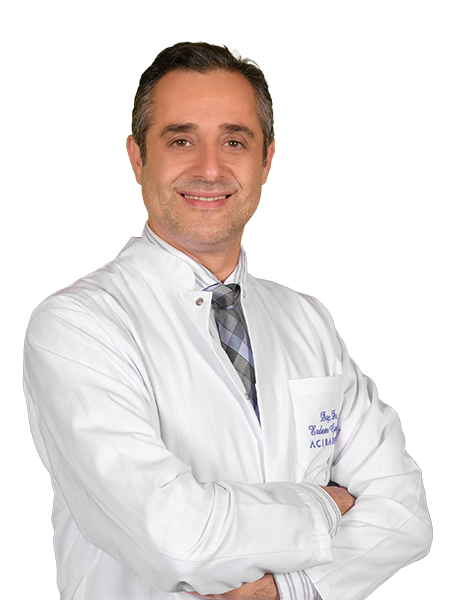
Assoc. Prof. Dr. Erdem Güven (m)
Aesthetic Plastic & Reconstructive Surgery
Prof. Dr. Hakan Ağır
Aesthetic Plastic & Reconstructive Surgery
Prof. Dr. Bülent Saçak
Aesthetic Plastic & Reconstructive Surgery