Amyotrophic Lateral Sclerosis: Early Signs and Supportive Care

ALS affects motor neurons, leading to progressive muscle weakness, stiffness, cramps and changes in speech, swallowing or breathing. Early symptoms are often subtle and may begin in one limb, the voice or swallowing muscles, which is why a neurological evaluation is important.
Key Takeaways
- ALS affects motor neurons, leading to progressive muscle weakness, stiffness, cramps and changes in speech, swallowing or breathing.
- Early symptoms are often subtle and may begin in one limb, the voice or swallowing muscles, which is why a neurological evaluation is important.
- Diagnosis is based on clinical examination, nerve and muscle tests, imaging and laboratory tests that help exclude other conditions.
- Although ALS is not currently curable, medication, rehabilitation, nutrition support, breathing support and assistive technology can improve daily life.
- Care is most effective when coordinated by a multidisciplinary team including neurology, rehabilitation, respiratory, nutrition, speech and psychological support.
Amyotrophic lateral sclerosis, often called ALS, is a progressive neurological condition that affects the nerve cells controlling voluntary muscles. Early recognition, specialist assessment and supportive care can help people maintain function, comfort and quality of life for as long as possible.
Overview
Amyotrophic lateral sclerosis, or ALS, is a disease of the nervous system that affects motor neurons. These are the nerve cells in the brain and spinal cord that send signals to voluntary muscles, such as those used for walking, speaking, swallowing and breathing. As motor neurons gradually become damaged, the muscles they control receive fewer signals and become weaker over time.
ALS is also known in some countries as motor neuron disease. It does not usually affect the senses, such as sight, hearing, smell or touch. Many people with ALS also continue to think, understand and make decisions clearly, although some may experience changes in behavior, language or thinking that need medical attention and support.
The condition is progressive, meaning symptoms tend to increase over time. However, the pattern and speed of progression vary widely from person to person. Early diagnosis and planned supportive care can help manage symptoms, support independence, reduce complications and help families prepare for changing needs.
Early Signs and Symptoms
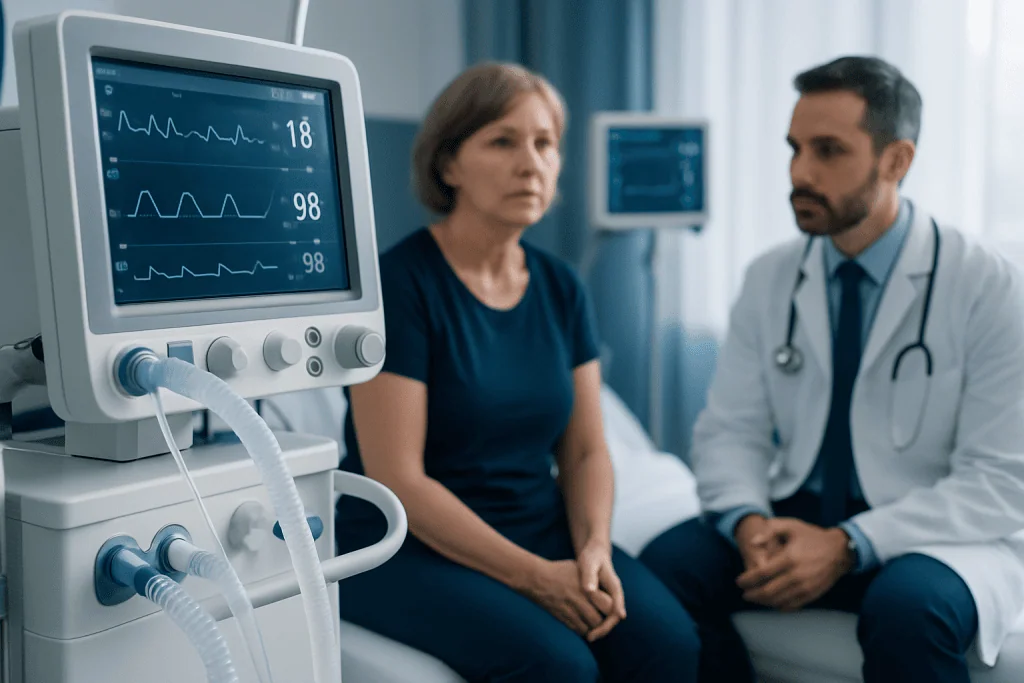
Early ALS symptoms can be mild and easy to mistake for fatigue, a pinched nerve, normal clumsiness or other common conditions. Symptoms often start in one part of the body and gradually spread. Some people first notice weakness in a hand, foot or leg, while others notice changes in speech or swallowing.
Common early signs may include:
- Tripping, foot drop or difficulty climbing stairs.
- Weak grip, dropping objects or trouble buttoning clothes.
- Muscle twitching, cramps, stiffness or tightness.
- Slurred or nasal-sounding speech.
- Difficulty chewing, swallowing or managing saliva.
- Unexplained fatigue during usual activities.
As ALS progresses, muscle weakness can affect walking, arm movement, communication, nutrition and breathing. Pain is not usually the first symptom, but discomfort can occur due to cramps, stiffness, reduced mobility or joint strain. Emotional changes such as laughing or crying more easily than expected can also occur in some people and should be discussed with a doctor.
Causes and Risk Factors

In most people with ALS, the exact cause is not known. This is called sporadic ALS. A smaller number of cases are familial, meaning they are linked to inherited genetic changes and may run in families. Even when a genetic factor is present, symptoms, age of onset and progression can differ among family members.
ALS is not contagious and cannot be passed from person to person through contact. Researchers believe the disease may involve several biological processes, including abnormal protein handling, inflammation in the nervous system, oxidative stress and changes in how nerve cells use energy. These processes are complex and are still being studied.
Risk factors may include increasing age, family history of ALS and certain inherited gene variants. Men are affected slightly more often than women in some age groups, although ALS can occur in adults of any sex. Having a risk factor does not mean a person will develop ALS, and many people diagnosed with ALS have no known family history.
Diagnosis
There is no single test that confirms ALS in every case. Diagnosis is made by a neurologist through a careful review of symptoms, a neurological examination and tests that evaluate nerves, muscles and other possible causes of weakness. Because several conditions can resemble ALS, the diagnostic process may take time and sometimes requires follow-up examinations.
Tests may include electromyography and nerve conduction studies, which assess the electrical activity of muscles and nerves. Magnetic resonance imaging may be used to look for structural problems in the brain, neck or spine. Blood and urine tests may help exclude thyroid disease, vitamin deficiencies, autoimmune disorders, infections or muscle diseases. In selected cases, genetic testing may be recommended, especially when there is a family history.
A diagnosis can feel overwhelming, so clear communication is important. Patients and families should be encouraged to ask what the findings mean, whether any additional tests are needed and what the next steps in care will be. A second opinion from a neurologist experienced in motor neuron disorders can also be helpful when the diagnosis is uncertain.
Treatment Options
At present, ALS cannot usually be cured or reversed, but treatment can help slow functional decline in some people, manage symptoms and support quality of life. Medications approved for ALS may be considered depending on the patient’s condition, local availability, other health problems and the doctor’s assessment. Patients should not start, stop or change medication without medical guidance.
Symptom-focused treatment is a central part of ALS care. Doctors may recommend therapies for muscle cramps, stiffness, saliva problems, mood symptoms, sleep difficulties, pain or emotional changes. Speech and swallowing difficulties may be managed with speech-language therapy, communication tools, diet texture changes and, when appropriate, feeding tube placement to support nutrition and reduce the burden of eating.
Breathing support is also important. Respiratory function is usually monitored regularly with breathing tests. Non-invasive ventilation, often delivered through a mask, may help some people breathe more comfortably, sleep better and reduce fatigue. Decisions about respiratory support should be discussed early, before symptoms become urgent, so patients can make informed choices that reflect their values.
Supportive Care and Rehabilitation
Supportive care for ALS is best delivered by a multidisciplinary team. This may include a neurologist, rehabilitation physician, physiotherapist, occupational therapist, speech-language therapist, respiratory specialist, dietitian, psychologist, nurse and social worker. The aim is to help the person remain as active, safe and independent as possible while planning ahead for future needs.
Physiotherapy can help maintain flexibility, reduce stiffness, support posture and recommend safe exercise within the person’s abilities. Occupational therapy focuses on daily activities such as dressing, bathing, eating, writing and home mobility. Assistive devices, including braces, walkers, wheelchairs, adaptive utensils, communication devices and home modifications, can reduce effort and improve safety.
Emotional and social support are equally important. ALS affects the whole family, and caregivers often need education, practical planning and respite. Psychological counseling, support groups and advance care planning can help patients express preferences about treatment, communication, mobility, nutrition and end-of-life care in a calm and respectful way.
Prevention and Self-Care
There is currently no proven way to prevent most cases of ALS. However, people living with ALS can take steps that support general health and daily comfort. Regular follow-up with the care team helps monitor changes early and adjust treatment, equipment and support before problems become more difficult to manage.
Self-care strategies may include conserving energy, pacing activities, maintaining good nutrition, practicing safe swallowing techniques if recommended, preventing falls and staying up to date with vaccinations according to medical advice. Gentle stretching and low-intensity activity may be helpful for some patients, but exercise plans should be individualized to avoid overfatigue or injury.
Planning ahead can reduce stress. This may include discussing work, travel, home accessibility, communication needs and legal or medical preferences. Families may also benefit from learning safe transfer techniques and understanding when to request additional equipment or home support.
When to See a Doctor
A person should seek medical evaluation if they develop persistent or progressive weakness, unexplained muscle wasting, frequent tripping, difficulty using the hands, ongoing muscle twitching with weakness, changes in speech or difficulty swallowing. These symptoms do not always mean ALS, but they should be assessed by a qualified doctor, especially if they worsen over weeks or months.
Urgent medical care is needed if there is significant difficulty breathing, choking, inability to swallow fluids, sudden severe weakness or signs of aspiration such as coughing during meals with fever or breathing discomfort. People already diagnosed with ALS should contact their care team promptly when symptoms change, equipment no longer meets their needs or caregivers are struggling to provide safe support.
International patients may seek coordinated neurological assessment and supportive care at centers experienced in complex nervous system disorders. Acibadem International’s multidisciplinary specialists and JCI-accredited hospitals diagnose and treat ALS and related conditions for international patients, with care planning tailored to the individual’s medical needs.
Frequently asked questions
What is the difference between ALS and motor neuron disease?
ALS is the most common type of motor neuron disease and the term is often used interchangeably with motor neuron disease in some countries. Motor neuron disease can refer to a group of disorders that affect the nerve cells controlling movement. A neurologist can explain the exact diagnosis based on symptoms and test results.
What are the first signs of ALS?
Early signs may include weakness in one hand or foot, tripping, dropping objects, muscle twitching, cramps, stiffness or changes in speech and swallowing. These symptoms can also be caused by other conditions. Persistent or progressive symptoms should be evaluated by a doctor.
Is ALS hereditary?
Most ALS cases are sporadic, meaning there is no known family history. A smaller proportion is familial and linked to inherited genetic changes. Genetic counseling and testing may be discussed when ALS occurs in more than one family member or when the neurologist thinks it is appropriate.
Can ALS be cured?
ALS is not currently considered curable, but treatments and supportive care can help manage symptoms and may slow functional decline in some people. Care often includes medication, rehabilitation, nutrition support, breathing support and assistive technology. Early and coordinated care can make daily life safer and more comfortable.
Does ALS affect thinking and memory?
Many people with ALS maintain clear thinking and memory. However, some may develop changes in behavior, language, decision-making or a related condition called frontotemporal dementia. Families should tell the care team about any cognitive or personality changes so appropriate support can be arranged.
When should breathing support be discussed in ALS?
Breathing support should be discussed early, even before severe symptoms appear. Regular respiratory testing helps doctors identify changes and recommend options such as non-invasive ventilation when appropriate. Early conversations allow patients to make informed decisions about their preferences.
References
- World Health Organization
- National Institute of Neurological Disorders and Stroke
- Mayo Clinic
- ALS Association
- European Academy of Neurology
This article is for general information only and is not a substitute for professional medical advice. Please consult a qualified doctor about your individual situation.
Joint and spine care in Turkey — expert assessment & treatment
JCI-accredited · board-certified surgeons · reply within 24h
Add us as a Preferred Source to see more of our trusted health content across Google Search, AI Overviews and Discover.

Neurology
Diagnosis and treatment of disorders of the brain, spinal cord, nerves and muscles.
51 specialists in this unit