

Arm Lift Operation: How the Procedure Works

An arm lift operation improves upper-arm shape by removing loose skin and sometimes excess fat. The procedure is often chosen after significant weight loss or with age-related skin laxity.
Key Takeaways
- An arm lift operation improves upper-arm shape by removing loose skin and sometimes excess fat.
- The procedure is often chosen after significant weight loss or with age-related skin laxity.
- Scarring is expected, but surgeons aim to place scars where they are as discreet as possible.
- Recovery usually involves swelling, compression garments, and temporary limits on lifting and exercise.
- The best candidates are healthy adults with stable weight and realistic expectations.
An arm lift operation, also called brachioplasty, is a cosmetic procedure that reshapes the upper arms by removing excess skin and, in some cases, extra fat. It is most often considered after major weight loss or age-related skin laxity when exercise cannot tighten loose skin.
Overview of an Arm Lift Operation
An arm lift operation, medically called brachioplasty, is a surgical procedure designed to improve the contour of the upper arms. It addresses loose, hanging skin and may also reduce pockets of fat between the armpit and elbow. Many people seek this surgery when the skin has lost elasticity and no longer responds to diet, exercise, or muscle-toning efforts.
The procedure is commonly considered after major weight loss, but it may also be appropriate for people noticing age-related skin laxity. Although an arm lift can create a firmer and more defined shape, it is not a substitute for weight loss and it does not stop the natural aging process. Its goal is contour improvement rather than perfection.
In some cases, an arm lift is combined with other contouring procedures for patients who have lost a large amount of weight. This may be discussed alongside body contouring or post-weight-loss contouring when several areas of the body are affected by excess skin. The exact approach depends on the amount of tissue to be removed and the person’s overall health and goals.
Who May Be a Good Candidate
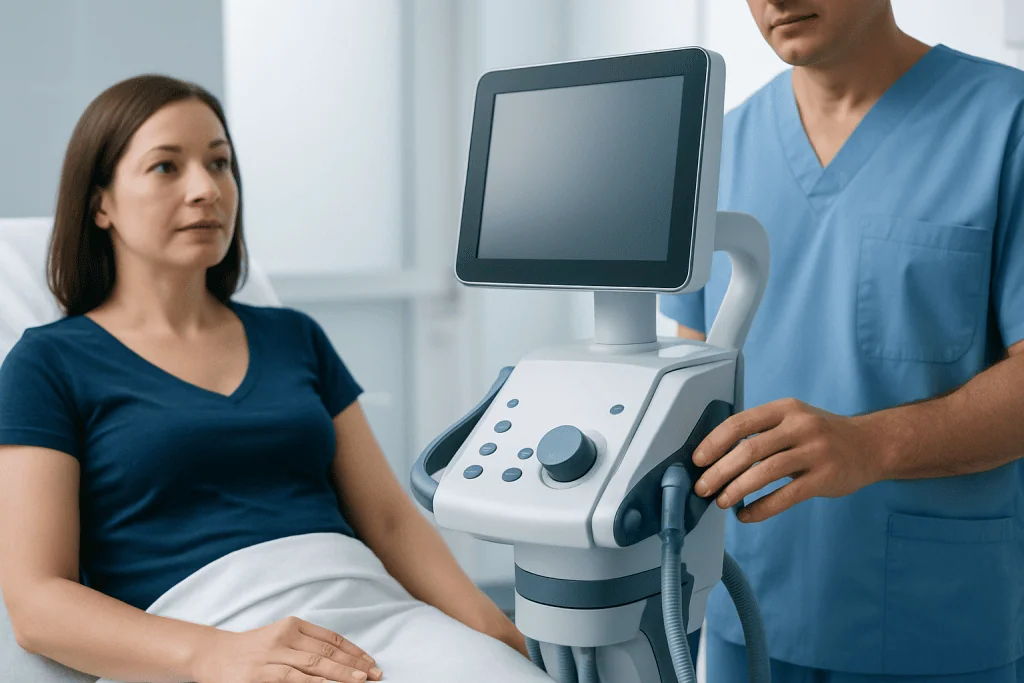
A good candidate for an arm lift operation is usually an adult with significant upper-arm skin laxity, a fairly stable body weight, and overall good health. People often consider the procedure when the underside of the upper arm has a drooping appearance that causes self-consciousness, clothing difficulties, or skin irritation from rubbing.
Surgeons generally look for realistic expectations and an understanding that scars are part of the trade-off for better arm shape. Smoking, uncontrolled medical conditions, and frequent weight fluctuations can increase surgical risks or affect healing, so these issues are usually addressed before planning surgery.
An arm lift may be especially helpful after major weight reduction, including after bariatric treatment. In some people, the operation may be planned together with another reshaping procedure, such as abdominal contouring surgery, if this is safe and appropriate. A personal consultation helps determine whether surgery is the best option or whether less invasive treatment would be more suitable.
How the Procedure Works

An arm lift operation is typically performed under general anesthesia, though the exact anesthesia plan depends on the extent of surgery and the patient’s health status. During the procedure, the surgeon removes excess skin and may also remove or contour fat. In some cases, liposuction is used first to improve the arm’s shape before the skin is tightened.
The location and length of the incision vary. For mild laxity, a shorter incision near the armpit may be enough. For more pronounced excess skin, the incision may extend along the inner or back part of the upper arm from the armpit toward the elbow. The surgeon then reshapes the underlying tissue, trims away extra skin, and closes the incision with sutures.
The operation usually takes a few hours, depending on complexity and whether it is combined with another aesthetic procedure such as a buttock lift or a breast lift in selected patients. The plan is tailored to the individual, with the aim of achieving smoother arm contours while preserving safe blood supply and promoting proper healing.
Benefits, Limitations, and Scarring
The main benefit of brachioplasty is a more toned and proportionate upper-arm appearance. Many patients also find that clothing fits better and that they feel more comfortable wearing short sleeves. If loose skin causes friction or recurrent irritation, removing the excess tissue may also improve comfort in daily life.
At the same time, it is important to understand the procedure’s limitations. An arm lift improves contour, but it cannot create flawless skin texture or completely eliminate all asymmetry. Results can also change over time with aging, gravity, and weight fluctuation.
Scarring is one of the most important considerations. Every arm lift leaves a scar, and the scar can be long when a larger amount of skin must be removed. Surgeons place incisions in areas that are intended to be less visible when the arms are at rest, but scar appearance varies from person to person. People with a history of thick or raised scars, including keloid scars, should discuss this carefully during consultation.
Preparation and Diagnosis Before Surgery
Before an arm lift operation, the surgeon performs a detailed assessment rather than a disease diagnosis in the traditional sense. This includes reviewing medical history, medications, allergies, previous surgeries, and any conditions that may affect anesthesia, bleeding, or wound healing. The surgeon also examines the amount of excess skin, the quality of the tissue, and whether fat removal is needed along with skin tightening.
Photographs may be taken for planning and comparison, and the patient is usually asked about weight stability, smoking, and personal goals. If there are signs of skin problems, poor circulation, or swelling disorders, additional evaluation may be recommended. In selected patients, routine blood tests or medical clearance from another specialist may be needed before surgery.
Preparation often includes stopping smoking well in advance, avoiding certain medicines or supplements that can increase bleeding risk, and arranging help at home for the first days of recovery. Following preoperative instructions closely supports safer surgery and smoother healing. Patients should also discuss any history of poor wound healing, previous arm surgery, or skin injury, including scars from burns, if relevant.
Recovery and Possible Risks
After surgery, the arms are usually wrapped or placed in compression garments to help reduce swelling and support the new contour. Temporary bruising, soreness, tightness, and limited arm movement are common in the early recovery period. Many patients return home the same day, while others may stay longer depending on the extent of surgery and their overall condition.
Recovery varies, but most people need to avoid heavy lifting, vigorous exercise, and wide arm movements for a period advised by the surgeon. Sutures may dissolve on their own or be removed at a follow-up visit. Swelling improves gradually, and final results become clearer over weeks to months as the tissues settle and scars mature.
As with any operation, an arm lift has risks. These may include bleeding, infection, fluid collection, numbness, delayed wound healing, asymmetry, unfavorable scarring, or reactions related to anesthesia. There can also be contour irregularities or the need for revision surgery. Careful surgical technique and good aftercare help reduce these risks, but no procedure is entirely risk-free.
Long-Term Results and Self-Care
Results from an arm lift operation can be long-lasting, especially when body weight remains stable. The removed skin does not return, but the skin and tissues continue to age naturally. Maintaining healthy lifestyle habits can help preserve the improved contour for as long as possible.
Helpful self-care measures include keeping follow-up appointments, wearing compression garments as instructed, protecting scars from sun exposure, and returning to activity gradually. A balanced diet, good hydration, and avoiding nicotine support healing and overall skin health. Patients should ask their surgeon when it is safe to resume work, exercise, and upper-body training.
For people seeking broad post-weight-loss reshaping or revision of several areas, long-term planning may involve staged procedures rather than doing everything at once. Near the end of the treatment journey, some international patients choose evaluation at centers such as Acibadem International, where multidisciplinary specialists in JCI-accredited hospitals diagnose and treat aesthetic and reconstructive concerns with individualized planning.
When to Contact a Doctor
It is important to contact a doctor promptly if there are signs that healing is not progressing as expected. Warning symptoms after an arm lift may include increasing redness, worsening swelling, fever, severe pain not relieved by prescribed guidance, drainage with a bad odor, or separation of the incision. Sudden shortness of breath, chest pain, or leg swelling requires urgent medical attention.
Even when recovery is going well, patients should attend all scheduled follow-up visits. These visits allow the surgical team to monitor healing, answer questions, and advise on scar care, exercise, and return to routine activities. Early communication can help address small concerns before they become larger problems.
Anyone considering an arm lift but unsure whether surgery is appropriate should arrange a consultation with a qualified plastic surgeon. A professional evaluation can clarify expected benefits, likely scar pattern, alternatives to surgery, and whether the timing is right based on weight, health, and lifestyle factors.
Frequently asked questions
What is the difference between an arm lift and liposuction?
An arm lift removes excess skin and can also address some underlying tissue laxity, while liposuction mainly removes fat. If the main issue is loose, hanging skin, liposuction alone may not give a satisfactory result. A surgeon may recommend one or both procedures depending on the arm’s shape and skin quality.
Will there be a scar after an arm lift operation?
Yes, an arm lift operation always leaves a scar because skin must be removed through an incision. The scar may be short or longer depending on how much lax skin is present. Over time, most scars fade, but they do not disappear completely.
How long does arm lift recovery take?
Early recovery usually takes a few weeks, but full healing and scar maturation take longer. Swelling and tightness often improve gradually over several weeks, while the final contour becomes clearer over months. The exact timeline depends on the extent of surgery and how closely aftercare instructions are followed.
Is an arm lift operation painful?
Most patients experience soreness, tightness, and discomfort rather than severe pain, especially in the first days after surgery. These symptoms are usually managed with the care plan provided by the surgical team. Pain that suddenly worsens should be reported to a doctor.
Can the results of brachioplasty last permanently?
The skin removed during brachioplasty is gone permanently, so the improvement can be long-lasting. However, the body continues to age, and major weight changes can affect the result over time. Maintaining a stable weight and healthy habits helps preserve the outcome.
Who should avoid or delay an arm lift?
People may need to avoid or postpone surgery if they have uncontrolled medical conditions, active infections, unstable weight, or if they smoke and are not ready to stop. Pregnancy planning and recent major weight changes may also influence timing. A surgeon can explain when it is safest to proceed.
References
- American Society of Plastic Surgeons
- NHS
- Mayo Clinic
- U.S. National Library of Medicine
This article is for general information only and is not a substitute for professional medical advice. Please consult a qualified doctor about your individual situation.
Arm Lift in Turkey — costs, top hospitals & a free quote
JCI-accredited · board-certified surgeons · reply within 24h
Add us as a Preferred Source to see more of our trusted health content across Google Search, AI Overviews and Discover.

Plastic, Reconstructive & Aesthetic Surgery
Reconstructive and aesthetic procedures for the face and body, performed by experienced surgeons.
35 specialists in this unitRelated Treatments
Related Conditions
More from the Health Library



Related Specialists
Assoc. Prof. Dr. Erdem Güven (m)
Aesthetic Plastic & Reconstructive Surgery
Prof. Dr. Şükrü Yazar
Aesthetic Plastic & Reconstructive Surgery
Prof. Dr. Hakan Ağır
Aesthetic Plastic & Reconstructive Surgery
Prof. Dr. Bülent Saçak
Aesthetic Plastic & Reconstructive Surgery