

Augmentation Mastopexy: Combining a Lift With Implants

Augmentation mastopexy combines a breast lift and implants to address sagging and volume loss together. The procedure may be suitable after pregnancy, breastfeeding, weight changes, aging, or naturally low breast volume.
Key Takeaways
- Augmentation mastopexy combines a breast lift and implants to address sagging and volume loss together.
- The procedure may be suitable after pregnancy, breastfeeding, weight changes, aging, or naturally low breast volume.
- Surgical planning is highly individualized and depends on skin quality, breast shape, nipple position, and desired size.
- Recovery takes time, and final breast shape usually settles gradually over several weeks to months.
- Like all surgery, it carries risks such as scarring, implant-related concerns, and the possible need for future revision.
Augmentation mastopexy is a surgical procedure that combines a breast lift with breast implants in a single operation. It is designed to improve breast position, shape, and fullness for people who want both firmer contour and added volume.
Overview
Augmentation mastopexy is a form of breast surgery that combines two goals in one procedure: lifting the breasts and increasing or restoring volume with implants. A mastopexy raises and reshapes sagging breast tissue, while implants can add fullness, especially in the upper part of the breast. Together, these techniques can create a more balanced contour when drooping and volume loss happen at the same time.
People often consider this procedure after pregnancy, breastfeeding, weight loss, or age-related changes. Some have always had naturally low breast volume and also notice that the breasts sit lower on the chest than they would like. Others may feel that a lift alone would not provide enough upper-pole fullness, while implants alone would not correct nipple position or loose skin.
This is a highly individualized operation. The surgeon considers breast size, skin elasticity, nipple position, chest wall proportions, and the person’s goals. In many cases, augmentation mastopexy can be performed in one stage, but some people may be advised to have treatment in stages if safety, healing, or long-term shape is likely to be better that way.
Who May Consider Augmentation Mastopexy

Good candidates are usually adults in generally stable health who are bothered by both loss of breast volume and breast drooping. Common concerns include nipples pointing downward, stretched skin, reduced fullness after pregnancy or weight changes, breast asymmetry, and a desire for a fuller but still natural-looking breast shape.
It is important for expectations to be realistic. Surgery can improve position, contour, and volume, but it cannot create absolute perfection or stop the natural effects of aging, gravity, or future body changes. Future pregnancy, weight fluctuation, and smoking can all affect long-term results.
A careful consultation helps determine whether the person is best suited for aesthetic breast surgery that combines lift and implants, or whether another approach would be more appropriate. In some situations, a lift alone, augmentation alone, or a different form of breast aesthetic surgery may better match the anatomy and goals.
How the Procedure Works
During augmentation mastopexy, the surgeon removes excess skin, reshapes the breast tissue, repositions the nipple and areola to a higher location, and places an implant to increase volume. The implant may be inserted above or below the chest muscle depending on anatomy, tissue coverage, and the planned look. Implant type, size, and projection are chosen in advance after discussion between the surgeon and patient.
Different incision patterns may be used. Some people need a smaller lift, while others require more extensive skin tightening. The exact technique depends on how much sagging is present and where the nipple sits in relation to the breast fold. The surgeon aims to improve shape while preserving circulation to the nipple and supporting safe healing.
Because this operation combines two procedures, planning is especially important. There needs to be a balance between adding volume and reducing loose skin. If the implant is too large for the tissue or the lift is too aggressive for the blood supply, complication risks may rise. For this reason, procedure design should be conservative, personalized, and based on sound surgical judgment.
Benefits and Limitations
The main benefit of augmentation mastopexy is that it addresses multiple concerns at once. It can raise the breasts, improve nipple position, restore lost fullness, and create a rounder contour. Many people appreciate having one recovery period rather than separate operations, especially when both sagging and volume loss are present.
At the same time, this is one of the more technically demanding breast procedures. A lift tightens the skin envelope, while an implant adds weight and volume. These forces can work against each other over time, so long-term support depends on tissue quality, implant selection, and healing. Some degree of settling is normal, and no surgery can permanently prevent all future drooping.
Scars are also an important consideration. A breast lift requires incisions, so scarring is expected even when the scars usually fade over time. People who are prone to thick or raised scars should discuss this in advance, especially if they have a history of keloid scars. A clear understanding of likely benefits and limitations helps support satisfaction with the outcome.
Risks, Safety, and Possible Complications
Like any operation, augmentation mastopexy has potential risks. General surgical risks include bleeding, infection, delayed wound healing, fluid collection, anesthesia-related problems, and visible scarring. Because a lift changes the skin and nipple position, there may also be temporary or sometimes lasting changes in nipple sensation, asymmetry, or issues with areola shape.
Implants introduce additional considerations. These may include capsular contracture, implant rupture, malposition, rippling, and the need for future monitoring or revision surgery. Breast implants are not lifetime devices, so some people will need another procedure later in life. The surgeon will also discuss the rare but important implant-related conditions that can be associated with certain implant types.
One of the more specific concerns in augmentation mastopexy is wound tension. Since the breast is being lifted while an implant adds volume, the skin and incisions may be under more stress than with either procedure alone. Careful patient selection, stopping smoking, following activity restrictions, and choosing an appropriate implant size all help improve safety.
Preparation, Recovery, and Aftercare
Before surgery, patients usually have a consultation, physical examination, and a review of medical history. The surgeon may ask about previous breast procedures, mammograms, medications, smoking, and future pregnancy plans. In some cases, imaging or routine preoperative tests are advised. It is often recommended to stop smoking and avoid certain medicines or supplements that can increase bleeding risk, but this should always be done only under medical guidance.
After the operation, swelling, bruising, tightness, and soreness are common for the first days to weeks. A supportive surgical bra is often used, and detailed instructions are given on wound care, bathing, sleep position, and activity. Most people need time away from strenuous exercise and heavy lifting. The exact timeline varies, but recovery is usually gradual rather than immediate.
The breast shape often changes during healing. Early on, the breasts may sit higher or feel firmer than expected. Over time, swelling decreases and the tissues settle. Follow-up visits are important so the surgeon can monitor healing and address questions. Some people also combine their planning with broader body aesthetic procedures, particularly after weight loss or pregnancy, but each procedure should be considered carefully for safety and recovery impact.
Results, Longevity, and Future Considerations
Results from augmentation mastopexy can be long-lasting, but they are not permanent in the sense of never changing. Skin aging, gravity, hormonal shifts, pregnancy, and weight fluctuation continue to affect the breasts over time. Choosing a breast size that fits the body and tissue quality may help reduce stress on the lift and support longer-lasting shape.
People should also remember that implants may eventually require replacement or revision. Future surgery may be needed for implant-related issues, changes in preference, or age-related tissue changes. For some patients, a later revision is minor, while for others it may be more involved. Ongoing breast health screening should continue according to age and medical advice.
Those seeking care in a specialized setting may benefit from a multidisciplinary evaluation. Near the end of the treatment journey, some international patients choose centers such as Acibadem International, where multidisciplinary specialists in JCI-accredited hospitals diagnose and treat breast conditions and perform cosmetic procedures including cosmetic surgery.
When to See a Doctor
A consultation with a board-certified or appropriately accredited plastic surgeon is helpful when breast sagging, volume loss, or asymmetry causes ongoing concern. A specialist can explain whether augmentation mastopexy is suitable, what outcomes are realistic, and whether one-stage or staged surgery would be safer. A second opinion can also be useful if the recommended plan seems unclear.
Anyone with a new breast lump, skin dimpling, unusual discharge, persistent pain, or other unexpected breast symptoms should seek medical assessment promptly. Cosmetic goals should never replace routine breast health evaluation. Breast symptoms may require separate medical investigation before elective surgery is considered.
After surgery, urgent medical review is important for severe swelling, sudden asymmetry, high fever, worsening redness, significant wound separation, chest pain, shortness of breath, or intense pain that does not improve as expected. Early attention can help reduce complications and support safer recovery.
Frequently asked questions
What is augmentation mastopexy?
Augmentation mastopexy is a surgery that combines a breast lift with breast implants. It is used to improve breast position and shape while also adding or restoring volume.
Who is a good candidate for a breast lift with implants?
People who are in generally good health and want to address both sagging and loss of fullness may be candidates. A surgeon will also consider skin quality, nipple position, breast symmetry, smoking status, and overall expectations.
Can augmentation mastopexy be done in one surgery?
Yes, in many cases it can be performed as a single operation. However, some patients are better served by a staged approach if their anatomy, skin quality, or desired implant size would make one-stage surgery less predictable or less safe.
Will there be scars after augmentation mastopexy?
Yes, a breast lift requires incisions, so scars are expected. Their size and location depend on the lift technique, and while scars usually fade over time, they do not disappear completely.
How long is recovery after augmentation mastopexy?
Initial recovery often takes a few weeks, but full settling can take several months. Swelling, bruising, and temporary tightness are common early on, and activity restrictions are usually needed during the healing period.
Do breast implants last forever?
No, breast implants are not considered lifetime devices. Some people may need future surgery because of implant rupture, capsular contracture, shape changes, or personal preference.
Will augmentation mastopexy affect breast cancer screening?
Breast implants can change how imaging is performed, but screening is still possible. Patients should tell their imaging team about implants and continue breast health checks and mammography as advised by their doctor.
References
- American Society of Plastic Surgeons
- U.S. Food and Drug Administration
- National Health Service
- Mayo Clinic
- International Society of Aesthetic Plastic Surgery
This article is for general information only and is not a substitute for professional medical advice. Please consult a qualified doctor about your individual situation.
Medical weight-loss options in Turkey — costs & eligibility
JCI-accredited · board-certified surgeons · reply within 24h
Add us as a Preferred Source to see more of our trusted health content across Google Search, AI Overviews and Discover.

Related Treatments
Related Conditions
More from the Health Library



Related Specialists
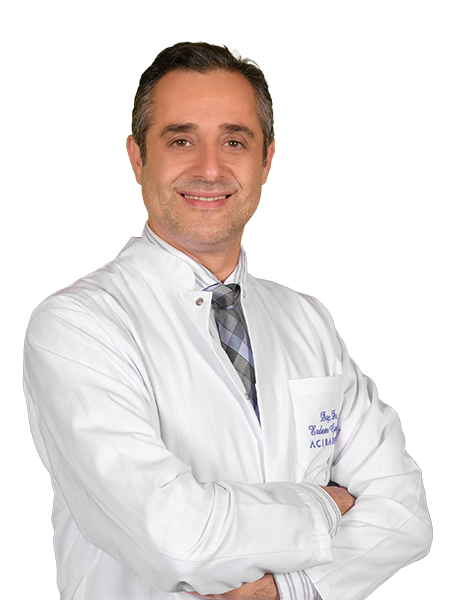
Assoc. Prof. Dr. Erdem Güven (m)
Aesthetic Plastic & Reconstructive Surgery
Prof. Dr. Şükrü Yazar
Aesthetic Plastic & Reconstructive Surgery
Prof. Dr. Hakan Ağır
Aesthetic Plastic & Reconstructive Surgery
Prof. Dr. Bülent Saçak
Aesthetic Plastic & Reconstructive Surgery