Bariatric Operations for Severe Obesity: When Is Surgery Considered?

Bariatric surgery is usually considered for people with severe obesity or obesity-related medical conditions after structured non-surgical treatment has been tried. Eligibility depends on more than body weight alone; overall health, eating patterns, mental readiness, and ability to follow long-term care are also important.
Key Takeaways
- Bariatric surgery is usually considered for people with severe obesity or obesity-related medical conditions after structured non-surgical treatment has been tried.
- Eligibility depends on more than body weight alone; overall health, eating patterns, mental readiness, and ability to follow long-term care are also important.
- Common operations include sleeve gastrectomy and gastric bypass, each with different benefits, risks, and follow-up needs.
- Long-term success depends on lifelong nutrition, physical activity, vitamin supplementation, and regular medical follow-up.
- A multidisciplinary team helps determine whether surgery is appropriate and which procedure may be the safest fit.
Bariatric operations for severe obesity may be considered when excess weight is causing major health problems and non-surgical treatment has not led to enough improvement. Surgery is not a quick fix, but for carefully selected patients it can be an effective part of long-term obesity care.
Overview: what bariatric surgery is and when it may help
Bariatric operations for severe obesity are procedures designed to help with substantial, lasting weight loss and improvement in obesity-related health problems. They work by changing the stomach, and sometimes the intestines, so that a person feels full sooner, absorbs fewer calories, or both. These procedures are part of medical treatment for obesity, not cosmetic surgery.
Surgery is generally considered when severe obesity is affecting health and day-to-day life, especially if carefully planned diet, exercise, behavioral support, and medical treatment have not been enough. Doctors usually assess body mass index, obesity-related conditions such as type 2 diabetes or sleep apnea, and the person’s readiness to commit to long-term follow-up. In this setting, morbid obesity is often the level of disease severity being evaluated.
The decision to operate is never based on weight alone. Bariatric surgery is most effective when it is part of a broader treatment plan that includes nutrition counseling, activity changes, psychological support, and close monitoring. For many people, it can lower health risks and improve quality of life, but it requires lifelong partnership with healthcare professionals.
Who may be a candidate for surgery
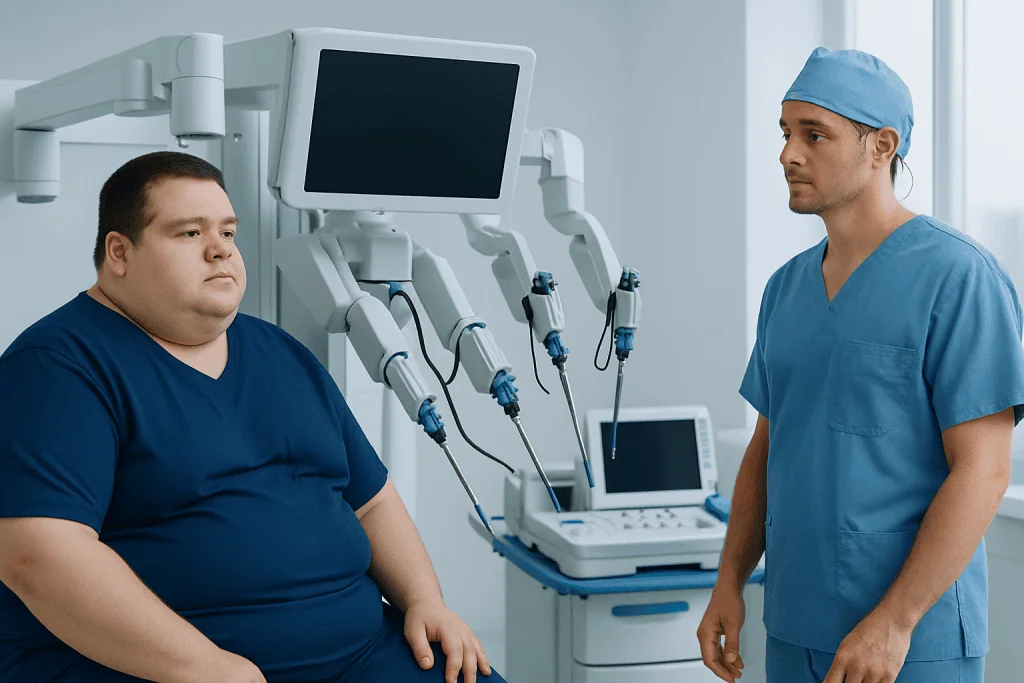
Doctors usually consider bariatric surgery for adults with severe obesity, particularly when obesity is linked to serious conditions such as type 2 diabetes, high blood pressure, fatty liver disease, obstructive sleep apnea, joint pain, or reduced mobility. In many guidelines, surgery is considered for people with a very high body mass index, or for those with a somewhat lower body mass index when significant obesity-related illnesses are present.
Eligibility also depends on whether non-surgical approaches have been attempted in a structured and sustained way. This may include medically supervised weight management, nutrition therapy, physical activity programs, behavior change support, and sometimes anti-obesity medication. Surgery is not usually the first step, but it may become appropriate when these measures do not produce enough weight loss or health improvement.
Other important factors include age, previous abdominal operations, nutritional status, alcohol or substance use, pregnancy plans, and mental health. A person should understand the benefits and limits of surgery and be able to attend regular follow-up visits. A realistic commitment to lifelong eating changes, vitamin supplementation, and monitoring is essential for safety and good results.
Symptoms and health effects of severe obesity

Severe obesity does not always cause the same symptoms in every person, but it can have wide-ranging effects on the body. People may notice shortness of breath with activity, loud snoring, daytime tiredness, reflux, joint or back pain, swelling in the legs, skin irritation in body folds, or difficulty with movement. Daily activities such as climbing stairs, sleeping comfortably, or standing for long periods may become harder.
Beyond physical symptoms, severe obesity can raise the risk of chronic conditions that develop gradually. These may include type 2 diabetes, cardiovascular disease, infertility, menstrual irregularities, fatty liver disease, and worsening arthritis. Some people also experience emotional distress, social stigma, or low self-esteem, which can affect long-term health behaviors.
Because obesity is a chronic disease, treatment aims not only at reducing weight but also at improving overall health. Even before surgery is discussed, doctors look for complications and assess how much excess weight is affecting organs, mobility, sleep, and metabolic health. This helps determine how urgent treatment may be and which options are likely to help most.
Assessment before bariatric surgery
Before surgery is offered, patients usually go through a detailed medical evaluation. This commonly includes a review of weight history, previous attempts at weight loss, current medications, eating habits, physical activity, and obesity-related conditions. Blood tests may check blood sugar, cholesterol, liver function, kidney function, thyroid status, iron, vitamin levels, and other nutritional markers.
Many centers also involve a multidisciplinary team that may include a bariatric surgeon, endocrinologist or obesity medicine specialist, dietitian, psychologist or psychiatrist, anesthesiologist, and sometimes a cardiologist or pulmonologist. This team approach helps identify risks, optimize health before the operation, and decide whether surgery is the right choice at that time.
Additional tests may be needed depending on the person’s symptoms and medical history. For example, someone with reflux may need upper gastrointestinal evaluation, and someone with symptoms of sleep apnea may need a sleep study. If surgery is appropriate, the team will explain options such as bariatric surgery in general, and discuss which procedure may fit the patient’s health goals and risks.
Types of bariatric operations and how they differ
Several operations are used to treat severe obesity. One of the most common is gastric sleeve surgery, also called sleeve gastrectomy. In this procedure, a large portion of the stomach is removed, leaving a smaller tube-shaped stomach. This limits how much food can be eaten at one time and also affects hormones related to hunger and fullness.
Another widely used option is gastric bypass, which creates a small stomach pouch and reroutes part of the small intestine. This can lead to strong weight loss effects and often helps improve type 2 diabetes and reflux in selected patients, but it also requires careful long-term monitoring for vitamin and mineral deficiencies.
Some procedures are less commonly used today or are chosen for specific situations. These may include gastric banding or temporary endoscopic approaches such as a gastric balloon. Most modern bariatric operations are performed using minimally invasive methods, often referred to as gastric laparoscopic surgery, which usually means smaller incisions and a shorter recovery than open surgery. The best procedure depends on medical history, body weight, eating patterns, reflux symptoms, diabetes status, and patient preference.
Benefits, risks, and recovery
For appropriately selected patients, bariatric surgery can lead to meaningful weight loss and major health benefits. Many people see improvement in blood sugar, blood pressure, sleep apnea symptoms, mobility, and quality of life. Some obesity-related medications may be reduced over time, although this should only be done under medical supervision.
Like any operation, bariatric procedures also carry risks. Short-term complications can include bleeding, infection, blood clots, leaks from surgical connections, and problems related to anesthesia. Longer-term concerns may include reflux, dumping symptoms, gallstones, bowel obstruction, ulcers, low blood sugar, and vitamin or mineral deficiencies. The level of risk varies by procedure and by the patient’s overall health.
Recovery usually involves a staged diet that starts with liquids and gradually progresses to soft foods and then regular textured meals in small portions. Regular movement is encouraged soon after surgery to support healing and reduce clot risk. Follow-up is very important, because the body changes quickly after surgery and nutrition plans, medications, and supplements often need adjustment.
Life after surgery: nutrition, habits, and long-term success
Bariatric surgery changes the digestive system, but lasting success still depends on daily habits. Patients usually need to eat slowly, chew thoroughly, prioritize protein, avoid frequent high-sugar foods, and separate drinking from meals if advised by their care team. Small choices repeated consistently often have the biggest long-term effect.
Vitamin and mineral supplementation is a lifelong requirement after many bariatric procedures, especially gastric bypass and sometimes sleeve gastrectomy. Follow-up blood tests help detect deficiencies before they cause symptoms. Common nutrients that may need monitoring include iron, vitamin B12, folate, calcium, vitamin D, and others depending on the operation.
Regular physical activity, good sleep, and behavioral support also matter. Some people experience plateaus or partial weight regain over time, and this does not mean treatment has failed. It usually signals the need to review eating habits, activity, medications, emotional factors, or anatomy with the bariatric team. In selected cases, additional endoscopic, medical, or revisional treatment may be discussed.
When to speak with a doctor
A doctor visit is a good idea when excess weight is beginning to affect breathing, sleep, blood sugar, blood pressure, fertility, mobility, or emotional well-being. People who have tried structured weight loss programs without enough improvement may also benefit from an obesity medicine or bariatric consultation. The goal is not to rush into surgery, but to understand the full range of options.
Urgent medical advice is needed after bariatric surgery if there is severe abdominal pain, repeated vomiting, chest pain, shortness of breath, fever, dehydration, black stools, or difficulty swallowing. These symptoms do not always mean a serious complication, but they should be assessed promptly.
For international patients seeking evaluation, Acibadem International’s multidisciplinary specialists and JCI-accredited hospitals diagnose and treat severe obesity with individualized care plans. A qualified bariatric team can explain whether surgery, intensive medical management, or a non-surgical option may be the most appropriate next step for a particular patient.
Frequently asked questions
What is considered severe obesity for bariatric surgery?
Severe obesity is usually assessed using body mass index together with obesity-related health problems. Many guidelines consider surgery for people with very high BMI, or for those with lower BMI when conditions such as type 2 diabetes or sleep apnea are present. A doctor will assess the whole clinical picture rather than relying on one number alone.
Is bariatric surgery only for people who have failed dieting?
Bariatric surgery is generally considered after structured non-surgical treatment has been tried and has not led to enough health improvement. This often includes nutrition changes, exercise, behavior therapy, and sometimes medication. Surgery is part of long-term obesity care, not a replacement for healthy habits.
Which operation is better, gastric sleeve or gastric bypass?
Neither operation is best for everyone. Sleeve gastrectomy and gastric bypass have different strengths, risks, and follow-up needs, and the right choice depends on factors such as reflux, diabetes, eating patterns, and nutritional risk. A bariatric surgeon can explain which option may be the safest and most effective fit.
How much weight can a person lose after bariatric surgery?
Weight loss varies from person to person and depends on the procedure, starting weight, medical conditions, and long-term habits. Most people lose a meaningful amount of weight over the first one to two years, especially when they follow nutrition and activity guidance closely. The main goal is improved health, not only a number on the scale.
Will diabetes and high blood pressure go away after surgery?
Many people experience major improvement in type 2 diabetes, blood pressure, sleep apnea, and other obesity-related conditions after surgery. Some conditions may go into remission, while others may improve enough to reduce medication needs. Ongoing monitoring is still important because long-term results differ between individuals.
Are vitamins necessary after bariatric surgery?
Yes, vitamin and mineral supplements are often necessary for life after bariatric surgery, especially after procedures that reduce nutrient absorption. The exact supplements depend on the operation and the patient's blood test results. Regular follow-up helps prevent and treat deficiencies early.
References
- World Health Organization
- American Society for Metabolic and Bariatric Surgery
- National Institute of Diabetes and Digestive and Kidney Diseases
- National Institute for Health and Care Excellence
- Centers for Disease Control and Prevention
This article is for general information only and is not a substitute for professional medical advice. Please consult a qualified doctor about your individual situation.
Obesity in Turkey — costs, top hospitals & a free quote
JCI-accredited · board-certified surgeons · reply within 24h
Add us as a Preferred Source to see more of our trusted health content across Google Search, AI Overviews and Discover.
Check your numbers in seconds
BMI, calories, due date, blood pressure and 30+ more clinical calculators — free, instant, doctor-reviewed ranges.