

BBL and Lipofilling: How Fat Transfer Works

BBL and lipofilling move fat from one part of the body to another to enhance contour and restore volume. Not all transferred fat survives, so results develop gradually as swelling settles and the grafted fat stabilizes.
Key Takeaways
- BBL and lipofilling move fat from one part of the body to another to enhance contour and restore volume.
- Not all transferred fat survives, so results develop gradually as swelling settles and the grafted fat stabilizes.
- Careful patient selection, surgical planning, and aftercare are important for both safety and outcome.
- These procedures are not weight-loss treatments and work best when body weight is relatively stable.
- A board-certified plastic surgeon can explain whether fat transfer, implants, or another contouring option is most suitable.
BBL and lipofilling are fat transfer procedures that remove fat from one area of the body and place it into another to improve shape, volume, and contour. When performed by experienced specialists with careful technique, they can create natural-looking results using the patient’s own tissue.
Overview: What BBL and Lipofilling Mean
BBL and lipofilling are cosmetic procedures based on fat transfer. In simple terms, a surgeon removes fat from one area of the body, usually with liposuction, processes that fat, and then injects it into another area that needs more volume or improved contour. A Brazilian butt lift, often shortened to BBL, is a form of fat transfer used to reshape and enhance the buttocks. Lipofilling is a broader term that can describe fat transfer to the face, breasts, hips, hands, or other areas.
Many patients prefer this approach because it uses their own tissue rather than a synthetic implant. The result can feel softer and more natural than some other augmentation methods. At the same time, the procedure also contours the donor area, such as the abdomen, flanks, thighs, or arms, because the fat must first be removed before it can be transferred.
Although these treatments are often discussed together, they are not exactly the same. A BBL focuses specifically on buttock shape and projection, while lipofilling may be used for smaller volume corrections, symmetry concerns, scar-related contour changes, or age-related volume loss. Fat transfer can also be part of reconstructive care in selected cases, including after burn injuries or for certain soft-tissue irregularities.
How Fat Transfer Works Step by Step
The first stage is assessment and planning. The surgeon reviews the patient’s goals, body shape, skin quality, and the amount of available donor fat. Photos and measurements may be used to plan where fat will be removed and where it will be placed. This planning is important because successful results depend not only on adding volume but also on creating balanced proportions.
The second stage is fat harvesting. Fat is usually removed with liposuction through small incisions using a thin cannula. Common donor areas include the abdomen, waist, back, thighs, or arms. This part of the operation is similar to classic liposuction, but the technique is designed to protect the fat cells so they can be reused rather than discarded.
The third stage is processing the collected fat. The harvested fat is cleaned and separated from blood, fluids, and damaged cells. The goal is to prepare healthy fat for reinjection. Finally, the surgeon injects the processed fat in small amounts and at multiple levels within the target tissue. This careful layering helps support blood supply to the transferred fat and improves the chance that a portion of it will survive long term.
Not every transferred fat cell remains permanently. Some of the fat is naturally reabsorbed by the body during healing, which is why surgeons often discuss expected retention rather than promising an exact final volume. Over time, the surviving fat behaves much like fat in other parts of the body and can change somewhat with weight gain or weight loss.
Who May Be a Good Candidate

A good candidate for BBL and lipofilling is usually in generally good health, has realistic expectations, and has enough donor fat available for transfer. These procedures are often considered by people who want fuller buttocks, smoother transitions around the hips, correction of contour irregularities, or restoration of volume lost with aging or weight changes.
Stable weight matters. If a person plans major weight loss soon after surgery, the final shape may change because transferred fat can shrink along with the rest of the body’s fat stores. Smoking, poor circulation, uncontrolled medical conditions, and certain medications may also affect healing and candidacy. The surgeon will review these issues carefully before recommending surgery.
Some patients are not ideal candidates for fat transfer because they have very limited donor fat or want a larger size increase than fat grafting can safely provide in one session. In those situations, the surgeon may discuss alternatives or a staged approach. A full consultation is also useful for people comparing fat transfer with other contouring procedures, such as body aesthetics procedures or a buttock lift when loose skin is a major concern.
Benefits, Limits, and Expected Results
The main advantage of fat transfer is that it can improve two areas at once: the donor area becomes slimmer, and the treated area gains volume. Because the material comes from the patient’s own body, there is no risk of rejection in the way that might be discussed with foreign materials. Many people also like the softer feel and natural-looking contour that can be achieved with careful fat placement.
Fat transfer can be very useful for subtle shaping, correcting asymmetry, smoothing hollows, and refining transitions between body zones. In the buttocks, it may improve projection and roundness. In the face or other smaller areas, lipofilling can restore a fresher appearance by replacing lost volume. In reconstructive settings, it may help improve the look and feel of tissue affected by scarring, including selected cases involving keloid scars after appropriate specialist assessment.
There are also limits. The final size increase depends on the amount of donor fat and how much transferred fat survives. Several months may be needed before the result is easier to judge, as swelling can make the area look larger at first. Some patients may eventually choose a second session to refine shape or add volume if the first transfer does not fully meet their goals.
Results also depend on skin quality. If the skin is very loose, adding fat alone may not create the desired lift or firmness. This is why surgeons sometimes combine or sequence fat transfer with other procedures, depending on anatomy and goals. An individualized plan is more important than following a single trend or image.
Risks and Safety Considerations
Like all operations, BBL and lipofilling carry risks. General surgical risks include bleeding, infection, bruising, swelling, fluid buildup, scarring, temporary numbness, asymmetry, and the need for revision. In fat transfer procedures, additional concerns include uneven fat survival, contour irregularities, oil cysts, or firm areas caused by fat necrosis.
BBL deserves especially careful discussion because it has important safety considerations. Modern practice emphasizes precise technique, careful patient selection, appropriate surgical settings, and attention to anatomy. Patients should ask whether the procedure will be performed by a qualified plastic surgeon in an accredited hospital or surgical center and how safety is managed before, during, and after the operation.
The safest approach is a detailed consultation with honest discussion of goals and limitations. A surgeon may advise against surgery if the desired change cannot be achieved safely, if body mass is not stable, or if medical conditions increase risk. Choosing a specialist based on experience and safety standards is far more important than choosing based on trends or social media images.
Diagnosis, Consultation, and Surgical Planning
There is no special disease test for BBL or lipofilling, but there is a thorough preoperative evaluation. The surgeon examines body proportions, skin elasticity, areas of fat excess, and the volume needed in the target area. Medical history is reviewed in detail, including previous surgeries, allergies, smoking, blood-thinning medicines, and any heart, lung, or metabolic conditions.
Photographs may be taken to help with planning and to compare progress after surgery. Some patients need lab tests or anesthesia clearance depending on their age, health status, and the extent of surgery. If the procedure is being considered for reconstructive reasons, the assessment may also include scars, previous trauma, or tissue quality concerns, such as volume deficits after facial trauma in non-buttock lipofilling cases.
The consultation is also the time to discuss realistic outcomes. The surgeon explains where fat can be safely harvested, how much volume may be possible, whether more than one session may be needed, and what the recovery process will involve. This is often when patients learn that the final result is shaped by anatomy and healing biology, not simply by the amount of fat transferred.
Recovery, Aftercare, and Self-care
Recovery varies depending on the size of the procedure, the donor areas, and the treated area. Swelling, bruising, and soreness are common in the first days and weeks. Compression garments are often used for liposuction areas to help support healing and reduce swelling. The surgeon gives specific instructions about bathing, activity, walking, sleeping positions, and when to return to work.
After a BBL, avoiding prolonged direct pressure on the buttocks for a period of time is often part of aftercare instructions. This may include modified sitting and sleeping positions based on the surgeon’s protocol. Early gentle movement is usually encouraged to support circulation, but strenuous exercise typically needs to wait until healing is more advanced.
Hydration, nutritious meals, stable weight, and avoiding smoking all support healing. Patients should take medications exactly as prescribed and attend follow-up visits so the team can monitor progress. It is important to remember that the appearance changes over time: swelling goes down, the tissues soften, and the transferred fat settles over several months.
For patients seeking specialist evaluation, BBL and lipofilling treatment may be discussed as part of a broader contouring plan. Near the end of the care journey, some international patients choose centers such as Acibadem International, where multidisciplinary specialists in JCI-accredited hospitals evaluate and treat aesthetic and reconstructive concerns with individualized planning.
When to See a Doctor
Anyone considering BBL or lipofilling should see a qualified plastic surgeon for a proper consultation rather than relying on online advice alone. A professional assessment can clarify whether fat transfer is suitable, how much change is realistic, and what alternatives may be safer or more effective for a person’s anatomy and goals.
After surgery, patients should contact their medical team promptly if they develop worsening pain, significant swelling on one side, fever, increasing redness, drainage with an unpleasant smell, shortness of breath, chest pain, calf pain, or any sudden symptom that feels unusual. These symptoms do not always mean a serious problem, but they should be assessed without delay.
It is also reasonable to schedule a review if the result seems uneven after healing, if a firm lump develops, or if there are questions about recovery milestones. Follow-up care is an important part of achieving a safe and satisfactory outcome, and open communication with the surgeon helps address concerns early.
Frequently asked questions
What is the difference between a BBL and lipofilling?
A BBL is a type of fat transfer focused on reshaping and enhancing the buttocks. Lipofilling is a broader term that refers to transferring fat to many different areas, such as the face, breasts, hips, or hands.
How long do fat transfer results last?
The fat that survives the healing period can last for years. However, some of the transferred fat is naturally reabsorbed in the first months, and long-term results can still change with weight fluctuations and aging.
Is BBL and lipofilling safer than implants?
They are different procedures with different benefits and risks, so one is not automatically better for everyone. Safety depends on the patient’s health, the surgeon’s experience, the technique used, and whether the procedure is performed in an appropriate medical setting.
Can very slim people have a BBL or lipofilling?
Some slim patients can still be candidates if they have enough donor fat in areas such as the waist, thighs, or abdomen. If there is not enough available fat, the surgeon may suggest a smaller-volume result, a staged approach, or another option.
Will the transferred fat feel natural?
Because the procedure uses the patient’s own fat, the treated area often feels soft and natural once healing is complete. Early swelling or firmness can happen, but the tissues usually settle over time.
How soon can normal activities be resumed after surgery?
Light walking is often encouraged early, but return to work and exercise depends on the extent of surgery and the surgeon’s advice. Many patients need a few weeks of modified activity, and a BBL may require special sitting and sleeping precautions during early recovery.
References
- American Society of Plastic Surgeons
- International Society of Aesthetic Plastic Surgery
- Aesthetic Society
- National Health Service
- U.S. Food and Drug Administration
This article is for general information only and is not a substitute for professional medical advice. Please consult a qualified doctor about your individual situation.
Fat Transfer in Turkey — costs, top hospitals & a free quote
JCI-accredited · board-certified surgeons · reply within 24h
Add us as a Preferred Source to see more of our trusted health content across Google Search, AI Overviews and Discover.

Related Treatments
Related Conditions
More from the Health Library



Related Specialists
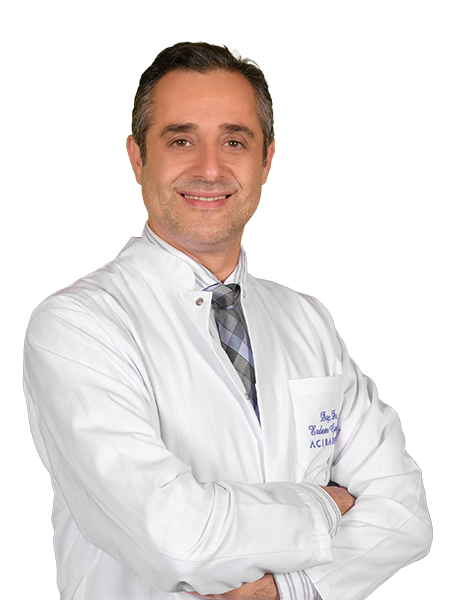
Assoc. Prof. Dr. Erdem Güven (m)
Aesthetic Plastic & Reconstructive Surgery
Prof. Dr. Şükrü Yazar
Aesthetic Plastic & Reconstructive Surgery
Prof. Dr. Hakan Ağır
Aesthetic Plastic & Reconstructive Surgery
Prof. Dr. Bülent Saçak
Aesthetic Plastic & Reconstructive Surgery