Bloating Treatment Over the Counter: Symptoms, Causes, and Treatment Options

Over-the-counter options for bloating include simethicone for gas, antacids for acid-related fullness, and gentle laxatives or fiber for constipation. Matching the product to the likely cause works better than trying several remedies at once. See a doctor if bloating is persistent, worsening, or accompanied by weight loss, severe pain, or changes in bowel habits.
Key Takeaways
- Over-the-counter options may help bloating caused by gas, constipation, indigestion, or temporary dietary triggers.
- No single bloating remedy works for everyone because bloating has many possible causes.
- Persistent, severe, or unexplained bloating should be assessed by a doctor, especially if it comes with pain, weight loss, vomiting, or changes in bowel habits.
- Simple measures such as eating slowly, limiting trigger foods, and staying active often improve mild bloating.
- People with frequent symptoms may need evaluation for digestive conditions such as irritable bowel syndrome, reflux, or food intolerance.
Trousers that fitted fine this morning feel tight by evening. Your stomach is full, tense, a little swollen — and you find yourself standing in a pharmacy aisle wondering which box to pick.
Over-the-counter remedies can ease mild gas, pressure and abdominal fullness when the symptoms are short-lived and clearly linked to digestion. The safest approach is to match the remedy to the likely cause, while also recognizing warning signs that need medical evaluation.
Overview: What helps bloating over the counter?
Bloating treatment over the counter may help when the abdomen feels full, tight, or swollen because of gas, constipation, indigestion, or a temporary food trigger. Depending on the situation, people may benefit from products aimed at gas relief, acid-related symptoms, constipation, or short-term digestive discomfort. The most suitable choice depends on what the bloating feels like, when it happens, and whether there are other symptoms such as heartburn, cramping, or changes in bowel movements.
Bloating is a symptom, not a diagnosis. Some people see visible swelling; others mainly feel pressure, fullness after eating, or a lot of gas. Since very different mechanisms can produce the same sensation, treatment works best when it follows the likely cause rather than trying one remedy after another.
Many episodes of bloating are not dangerous and improve with conservative steps such as eating more slowly, reducing carbonated drinks, and avoiding personal trigger foods. However, persistent or recurrent bloating can sometimes be linked to an underlying digestive condition, including irritable bowel syndrome or gastroesophageal reflux disease. A medical review is especially important if symptoms are new, worsening, or associated with concerning changes in general health.
How bloating feels and the symptoms that can come with it
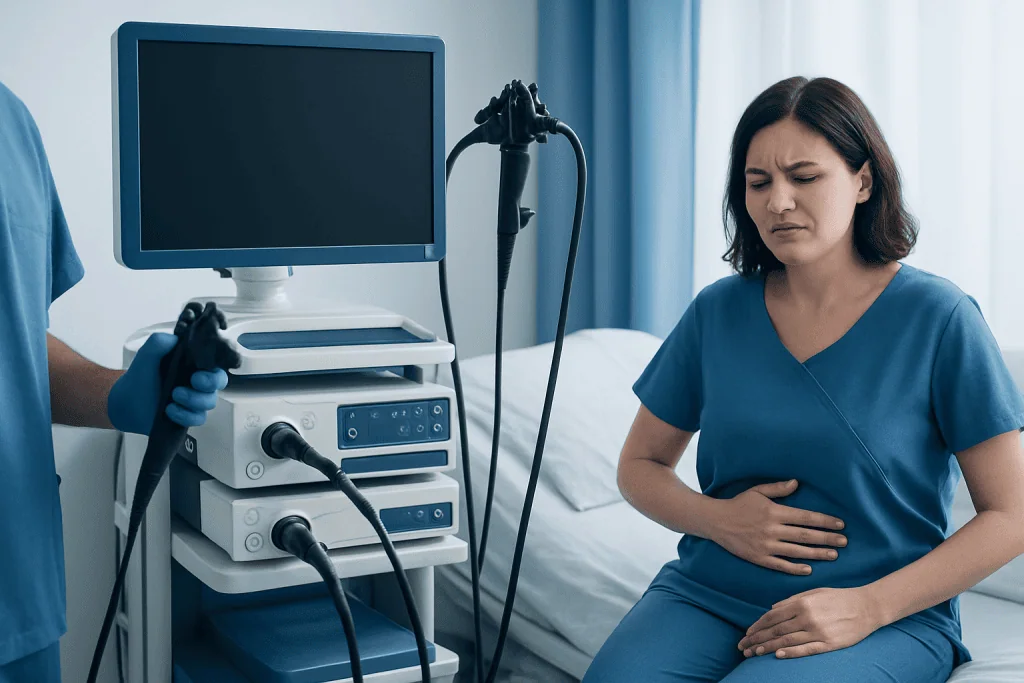
Bloating commonly feels like abdominal tightness, pressure, fullness, or a sensation that the stomach is stretched. Some people notice that their clothes feel tighter by the end of the day, while others mainly experience belching, flatulence, rumbling, or a heavy feeling after meals. The symptoms may be mild and occasional or more frequent and disruptive.
Associated symptoms can help point toward the cause. Gas-related bloating may come with belching or increased flatulence. Constipation-related bloating often includes infrequent stools, straining, or a sense of incomplete emptying. Indigestion may cause upper abdominal discomfort, early fullness, nausea, or heartburn. In some people, bloating is linked to bowel pattern changes, abdominal cramping, or food-related symptoms.
Timing tells you a lot too. Bloating that appears soon after eating may be related to swallowing air, large meals, fatty foods, or food intolerance. Symptoms that build through the day can be seen with gas retention or altered gut motility. Keeping a brief symptom diary, including meals and bowel habits, can help a clinician identify patterns and advise on the most appropriate next steps.
Common causes and risk factors

Common causes of bloating include excess intestinal gas, overeating, constipation, food intolerance, and temporary digestive upset. Eating quickly, chewing gum, drinking carbonated beverages, and talking while eating can increase swallowed air. Foods that are high in fat or difficult to digest for some people may delay stomach emptying or increase fermentation in the gut, leading to fullness and gas.
Digestive disorders are another possible cause. Bloating may occur with functional dyspepsia, IBS, acid reflux, or constipation-predominant bowel problems. Lactose intolerance and sensitivity to certain carbohydrates can also trigger symptoms. In some cases, recent antibiotics, stress, or changes in routine can affect bowel function and increase bloating.
Risk factors include low physical activity, dehydration, a low-fiber or suddenly high-fiber diet, some medications, and hormonal changes. Although bloating is often benign, persistent abdominal distension can occasionally be linked to more significant medical issues. That is why a symptom that is frequent, progressive, or unexplained should not be dismissed, especially in adults who have not had this pattern before.
Over-the-counter treatment options for bloating
Over-the-counter bloating relief is most effective when chosen for the likely source of the problem. For gas-related bloating, some people try products designed to break up gas bubbles or reduce gas formation after certain foods. If symptoms are more consistent with constipation, a short-term over-the-counter constipation remedy may be more helpful than a gas product. For bloating that comes with heartburn or sour regurgitation, nonprescription medicines used for acid-related symptoms may provide relief.
Follow the package instructions, and ask yourself whether your symptoms actually match what the product is for. For example, a person with abdominal fullness and infrequent bowel movements may need a different approach from someone whose main problem is upper abdominal burning after meals. People with chronic conditions, pregnancy, kidney disease, or those taking multiple medicines should check with a pharmacist or doctor before starting a new remedy.
Some people benefit from structured medical assessment if over-the-counter treatment is not enough or if symptoms recur frequently. Depending on the findings, a doctor may recommend further evaluation or targeted care, such as gastroenterology evaluation or endoscopy when upper digestive symptoms or alarm features are present.
- Gas-focused products may help belching, flatulence, or pressure after gas-producing meals.
- Constipation-focused products may help if bloating improves after bowel movements.
- Acid-related products may help when bloating occurs with heartburn, sour taste, or upper abdominal discomfort.
- Probiotics may help some individuals, but effects vary and they are not a universal solution.
How doctors diagnose persistent bloating
Diagnosis begins with a careful medical history. A doctor will usually ask when bloating started, whether it is related to meals, what bowel habits are like, and whether there are red-flag symptoms such as vomiting, weight loss, bleeding, fever, or night-time symptoms. This conversation often provides important clues and helps distinguish common functional causes from conditions that need prompt investigation.
A physical examination may assess abdominal tenderness, distension, bowel sounds, and signs of constipation or other illness. Depending on the symptom pattern, the clinician may suggest blood tests, stool tests, breath tests for intolerance or bacterial overgrowth, or imaging. In selected cases, procedures such as colonoscopy or upper endoscopy are used to examine the digestive tract more closely.
Testing is not about chasing every episode of mild bloating. It is about finding the people who have an underlying disorder that needs direct treatment. This may include reflux disease, inflammatory conditions, food intolerance, structural problems, or bowel disorders. A targeted, stepwise approach usually avoids unnecessary testing while still addressing important causes.
Self-care strategies that often improve bloating
Many people can reduce mild bloating with practical daily measures. Eating smaller meals, slowing down at mealtimes, and avoiding large late-evening meals may reduce post-meal fullness. Regular physical activity can support normal bowel movement and gas transit. Adequate fluid intake is also helpful, especially for people whose symptoms are linked to constipation.
What you eat matters, but there is no one bloating diet that suits everyone. Some people improve by limiting carbonated drinks, very fatty meals, or individual trigger foods. Others may need a more structured review of lactose, certain fermentable carbohydrates, or fiber intake. Try not to cut out lots of foods on your own. Very restrictive diets are hard to keep up and can leave gaps in your nutrition.
Stress management helps too, especially if your digestive discomfort keeps coming back. The gut and nervous system influence each other, and stress may worsen bloating, pain, and altered bowel habits. Simple measures such as regular sleep, movement, and mindful eating can support symptom control. If symptoms are ongoing, a doctor or dietitian can help create a balanced plan rather than relying only on repeated short-term remedies.
When to seek medical care
Medical care is recommended when bloating is severe, persistent, or keeps returning despite self-care and over-the-counter measures. A doctor should also assess symptoms that begin suddenly without a clear explanation, especially if they are affecting appetite, daily activity, or sleep. New bloating in older adults or anyone with a significant personal or family digestive history deserves closer attention.
Prompt evaluation is important if bloating occurs with intense abdominal pain, vomiting, fever, blood in the stool, black stools, unintentional weight loss, trouble swallowing, yellowing of the skin, or a marked change in bowel habits. These symptoms do not always mean a serious condition, but they should not be managed at home alone. Ongoing abdominal swelling that does not improve should also be discussed with a clinician.
For people who need specialist assessment, Acibadem International’s multidisciplinary specialists and JCI-accredited hospitals evaluate digestive symptoms for international patients and provide testing and treatment when appropriate, including digestive system assessment.
Frequently asked questions
What is the best bloating treatment over the counter?
There is no single best over-the-counter treatment for all bloating because the cause matters. Gas-related bloating, constipation-related bloating, and bloating with heartburn may each respond to different types of nonprescription products. If symptoms are frequent or unclear, a doctor or pharmacist can help guide a safer choice.
How can someone tell if bloating is caused by gas or constipation?
Gas-related bloating often comes with belching, flatulence, and pressure that may improve after passing gas. Constipation-related bloating is more likely when bowel movements are infrequent, hard to pass, or incomplete. Sometimes both can occur together, which is why symptom patterns over several days can be helpful.
When should bloating not be treated only at home?
Bloating should not be managed only at home if it is severe, persistent, progressively worsening, or linked to red-flag symptoms. These include vomiting, blood in the stool, black stools, fever, weight loss, severe pain, or major changes in bowel habits. In these situations, medical assessment is the safest next step.
Can certain foods cause repeated bloating?
Yes. Common triggers include carbonated drinks, very large meals, fatty foods, and foods that are poorly tolerated by the individual, such as lactose-containing products in people with lactose intolerance. Keeping a simple food and symptom diary may help identify patterns without making unnecessary restrictions.
Does stress make bloating worse?
It can. Stress may affect gut movement and sensitivity, making fullness, cramping, and altered bowel habits feel more noticeable. While stress is not the only cause, managing it can be an important part of symptom control for some people.
Is bloating a sign of irritable bowel syndrome?
Bloating can be one feature of irritable bowel syndrome, especially when it occurs with abdominal pain and changes in stool frequency or form. However, bloating alone does not confirm IBS because many other digestive issues can cause a similar sensation. A doctor can help determine whether IBS or another condition is more likely.
This article is for general information only and is not a substitute for professional medical advice. Please consult a qualified doctor about your individual situation.
Persistent digestive symptoms? Get evaluated in Turkey
7 JCI-accredited hospitals · board-certified surgeons · reply within 24h
Add us as a Preferred Source to see more of our trusted health content across Google Search, AI Overviews and Discover.

Medically reviewed by the Acıbadem International Medical Board — August 24, 2026
See our medical review board →
Update history
- PublishedAugust 2, 2026
- Medical review approvedAugust 24, 2026
- Last content updateAugust 24, 2026
References2
- Bloating - NHS — nhs.uk
- Abdominal Bloating - Cleveland Clinic — my.clevelandclinic.org
Gastroenterology
Diagnosis and treatment of the digestive system and liver, with advanced endoscopy.
43 specialists in this unitGastroenterology Specialists at Acibadem





Related Treatments
Related Conditions
More from the Health Library

A Positive Occult Blood Test Means Follow-Up, Not a Diagnosis

Most Colon Polyps Can Be Removed During a Colonoscopy

What Seed Probiotic Reviews Can and Cannot Tell You

Auto Brewery Syndrome: Symptoms, Causes, and Treatment Options

Pancreas Divisum Is Common and Usually Causes No Problems