

Body Contouring After Weight Loss: Which Procedures May Be Combined?

Body contouring can improve loose skin, contour irregularities, and comfort after major weight loss. Commonly combined procedures may include tummy tuck, arm lift, thigh lift, breast lift, and liposuction, depending on the person’s needs.
Key Takeaways
- Body contouring can improve loose skin, contour irregularities, and comfort after major weight loss.
- Commonly combined procedures may include tummy tuck, arm lift, thigh lift, breast lift, and liposuction, depending on the person’s needs.
- The best candidates are usually at a stable weight, in good health, and realistic about recovery and scarring.
- Combining procedures can reduce the number of operations, but it may also increase surgical time and recovery demands.
- A surgeon will plan the order of procedures based on safety, the amount of skin laxity, and the person’s overall goals.
Body contouring after weight loss helps remove excess skin and refine body shape when diet and exercise are no longer enough. In selected patients, several procedures may be combined in one surgical plan to reduce recovery time and address multiple areas efficiently.
Overview
Body contouring after weight loss refers to a group of surgical procedures designed to remove excess skin, reshape tissue, and improve body proportions after significant weight reduction. It is often considered after bariatric surgery or major lifestyle-related weight loss, when stretched skin does not fully tighten on its own.
Many people wonder whether multiple procedures can be done together. In some cases, yes. A surgeon may combine treatments to address several areas in one operation, such as the abdomen, arms, breasts, back, thighs, or buttocks. This approach is sometimes described as bariatric contouring or post-weight-loss body contouring.
The right plan is individualized. Some patients benefit from a single targeted procedure, while others do better with staged surgery performed over time. The decision depends on health status, the amount of excess skin, the areas affected, and how much surgery is safe to complete in one session.
Symptoms and Common Concerns After Weight Loss
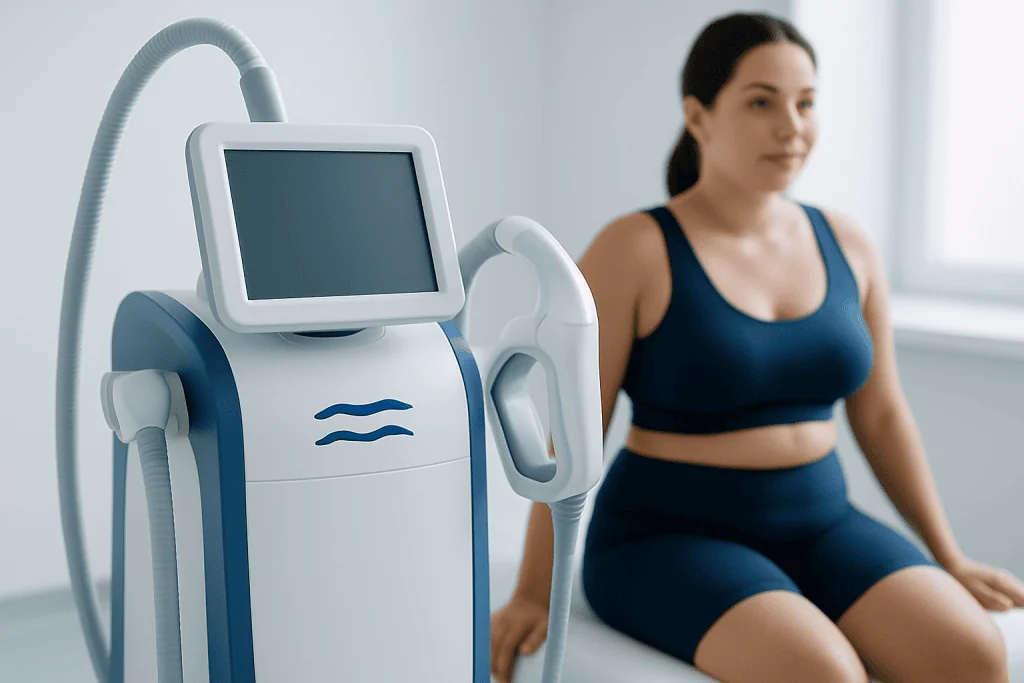
The main issue after major weight loss is usually loose, hanging skin. This may appear on the abdomen, upper arms, thighs, chest, back, or around the buttocks. Skin folds can also trap moisture and friction, which may contribute to irritation, rashes, or hygiene difficulties.
Some people also notice that their body shape looks uneven despite reaching a healthy weight. They may feel that clothing fits poorly, exercise feels uncomfortable, or body movement is restricted by excess tissue. In the breasts, skin laxity may lead to drooping, and in the arms or thighs, the loose skin may swing or rub during daily activity.
These concerns are not only cosmetic. For some patients, body contouring may help with physical comfort, clothing fit, and self-confidence. A specialist can explain which changes are likely to improve with surgery and which expectations should remain realistic.
Causes & Risk Factors

Post-weight-loss loose skin develops because the skin has been stretched for a long time and may not fully contract after the body volume decreases. The degree of skin laxity is influenced by age, genetics, the total amount of weight lost, how long the excess weight was present, and whether the person smoked or had other factors affecting skin elasticity.
Not everyone is an ideal candidate for combined surgery. Risk factors that may make surgery more complex include uncontrolled diabetes, heart or lung disease, anemia, clotting problems, poor nutrition, or ongoing smoking. A history of repeated weight changes can also affect the skin and tissues.
Surgeons also consider whether the person has reached a stable weight. If weight is still changing, the results of surgery may be less predictable, and additional loose skin may develop later. For this reason, weight stabilization is often an important part of planning.
Diagnosis and Surgical Planning
There is no single test for body contouring after weight loss. Planning begins with a detailed consultation, medical history, physical examination, and discussion of goals. The surgeon assesses skin quality, fat distribution, scar patterns, posture, and whether there are hernias or muscle separation in the abdominal wall.
Imaging or lab tests may be used when needed to assess general health and surgical readiness. The surgeon may also review past weight-loss treatments, current medications, smoking status, and any history of blood clots or wound-healing issues. If the person is coming after bariatric surgery, the surgical team may want to confirm that nutrition levels are adequate.
During planning, the surgeon decides whether procedures should be combined or staged. For example, an abdominal procedure may be paired with an arm lift or breast lift in appropriate candidates, while more extensive plans may be split into separate stages to reduce operative strain and support safer recovery.
Treatment Options: Which Procedures May Be Combined?
Combined body contouring is tailored to the person’s anatomy and goals. Common combinations may include abdominal contouring with liposuction, breast reshaping with an arm lift, or lower-body procedures that address the thighs and buttocks together. The purpose is to improve harmony across multiple areas rather than changing one isolated region.
Typical procedures may involve skin removal, tightening of deeper tissues, and selective fat reduction. In some patients, a tummy tuck is combined with liposuction to refine the waistline. Others may choose breast reshaping with an aesthetic breast surgery procedure, or body shaping that includes back, arm, and flank correction. The final combination depends on what can be done safely in one operation.
Not every procedure should be combined. Very long surgeries can increase anesthesia time, fluid shifts, blood loss, and the risk of wound problems or blood clots. For this reason, surgeons often balance efficiency with safety, and they may recommend staging if several large areas need treatment. The goal is a plan that is both effective and medically appropriate.
In some cases, body contouring may also involve procedures such as buttock lift, thigh lift-type lower-body shaping when available, or targeted liposuction to smooth the transition between treated areas. When carefully selected, these combinations can reduce the number of recovery periods and create a more balanced overall result.
Recovery, Scars, and Expected Results
Recovery varies depending on how many procedures are performed together and how extensive they are. More combined procedures usually mean a longer operation and a more involved early recovery. Swelling, bruising, discomfort, and temporary limits on movement are common and generally improve gradually with time.
Scars are an expected part of body contouring surgery. Surgeons place incisions where they can often be hidden under clothing, but scar appearance depends on healing, skin type, and the exact operation performed. Over time, scars usually become less noticeable, although they do not disappear completely.
Results become more visible as swelling settles. The best outcomes are often seen when the person follows aftercare instructions, keeps follow-up appointments, and maintains a stable weight. A balanced diet, hydration, and appropriate activity also support healing and help preserve the result.
Prevention & Self-care
People cannot prevent loose skin completely after major weight loss, but they can support their overall health before and after surgery. A stable weight, adequate protein intake, good hydration, and avoidance of smoking can all help the body heal more effectively. Managing chronic conditions such as diabetes and high blood pressure is also important.
After surgery, self-care typically includes wearing compression garments if prescribed, walking as advised to support circulation, protecting incisions, and avoiding heavy lifting until the surgeon says it is safe. Patients should follow wound-care instructions carefully and keep the area clean and dry.
It is also helpful to prepare for recovery in advance. Practical planning may include arranging help at home, setting up comfortable resting areas, and allowing enough time away from work or strenuous activity. Patients should ask their surgical team when to resume exercise, driving, and normal routines.
When to See a Doctor
A consultation is appropriate when excess skin causes discomfort, hygiene challenges, recurrent irritation, or emotional distress after weight loss. It is also a good time to speak with a surgeon if the person wants to understand whether several procedures can be safely combined.
Medical review is especially important if there is ongoing weight loss, smoking, anemia, uncontrolled medical illness, or a history of poor wound healing. These issues do not always rule out surgery, but they may change the timing or the type of procedure recommended.
After surgery, the patient should contact the care team if healing does not seem to progress as expected or if there are concerns about the incision, swelling, or overall recovery. In international care settings, Acibadem International’s multidisciplinary specialists and JCI-accredited hospitals evaluate and treat body contouring needs for international patients in a coordinated, patient-centered way.
Frequently asked questions
What is body contouring after weight loss?
It is a set of surgical procedures used to remove loose skin and reshape body areas after major weight loss. The aim is to improve comfort, contour, and proportional balance rather than to create a different body type.
Can more than one body contouring procedure be done at the same time?
Yes, in selected patients, several procedures can be combined during one operation. The surgeon weighs the benefits of a single recovery against the added demands of a longer surgery.
Which procedures are most commonly combined?
Common combinations may include abdominal contouring with liposuction, breast reshaping with an arm lift, or lower-body contouring across more than one area. The exact plan depends on where excess skin is most significant and what is safe for the patient.
Who is a good candidate for combined surgery?
Good candidates are usually at a stable weight, in generally good health, and able to follow recovery instructions. A surgeon also looks at nutrition, smoking status, and any medical conditions that could affect healing.
How long is recovery after combined body contouring?
Recovery depends on how many areas are treated and how extensive the surgery is. Early healing often takes several weeks, while swelling and scar maturation can continue for months.
Will body contouring remove all scars?
No surgical procedure can remove scars completely. Surgeons try to place incisions strategically so scars are as discreet as possible, and scars often become less visible over time.
References
- American Society of Plastic Surgeons
- International Society of Aesthetic Plastic Surgery
- Mayo Clinic
- National Health Service (NHS)
This article is for general information only and is not a substitute for professional medical advice. Please consult a qualified doctor about your individual situation.
Body Contouring in Turkey — costs, top hospitals & a free quote
JCI-accredited · board-certified surgeons · reply within 24h
Add us as a Preferred Source to see more of our trusted health content across Google Search, AI Overviews and Discover.

Plastic, Reconstructive & Aesthetic Surgery
Reconstructive and aesthetic procedures for the face and body, performed by experienced surgeons.
35 specialists in this unitRelated Treatments
Related Conditions
More from the Health Library



Related Specialists

Prof. Dr. Şükrü Yazar
Aesthetic Plastic & Reconstructive Surgery
Assoc. Prof. Dr. Erdem Güven (m)
Aesthetic Plastic & Reconstructive Surgery
Prof. Dr. Hakan Ağır
Aesthetic Plastic & Reconstructive Surgery
Prof. Dr. Bülent Saçak
Aesthetic Plastic & Reconstructive Surgery