

Brazilian Tummy Tuck: What to Expect Before, During, and After Surgery

A Brazilian tummy tuck usually combines a tummy tuck with liposuction for more detailed contouring. It can help improve excess skin, separated abdominal muscles, and stubborn fat around the midsection.
Key Takeaways
- A Brazilian tummy tuck usually combines a tummy tuck with liposuction for more detailed contouring.
- It can help improve excess skin, separated abdominal muscles, and stubborn fat around the midsection.
- Good candidates are generally in stable health and close to their goal weight.
- Recovery involves swelling, activity limits, and follow-up visits to support healing.
- Results are meant to look natural and improve body shape, not replace healthy habits.
A Brazilian tummy tuck is a body-contouring procedure that combines abdominoplasty with targeted liposuction to refine the waist and abdomen. It is designed for people who want a smoother silhouette and understand that recovery takes time and careful aftercare.
Overview
A Brazilian tummy tuck is a cosmetic body-contouring procedure that combines a traditional tummy tuck with liposuction. The goal is to create a smoother, more defined abdominal profile by removing excess skin, tightening the abdominal area when appropriate, and refining surrounding contours.
People often consider this procedure after pregnancy, major weight loss, or age-related changes that leave loose skin or a less defined waistline. In many cases, the procedure is discussed alongside other contouring options such as body contouring or liposuction, depending on the person’s anatomy and goals.
Although the name may suggest a single standardized operation, the details can vary. A surgeon may tailor the amount of skin removal, the extent of muscle repair, and the liposuction areas to match the patient’s needs and safety considerations.
Symptoms and Concerns That Lead People to Consider Surgery
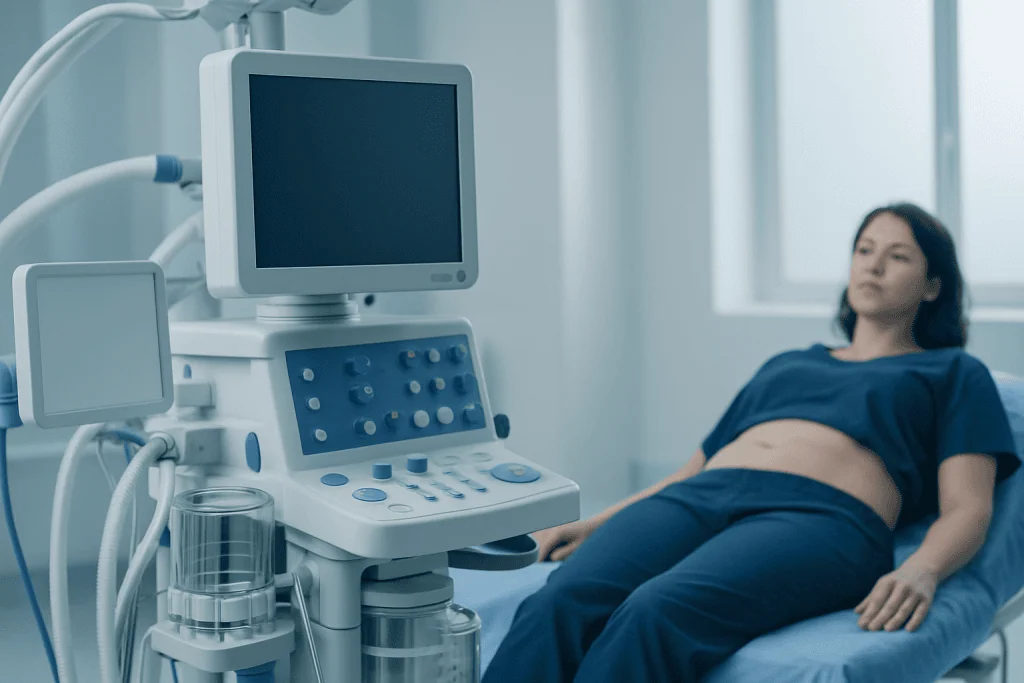
A Brazilian tummy tuck is not performed for a medical emergency. Instead, people usually seek it because they are bothered by the appearance or feel of the abdomen. Common concerns include loose skin, a lower abdominal fold, stretch marks in the lower belly, or a waistline that does not respond well to diet and exercise.
Some people also notice that the abdominal wall feels separated or weak after pregnancy or weight changes. This can contribute to a rounded appearance in the midsection, even when body weight is stable. A tummy tuck may address this by tightening the deeper abdominal layer when the surgeon believes it is appropriate.
Emotional concerns are also common. Many patients feel their body shape no longer reflects how they feel physically or how they want clothing to fit. A consultation helps determine whether surgery is likely to address those concerns in a realistic way.
Causes and Risk Factors

The reasons people seek a Brazilian tummy tuck are usually related to changes in skin elasticity, fat distribution, and abdominal wall support. Pregnancy can stretch the skin and muscles, and major weight loss can leave behind loose tissue that will not fully shrink on its own. Aging may also reduce skin firmness over time.
Several factors can influence whether surgery is appropriate and how healing may go. These include overall health, smoking status, previous abdominal surgeries, medical conditions that affect wound healing, and whether the person expects to remain at a stable weight after surgery.
- Pregnancy-related stretching of the abdomen
- Large weight loss or weight fluctuations
- Reduced skin elasticity with aging
- Prior abdominal surgery or scarring
- Smoking or conditions that can slow healing
A careful surgeon reviews these factors because the best outcomes depend not only on the operation itself, but also on patient selection and preparation.
Diagnosis and Preoperative Evaluation
There is no medical test that “diagnoses” a need for a Brazilian tummy tuck. Instead, the process begins with a consultation, where a plastic surgeon examines the abdomen, discusses concerns, and reviews the person’s medical history. This helps determine whether the procedure is likely to be safe and useful.
The surgeon may ask about prior pregnancies, weight changes, previous operations, medications, allergies, and any history of blood clotting problems. A physical examination usually includes evaluation of skin laxity, fat distribution, and abdominal muscle separation. If needed, additional tests may be ordered based on overall health.
Preoperative planning is also the time to discuss expectations. Patients are encouraged to understand what surgery can improve, what it cannot fully change, and how long it may take for swelling to settle and results to become visible.
Treatment Options and What Happens During Surgery
The exact surgical plan depends on each person’s anatomy. In a Brazilian tummy tuck, the surgeon typically removes excess skin from the lower abdomen, tightens the abdominal wall when indicated, and uses liposuction to contour nearby areas such as the waist or flanks. Some patients may benefit from a limited approach, while others need a more extensive procedure.
For people considering a fuller body-shaping approach, a surgeon may also discuss related procedures such as bariatric contouring or buttock lift if the overall goal is comprehensive contour improvement after major weight loss. The right plan is individualized rather than standardized.
Surgery is usually performed under anesthesia in an operating room. The surgeon makes carefully placed incisions, removes and repositions tissue as planned, and closes the incisions in layers. A compression garment is often used afterward to support the tissues and help reduce swelling.
Recovery, Healing, and Expected Results
Recovery after a Brazilian tummy tuck is gradual. In the early period, swelling, bruising, and a feeling of tightness are common. Patients are usually encouraged to walk gently soon after surgery to support circulation, while avoiding strenuous exercise, heavy lifting, or movements that strain the abdominal area.
Follow-up visits are an important part of recovery. The surgeon checks incision healing, monitors swelling, and gives guidance on when to resume daily tasks, work, driving, and exercise. Because healing varies, the timeline is individualized rather than the same for everyone.
Results often become easier to appreciate as swelling improves over weeks to months. The abdomen may look smoother, flatter, and better proportioned, but final refinement can take time. Scars are expected after surgery; over time, they usually fade but do not disappear entirely.
Prevention and Self-care
Good preparation can support a smoother recovery. Patients are often advised to stop smoking before surgery, maintain a stable weight, eat balanced meals, and follow all preoperative instructions carefully. These steps can help the body heal and may reduce avoidable complications.
After surgery, self-care usually includes wearing the compression garment as directed, caring for incisions, avoiding strain, staying hydrated, and attending all follow-up appointments. It is also important to rest, but not remain immobile for long periods, because gentle movement is typically encouraged.
Long-term maintenance matters as well. A healthy lifestyle with regular activity, reasonable nutrition, and stable weight can help preserve the surgical result. Aesthetic procedures do not stop natural aging or future body changes, so ongoing self-care is part of lasting satisfaction.
When to See a Doctor
Anyone considering a Brazilian tummy tuck should first speak with a qualified plastic surgeon to review goals, medical history, and suitability for surgery. This is especially important for people with diabetes, bleeding concerns, a history of poor wound healing, or plans for future pregnancy or major weight change.
After surgery, patients should contact their care team if they notice symptoms that seem outside the expected recovery pattern, such as increasing pain instead of gradual improvement, drainage that changes significantly, fever, or concerns about incision healing. Prompt communication helps the surgical team guide the next steps.
For international patients, Acibadem International’s multidisciplinary specialists and JCI-accredited hospitals diagnose and treat body-contouring needs with coordinated care. A consultation can help determine whether a Brazilian tummy tuck is appropriate and how to plan safely for surgery and recovery.
Why Expectations Matter
A Brazilian tummy tuck can be very effective for reshaping the abdomen, but it works best when expectations are realistic. It is intended to improve contour, not create perfection or replace weight management, fitness, or healthy routines. Understanding the likely benefits and limitations helps patients make confident decisions.
Many people find it useful to discuss photographs, body goals, scar placement, and recovery logistics before committing to surgery. Clear communication with the surgeon helps align the procedure with the patient’s priorities and reduces uncertainty.
When chosen for the right reasons and planned carefully, the procedure can support both physical comfort and self-image. The key is a thoughtful consultation, safe surgery, and steady recovery.
Frequently asked questions
What is the difference between a Brazilian tummy tuck and a standard tummy tuck?
A Brazilian tummy tuck usually combines tummy tuck surgery with liposuction to refine the waist and surrounding contours. A standard tummy tuck may focus more on removing excess skin and tightening the abdomen, depending on the plan. The best choice depends on the patient’s anatomy and goals.
Who is a good candidate for this procedure?
Good candidates are generally adults in good overall health who have loose abdominal skin, stubborn contour concerns, or abdominal wall laxity. They should also be near a stable, healthy weight and have realistic expectations about results and scars. A surgeon will confirm whether surgery is appropriate after a full evaluation.
How long does recovery usually take?
Recovery happens in stages, and the pace varies from person to person. Many people need several weeks before returning to full activity, while swelling and tissue settling continue for longer. The surgeon’s instructions are the best guide for activity and exercise timing.
Will the results last?
Results can last for many years if weight remains stable and a healthy lifestyle is maintained. However, pregnancy, major weight gain, and the natural aging process can change body shape over time. Surgery improves contour, but it does not stop future changes completely.
Are the scars permanent?
Yes, scars are a normal part of surgery and will remain permanently, although they usually fade and soften over time. Surgeons try to place incisions where they can be hidden by underwear or swimwear when possible. Good wound care and following aftercare instructions can support the best healing possible.
Can this surgery be combined with other procedures?
Sometimes it can, depending on safety and the patient’s goals. Some people discuss combining abdominal contouring with other body procedures, but the surgeon must decide what is appropriate in one operation. Safety, anesthesia time, and recovery needs all matter when planning combined surgery.
References
- American Society of Plastic Surgeons
- International Society of Aesthetic Plastic Surgery
- Mayo Clinic
- NHS
This article is for general information only and is not a substitute for professional medical advice. Please consult a qualified doctor about your individual situation.
Brazilian Tummy Tuck in Turkey — costs, top hospitals & a free quote
JCI-accredited · board-certified surgeons · reply within 24h
Add us as a Preferred Source to see more of our trusted health content across Google Search, AI Overviews and Discover.

Plastic, Reconstructive & Aesthetic Surgery
Reconstructive and aesthetic procedures for the face and body, performed by experienced surgeons.
35 specialists in this unitRelated Treatments
Related Conditions
More from the Health Library



Related Specialists

Prof. Dr. Şükrü Yazar
Aesthetic Plastic & Reconstructive Surgery
Assoc. Prof. Dr. Erdem Güven (m)
Aesthetic Plastic & Reconstructive Surgery
Prof. Dr. Hakan Ağır
Aesthetic Plastic & Reconstructive Surgery
Prof. Dr. Bülent Saçak
Aesthetic Plastic & Reconstructive Surgery