

Breast Augmentation Recovery: Week-by-Week Healing Guide

Most people can move around gently within a day or two, but full recovery takes several weeks. Swelling, tightness, bruising, and temporary changes in breast sensation are common early in healing.
Key Takeaways
- Most people can move around gently within a day or two, but full recovery takes several weeks.
- Swelling, tightness, bruising, and temporary changes in breast sensation are common early in healing.
- Following the surgeon’s instructions about activity, garments, wound care, and medicines is important for recovery.
- Final breast shape and implant position usually take weeks to months to settle.
- Increasing pain, fever, worsening redness, or sudden swelling should be assessed by a doctor promptly.
Breast augmentation recovery happens in stages, with the first few days focused on rest and pain control, followed by a gradual return to normal activity over several weeks. Knowing what to expect week by week can help patients heal more comfortably and recognize when they should contact their surgeon.
Overview of Breast Augmentation Recovery
Breast augmentation recovery is different for each person, but most follow a similar healing pattern. In the first days after surgery, the body responds with swelling, soreness, tightness, and fatigue. These symptoms usually improve step by step, especially when patients rest, stay hydrated, and carefully follow their surgeon’s aftercare instructions.
The exact recovery experience depends on several factors, including implant size, implant placement, incision type, whether the implant is above or below the chest muscle, and the person’s general health. Some people feel ready for light daily activities within a few days, while others need more time before they feel comfortable moving normally.
It is also important to remember that “feeling better” and “fully healed” are not the same. Early discomfort often improves within 1 to 2 weeks, but tissues continue to heal for months. During that time, the breasts may gradually soften, swelling may continue to settle, and the implants may move into a more natural position.
People considering or preparing for breast augmentation surgery often find it helpful to understand the full recovery timeline in advance. This can make healing feel more predictable and reduce unnecessary worry during the normal ups and downs of the process.
What to Expect in the First 24 to 72 Hours
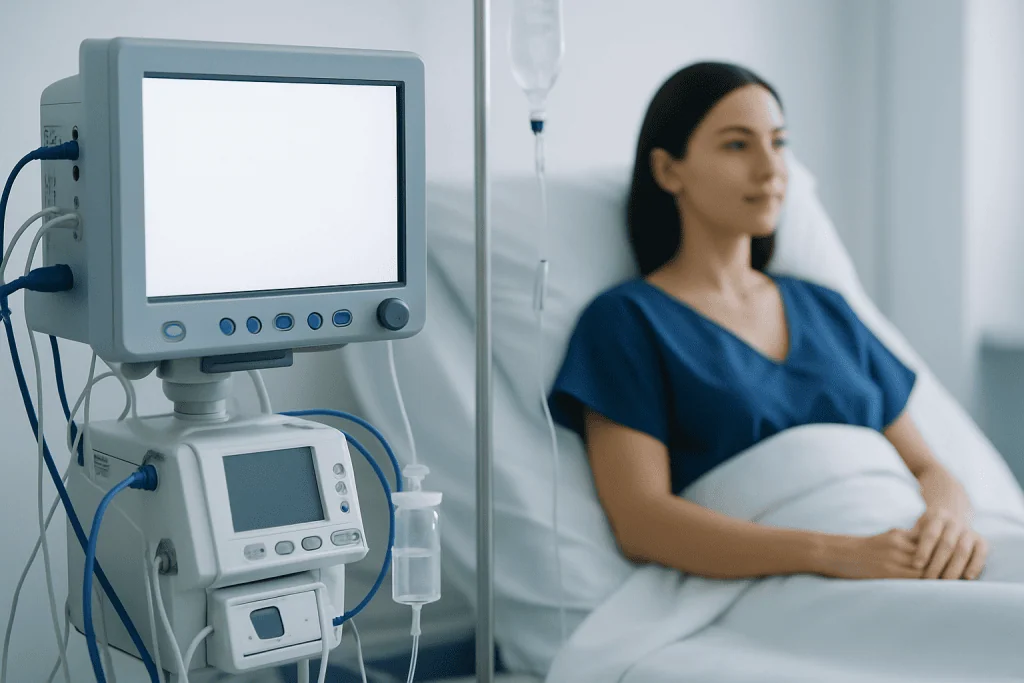
The first 24 to 72 hours are usually the most uncomfortable part of breast augmentation recovery. Patients commonly notice chest tightness, pressure, soreness, and tiredness after anesthesia. Bruising and swelling are also common, and the breasts may look higher, firmer, or more swollen than expected at this stage.
Doctors usually encourage light walking soon after surgery because gentle movement can support circulation and reduce the risk of some complications. At the same time, patients are generally advised to avoid lifting, pushing, pulling, and raising the arms too high. Rest is important, but complete bed rest is usually not recommended unless a surgeon advises otherwise.
Many people wear a surgical bra or support garment during this period. This helps support the breasts and may reduce strain on healing tissues. Sleeping on the back with the upper body slightly elevated is often recommended to help with comfort and swelling.
During these first days, it is normal to need help at home. Useful early recovery measures may include:
- Taking prescribed or recommended pain medicines as directed
- Keeping follow-up appointments
- Staying well hydrated and eating light, balanced meals
- Avoiding smoking and nicotine products
- Monitoring the incisions for unusual drainage, spreading redness, or increasing swelling
Week-by-Week Healing Timeline
Week 1: During the first week, soreness and pressure usually begin to improve, though patients may still feel tired and limited in their movements. Swelling often remains noticeable, and the breasts may still sit high on the chest. Many people can return to light non-strenuous tasks within several days, depending on how they feel and the type of work they do.
Week 2: Bruising often starts to fade, and pain typically decreases further. Some patients begin to feel more like themselves and may return to desk-based work if their surgeon agrees. However, it is still important to avoid intense exercise, heavy lifting, and upper-body strain. Temporary numbness, tingling, or sensitivity in the breasts or nipples can occur and is often part of normal nerve recovery.
Weeks 3 to 4: Many patients notice a clear improvement in comfort during this stage. Swelling continues to go down, though it may not be gone completely. The breasts may begin to look more natural, but they can still feel firm or slightly uneven as healing continues. Light exercise such as walking may increase gradually, while more demanding activity should only resume with medical guidance.
Weeks 5 to 6 and beyond: By this point, many people can slowly return to more regular activity if healing is going well. Still, final results are not immediate. The implants often continue to settle over the following months, and scars usually mature gradually over a much longer period. If breast surgery is combined with procedures such as a breast lift or if a patient later needs breast implant removal, recovery instructions may differ somewhat.
Common Symptoms During Recovery
Several symptoms are considered common after breast augmentation. These include swelling, bruising, tightness across the chest, soreness with movement, temporary firmness, and mild asymmetry while the breasts heal. It is also common for one side to settle a bit faster than the other. This can be concerning at first, but early asymmetry is often temporary.
Changes in sensation are also possible. Some patients notice numbness, tingling, oversensitivity, or reduced nipple sensation. These changes may improve gradually as nerves recover, although sensation can take time to return and, in some cases, may not be exactly the same as before surgery.
Scars are another normal part of healing. Incisions often look more visible at first and then slowly fade over time. People who are prone to thicker or raised scars should mention this to their surgeon, especially if they have a history of keloid scars or prominent scar formation after other procedures.
It is also normal to feel emotionally up and down during recovery. Temporary disappointment, impatience, or concern about swelling and breast shape can happen before the final result appears. Having realistic expectations and understanding that healing takes time can make the process easier.
Recovery Tips: Activity, Wound Care, and Self-Care
Good aftercare supports healing and comfort. Patients should follow their surgeon’s instructions closely, since recovery recommendations can vary based on the surgical technique used. In general, gentle movement is helpful, but overexertion too soon can increase swelling, discomfort, and the risk of complications.
Incision care should be done exactly as advised. Patients are often told to keep the area clean and dry, avoid applying products that were not recommended, and watch for changes such as unusual discharge or increasing redness. Support bras or compression garments should be worn for as long as instructed, as they may help stabilize the healing tissues.
Self-care during breast augmentation recovery often includes:
- Sleeping on the back and avoiding stomach sleeping early on
- Not lifting heavy objects until cleared by the surgeon
- Avoiding smoking, vaping, and nicotine exposure
- Eating protein-rich, balanced meals and drinking enough fluids
- Waiting for medical clearance before driving, exercising, or returning to full activity
Patients should also ask before resuming chest workouts, swimming, or sexual activity, since these can place stress on the healing area. For people who undergo related procedures such as breast reconstruction, self-care plans may be more individualized depending on the extent of surgery.
Possible Complications and Warning Signs
Most breast augmentation recoveries are uncomplicated, but all surgery carries some risk. Warning signs can include fever, worsening redness, increasing pain instead of steady improvement, sudden swelling on one side, bleeding, shortness of breath, or drainage with a bad odor. These symptoms should be discussed with a doctor promptly.
Some complications may appear early, while others can develop later. Early concerns can include infection, fluid collection, delayed wound healing, or bleeding. Later issues may include scar-related changes, implant shifting, or the formation of firm scar tissue around an implant, sometimes called capsular contracture.
Patients should not try to diagnose these issues on their own. A breast that looks slightly high or feels firm soon after surgery may simply be healing normally. On the other hand, a sudden change deserves proper assessment. Timely medical review can help identify whether a symptom is expected or whether treatment is needed.
Although breast augmentation is different from surgery for conditions such as gynecomastia, the same principle applies: safe recovery depends on close follow-up, realistic expectations, and early communication about any unexpected symptoms.
Long-Term Healing and Scar Maturation
Even after the first 6 weeks, the healing process is still continuing under the skin. Swelling may improve slowly, implants may soften and settle, and the breast shape may become more natural over time. Many surgeons describe this gradual change as part of the normal “settling” process.
Scar maturation also takes time. Fresh scars may look pink, firm, or slightly raised before they begin to flatten and fade. Sun protection is often advised because ultraviolet exposure can make scars darker and more noticeable. If a surgeon recommends scar care products or silicone-based therapy, they should be used consistently and only after the incisions are sufficiently healed.
Long-term follow-up is important, especially for people with implants. Patients should know what kind of implant they have and ask their surgeon about future monitoring. Any new breast changes, firmness, discomfort, or concerns about implant integrity should be reviewed medically rather than ignored.
For international patients seeking specialist care, Acibadem International’s multidisciplinary teams in JCI-accredited hospitals diagnose and treat aesthetic breast concerns and guide patients through recovery planning and follow-up.
When to Contact the Surgeon or Seek Medical Care
Patients should contact their surgeon if they are unsure whether a symptom is normal. It is always reasonable to ask about persistent pain, one-sided swelling, medication side effects, or changes in the incision area. Reassurance and early advice can prevent small concerns from becoming bigger problems.
Urgent medical attention may be needed for chest pain, breathing difficulty, fainting, severe bleeding, or sudden marked swelling. These symptoms are not typical parts of routine healing and should not be dismissed. If a patient cannot reach their surgical team, they should seek emergency care.
Follow-up visits are an important part of safe recovery. At these appointments, the surgeon checks healing, answers questions, and advises when normal activities can resume. Patients should bring up concerns about scar appearance, breast symmetry, implant feel, or sensation changes rather than waiting for the next stage of recovery.
With good aftercare and regular medical follow-up, most people progress steadily through breast augmentation recovery. Healing takes patience, but understanding the usual timeline can help patients feel more prepared and confident as their results develop.
Frequently asked questions
How long does breast augmentation recovery usually take?
Most people feel significantly better within 1 to 2 weeks, but full recovery takes longer. Many normal activities resume gradually over about 6 weeks, while final breast settling and scar changes can continue for several months.
When can someone return to work after breast augmentation?
This depends on the type of work and the individual recovery. Some people return to desk-based jobs within a few days to a week, while physically demanding work usually requires more time and medical clearance.
Is swelling normal after breast augmentation?
Yes, swelling is a normal part of healing after breast augmentation. It is often most noticeable in the first days and then gradually improves, although mild swelling can persist for weeks.
When can exercise start again after breast augmentation?
Light walking is often encouraged early, but strenuous exercise should wait until the surgeon says it is safe. Activities that strain the chest, shoulders, or arms usually need to be postponed longer than lower-intensity movement.
Why do the breasts look high or feel firm at first?
This is commonly due to swelling, tissue tightness, and the early position of the implants after surgery. Over time, as tissues relax and healing continues, the breasts often soften and settle into a more natural position.
What symptoms after breast augmentation should not be ignored?
Symptoms such as fever, worsening redness, sudden one-sided swelling, increasing pain, shortness of breath, or unusual drainage should be assessed promptly. While many post-surgery changes are normal, these signs may suggest a complication.
References
- American Society of Plastic Surgeons
- U.S. Food and Drug Administration
- National Health Service
- Mayo Clinic
This article is for general information only and is not a substitute for professional medical advice. Please consult a qualified doctor about your individual situation.
Breast Augmentation in Turkey — costs, top hospitals & a free quote
JCI-accredited · board-certified surgeons · reply within 24h
Add us as a Preferred Source to see more of our trusted health content across Google Search, AI Overviews and Discover.

Plastic, Reconstructive & Aesthetic Surgery
Reconstructive and aesthetic procedures for the face and body, performed by experienced surgeons.
35 specialists in this unitRelated Treatments
Related Conditions
More from the Health Library



Related Specialists

Assoc. Prof. Dr. Erdem Güven (m)
Aesthetic Plastic & Reconstructive Surgery
Prof. Dr. Şükrü Yazar
Aesthetic Plastic & Reconstructive Surgery
Prof. Dr. Hakan Ağır
Aesthetic Plastic & Reconstructive Surgery
Prof. Dr. Bülent Saçak
Aesthetic Plastic & Reconstructive Surgery