

Breast Reconstruction After Mastectomy: What Happens Step by Step?
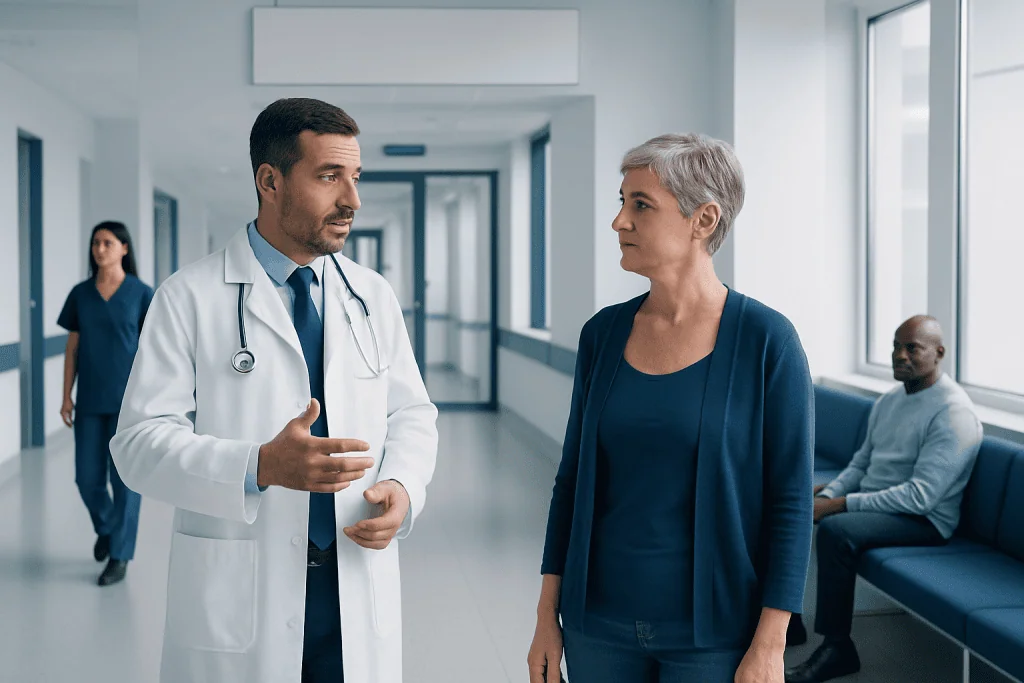
Breast reconstruction can be immediate, delayed, or staged, depending on cancer treatment and personal goals. Main reconstruction options include implants and flap procedures using the body’s own tissue.
Key Takeaways
- Breast reconstruction can be immediate, delayed, or staged, depending on cancer treatment and personal goals.
- Main reconstruction options include implants and flap procedures using the body’s own tissue.
- The process often involves more than one operation, including possible tissue expansion, symmetry procedures, and nipple reconstruction.
- Recovery varies by technique, overall health, and whether radiation or chemotherapy is part of treatment.
- Careful discussion with breast and plastic surgeons helps match the plan to safety, comfort, and expectations.
Breast reconstruction after mastectomy is a personalized process that can begin at the time of breast removal or later. Understanding the step-by-step journey can help patients prepare for decisions about timing, techniques, recovery, and expected results.
Overview: what breast reconstruction after mastectomy involves
Breast reconstruction after mastectomy is surgery to recreate the shape of a breast after breast tissue has been removed. For some people, reconstruction is done at the same time as mastectomy, called immediate reconstruction. For others, it is performed later, called delayed reconstruction. A delayed-immediate approach may also be used, especially when cancer treatment decisions are still being finalized.
The aim is not to restore the original breast exactly, but to rebuild contour, balance, and body symmetry in a way that feels right for the patient. Reconstruction may involve implants, tissue taken from another part of the body, or a combination of both. The choice depends on medical factors, cancer treatment plans, body shape, lifestyle, and personal preferences.
This process is usually planned by a team that may include a breast surgeon, plastic and reconstructive surgeon, oncologist, radiologist, pathologist, anesthesiologist, and specialist nurses. Patients may also discuss whether they want one breast reconstructed or whether they are considering balancing procedures on the other breast for symmetry. In some cases, patients exploring broader aesthetic breast surgery options may also discuss shape and symmetry goals as part of recovery.
Step 1: planning before surgery
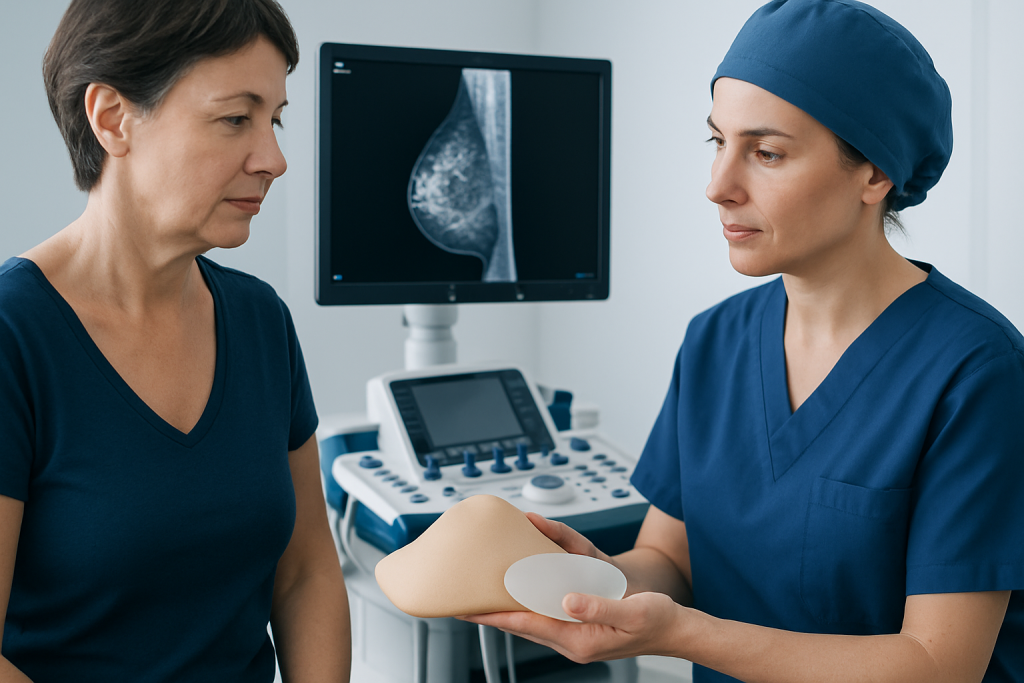
The first step is a detailed consultation. The surgical team reviews the diagnosis, cancer stage, imaging, planned mastectomy type, and whether radiation therapy or chemotherapy is expected. These details matter because some reconstruction methods are better suited to certain treatment plans. Radiation, for example, can affect skin quality and healing, which may influence the timing or type of reconstruction.
During planning, the surgeon also evaluates the patient’s health, smoking status, body weight, previous operations, and available donor tissue if a flap procedure is being considered. Photos and measurements may be taken. The discussion usually includes likely scars, sensation changes, recovery time, possible need for drains, and the chance that more than one procedure will be needed.
Patients are encouraged to share their priorities openly. Some want the shortest operation and recovery, while others prefer a more natural feel using their own tissue. Some want nipple reconstruction later, and others do not. Looking at examples and understanding the differences between reconstruction and cosmetic procedures such as breast aesthetics can help set realistic expectations about shape, feel, and symmetry.
Step 2: choosing the reconstruction method
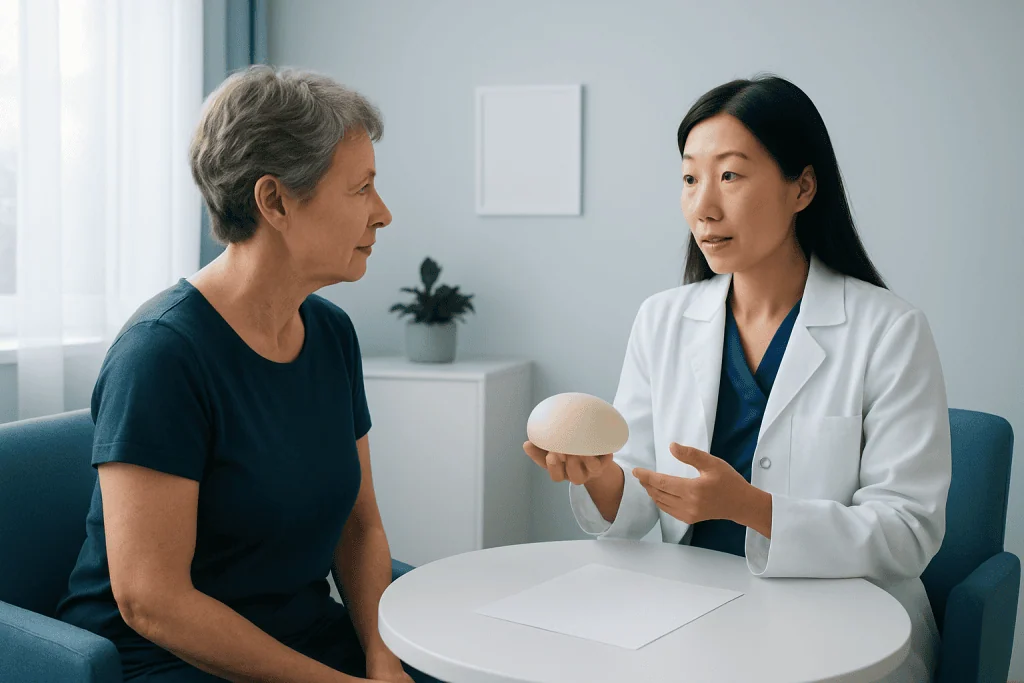
There are two main approaches to breast reconstruction: implant-based reconstruction and autologous, or flap, reconstruction. Implant-based reconstruction uses a saline or silicone implant to create breast volume. Flap reconstruction uses tissue taken from another area of the body, such as the abdomen, back, thigh, or buttock, to form a new breast mound. In some cases, a combination of flap tissue and an implant is used.
Implant reconstruction is often a shorter operation than flap surgery and does not require tissue transfer from another body area. It may be done in one stage or in two stages. In a two-stage approach, a temporary tissue expander is placed first and gradually filled over time to stretch the skin and muscle. The expander is later replaced with a permanent implant.
Flap reconstruction is more complex and usually involves a longer hospital stay and recovery period, but it can create a breast that feels softer and more natural for some patients. Because it uses the patient’s own tissue, it may also age more naturally with the body. The best option varies from person to person, particularly if there is a history of radiation, previous surgery, very thin tissues, or a tendency for problematic scarring such as keloid scars.
- Implant reconstruction: shorter surgery, no donor-site scar, possible staged expansion
- Flap reconstruction: uses own tissue, longer surgery, donor-site recovery
- Combined methods: useful when extra soft tissue coverage is needed
Step 3: what happens during the initial operation
If reconstruction is immediate, it begins after the mastectomy is completed. In some cases, the surgeon can preserve much of the breast skin, or even the nipple-areola complex, if this is oncologically appropriate. Preserving more of the breast envelope can sometimes improve the cosmetic result, but safety for cancer treatment remains the priority.
For implant-based reconstruction, the surgeon may place either a tissue expander or a permanent implant under or over the chest muscle, depending on anatomy and surgical preference. Support materials may be used to help position the implant and provide coverage. Drains are commonly inserted to remove extra fluid during early healing.
For flap reconstruction, tissue is carefully taken from the donor area and shaped into a breast mound. Some flap procedures remain attached to their original blood supply, while others are transferred and reconnected to chest blood vessels using microsurgery. If balancing procedures on the unaffected breast are planned later, they may be discussed in the same reconstructive pathway, sometimes alongside other body contouring considerations after major weight or shape changes.
Step 4: recovery in the first days and weeks
Recovery depends on the type of reconstruction, the extent of surgery, and the patient’s overall health. After the operation, patients are monitored for pain control, wound healing, fluid drainage, and signs of infection or bleeding. Hospital stay is often shorter after implant reconstruction and longer after flap surgery, especially when microsurgery has been performed.
In the first few weeks, it is normal to feel tired, sore, and tight across the chest. There may also be numbness or altered sensation in the breast and nearby skin. Drains are usually removed when fluid output decreases. The care team gives instructions on showering, dressing changes, sleeping position, arm movement, and when to restart light activity.
Follow-up visits are important. In expander-based reconstruction, the next step may be a series of clinic appointments to gradually fill the expander. This gently stretches the tissues and allows the surgeon to work toward the desired size and shape. Patients should report fever, worsening redness, severe swelling, drainage changes, or increasing pain, since these can signal a complication that needs prompt review.
Step 5: second-stage procedures and refinements
Breast reconstruction is often not a single operation. Many patients have additional procedures to improve comfort, contour, or symmetry. If a tissue expander was placed first, a later surgery is needed to exchange it for a permanent implant. Even after flap reconstruction, small revision procedures may be helpful to refine the breast shape over time.
Common later steps include fat grafting to soften contour irregularities, scar revision, and surgery on the opposite breast to improve symmetry. Some patients choose a lift, reduction, or augmentation on the unaffected breast so that the two sides look more balanced in clothing and without clothing. These decisions are individualized and may be made months after the first reconstruction.
Nipple and areola reconstruction, if desired, is usually done after the breast mound has healed and settled. This can involve local skin shaping, tattooing, or both. For some people, the reconstructive journey also includes scar management, especially if there is a personal tendency toward thick or raised scarring or a history of skin healing problems such as those seen after burns.
Possible risks, limitations, and long-term results
Like any surgery, breast reconstruction has risks. These include bleeding, infection, delayed wound healing, fluid collection, pain, asymmetry, and visible scarring. Implant-based reconstruction also carries the possibility of capsular contracture, implant rupture, implant shifting, or the need for future replacement. Flap surgery has added donor-site risks, such as weakness, contour changes, or tissue loss if blood flow is affected.
Radiation therapy can increase the chance of firmness, shrinkage, wound problems, and the need for later revision. Smoking, uncontrolled diabetes, obesity, poor nutrition, and some vascular conditions can also affect healing. Sensation often changes after mastectomy and reconstruction, and it is important to understand that reconstructed breasts usually do not feel the same as natural breast tissue.
Even with these limitations, many patients feel reconstruction helps restore body image and confidence. Results usually improve as swelling settles and scars mature over several months. Long-term follow-up is important because breasts can change with weight fluctuation, aging, and future medical treatments, and some patients may benefit from additional adjustment procedures years later.
When to seek medical advice and how to prepare for consultations
Anyone considering breast reconstruction after mastectomy should speak with a qualified breast surgeon and plastic surgeon early in the treatment process, ideally before mastectomy if possible. Early discussion gives patients more choices and helps coordinate cancer treatment with reconstructive planning. It is also helpful to ask whether genetic factors, future pregnancies, prior surgeries, or radiation are likely to influence the options.
Before consultations, patients may wish to write down questions about timing, scars, number of operations, recovery time, physical restrictions, and expected appearance. Bringing a trusted family member or friend can make it easier to remember information. Patients should also tell the team about all medicines, supplements, smoking, and previous healing problems.
Urgent medical review is needed after surgery if there is sudden swelling, severe pain, persistent fever, shortness of breath, increasing redness, unusual drainage, or changes in flap color. For international patients seeking coordinated care, Acibadem International’s multidisciplinary specialists in JCI-accredited hospitals diagnose and treat breast reconstruction needs as part of comprehensive surgical planning, including related cosmetic and reconstructive surgery support when appropriate.
Frequently asked questions
Is breast reconstruction done at the same time as mastectomy?
It can be. Some patients have immediate reconstruction during the same operation as mastectomy, while others have delayed reconstruction months or years later. The best timing depends on cancer treatment plans, overall health, and personal preference.
How long does breast reconstruction take from start to finish?
The full process often takes several months and sometimes longer, especially if reconstruction is staged. Tissue expansion, healing time, revision surgery, and nipple reconstruction can all add steps. The exact timeline varies by method and whether chemotherapy or radiation is involved.
Will the reconstructed breast look and feel natural?
Reconstruction can create a breast shape that looks balanced and natural under clothing and often in the mirror, but it does not fully restore the original breast. The feel depends on the technique used, with flap reconstruction often feeling softer than implants. Sensation is commonly reduced or changed after mastectomy and reconstruction.
What is the difference between implant and flap reconstruction?
Implant reconstruction uses a breast implant, sometimes after a tissue expander, to create volume. Flap reconstruction uses the patient’s own tissue from another area of the body. Implant surgery is usually shorter, while flap surgery is more complex but may provide a more natural feel for some patients.
Can reconstruction be done if radiation therapy is needed?
Yes, but radiation can affect the timing and type of reconstruction. In some cases, surgeons recommend delaying part of the reconstruction or choosing a method that better tolerates radiation effects. This is one reason close coordination between cancer and reconstructive teams is important.
Will more than one operation be needed?
Often, yes. Many patients need staged procedures, such as expander-to-implant exchange, symmetry surgery, fat grafting, or nipple reconstruction. Additional minor revisions may also be offered to improve shape or comfort after healing.
References
- American Cancer Society
- National Cancer Institute
- American Society of Plastic Surgeons
- National Comprehensive Cancer Network
- Mayo Clinic
This article is for general information only and is not a substitute for professional medical advice. Please consult a qualified doctor about your individual situation.
Breast Reconstruction in Turkey — costs, top hospitals & a free quote
JCI-accredited · board-certified surgeons · reply within 24h
Add us as a Preferred Source to see more of our trusted health content across Google Search, AI Overviews and Discover.

Plastic, Reconstructive & Aesthetic Surgery
Reconstructive and aesthetic procedures for the face and body, performed by experienced surgeons.
35 specialists in this unitRelated Treatments
Related Conditions
More from the Health Library



Related Specialists
Assoc. Prof. Dr. Erdem Güven (m)
Aesthetic Plastic & Reconstructive Surgery
Prof. Dr. Şükrü Yazar
Aesthetic Plastic & Reconstructive Surgery
Prof. Dr. Hakan Ağır
Aesthetic Plastic & Reconstructive Surgery
Prof. Dr. Bülent Saçak
Aesthetic Plastic & Reconstructive Surgery