

Brow Lift Recovery: Swelling, Bruising, and Return to Work Timeline
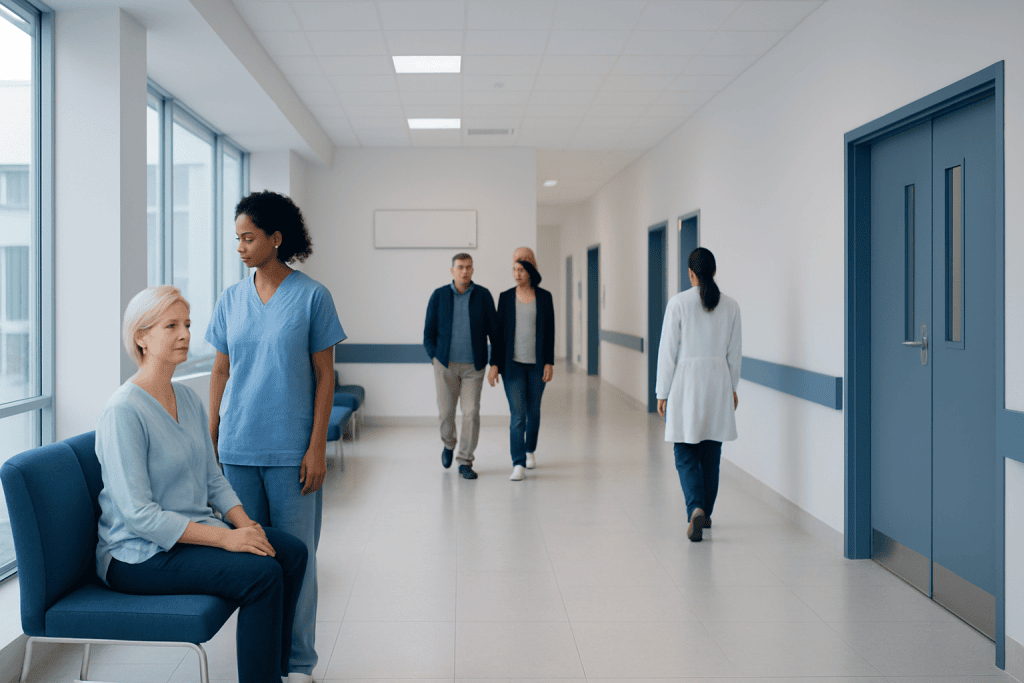
Swelling and bruising are expected after a brow lift and usually improve over days to weeks. Most people can return to desk-based work sooner than to physically demanding jobs.
Key Takeaways
- Swelling and bruising are expected after a brow lift and usually improve over days to weeks.
- Most people can return to desk-based work sooner than to physically demanding jobs.
- Keeping the head elevated, following wound-care instructions, and avoiding strain can support healing.
- Results become more settled as swelling fades, so final appearance takes time to emerge.
- Any worsening pain, heavy bleeding, vision changes, or signs of infection should be reviewed by a doctor promptly.
Brow lift recovery is usually gradual, with swelling, bruising, and tightness improving over the first few weeks. Most people can resume light daily activities fairly soon, but the return-to-work timeline depends on the procedure, healing, and the physical demands of the job.
Overview
A brow lift, also called a forehead lift, is a procedure designed to raise the brows and smooth the forehead area. Recovery is an important part of the process because the early healing phase influences comfort, appearance, and the timing of a return to normal routines.
After surgery, it is common for the forehead, brow area, and around the eyes to look puffy or bruised. These changes are part of the body’s natural healing response and usually lessen gradually. In many cases, people are able to do quiet, light activities within a few days, while the full recovery process takes longer.
Understanding the usual recovery pattern helps patients plan time off work, arrange support at home, and avoid overexertion. A surgeon’s instructions always remain the most important guide, because recovery can vary based on the technique used, age, skin quality, and overall health.
What to Expect During Recovery
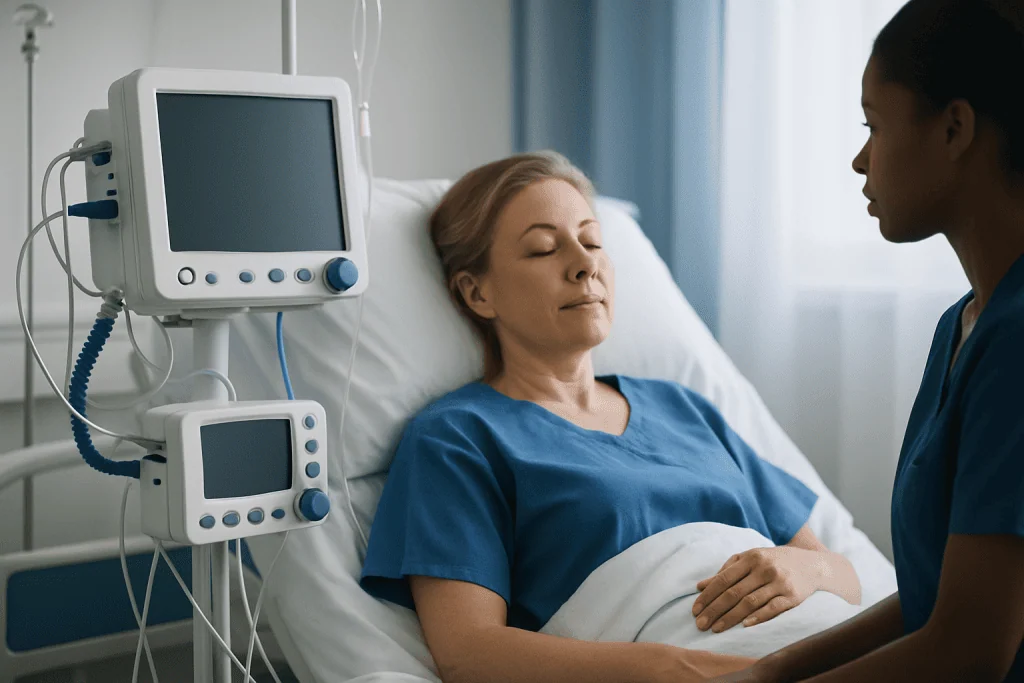
The first few days after a brow lift are often the most noticeable for swelling, bruising, tightness, and mild to moderate discomfort. Some people also experience temporary numbness, itching, or a sensation of pressure across the forehead as tissues begin to heal. These symptoms usually improve progressively rather than all at once.
Many patients notice that swelling peaks early and then slowly starts to settle. Bruising may move downward toward the eyelids before fading. It is also normal for the brows to look uneven or higher than expected at first, since healing tissues can sit differently until swelling resolves.
For patients having eyelid or eye-area procedures at the same time, such as an oculoplastic approach, recovery may involve a little more swelling around the eyes. The overall timeline can still be manageable, but the appearance during the first week may change from day to day.
Healing is usually not perfectly linear. Some days may feel better than others, and mild swelling can linger for several weeks, especially toward the end of the day or after activity. This is normal and does not usually mean that something is wrong.
Swelling and Bruising Timeline
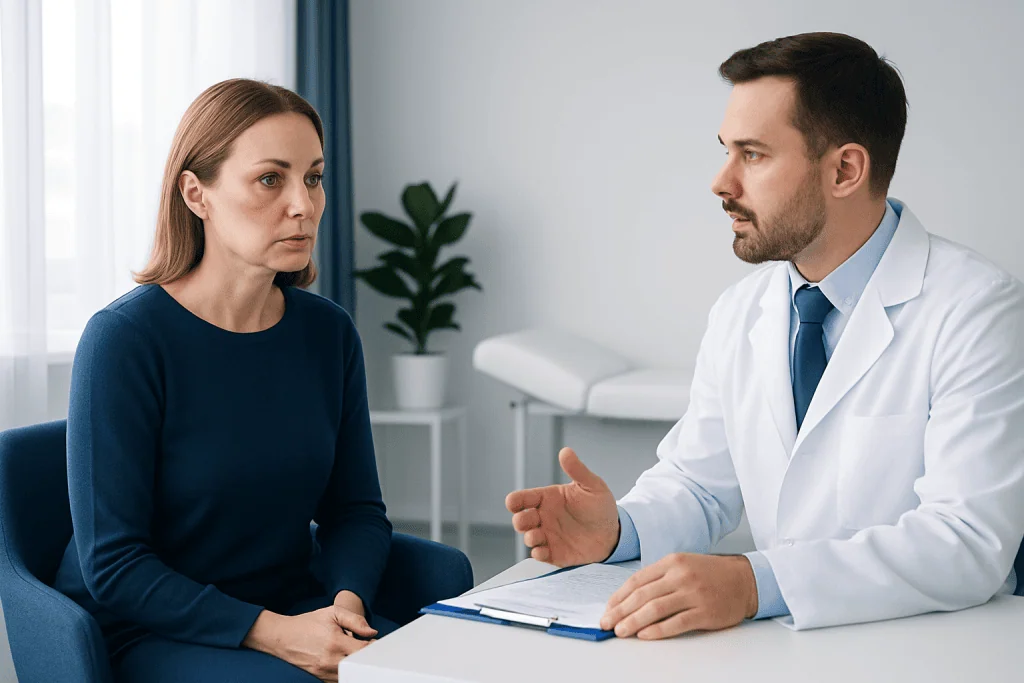
Swelling often begins soon after surgery and is usually most noticeable in the first 48 to 72 hours. During this period, the forehead may feel full or tight, and the area around the eyes may appear puffy. Bruising can be most visible during the first week and then gradually changes color as it fades.
By the end of the first week, many people see clear improvement, although some swelling remains. In the second week, bruising is often easier to conceal with clothing, hair styling, or approved makeup once the surgeon says it is safe. Residual swelling can still be present even when the face looks socially acceptable.
Minor swelling may continue for several weeks or longer, particularly after exercise, bending over, or salty meals. This later swelling is often subtle and may only be noticeable to the patient. The final refined result of a brow lift can take time to become fully visible as tissues soften and settle.
Supportive measures such as cold compresses in the early period, head elevation, and careful activity pacing are commonly recommended. Patients should follow the exact instructions provided by their surgeon, especially if dressings, drains, or special wound care are involved.
Causes and Risk Factors for Slower Healing
Most brow lift recovery is straightforward, but some factors can make swelling or bruising last longer. These include more extensive surgery, combined procedures, increased physical activity too soon, and not following aftercare instructions closely. Healing can also be slower in people with certain medical conditions or those who smoke.
Age, skin elasticity, and a person’s natural tendency to bruise can affect how recovery looks in the mirror. Some medications and supplements may increase bleeding or bruising risk, which is why patients are usually asked to review all prescription and over-the-counter products before surgery. The surgeon may advise temporary changes before and after the operation.
In some cases, brow lift recovery is part of a broader facial rejuvenation plan that includes procedures such as cosmetic surgery or facial balancing treatments. When multiple areas are treated at once, the recovery period may be more noticeable, but careful planning can still support a predictable healing course.
People who have demanding schedules, frequent travel, or work that requires lifting, bending, or public-facing interaction may need extra planning. A realistic recovery schedule helps reduce stress and supports safer healing.
How the Procedure Is Evaluated After Surgery
Most brow lift follow-up visits focus on how the incision lines are healing, whether swelling is improving, and whether the brows are settling in a balanced way. The surgeon may check for infection, fluid collection, unusual bruising, or signs that healing is delayed. These visits are an important part of ensuring recovery stays on track.
Patients are often asked about pain level, sleep quality, headaches, vision changes, and how much medication they need. Photos may be taken to compare early healing with later results. This helps the care team assess progress objectively over time.
If the brow lift was part of a more detailed facial plan, follow-up may also involve discussion of the surrounding facial tissues and scar care. In selected cases, related specialties such as reconstructive ophthalmology may be helpful if the eyes or eyelids are involved in the overall treatment plan.
The goal of evaluation is not only to look for complications, but also to reassure the patient that early asymmetry or puffiness can be normal. Many early concerns improve naturally as healing progresses.
Treatment Options During Recovery
Recovery care after a brow lift is mainly supportive. Common measures include resting with the head elevated, using cold compresses as directed, taking prescribed or recommended pain relief, and avoiding strain on the healing tissues. Keeping incision sites clean and dry according to instructions is also important.
Some patients are advised to limit facial expressions, heavy lifting, vigorous exercise, and prolonged bending for a period of time. These precautions help reduce pressure and may lower the chance of increased swelling or bleeding. Wearing clothing that does not need to be pulled over the head can also make the early recovery phase easier.
If the surgeon has used dissolvable or removable sutures, the care plan may include a return visit for wound checks or suture removal. Scar care recommendations may follow later, once the incision has closed properly. For patients interested in broader facial refinement, procedures like cheek augmentation may be discussed separately, but only after full healing and a proper medical consultation.
Patients should never start new creams, supplements, or facial treatments without approval, since some products can irritate healing skin or interfere with recovery. A simple, consistent routine is usually best in the early period.
Return to Work and Daily Activities
The return-to-work timeline after a brow lift depends on the person’s job and the pace of healing. People with desk-based or remote work may feel ready in about 7 to 14 days, while those with physically demanding roles, public speaking, or intense activity may need more time. Visible bruising and swelling often influence how soon someone feels comfortable returning.
Light walking and gentle day-to-day movement are commonly encouraged earlier than strenuous exercise. However, lifting heavy objects, bending repeatedly, and getting the heart rate high too soon can increase swelling. A staged return helps the body heal more comfortably and may support a smoother final result.
Many patients also want to know when they can wear makeup, use hair products, or resume social events. These details depend on incision location and surgeon guidance, because not all products or routines are suitable at the same point in healing. Planning a return around lower-demand days can make the transition easier.
For people combining procedures or considering broader body or facial aesthetic work later, such as body aesthetics planning, it is important to allow one operation to heal fully before scheduling the next. This helps the care team assess results more accurately and keeps recovery manageable.
Prevention and Self-Care
Good preparation before surgery can make recovery smoother. Patients are usually advised to stop smoking if applicable, discuss all medications and supplements with their doctor, and arrange help at home for the first few days. A calm, organized environment supports rest and reduces unnecessary strain.
After surgery, the simplest habits often matter most. Keeping the head elevated during sleep, using cold compresses only as instructed, staying hydrated, and following wound-care steps can all help. It is also wise to avoid alcohol, overheating, and anything that might raise blood pressure too soon after the operation.
Emotional self-care matters as well. Swelling and bruising can make the early result look different from the expected final outcome, so patience is important. Recovery improves over time, and the brow position and forehead contours usually become more natural as tissues settle.
Patients who plan to seek care abroad may appreciate structured postoperative support. At Acibadem International, multidisciplinary specialists and JCI-accredited hospitals diagnose and treat brow lift patients for international patients with coordinated aftercare and follow-up planning.
When to See a Doctor
Patients should contact their surgeon if swelling or bruising suddenly worsens instead of improving, if pain becomes difficult to control, or if the incision looks increasingly red, warm, or has drainage. These findings may need prompt review, even when they turn out to be minor issues.
Vision changes, severe headache, fever, one-sided swelling, active bleeding, or a feeling of pressure that is rapidly increasing should also be discussed without delay. While many symptoms after brow lift are expected, it is always better to seek medical advice for anything unusual or concerning.
Even when symptoms are mild, follow-up appointments are important. They give the surgeon a chance to confirm that healing is progressing normally and to answer practical questions about work, exercise, skincare, and scar care. Clear communication can make recovery more predictable and reassuring.
If a patient is uncertain whether a symptom is part of normal healing, the safest approach is to ask the surgical team. A qualified doctor can distinguish expected recovery changes from problems that need attention.
Frequently asked questions
How long does brow lift swelling usually last?
Swelling is usually most noticeable in the first few days and then improves over the next 1 to 2 weeks. Mild puffiness can last longer, especially after activity or at the end of the day. The exact timeline depends on the surgical technique and individual healing.
When can most people return to work after a brow lift?
Many people return to desk-based or remote work in about 7 to 14 days, provided they feel comfortable and bruising is manageable. Jobs that involve lifting, bending, or high physical activity often require a longer break. The surgeon’s advice should guide the final decision.
Is bruising normal after a brow lift?
Yes, bruising is a common part of recovery and often appears around the forehead and eyes. It usually changes color and fades gradually over 1 to 2 weeks. Makeup may help conceal it later, but only when the surgeon says it is safe.
Why do my brows look uneven after surgery?
Early asymmetry can happen because swelling is not always equal on both sides. As healing progresses, the brows usually settle into a more balanced position. Persistent unevenness should be discussed at follow-up visits.
What should patients avoid during brow lift recovery?
They should avoid heavy lifting, strenuous exercise, bending over repeatedly, smoking, and anything else their surgeon has restricted. It is also important not to apply unapproved products to the incision area. Gentle routines and rest usually support smoother healing.
Can swelling come back after it has started to improve?
Yes, mild swelling can temporarily increase after activity, poor sleep, or salty foods. This is often normal and usually settles again with rest and head elevation. If the swelling is sudden, severe, or one-sided, it should be checked by a doctor.
References
- American Society of Plastic Surgeons
- MedlinePlus
- Mayo Clinic
- National Health Service
This article is for general information only and is not a substitute for professional medical advice. Please consult a qualified doctor about your individual situation.
Brow Lift in Turkey — costs, top hospitals & a free quote
JCI-accredited · board-certified surgeons · reply within 24h
Add us as a Preferred Source to see more of our trusted health content across Google Search, AI Overviews and Discover.

Plastic, Reconstructive & Aesthetic Surgery
Reconstructive and aesthetic procedures for the face and body, performed by experienced surgeons.
35 specialists in this unitRelated Treatments
Related Conditions
More from the Health Library


Related Specialists

Prof. Dr. Şükrü Yazar
Aesthetic Plastic & Reconstructive Surgery
Assoc. Prof. Dr. Erdem Güven (m)
Aesthetic Plastic & Reconstructive Surgery
Prof. Dr. Hakan Ağır
Aesthetic Plastic & Reconstructive Surgery
Prof. Dr. Bülent Saçak
Aesthetic Plastic & Reconstructive Surgery