

Buttock Augmentation Implants: Candidacy and Recovery

Buttock implants are usually considered for healthy adults who want more buttock volume or shape and understand the limits and risks of surgery. A consultation typically reviews body proportions, skin quality, general health, and whether implants or fat transfer may be more suitable.
Key Takeaways
- Buttock implants are usually considered for healthy adults who want more buttock volume or shape and understand the limits and risks of surgery.
- A consultation typically reviews body proportions, skin quality, general health, and whether implants or fat transfer may be more suitable.
- Recovery often involves activity restrictions, special positioning, swelling, and gradual return to exercise over several weeks.
- Possible complications include infection, fluid collection, implant shifting, wound problems, and visible or uncomfortable scarring.
- Choosing a board-certified plastic surgeon and following aftercare instructions closely can help support healing and outcome quality.
Buttock augmentation implants are a cosmetic surgery option to increase buttock volume and improve contour when a person wants more projection or has limited body fat for fat transfer. Careful patient selection, experienced surgical planning, and consistent recovery habits are important for both safety and results.
Overview
Buttock augmentation implants, also called gluteal implants, are silicone implants placed through surgery to increase buttock volume and improve shape. They are designed for people who want fuller projection or better symmetry and may not have enough body fat for transfer-based procedures. The goal is usually to create a more balanced lower-body contour rather than to achieve an exaggerated appearance.
Implants are one of several options for buttock enhancement. In some cases, a surgeon may recommend fat transfer to the buttocks instead, or combine procedures to improve contour in surrounding areas. The best approach depends on the person’s anatomy, skin elasticity, available body fat, and preferences.
As with any elective surgery, planning matters. A consultation should include a discussion of expected results, limitations, scars, recovery needs, and possible complications. A realistic understanding of what surgery can and cannot do helps patients make an informed decision.
Who May Be a Good Candidate
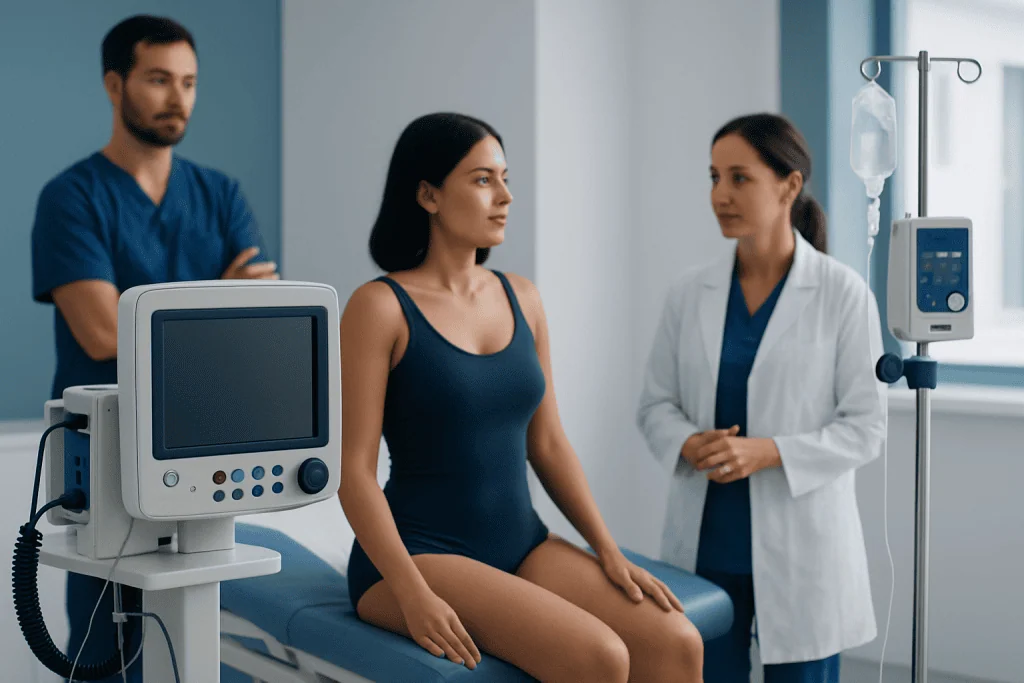
A good candidate for buttock augmentation implants is generally an adult in good overall health who wants more buttock fullness, projection, or improved proportion with the hips and waist. People often consider implants if they naturally have a flatter buttock shape, have lost volume over time, or want enhancement but do not have enough excess fat for transfer.
Surgeons usually look for stable body weight, healthy skin and soft tissue, and the ability to follow recovery instructions. Non-smokers, or those willing to stop smoking before and after surgery, are often better candidates because nicotine can slow healing and increase the risk of complications.
Emotional readiness is also important. Candidates should understand that cosmetic surgery can improve contour, but it cannot guarantee perfection or solve broader self-image concerns. If a person is prone to thick scarring, including keloid scars, or has medical conditions that affect healing, these issues should be discussed in detail before surgery.
Some people may be advised to consider other body-shaping approaches, such as body contouring procedures or a buttock lift, depending on whether the main concern is volume, loose skin, or both. The safest and most natural-looking option varies from one person to another.
How the Procedure Is Performed
Buttock implant surgery is usually performed under general anesthesia. During the operation, the surgeon makes an incision in a carefully selected location, often within or near the natural crease between the buttocks, to help reduce scar visibility. A pocket is created and the implant is placed either within or beneath the gluteal muscle, depending on anatomy and surgical technique.
The exact implant size and shape are chosen before surgery based on the person’s body frame, soft-tissue coverage, and goals. The surgeon aims to create balanced projection while maintaining a result that fits the patient’s natural proportions. Drains may sometimes be used temporarily to reduce fluid buildup.
In some cases, shaping around the waist or flanks may be discussed to improve overall silhouette. For example, carefully selected patients may also benefit from liposuction in surrounding areas to enhance contrast and definition. Combination procedures, however, may increase recovery demands and should be planned conservatively with safety in mind.
Risks and Possible Complications
All surgery carries risk, and buttock augmentation implants are no exception. General surgical risks include bleeding, infection, anesthesia-related complications, delayed healing, and scarring. Specific concerns with gluteal implants may include fluid collection, wound separation, implant shifting or rotation, asymmetry, discomfort when sitting, and implant visibility or palpability.
Because the buttock area is subject to pressure and movement, careful aftercare is especially important. The incision site can be vulnerable to irritation, and wound problems may occur if instructions about sitting, sleeping position, and activity are not followed closely. Rarely, an implant may need to be repositioned or removed if a complication develops.
People with a history of poor wound healing, recurrent skin infections, or pressure-related skin injury may require closer evaluation. For example, concerns about tissue tolerance may be relevant in those familiar with conditions such as pressure ulcers. A qualified plastic surgeon will review individual risks and explain how they can be reduced, though no procedure is entirely risk-free.
Recovery Timeline and Aftercare
Recovery after buttock implant surgery usually happens in stages over several weeks. Swelling, bruising, tightness, and discomfort are common in the early period. Prescription or over-the-counter pain relief may be recommended by the surgeon, along with instructions on dressing care, bathing, and activity restrictions.
Patients are often advised to avoid direct pressure on the buttocks for a period of time, especially in the first days or weeks. Special cushions, modified sitting positions, and sleeping on the stomach or side may be recommended. Walking is usually encouraged early to support circulation, but strenuous activity, heavy lifting, and intense exercise are generally delayed until the surgeon says it is safe.
Compression garments may be used if other contouring procedures are performed at the same time. Follow-up appointments are important so the surgeon can check incision healing, swelling, and implant position. It is common for the final shape to look different as swelling settles, so patience is necessary before judging the result.
Most people can gradually return to normal daily routines, but the exact timeline varies based on the surgical technique, whether other procedures were combined, and individual healing. Any fever, increasing redness, worsening pain, drainage, or sudden asymmetry should be reported promptly because these may suggest a complication.
Preparing for Surgery
Preparation begins with a detailed consultation and medical review. The surgeon may ask about past operations, medications, allergies, smoking, weight changes, and any conditions that could affect healing. Patients should be open about all supplements and lifestyle habits, since some can increase bleeding risk or interact with anesthesia.
Before surgery, patients are often asked to stop smoking and avoid certain medicines or supplements if their doctor advises it. They should also arrange practical support for the first part of recovery, including transportation, help at home, and a comfortable resting setup that reduces pressure on the surgical area.
It also helps to discuss goals clearly using simple terms such as fuller projection, rounder contour, or improved balance with the hips and waist. Bringing questions about scars, implant feel, long-term maintenance, and alternatives can make the consultation more useful. Many people benefit from understanding how buttock implants compare with broader body aesthetics options before making a final choice.
Results, Long-Term Considerations, and When to Seek Medical Advice
Buttock implants can provide long-lasting volume, but they are not considered maintenance-free. The body can change with aging, weight fluctuations, and pregnancy, which may affect the appearance of the result over time. Some people remain satisfied for many years, while others may later consider revision for aesthetic or medical reasons.
It is important to keep expectations realistic. Implants can enhance projection and contour, but perfect symmetry is not always possible, and the feel may differ from natural tissue. A healthy lifestyle, stable weight, and ongoing attention to skin and soft tissue health can help preserve the overall appearance.
Patients should seek medical advice promptly if they notice persistent swelling, sudden shape changes, fever, drainage, increasing pain, wound opening, or signs that the implant may have moved. These symptoms do not always mean a serious problem, but they should be assessed without delay. Near the end of the decision-making process, some international patients choose centers such as Acibadem International, where multidisciplinary specialists in JCI-accredited hospitals diagnose and treat aesthetic concerns with individualized planning.
Frequently asked questions
How long does it take to recover from buttock augmentation implants?
Initial recovery often takes several weeks, but full healing and final contour can take longer as swelling gradually improves. Most people need to limit sitting pressure, avoid strenuous activity, and follow positioning instructions carefully during the early phase.
Are buttock implants better than fat transfer?
Neither option is automatically better for everyone. Implants may suit people who want more volume but do not have enough body fat for transfer, while fat transfer may feel more natural for selected candidates. A plastic surgeon can explain which approach matches a person’s anatomy and goals.
Will buttock implants look and feel natural?
Results can look balanced and proportionate when surgery is carefully planned, but the outcome depends on implant size, tissue coverage, and healing. The feel may not be exactly the same as natural tissue, and very large implants can increase the chance of a less natural appearance.
What are the most common risks of buttock implant surgery?
Commonly discussed risks include infection, fluid buildup, scarring, wound-healing problems, asymmetry, and implant shifting. Because the buttock area moves and bears pressure, following aftercare instructions is especially important to reduce these risks.
When can a person sit normally after buttock implant surgery?
This varies by surgeon and technique, but many patients need to avoid or limit direct sitting pressure for a period of time. Special cushions or modified positions may be recommended until healing is more secure.
Do buttock implants need to be replaced?
They are designed to be long-lasting, but they may not last forever in every person. Some patients never need another procedure, while others may require revision because of aesthetic changes, implant movement, or other complications.
References
- American Society of Plastic Surgeons
- International Society of Aesthetic Plastic Surgery
- U.S. Food and Drug Administration
- National Health Service
- Mayo Clinic
This article is for general information only and is not a substitute for professional medical advice. Please consult a qualified doctor about your individual situation.
Medical weight-loss options in Turkey — costs & eligibility
JCI-accredited · board-certified surgeons · reply within 24h
Add us as a Preferred Source to see more of our trusted health content across Google Search, AI Overviews and Discover.
Check your numbers in seconds
BMI, calories, due date, blood pressure and 30+ more clinical calculators — free, instant, doctor-reviewed ranges.

Related Treatments
Related Conditions
More from the Health Library



Related Specialists
Assoc. Prof. Dr. Erdem Güven (m)
Aesthetic Plastic & Reconstructive Surgery
Prof. Dr. Şükrü Yazar
Aesthetic Plastic & Reconstructive Surgery
Prof. Dr. Hakan Ağır
Aesthetic Plastic & Reconstructive Surgery
Prof. Dr. Bülent Saçak
Aesthetic Plastic & Reconstructive Surgery