

Buttock Lift Recovery: Sitting, Swelling, and Scar Healing

Most buttock lift recovery plans include restrictions on sitting and pressure on the surgical area during early healing. Swelling, tightness, bruising, and temporary discomfort are common and usually improve gradually.
Key Takeaways
- Most buttock lift recovery plans include restrictions on sitting and pressure on the surgical area during early healing.
- Swelling, tightness, bruising, and temporary discomfort are common and usually improve gradually.
- Scars mature slowly and often continue to soften and fade for many months.
- Following the surgeon’s instructions on wound care, activity, garments, and follow-up visits is important.
- Patients should contact their doctor promptly for fever, worsening pain, unusual drainage, or signs of poor wound healing.
Buttock lift recovery takes time, and most people heal in stages over several weeks to months. Understanding how to sit safely, manage swelling, and support scar healing can make recovery smoother and help patients know what to expect.
Overview of Buttock Lift Recovery
A buttock lift is a body contouring procedure designed to improve the shape and position of the buttocks by removing excess skin and tightening surrounding tissue. It is often considered after significant weight loss, aging-related skin laxity, or major body contour changes. Recovery is an important part of the overall process, because the body needs time to heal the incision, settle swelling, and adapt to the new contour.
In the first days after surgery, patients commonly notice soreness, swelling, bruising, tightness, and reduced comfort when moving, sitting, or lying down. These symptoms are expected to some degree and usually improve step by step. The surgeon may also recommend compression garments, wound care measures, and temporary limits on activity to protect healing tissues.
The recovery timeline varies from person to person. It depends on the surgical technique used, whether other procedures were performed at the same time, the patient’s general health, and how closely aftercare instructions are followed. For example, a person having buttock lift surgery as part of broader body contouring after weight loss may have somewhat different healing needs than someone having a more isolated procedure.
What to Expect in the First Days and Weeks
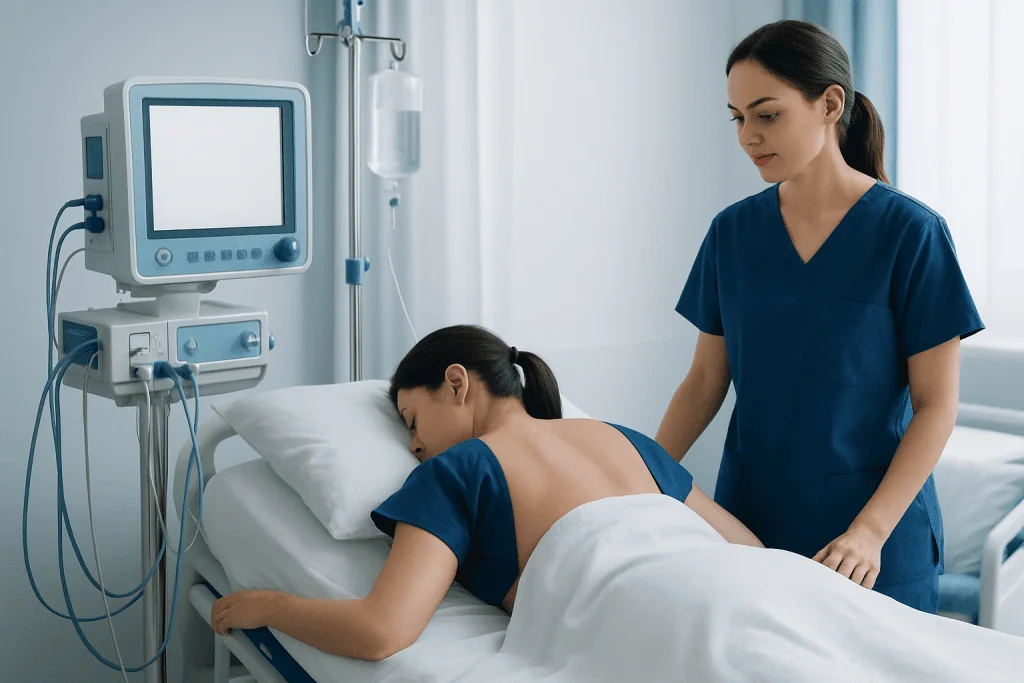
During the early recovery phase, rest and careful movement are usually priorities. Patients may feel tired for several days, and walking short distances is often encouraged to support circulation unless the surgical team advises otherwise. At the same time, bending, stretching, lifting, and sudden movements may need to be limited to prevent stress on the incision line.
Drain tubes may be used in some cases to remove fluid from the surgical area. If so, the surgeon or nursing team will explain how to care for them and when they are likely to be removed. Dressings, compression garments, and instructions for bathing or showering also vary, so patients should follow their own recovery plan rather than comparing themselves too closely with others.
Recovery after a buttock lift often overlaps with concerns seen in other skin-tightening procedures such as arm lift surgery or post-weight-loss contouring, where swelling, incision care, and gradual return to activity all matter. Mild numbness, firmness, or uneven swelling can occur at first and usually become less noticeable as healing progresses.
Many patients are eager to see their final result right away, but the body needs time. The surgical area may appear fuller, firmer, or asymmetrical in the beginning because of swelling and tissue settling. Final contour and scar appearance often become clearer only after several months.
Sitting After a Buttock Lift
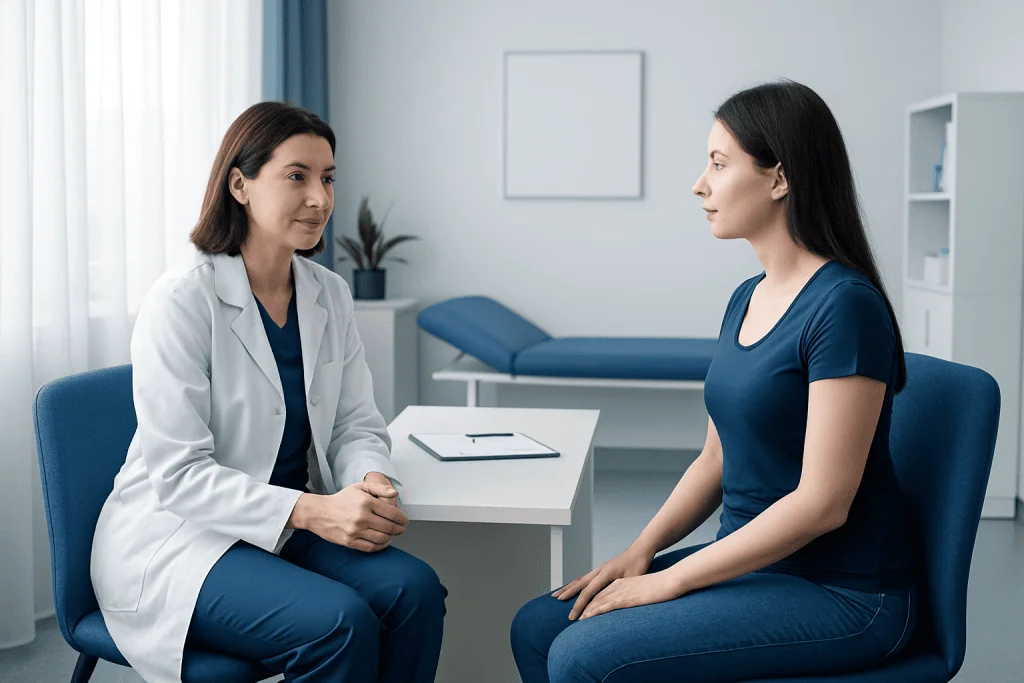
One of the most common questions after surgery is when sitting becomes safe and comfortable. In the early period, prolonged direct pressure on the buttocks is often restricted, especially if the incision placement or tissue tension could be affected by sitting. The exact advice depends on the type of lift performed, the location of incisions, and whether liposuction or fat transfer was also done.
Some patients may be advised to avoid sitting as much as possible at first, while others may be told to sit only for short periods using a modified position. Surgeons often recommend shifting weight to the thighs, using supportive cushions if appropriate, and standing up regularly. Patients should not assume that advice for another procedure, such as BBL and lipofilling, is the same as advice for a buttock lift, because tissue healing goals may differ.
Sleep position also matters. Many patients are instructed to sleep on the stomach or side for a period of time to reduce pressure on the surgical area. Getting in and out of bed, rising from a chair, and using the toilet may feel awkward at first, so planning these movements in advance can help reduce strain.
As healing progresses, sitting is usually reintroduced gradually. Comfort often improves before the tissues are fully healed, so it is important to follow the surgeon’s timeline even if the patient feels better. Returning too quickly to long car rides, desk work, or travel may increase discomfort and may affect wound healing.
Swelling, Bruising, and Discomfort
Swelling is a normal part of buttock lift recovery. The body sends fluid and healing cells to the surgical area, which can make the skin feel tight and the contour look puffier than expected. Bruising and tenderness are also common, especially in the first one to two weeks, and then usually fade gradually.
Swelling does not disappear all at once. It often improves in stages, with noticeable reduction over the first weeks and more subtle changes over the following months. Some areas may seem more swollen than others, and one side may settle a little faster. This does not always mean something is wrong, but marked worsening, increasing redness, or significant new pain should be checked by a doctor.
Compression garments may help support tissues and control swelling when prescribed by the surgeon. These garments should be worn exactly as instructed, because garments that are too tight, worn incorrectly, or used without guidance can irritate healing skin. Light walking, hydration, and avoiding overexertion may also support recovery.
Patients should know the difference between expected symptoms and warning signs. Mild to moderate discomfort is common, but pain that suddenly becomes severe, swelling that sharply increases, or drainage with a bad smell deserves prompt medical attention. If skin pressure becomes prolonged during recovery, skin breakdown can sometimes occur, and understanding the basics of a pressure ulcer may help patients recognize why repositioning and pressure relief are important.
Scar Healing and Incision Care
Scars are a normal part of healing after a buttock lift. Their length and placement depend on the amount of skin removed and the surgical approach used. Early scars often look red, pink, raised, or firm, which can be concerning at first, but this appearance usually changes over time as the scar matures.
Scar healing is gradual. In many patients, scars continue to soften, flatten, and fade over several months and sometimes longer. Good incision care, avoiding excess tension on the wound, and following instructions on cleaning, dressings, and scar products can all support the best possible healing. Patients should only use silicone sheets, gels, or other scar treatments if their surgeon says the incision is ready.
Protecting healing skin from irritation is also important. Friction from tight clothing, moisture trapped in skin folds, and early strenuous movement may affect comfort and wound recovery. Sun protection matters as well, because ultraviolet exposure can make scars darker and more noticeable.
Some people are more likely to form thick or raised scars. A personal or family history of abnormal scarring should be discussed before surgery and again during follow-up. If a scar becomes persistently raised, itchy, painful, or enlarges beyond the incision line, the doctor may evaluate for problems such as keloid scars or hypertrophic scarring and discuss treatment options.
Activity, Self-Care, and Daily Recovery Tips
Practical self-care can make recovery safer and more comfortable. Short walks are commonly encouraged soon after surgery to keep blood moving, but heavy exercise, lifting, squatting, and stretching the lower body are usually restricted at first. Patients should wait for medical clearance before restarting gym workouts, swimming, or more intense daily activities.
Nutrition and hydration also support healing. A balanced diet with adequate protein, fluids, vitamins, and minerals helps the body repair tissue. Smoking and nicotine products can impair blood flow and wound healing, so patients are usually advised to avoid them before and after surgery. Alcohol may also interfere with medicines and hydration, so it should only be used according to the surgeon’s guidance.
It may help to prepare the home in advance by placing frequently used items within easy reach, arranging a comfortable sleeping position, and asking for assistance with chores during the first few days. Loose clothing is often more comfortable than tight waistbands or garments that rub the incision. Taking medications exactly as prescribed and attending scheduled follow-up appointments are also important parts of recovery.
Emotional recovery deserves attention too. It is common for patients to feel impatient, tired, or unsure when the body is swollen and the final result is not yet visible. Clear communication with the surgical team can be reassuring. Near the end of recovery planning, some patients choose care at centers such as Acibadem International, where multidisciplinary specialists in JCI-accredited hospitals diagnose and treat patients seeking body contour procedures from abroad.
When to Call the Doctor
Most symptoms after a buttock lift are part of normal healing, but some need prompt evaluation. Patients should contact their surgeon if they develop fever, worsening redness, sudden one-sided swelling, increasing pain, unusual warmth, or drainage that is thick, cloudy, or foul-smelling. These signs can suggest infection, fluid collection, or another postoperative problem.
Wound separation, persistent bleeding, shortness of breath, chest pain, or calf swelling are also reasons to seek urgent medical attention. A doctor should assess any symptom that feels severe, unexpected, or rapidly worsening. Early treatment often helps prevent a more serious complication.
Follow-up visits are not just routine; they allow the team to monitor healing, remove drains or dressings when needed, and guide the return to sitting, exercise, and work. Patients should bring questions about scar care, swelling, travel, and everyday activities, because individualized advice is often the safest advice.
Recovery is usually smoother when expectations are realistic. A buttock lift can improve contour, but healing takes patience and consistent aftercare. If concerns come up at any stage, a qualified plastic surgeon is the best source of guidance.
Frequently asked questions
How long does buttock lift recovery usually take?
Early recovery often takes a few weeks, but complete healing and scar maturation usually take several months. The exact timeline depends on the surgical technique, overall health, and how well aftercare instructions are followed.
When can someone sit normally after a buttock lift?
This varies by procedure and incision placement, so patients should follow their surgeon’s instructions closely. Many people need to limit direct pressure on the buttocks at first and return to normal sitting gradually.
Is swelling normal after a buttock lift?
Yes, swelling is expected after surgery and often improves slowly rather than all at once. Mild asymmetry during healing can happen, but sudden worsening swelling or significant new pain should be reported to a doctor.
How long do buttock lift scars take to fade?
Scars commonly look more noticeable in the early months and then gradually soften and fade over time. In many patients, scar remodeling continues for many months, sometimes longer depending on skin type and healing tendency.
What can help scars heal well after a buttock lift?
Following the surgeon’s wound care instructions, reducing tension on the incision, and protecting the area from friction and sun exposure can help. Scar gels or silicone products may be useful, but they should only be started when the doctor says the incision is ready.
When should a patient worry about symptoms after surgery?
A patient should seek medical advice for fever, increasing redness, unusual drainage, wound opening, sudden swelling, or pain that is getting worse instead of better. Urgent symptoms such as shortness of breath or chest pain need immediate medical attention.
References
- American Society of Plastic Surgeons
- NHS
- Mayo Clinic
- Cleveland Clinic
This article is for general information only and is not a substitute for professional medical advice. Please consult a qualified doctor about your individual situation.
Buttock Lift in Turkey — costs, top hospitals & a free quote
JCI-accredited · board-certified surgeons · reply within 24h
Add us as a Preferred Source to see more of our trusted health content across Google Search, AI Overviews and Discover.

Plastic, Reconstructive & Aesthetic Surgery
Reconstructive and aesthetic procedures for the face and body, performed by experienced surgeons.
35 specialists in this unitRelated Treatments
Related Conditions
More from the Health Library



Related Specialists
Assoc. Prof. Dr. Erdem Güven (m)
Aesthetic Plastic & Reconstructive Surgery
Prof. Dr. Şükrü Yazar
Aesthetic Plastic & Reconstructive Surgery
Prof. Dr. Hakan Ağır
Aesthetic Plastic & Reconstructive Surgery
Prof. Dr. Bülent Saçak
Aesthetic Plastic & Reconstructive Surgery