

Can Black People Get a Nose Job With Natural Results?

A black nose job can provide subtle, natural-looking changes while preserving ethnic features. Careful evaluation of skin thickness, cartilage strength, nostril shape, and overall facial harmony is essential.
Key Takeaways
- A black nose job can provide subtle, natural-looking changes while preserving ethnic features.
- Careful evaluation of skin thickness, cartilage strength, nostril shape, and overall facial harmony is essential.
- Common goals include improving definition, refining width, supporting the nasal tip, and addressing breathing problems.
- Choosing a surgeon experienced in ethnic rhinoplasty helps align expectations with safe, realistic results.
- Recovery takes time, and final definition may appear gradually as swelling settles.
A black nose job can look natural when the surgical plan is tailored to the person’s anatomy, skin thickness, cartilage support, and facial proportions. The goal is usually refinement and better balance, not erasing ethnic identity.
Overview: Can a Black Nose Job Look Natural?
Yes. A black nose job can look natural when it is planned with attention to the person’s unique facial structure and aesthetic goals. In modern practice, many surgeons describe this as ethnic rhinoplasty, meaning the procedure is designed to refine the nose while respecting the patient’s natural heritage and identity.
Natural results usually come from balance rather than dramatic change. Some people want a narrower bridge, others want more tip definition, smaller nostrils, or correction of a hump, asymmetry, or a past injury. For many patients, the goal is not to create a different nose entirely, but to achieve a nose that fits the face more harmoniously.
Black patients may have nasal features that differ from person to person, including thicker skin, wider nostrils, a lower nasal bridge, or softer tip cartilage. These differences are not problems; they are simply important anatomical considerations that affect how surgery is planned and how healing progresses.
A natural-looking result depends on individualized technique, realistic expectations, and careful communication between patient and surgeon. This is especially important when the person wants subtle refinement without losing distinguishing ethnic characteristics.
What Makes Ethnic Rhinoplasty Different?

Ethnic rhinoplasty is not a single operation. It is an approach to nose surgery that takes into account anatomy, skin type, healing patterns, and cultural preferences. In Black patients, the nose may require more structural support rather than simple reduction. This is one reason why a “one-size-fits-all” rhinoplasty plan can lead to less satisfying results.
For example, thicker nasal skin can soften the appearance of underlying changes. A person may still achieve a more refined tip, but the result must be created carefully and often with stronger support beneath the skin. Tip cartilage may also be naturally softer, which can make support techniques especially important.
Surgeons may focus on preserving or building structure so the nose remains stable over time and looks proportional from the front and side. This can involve reshaping cartilage, refining the nostrils, or augmenting parts of the bridge or tip. In some cases, rhinoplasty may also be combined with treatment of breathing problems or repair after facial trauma.
Because scarring and healing patterns vary among individuals, the surgeon also considers incision placement, skin quality, and any history of thick or raised scars such as keloid scars. These details help guide both surgical planning and aftercare.
Common Goals and Concerns

People seek a black nose job for many reasons. Some are mainly cosmetic, such as wanting a slimmer bridge, a more defined tip, or less nostril flare. Others are functional, including chronic nasal blockage, past fracture, or collapse of nasal support that affects breathing.
Many patients are especially concerned about looking “overdone” or losing features that feel authentic to them. This concern is understandable. A natural result should complement the rest of the face and preserve individuality. During consultation, patients often discuss how much change they want and which features they most want to keep.
Common goals may include:
- Improving tip definition
- Reducing nostril width or flare
- Increasing bridge height in a subtle way
- Straightening asymmetry
- Refining a broad nasal base
- Correcting breathing issues or structural weakness
Good planning also considers the cheeks, chin, lips, and jawline because the nose is only one part of facial balance. In some patients, a broader facial framework means that a very narrow nose would look artificial rather than attractive.
How Surgeons Plan for Natural Results
A detailed consultation is one of the most important steps in achieving a natural outcome. The surgeon examines the outside and inside of the nose, asks about prior surgery or trauma, reviews breathing symptoms, and discusses what the patient hopes to change. Medical history matters too, including healing tendencies, smoking, allergies, and any conditions that may affect surgery.
Photographs are often used to study facial proportions from different angles. In many practices, digital imaging can help support discussion, although it is not a guarantee of the final result. The main purpose is to make communication clearer and to align expectations with what is anatomically realistic.
Techniques vary by person. Some noses benefit from cartilage grafting to support the bridge or tip. Others need nostril narrowing, septal correction, or precise reshaping of the lower nasal structures. If a patient is also interested in broader facial aesthetic planning, the surgeon may discuss related procedures such as cheek augmentation or brow lift only when they are relevant to overall harmony.
The best plans are conservative and customized. Rather than aiming for a standardized nose shape, the surgeon usually focuses on proportion, function, and long-term support. This approach tends to produce results that look believable and age well.
Surgical Techniques and Recovery
Black nose job surgery may be performed with an open or closed rhinoplasty approach, depending on the anatomy and the changes needed. In many ethnic rhinoplasty cases, an open approach gives the surgeon better visibility for careful tip shaping and structural graft placement. The operation is usually done under anesthesia in a hospital or surgical center.
Structural support is often a key theme. Surgeons may use cartilage from the septum, ear, or occasionally another source to strengthen the nasal tip or build definition. Nostril reduction may be added when the base of the nose is wide, but this must be done carefully to avoid distortion or visible scarring.
Recovery is gradual. Bruising and swelling are common early on, and swelling in thicker skin may take longer to settle than in some other rhinoplasty patients. Many people feel socially presentable within a few weeks, but the final contour, especially at the tip, may continue to refine over many months.
Following aftercare instructions helps support healing. Patients are often advised to protect the nose from injury, sleep with the head elevated at first, avoid smoking, and attend follow-up visits. If the surgery is part of a broader facial or body aesthetic plan, related procedures such as aesthetic neck contouring are typically planned separately unless there is a clear reason to combine them safely.
Possible Risks and How They Are Reduced
Like any surgery, rhinoplasty has risks. These may include bleeding, infection, scarring, ongoing swelling, asymmetry, breathing changes, dissatisfaction with appearance, or the need for revision surgery. Some risks relate to healing rather than the operation itself, which is why realistic expectations and careful follow-up matter.
In Black patients, surgeons often pay special attention to scar quality, skin thickness, and the need for strong structural support. Over-reduction can make the nose look pinched, unstable, or unnatural. Under-correction may leave the patient feeling that too little changed. The best results usually come from balanced refinement rather than aggressive reduction.
Risk reduction starts before surgery. A qualified surgeon will evaluate general health, review medications and supplements, discuss smoking, and ask about any personal or family tendency toward thick scars. They should also assess the inside of the nose to identify a deviated septum or other issues affecting airflow.
Patients should feel comfortable asking how the surgeon approaches ethnic rhinoplasty and what natural results mean in their hands. Looking at before-and-after examples of patients with similar anatomy can be helpful, though each case remains unique.
Choosing a Surgeon and Knowing When to Seek Advice
Choosing a surgeon with experience in ethnic rhinoplasty is one of the most important decisions. Patients may want to ask about training, board certification, surgical approach, revision rates, and how the surgeon preserves both function and ethnic identity. A good consultation should feel collaborative, respectful, and unhurried.
It is also reasonable to seek a second opinion, especially if the proposed changes sound more dramatic than desired. Good candidates for surgery are usually healthy, have stable expectations, and understand that swelling can take time to resolve. Emotional readiness matters just as much as anatomy.
People should seek medical advice if they have chronic nasal obstruction, repeated sinus symptoms, deformity after injury, or dissatisfaction with the shape of the nose that they would like professionally assessed. Those with congenital differences or reconstructive needs may also benefit from specialist review; for example, some people needing broader facial reconstruction are evaluated in the context of conditions such as microtia.
Near the end of the decision process, patients may wish to choose a center with multidisciplinary support, especially when breathing, reconstruction, or scar concerns are involved. Acibadem International’s multidisciplinary specialists and JCI-accredited hospitals diagnose and treat patients seeking rhinoplasty and related reconstructive or aesthetic care from abroad.
Frequently asked questions
Can Black people get a nose job without looking unnatural?
Yes. Natural results are possible when surgery is tailored to the person’s facial proportions, skin thickness, and nasal support rather than aiming for a generic nose shape. The goal is usually refinement and balance while preserving identity.
What is ethnic rhinoplasty?
Ethnic rhinoplasty is a personalized approach to nose surgery that respects the patient’s natural anatomy and heritage. It often focuses on subtle reshaping, structural support, and preserving features that feel authentic to the individual.
Why can recovery take longer in some Black rhinoplasty patients?
Some Black patients have thicker nasal skin, which can make swelling last longer, especially at the tip. This does not mean the surgery was unsuccessful; it simply means final definition may appear gradually over time.
Can a black nose job improve breathing too?
Yes, if breathing problems are related to the nasal septum, weak support, prior injury, or internal valve issues. In these cases, the surgeon may combine cosmetic and functional correction in the same operation when appropriate.
Will nostril reduction leave visible scars?
Nostril reduction can leave small scars, but surgeons usually place incisions carefully to make them as discreet as possible. Scar visibility depends on technique, healing, skin type, and aftercare.
How should someone choose a surgeon for a black nose job?
It helps to choose a qualified surgeon with specific experience in ethnic rhinoplasty and natural-looking results. Patients should ask to discuss goals clearly, review similar cases, and understand both the expected benefits and limitations.
References
- American Society of Plastic Surgeons
- American Academy of Facial Plastic and Reconstructive Surgery
- National Health Service
- Mayo Clinic
- U.S. National Library of Medicine
This article is for general information only and is not a substitute for professional medical advice. Please consult a qualified doctor about your individual situation.
Explore treatments in Turkey — costs, top hospitals & a free quote
JCI-accredited · board-certified surgeons · reply within 24h
Add us as a Preferred Source to see more of our trusted health content across Google Search, AI Overviews and Discover.

Related Treatments
Related Conditions
More from the Health Library



Related Specialists
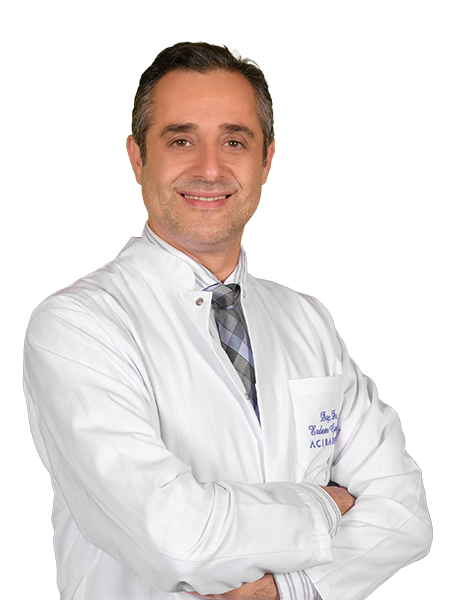
Assoc. Prof. Dr. Erdem Güven (m)
Aesthetic Plastic & Reconstructive Surgery
Prof. Dr. Şükrü Yazar
Aesthetic Plastic & Reconstructive Surgery
Prof. Dr. Hakan Ağır
Aesthetic Plastic & Reconstructive Surgery
Prof. Dr. Bülent Saçak
Aesthetic Plastic & Reconstructive Surgery