Cardiomyopathy: Enlarged or Weakened Heart Muscle Explained

Cardiomyopathy affects the heart muscle and may reduce the heart's ability to pump or relax normally. Symptoms can include shortness of breath, fatigue, swelling in the legs, palpitations, chest discomfort, or fainting.
Key Takeaways
- Cardiomyopathy affects the heart muscle and may reduce the heart's ability to pump or relax normally.
- Symptoms can include shortness of breath, fatigue, swelling in the legs, palpitations, chest discomfort, or fainting.
- Common types include dilated, hypertrophic, restrictive, arrhythmogenic, and stress-related cardiomyopathy.
- Diagnosis may involve an ECG, echocardiogram, blood tests, cardiac MRI, rhythm monitoring, and sometimes genetic testing.
- Treatment depends on the type and severity and may include lifestyle changes, medicines, devices, procedures, or surgery.
- People with a family history of cardiomyopathy or sudden cardiac death should ask a doctor about screening.
Cardiomyopathy is a group of heart muscle diseases that can make the heart enlarged, thickened, stiff, or weakened. With proper diagnosis, treatment, and follow-up, many people can manage symptoms and reduce the risk of complications.
Overview
Cardiomyopathy is a medical term for diseases of the heart muscle. In these conditions, the heart muscle may become enlarged, thickened, stiff, scarred, or weaker than usual. As a result, the heart may have difficulty pumping blood forward, filling with blood between beats, or maintaining a steady rhythm.
Cardiomyopathy is not one single disease. It includes several different conditions with different causes, patterns, and treatments. Some people have mild disease and few symptoms for many years, while others develop signs of heart failure or abnormal heart rhythms. The condition may be inherited, related to another medical problem, or occur after a trigger such as infection, pregnancy, certain medicines, alcohol misuse, or long-term high blood pressure.
The main goal of care is to understand the specific type of cardiomyopathy, treat reversible causes when possible, relieve symptoms, protect heart function, and reduce the risk of complications. Regular follow-up with a cardiologist is important because treatment plans often need adjustment over time.
Types of Cardiomyopathy
The most common form is dilated cardiomyopathy. In this type, one or more heart chambers, especially the left ventricle, become enlarged and the muscle may weaken. This can reduce the amount of blood pumped with each heartbeat and may lead to symptoms of heart failure, such as breathlessness or swelling.
Hypertrophic cardiomyopathy occurs when the heart muscle becomes abnormally thick. The thickened muscle can make it harder for the heart to relax and fill properly. In some people, it can also partly block blood flow out of the heart. Hypertrophic cardiomyopathy is often inherited, so family screening may be recommended.
Restrictive cardiomyopathy is less common and happens when the heart muscle becomes stiff, limiting its ability to fill with blood. Arrhythmogenic cardiomyopathy affects the structure of the heart muscle and may increase the risk of rhythm disturbances. Stress-related cardiomyopathy, sometimes called Takotsubo cardiomyopathy, is usually temporary and can occur after intense emotional or physical stress.
Symptoms
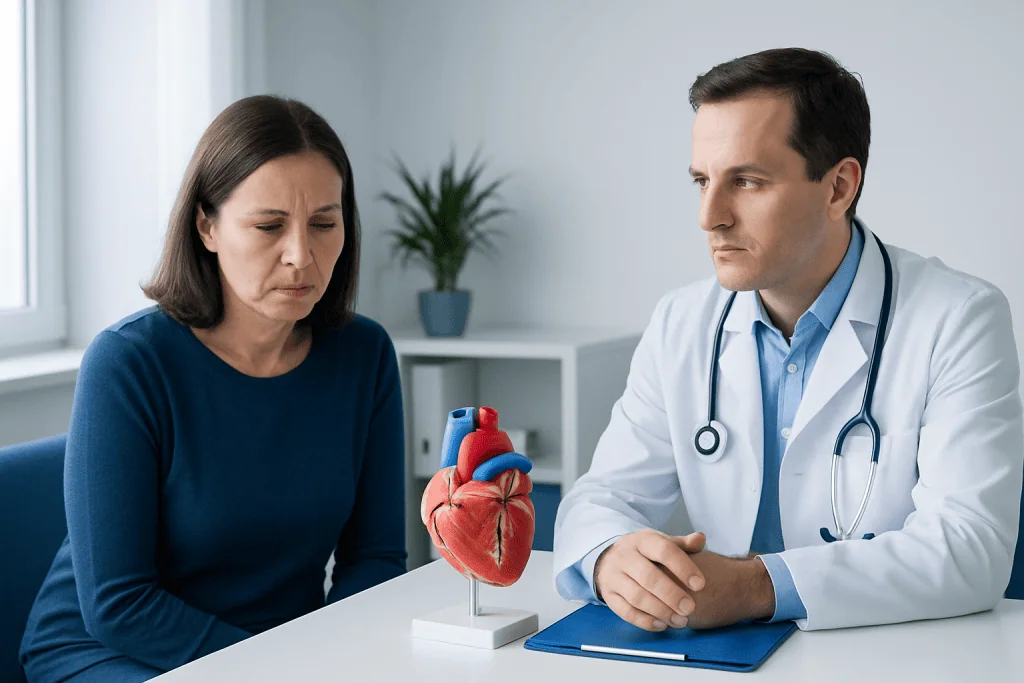
Symptoms vary depending on the type of cardiomyopathy, how advanced it is, and whether abnormal heart rhythms are present. Some people have no symptoms at first and are diagnosed after a routine examination, family screening, or a test performed for another reason.
When symptoms occur, they may develop gradually or appear more suddenly. Common symptoms include:
- Shortness of breath during activity or when lying flat
- Unusual tiredness, reduced exercise tolerance, or weakness
- Swelling in the ankles, feet, legs, or abdomen
- Palpitations, skipped beats, or a racing heartbeat
- Chest discomfort, pressure, or tightness
- Dizziness, lightheadedness, or fainting
- Unexplained weight gain from fluid retention
These symptoms can have many causes, not only cardiomyopathy. However, because they may reflect changes in heart function, they should be discussed with a qualified doctor, especially if they are new, persistent, worsening, or associated with fainting or chest pain.
Causes and Risk Factors
Cardiomyopathy may be inherited or acquired. Inherited cardiomyopathy is caused by changes in genes that affect heart muscle structure or function. A person may be at higher risk if close relatives have cardiomyopathy, heart failure at a young age, unexplained fainting, implanted defibrillators, or sudden cardiac death.
Acquired causes and contributors can include long-standing high blood pressure, coronary artery disease, previous heart attack, heart valve disease, viral infections affecting the heart, thyroid disease, diabetes, kidney disease, autoimmune conditions, and certain nutritional deficiencies. Some cancer treatments, toxins, stimulant drugs, and heavy alcohol use may also damage the heart muscle in susceptible individuals.
Cardiomyopathy can also occur during pregnancy or in the months after delivery, known as peripartum cardiomyopathy. In many cases, more than one factor is involved. Identifying treatable contributors is an important part of care because controlling blood pressure, rhythm problems, endocrine disorders, or exposure to harmful substances may help protect the heart.
Diagnosis
Diagnosis begins with a careful medical history and physical examination. The doctor asks about symptoms, exercise tolerance, medications, alcohol or drug exposure, pregnancy history, infections, and family history of heart disease. During the examination, the doctor may listen for heart murmurs, fluid in the lungs, irregular rhythm, or signs of fluid retention.
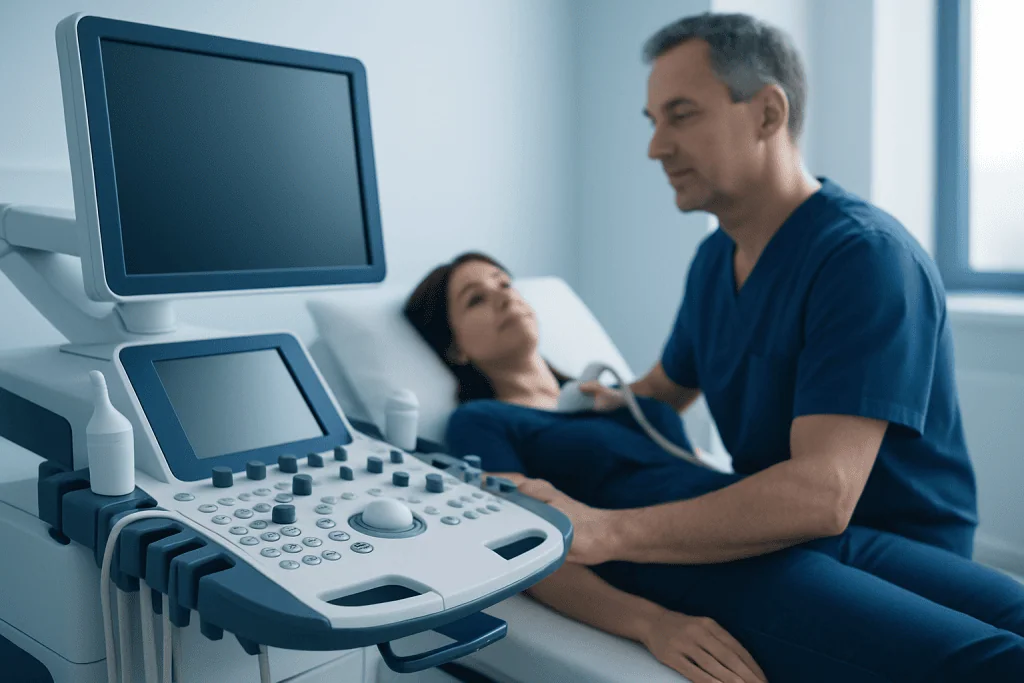
Common tests include an electrocardiogram, or ECG, which records the heart’s electrical activity, and an echocardiogram, which uses ultrasound to assess heart size, pumping strength, valve function, wall thickness, and blood flow. Blood tests may be used to check for anemia, kidney function, thyroid problems, electrolyte imbalance, markers of heart strain, or other contributing conditions.
Additional tests may be recommended depending on the findings. These may include ambulatory rhythm monitoring, exercise testing, cardiac MRI, CT imaging, coronary angiography, or cardiac catheterization. In selected cases, genetic testing can help identify inherited forms and guide family screening. Rarely, a small sample of heart tissue may be taken for biopsy when specific inflammatory, infiltrative, or storage diseases are suspected.
Treatment Options
Treatment is personalized according to the type of cardiomyopathy, severity of symptoms, heart pumping function, rhythm findings, other medical conditions, and patient goals. Some people need monitoring and lifestyle guidance only, while others benefit from medicines, implanted devices, procedures, or surgery. The treatment plan should always be made with a cardiologist or heart failure specialist.
Medicines may be used to reduce the heart’s workload, control blood pressure, remove excess fluid, improve pumping efficiency, regulate heart rhythm, or reduce the risk of blood clots when appropriate. People with heart failure related to cardiomyopathy may receive several medications that work together. It is important not to stop or change heart medicines without medical advice, even if symptoms improve.
Devices and procedures may be considered for some patients. A pacemaker can help coordinate slow or abnormal heart rhythms. An implantable cardioverter-defibrillator may be recommended for people at higher risk of dangerous rhythms. Cardiac resynchronization therapy can improve coordination of the heartbeat in selected heart failure patients. In hypertrophic cardiomyopathy with significant obstruction, specialized medicines or procedures may be used to reduce blockage. In advanced cases, mechanical circulatory support or heart transplantation may be considered after thorough evaluation.
Prevention and Self-Care
Not all forms of cardiomyopathy can be prevented, especially inherited types. However, many steps can support heart health and reduce strain on the heart. These include managing high blood pressure, diabetes, cholesterol, thyroid disease, and sleep apnea; avoiding smoking; limiting alcohol as advised by a doctor; and avoiding recreational drugs or stimulants that can affect the heart.
A heart-healthy lifestyle is often part of treatment. Patients may be advised to follow a balanced eating pattern rich in vegetables, fruits, whole grains, lean proteins, and healthy fats. Some people with fluid retention may need guidance on salt and fluid intake. Physical activity is usually encouraged in a safe, individualized way, but people with certain forms of cardiomyopathy may need restrictions on intense competitive sports or heavy exertion.
Self-monitoring can help detect changes early. Patients may be asked to track weight, swelling, breathing, pulse, blood pressure, and exercise tolerance. Keeping appointments, taking medicines consistently, receiving recommended vaccinations, and discussing pregnancy plans or travel plans with a doctor are also important parts of long-term care.
When to See a Doctor
A person should seek medical evaluation for ongoing shortness of breath, unexplained fatigue, swelling in the legs or abdomen, palpitations, chest discomfort, dizziness, or fainting. People with known cardiomyopathy should contact their healthcare team if symptoms worsen, if weight increases quickly due to fluid retention, or if new rhythm symptoms occur.
Family history matters. Anyone with a close relative diagnosed with cardiomyopathy, unexplained heart failure, sudden cardiac death, or serious rhythm problems should ask a doctor whether screening is appropriate. Screening may include an ECG, echocardiogram, and sometimes genetic counseling or genetic testing.
International patients can also access evaluation and treatment through multidisciplinary cardiology teams. Acibadem International’s JCI-accredited hospitals provide diagnosis and management of cardiomyopathy with cardiologists, imaging specialists, rhythm specialists, and heart failure teams working together. The right care pathway depends on each patient’s diagnosis, test results, and overall health.
Frequently asked questions
Is cardiomyopathy the same as heart failure?
No. Cardiomyopathy is a disease of the heart muscle, while heart failure is a clinical condition in which the heart cannot pump or fill well enough to meet the body's needs. Cardiomyopathy can cause heart failure, but not everyone with cardiomyopathy has heart failure symptoms.
Can cardiomyopathy be cured?
Some forms improve significantly when the cause is treated, such as certain stress-related, pregnancy-related, rhythm-related, or toxin-related cases. Inherited or long-standing forms may not be fully curable, but treatment can often control symptoms, support heart function, and reduce complications. Regular follow-up is important.
Is an enlarged heart always cardiomyopathy?
Not always. An enlarged heart can be seen with cardiomyopathy, but it may also occur due to high blood pressure, valve disease, athletic conditioning, anemia, thyroid disease, or other conditions. Imaging tests such as echocardiography and cardiac MRI help clarify the cause.
Can people with cardiomyopathy exercise?
Many people can and should remain physically active, but the safest type and intensity of exercise depends on the type of cardiomyopathy, symptoms, rhythm risk, and heart function. A cardiologist can provide individualized advice. People should avoid starting intense training without medical guidance.
Should family members be tested?
Family screening may be recommended when cardiomyopathy appears inherited or when there is a history of sudden cardiac death, unexplained fainting, or serious rhythm problems. Screening can include a medical history, ECG, echocardiogram, and sometimes genetic counseling. A doctor can advise which relatives should be evaluated and how often.
What symptoms need urgent medical attention?
Urgent care is needed for severe or persistent chest pain, fainting, severe shortness of breath, sudden weakness, or symptoms of a stroke. A very fast or irregular heartbeat with dizziness, chest discomfort, or breathlessness should also be assessed promptly. People with known cardiomyopathy should follow the emergency plan given by their healthcare team.
References
- American Heart Association
- European Society of Cardiology
- National Heart, Lung, and Blood Institute
- Mayo Clinic
- World Health Organization
This article is for general information only and is not a substitute for professional medical advice. Please consult a qualified doctor about your individual situation.
Explore treatments in Turkey — costs, top hospitals & a free quote
JCI-accredited · board-certified surgeons · reply within 24h
Add us as a Preferred Source to see more of our trusted health content across Google Search, AI Overviews and Discover.
Check your numbers in seconds
BMI, calories, due date, blood pressure and 30+ more clinical calculators — free, instant, doctor-reviewed ranges.

Cardiology Department
Diagnosis and treatment of heart and vascular conditions, from prevention to advanced interventional procedures.
91 specialists in this unit