

Cheek Augmentation Before and After: What Results Look Realistic?
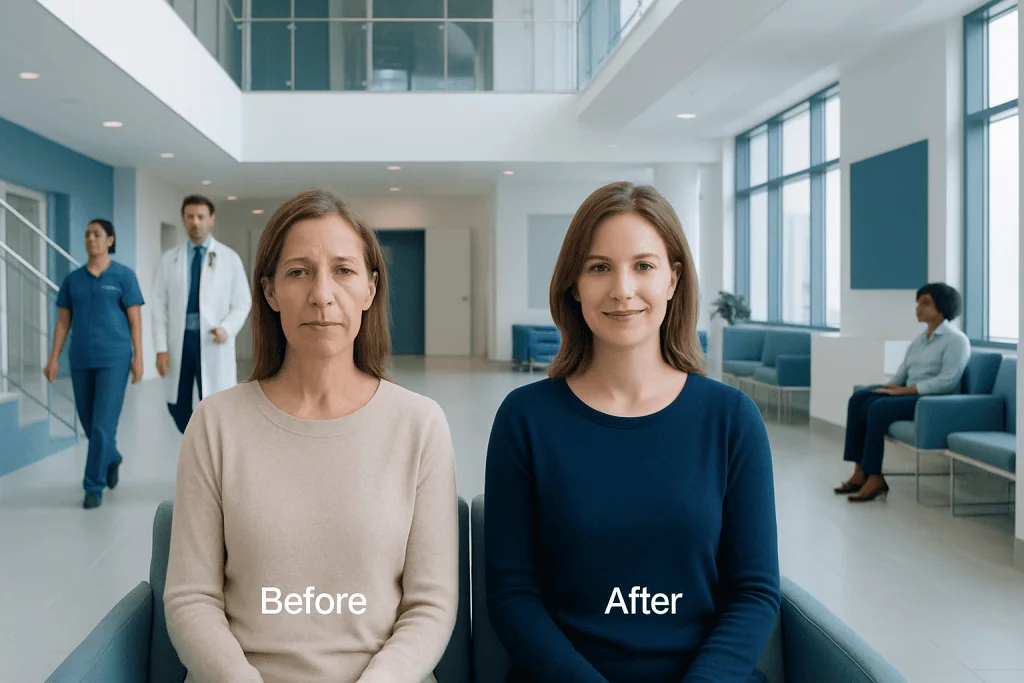
Natural-looking cheek augmentation aims for balance, not an exaggerated appearance. Results vary depending on whether fillers, fat transfer, or implants are used.
Key Takeaways
- Natural-looking cheek augmentation aims for balance, not an exaggerated appearance.
- Results vary depending on whether fillers, fat transfer, or implants are used.
- Good candidates have clear goals, healthy skin, and an understanding of what treatment can and cannot change.
- Swelling can temporarily make early results look larger or less defined than the final outcome.
- Choosing an experienced specialist is important for facial harmony, safety, and long-term satisfaction.
Cheek augmentation can improve midface volume and contour, but the most natural results are usually subtle rather than dramatic. Realistic before-and-after changes depend on facial structure, skin quality, technique, and careful treatment planning.
Overview: What Cheek Augmentation Can Realistically Change
Cheek augmentation is a cosmetic procedure designed to add volume, improve contour, or restore definition in the midface. People often seek it when their cheeks appear flat, hollow, asymmetrical, or less prominent than they would like. In some cases, treatment is requested because of age-related volume loss; in others, it is part of a broader effort to create better balance between the cheeks, chin, jawline, and eyes.
When patients search for “before and after” images, it helps to remember that realistic results are usually refined rather than dramatic. A successful outcome often means the face looks fresher, more structured, and more proportionate without obviously looking “done.” The goal is not to copy someone else’s face, but to enhance the person’s own facial anatomy in a way that fits their natural features.
Cheek augmentation may be performed with dermal fillers, fat transfer, or implants. Each option has different strengths, recovery patterns, and durability. Some people benefit from a temporary, nonsurgical trial first, while others need a more lasting structural approach such as cheek augmentation.
What Before-and-After Results Usually Look Like
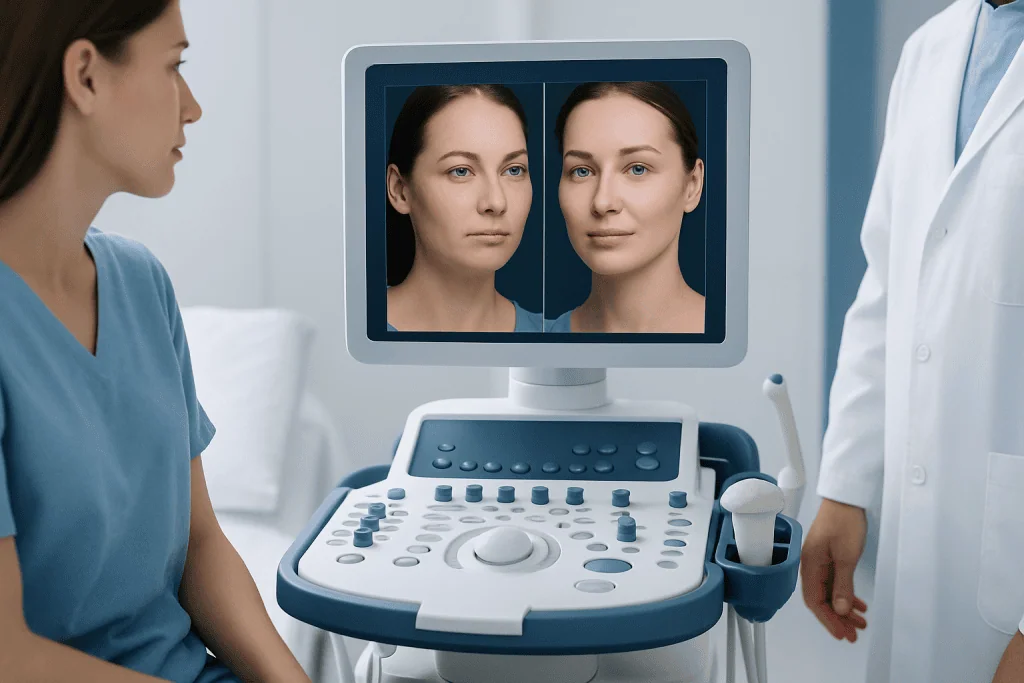
Realistic before-and-after changes often include better cheek projection, smoother transition under the eyes, softer hollows, and improved facial symmetry. In profile view, the midface may appear more lifted or supported. From the front, the cheeks may look fuller but should still remain consistent with the person’s bone structure, skin thickness, and overall facial shape.
Patients sometimes expect large changes from a small treatment, especially after seeing filtered or edited online images. In practice, a natural result generally avoids an overly round, overly high, or sharply sculpted look unless that outcome is specifically requested and appropriate for the patient’s features. Most specialists aim for gradual enhancement so the face still moves and photographs naturally.
Final results also depend on the starting point. A younger person with mild flatness may see subtle refinement, while someone with marked volume loss may notice a greater visible improvement. If there is asymmetry from previous injury or facial trauma, the goal may be improvement rather than perfect mirror-image symmetry.
- Common realistic improvements include fuller upper cheeks, softened hollows, and a more balanced side profile.
- Unrealistic expectations include changing the entire face shape or achieving perfect symmetry.
- Early photos can be misleading because swelling may temporarily exaggerate the result.
Factors That Influence Natural-Looking Results
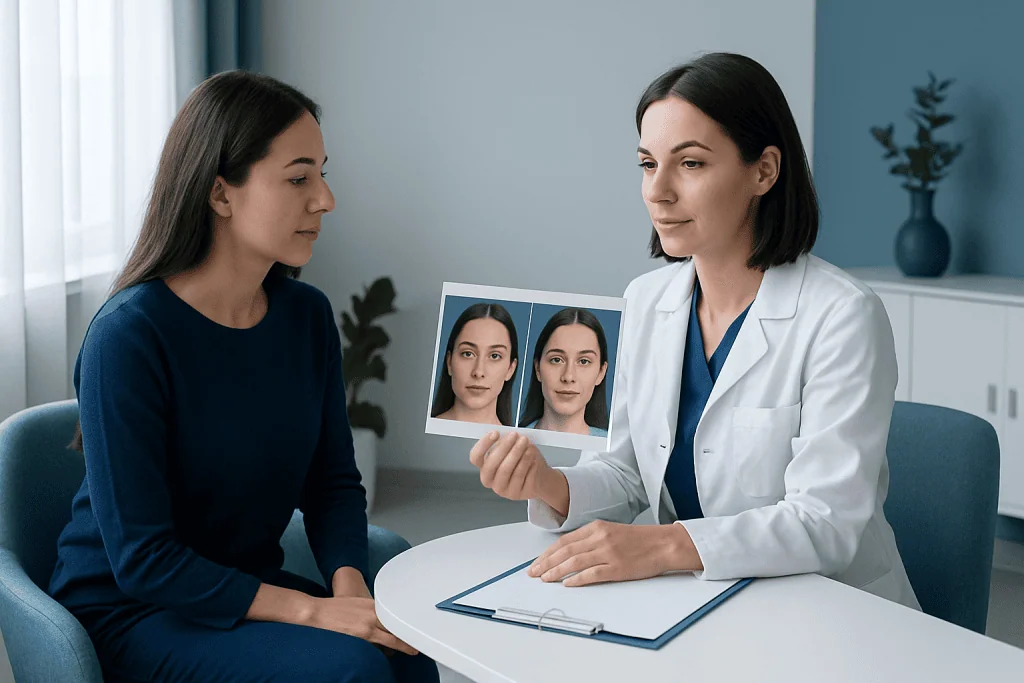
Several factors shape how cheek augmentation will look before and after treatment. Facial bone structure is one of the most important. People with naturally broad cheekbones, narrow faces, fuller skin, or thinner soft tissue will all respond differently to the same technique. Skin elasticity also matters because firmer skin may support added volume better than skin with more laxity.
Age is another major factor. In younger adults, cheek augmentation is often used to increase definition or projection. In older adults, treatment may focus more on restoring lost volume and supporting neighboring areas of the face. That is why the same amount of filler or fat can create very different visual effects in different patients.
The injector’s or surgeon’s planning is equally important. Specialists usually assess the face as a whole rather than treating the cheeks in isolation. In some cases, cheek enhancement works best when coordinated with neighboring features such as the chin, jawline, or neck. For example, a patient seeking stronger profile balance may discuss both cheek contour and chin reshaping options during consultation.
Cheek Fillers, Fat Transfer, and Implants: How Results Differ
Dermal fillers are often chosen by people who want a nonsurgical option with minimal downtime. They can add volume, improve contour, and help patients preview what fuller cheeks may look like before committing to a longer-lasting procedure. Results are visible quickly, but they are temporary and may require maintenance over time.
Fat transfer uses the patient’s own fat, usually taken from another area of the body, processed, and then injected into the cheeks. This approach can provide a softer, more natural-feeling result and may last longer than fillers, though some of the transferred fat does not survive. Because this technique depends on healing and fat retention, the final result may take time to settle. In selected patients, specialists may discuss facial volume restoration in the context of broader lipofilling techniques.
Cheek implants provide a more structural and longer-lasting change. They may be helpful for patients with naturally flat midfaces or those seeking stronger projection. However, implants require surgery and involve a different recovery and risk profile than fillers or fat transfer. The best option depends on anatomy, preferences, and whether the main goal is subtle soft-tissue volume or more defined skeletal contour.
- Fillers: temporary, adjustable, quick recovery.
- Fat transfer: uses the patient’s own tissue, softer contour, variable retention.
- Implants: more permanent structure, surgical recovery, strong projection.
Assessment, Planning, and How Doctors Decide What Is Realistic
A consultation for cheek augmentation usually includes a discussion of goals, medical history, previous cosmetic treatments, and facial analysis. The doctor may look at the face from multiple angles, including front, profile, and three-quarter view. They often assess cheek position, under-eye support, skin quality, asymmetry, and how the cheeks relate to the nose, lips, chin, and jawline.
Photographs are commonly used to compare baseline appearance and support treatment planning. This is where “before and after” expectations should be discussed carefully. A qualified specialist should explain what can likely be improved, what may remain unchanged, and whether a staged approach would be safer or more natural. For instance, adding too much volume at once can make results look artificial, while gradual layering may provide better control.
It is also important to identify issues that cheek augmentation alone will not correct. Significant skin laxity, lower-face heaviness, or scarring may call for other strategies. If a person has a history of raised scarring such as keloid scars, this should be discussed before any surgical option is planned.
Recovery Timeline and When Final Results Appear
Recovery varies by method. After fillers, there may be temporary swelling, tenderness, or bruising for several days. With fat transfer or implants, swelling usually lasts longer and the cheeks may look fuller than expected at first. This early phase is normal and does not represent the final appearance.
Patients often judge results too soon. Fillers may settle within days to a couple of weeks, while fat transfer and implants may take several weeks or longer to reveal their final contour. Small differences between the right and left side can also look more noticeable during healing because swelling is rarely perfectly even.
Following aftercare instructions supports the best outcome. Patients are generally advised to protect the treated area, avoid unnecessary pressure, and attend follow-up visits. Anyone who develops increasing pain, marked asymmetry, unusual redness, or other concerning symptoms should contact their doctor promptly for advice.
Safety, Risks, and How to Improve Satisfaction
As with any cosmetic procedure, cheek augmentation has potential risks. Depending on the method used, these can include bruising, swelling, infection, asymmetry, irregular contour, implant-related issues, or dissatisfaction with the cosmetic result. Injectable treatments also carry important safety considerations and should only be performed by appropriately trained medical professionals with a strong understanding of facial anatomy.
Patient satisfaction is often highest when goals are specific and realistic. Helpful goals include restoring age-related volume loss, softening hollows, or improving facial proportion. Less helpful expectations include trying to look identical to a celebrity or expecting cheek augmentation to solve all signs of aging across the face.
Choosing an experienced specialist, reviewing unedited examples of outcomes, and asking clear questions about technique and recovery can all improve decision-making. For people considering facial balancing, discussion may also include nearby procedures such as neck contouring if that would better support harmony in profile. Near the end of the care journey, some international patients choose centers such as Acibadem International, where multidisciplinary specialists in JCI-accredited hospitals evaluate and treat aesthetic facial concerns.
When to See a Doctor and Questions to Ask
Anyone considering cheek augmentation should see a qualified plastic surgeon, facial plastic surgeon, or dermatologist with experience in facial aesthetics. A consultation is especially useful if the cheeks appear hollow after weight loss or aging, if facial asymmetry is becoming more noticeable, or if previous cosmetic treatment did not produce the desired result. Professional assessment is also important before repeat injections or revision surgery.
During the visit, patients may wish to ask which method best matches their goals, how long the result is expected to last, what recovery will involve, and what risks are most relevant in their case. They can also ask how swelling may affect early photos, whether treatment should be staged, and what signs would require urgent follow-up after the procedure.
People should seek prompt medical advice after treatment if they have severe or worsening pain, major color changes in the skin, fever, increasing swelling, drainage, or sudden visual symptoms. These problems are not expected parts of routine healing and should be assessed by a doctor without delay.
Frequently asked questions
How natural does cheek augmentation look?
Cheek augmentation can look very natural when it is planned conservatively and tailored to the person’s facial structure. The best results usually enhance balance and definition without making the cheeks look overfilled or overly sharp.
How long does it take to see final before-and-after results?
This depends on the treatment method. Fillers may settle within days to a couple of weeks, while fat transfer or implants often need several weeks or longer for swelling to improve and the final contour to appear.
What is the difference between cheek fillers and cheek implants?
Cheek fillers are nonsurgical, temporary, and adjustable, which makes them a common first step for patients exploring facial volume changes. Cheek implants are surgical and provide a more permanent structural enhancement, especially for people seeking stronger projection.
Can cheek augmentation fix facial asymmetry?
It can often improve asymmetry, but it may not remove it completely. Because most faces are naturally a little uneven, the realistic goal is usually better balance rather than perfect symmetry.
Will cheek augmentation make me look younger?
It can create a more refreshed appearance, especially when age-related volume loss has made the midface look flatter or more hollow. However, it does not treat every sign of aging, so some patients may need a broader facial assessment.
Who is a good candidate for cheek augmentation?
Good candidates are generally healthy adults who want more cheek definition, better facial balance, or restored midface volume and who understand the limits of treatment. A consultation is important to decide whether fillers, fat transfer, or implants are the safest and most suitable choice.
References
- American Society of Plastic Surgeons
- American Board of Cosmetic Surgery
- American Academy of Dermatology
- NHS
- Mayo Clinic
This article is for general information only and is not a substitute for professional medical advice. Please consult a qualified doctor about your individual situation.
Cheek Augmentation in Turkey — costs, top hospitals & a free quote
JCI-accredited · board-certified surgeons · reply within 24h
Add us as a Preferred Source to see more of our trusted health content across Google Search, AI Overviews and Discover.

Plastic, Reconstructive & Aesthetic Surgery
Reconstructive and aesthetic procedures for the face and body, performed by experienced surgeons.
35 specialists in this unitRelated Treatments
Related Conditions
More from the Health Library



Related Specialists
Assoc. Prof. Dr. Erdem Güven (m)
Aesthetic Plastic & Reconstructive Surgery
Prof. Dr. Şükrü Yazar
Aesthetic Plastic & Reconstructive Surgery
Prof. Dr. Hakan Ağır
Aesthetic Plastic & Reconstructive Surgery
Prof. Dr. Bülent Saçak
Aesthetic Plastic & Reconstructive Surgery