

Choosing a Women’s Clinic: How to Compare Care, Expertise, and Services

A good women's clinic should offer qualified specialists, safe care, and clear communication. It helps to compare services for prevention, diagnosis, treatment, and long-term follow-up.
Key Takeaways
- A good women's clinic should offer qualified specialists, safe care, and clear communication.
- It helps to compare services for prevention, diagnosis, treatment, and long-term follow-up.
- Comfort, privacy, access to testing, and coordination with other specialties can improve the care experience.
- Women should consider their current life stage, such as contraception, pregnancy planning, menopause, or complex gynecologic symptoms.
- Asking practical questions before booking can make it easier to choose a clinic that is the right fit.
Choosing a women's clinic is about more than location or convenience. The best fit usually combines qualified specialists, clear communication, appropriate services, and a care approach that matches a woman's age, goals, and health needs.
Overview: What a Women's Clinic Should Offer
A women’s clinic supports health needs that can change throughout life, from adolescence to reproductive years, pregnancy planning, and menopause. Depending on the clinic, care may include routine gynecology, cervical screening, contraception counseling, menstrual problem assessment, menopause support, breast health evaluation, fertility guidance, and treatment for common gynecologic conditions.
When choosing a women’s clinic, many people first look at location or appointment availability. Those points matter, but they are only part of the decision. A better comparison also considers the experience of the doctors, the range of services, access to diagnostic tests, the clinic’s communication style, and whether care feels respectful and individualized.
Some clinics mainly provide basic preventive care, while others are designed for more complex needs and can coordinate imaging, laboratory testing, minimally invasive procedures, fertility care, or surgery. For women with ongoing symptoms or a chronic condition, access to a broader team can make diagnosis and treatment more efficient.
How to Compare Expertise and Qualifications
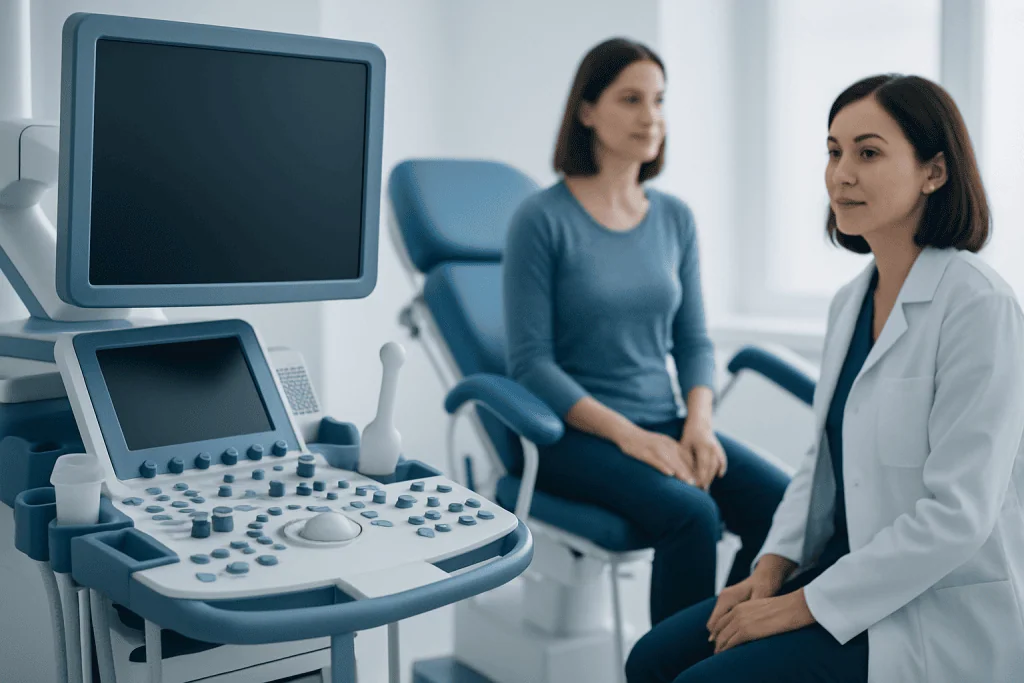
One of the most important factors is who provides the care. Women may wish to look for board-certified or appropriately accredited gynecologists and obstetrician-gynecologists, along with nurses, midwives, or other clinicians working within their scope of practice. Training, clinical experience, and special interests can all influence whether a clinic is a good fit.
It can be helpful to check whether the clinic has expertise in a specific area that matches the patient’s needs. For example, one woman may need routine screening and contraceptive advice, while another may need help with heavy bleeding, pelvic pain, endometriosis, fibroids, fertility concerns, or menopausal symptoms. In those situations, a clinic with focused experience may offer a more tailored evaluation.
Multidisciplinary access is another sign of strong support. Some women benefit from collaboration between gynecology and radiology, endocrinology, breast health, fertility, pelvic floor therapy, or oncology teams. This can be especially useful when symptoms overlap or when one condition affects several aspects of health.
- Check the clinician’s specialty and experience.
- Ask whether the clinic regularly manages the condition or life stage in question.
- Look for coordinated access to related specialties if needed.
- Consider whether the clinic offers continuity, so follow-up can happen with the same team.
Which Services Matter Most
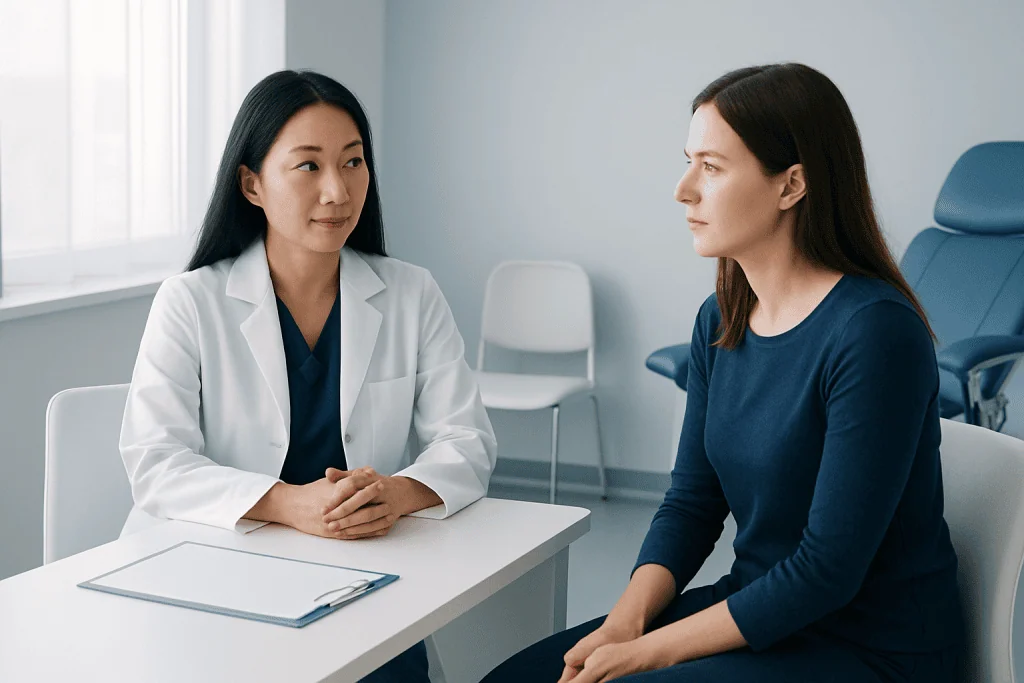
The right clinic often depends on the type of care a woman expects to need now and in the future. A well-rounded women’s clinic may provide preventive visits, pelvic examinations, cervical cancer screening, sexually transmitted infection testing, contraception counseling, breast examinations, ultrasound, menopause support, and evaluation of menstrual changes or pelvic symptoms.
For some women, broader services are especially important. Those trying to conceive may value access to fertility assessment or IVF treatment options. Women with severe period pain or chronic pelvic symptoms may want a clinic experienced in evaluating endometriosis. Others may need help for abnormal bleeding, ovarian cysts, fibroids, or prolapse, all of which may require imaging and specialist follow-up.
It is also worth asking whether tests and procedures are available on site or arranged through trusted partner departments. Having ultrasound, laboratory testing, colposcopy, or minor office procedures in one system can reduce delays and make care easier to navigate. If surgery may be needed, women can ask whether the clinic offers robotic surgery or other minimally invasive approaches when appropriate.
Safety, Quality, and the Patient Experience
Clinical quality is not only about treatment options. It also includes infection control, privacy standards, informed consent, reliable recordkeeping, and clear explanations of risks and benefits. A trustworthy clinic should make patients feel listened to and should explain tests or procedures in language that is easy to understand.
Comfort and communication matter in women’s health because many visits involve personal concerns. Patients may prefer a clinic that offers enough time for questions, respectful examination practices, and a supportive environment for discussing topics such as menstrual pain, sexual health, fertility, or menopause. Access to interpreters or multilingual staff can also improve understanding and confidence.
Practical details can affect the overall experience as well. Women may want to compare waiting times, appointment scheduling, follow-up systems, digital access to results, and how easily they can contact the clinic after a visit. These features can be especially valuable when symptoms are ongoing and close follow-up is needed.
Questions to Ask Before Booking
Preparing a few questions in advance can make clinic comparisons more objective. Women can ask what types of visits the clinic provides, whether a doctor with experience in their concern is available, and what testing can be done on site. It is also reasonable to ask how urgent issues are handled and how quickly results are usually communicated.
Questions about continuity are useful too. Some patients prefer to see the same clinician at each visit, especially for long-term concerns such as heavy periods, menopause symptoms, fertility planning, or persistent pelvic pain. Others may prioritize faster access to any qualified clinician. Knowing the clinic’s approach ahead of time can help avoid frustration.
Women considering procedures or surgery may also ask how treatment decisions are made and whether conservative options are discussed first. If an operation may be necessary, it helps to know whether the clinic can coordinate hospital care, pathology, imaging, and aftercare. These details offer a clearer picture of how complete and organized the service really is.
- Who will provide the consultation and follow-up?
- What diagnostic tests are available, and where are they done?
- How are urgent symptoms managed?
- Are treatment plans individualized and clearly explained?
- What support is available after procedures or test results?
Choosing Based on Life Stage and Health Goals
The best women’s clinic for one person may not be the best for another. A teenager or young adult may mainly need education, menstrual care, and contraception advice. Someone planning pregnancy may want preconception guidance, genetic counseling, and access to fertility services. A woman in midlife may be more focused on perimenopause, bone health, urinary symptoms, and screening.
Symptoms also guide the choice. Women with severe cramps, pelvic pressure, or heavy bleeding may need a clinic with experience in conditions such as uterine fibroids or adenomyosis. Those with a breast lump, nipple discharge, or abnormal imaging may benefit from a center that can coordinate breast specialists and diagnostics quickly. Patients with a family history of gynecologic cancers may prefer a clinic with stronger links to oncology and genetic evaluation.
For women seeking treatment as international patients, care coordination becomes especially important. Support with medical records, travel planning, language needs, and scheduling several appointments efficiently can make the process smoother. Near the end of the care pathway, some patients also value a clinic that can communicate recommendations back to their local doctor for ongoing follow-up.
When to Seek Medical Advice Promptly
Routine women’s health visits are important, but some symptoms should be assessed sooner rather than later. Prompt medical advice is appropriate for very heavy bleeding, bleeding after menopause, severe pelvic pain, a new breast lump, unusual vaginal discharge with fever, fainting, or symptoms that are rapidly worsening. New or persistent symptoms should not be ignored simply because they seem embarrassing or personal.
Women should also seek evaluation if they have irregular periods that continue, pain during sex, unexplained pelvic bloating, ongoing urinary symptoms, difficulty becoming pregnant, or changes in menstrual patterns that affect daily life. These concerns are common, and a proper assessment can help identify the cause and guide treatment.
If a clinic visit leads to the need for more advanced care, a larger women’s health center may be able to coordinate imaging, surgery, or specialist consultation. Acibadem International’s multidisciplinary specialists and JCI-accredited hospitals diagnose and treat a wide range of women’s health conditions for international patients, including access to options such as laparoscopic surgery when clinically appropriate.
Frequently asked questions
What is the most important factor when choosing a women's clinic?
The most important factor is usually whether the clinic can safely and appropriately meet the woman's specific health needs. Expertise, communication, available services, and follow-up support often matter more than convenience alone.
Should a women's clinic offer more than routine gynecology?
In many cases, yes. Clinics with access to imaging, laboratory testing, minor procedures, and related specialists can make care more efficient, especially when symptoms are complex or ongoing. However, the right level of service depends on the individual's needs.
How can someone tell if a clinic has the right expertise?
It helps to review the clinicians' qualifications, specialties, and the kinds of conditions the clinic commonly manages. Patients can also ask whether the team regularly treats concerns such as heavy bleeding, fertility issues, menopause symptoms, or pelvic pain.
Is it better to choose a large center or a smaller clinic?
Both can be appropriate, depending on the situation. A smaller clinic may feel more personal and convenient for routine care, while a larger center may offer broader diagnostics, specialist access, and surgical options if needed.
What questions should be asked before making an appointment?
Useful questions include who will provide the consultation, what tests are available, how urgent problems are handled, and how results are shared. It is also reasonable to ask about continuity of care and whether follow-up can be arranged with the same team.
When should a woman seek care urgently rather than wait for a routine visit?
Urgent assessment is important for very heavy bleeding, severe pelvic pain, bleeding after menopause, a new breast lump, or symptoms such as fever and fainting. Persistent or worsening symptoms should also be evaluated by a qualified doctor.
References
- World Health Organization
- American College of Obstetricians and Gynecologists
- Office on Women's Health
- National Health Service
- Royal College of Obstetricians and Gynaecologists
This article is for general information only and is not a substitute for professional medical advice. Please consult a qualified doctor about your individual situation.
IVF & fertility treatment in Turkey — success rates and costs
JCI-accredited · board-certified surgeons · reply within 24h
Add us as a Preferred Source to see more of our trusted health content across Google Search, AI Overviews and Discover.

More from the Health Library



Related Specialists

Prof. Dr. Uğur Işık
Pediatric Neurology
Dr. İkbale Yılmaz Can
Pediatrics
Dr. Selcen Bahadır
Gynecology & Obstetrics
Dr. Ömercan Yağız Öksüz
Aesthetic Plastic & Reconstructive Surgery