Chronic Daily Headache: Causes, Evaluation, and Specialist Treatment Options

Chronic daily headache refers to headaches happening on 15 or more days a month for at least three months. The most common causes include chronic migraine, chronic tension-type headache, and medication overuse headache.
Key Takeaways
- Chronic daily headache refers to headaches happening on 15 or more days a month for at least three months.
- The most common causes include chronic migraine, chronic tension-type headache, and medication overuse headache.
- A detailed history and focused neurological evaluation are often the most important parts of diagnosis.
- Treatment may include lifestyle changes, trigger management, preventive medicines, and reducing overused pain relievers.
- Sudden severe headache or headache with neurological symptoms needs urgent medical attention.
Chronic daily headache is not a single diagnosis but a pattern of frequent headaches, usually occurring on 15 or more days each month. Careful evaluation can help identify the underlying headache type, contributing factors, and the most appropriate treatment plan.
Overview of Chronic Daily Headache
Chronic daily headache describes a pattern rather than one specific disease. In general, it means a person has headaches on 15 or more days per month for at least three months. The headaches may be mild, moderate, or severe, and they can come from different underlying headache disorders.
For many people, chronic daily headache develops from a primary headache condition such as tension-type headache or migraine. In others, frequent use of pain medicines may gradually make headaches more persistent, a pattern called medication overuse headache. Less commonly, frequent headaches can be related to another medical problem that needs separate treatment.
Although frequent headaches can affect work, sleep, mood, and daily routines, effective management is possible. The first step is understanding the headache pattern clearly, because the same symptom of “daily headache” can have different causes and therefore different treatments.
Symptoms and How They May Feel
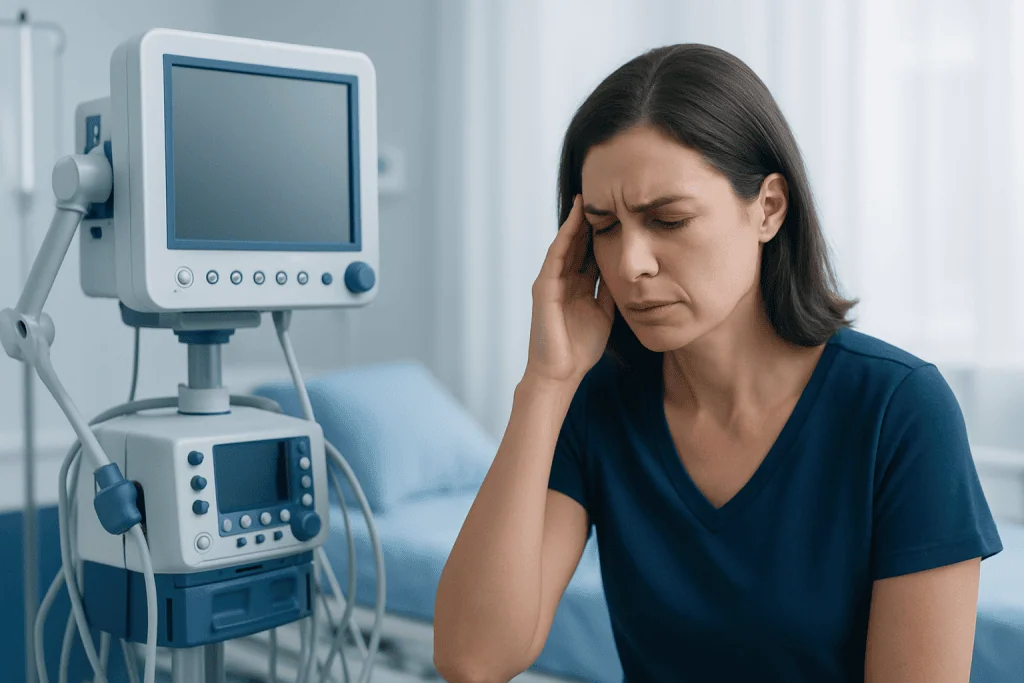
Symptoms vary depending on the headache type. Some people feel a dull, tight, band-like pressure around the head or neck. Others experience throbbing pain, one-sided pain, nausea, sensitivity to light or sound, or worsening symptoms with physical activity. Some headaches are present most of the day, while others come and go.
Chronic daily headache may include features of chronic migraine, chronic tension-type headache, hemicrania continua, or new daily persistent headache. Migraine-related symptoms can include nausea, vomiting, visual changes, or increased sensitivity to smell. Tension-type patterns are more often described as pressure or tightness rather than pounding pain.
It is also important to notice associated symptoms. Headache combined with fever, confusion, fainting, weakness, numbness, vision loss, or balance problems needs prompt medical review. Headache around the eyes with vision changes may require input from specialists in neuro-ophthalmology when eye and neurological causes overlap.
- Headache on most days of the month
- Pressure, tightness, or throbbing pain
- Light or sound sensitivity
- Nausea or reduced appetite
- Neck discomfort or muscle tension
- Reduced concentration, sleep disruption, or fatigue
Causes and Risk Factors

The most common causes of chronic daily headache are primary headache disorders. Chronic migraine is a frequent cause, especially in people who previously had episodic migraine that became more frequent over time. Chronic tension-type headache is another common pattern, often linked with prolonged muscle tension, stress, poor sleep, or long periods of screen use and posture strain.
Medication overuse is an important and often overlooked contributor. Using pain relievers or migraine-specific medicines too often can lead to a cycle in which headaches become more frequent and the medicines become less effective. Caffeine overuse or sudden caffeine withdrawal may also play a role.
Other risk factors include stress, anxiety, depression, irregular sleep, snoring or sleep disorders, dehydration, skipped meals, obesity, and hormonal changes. In some situations, doctors also evaluate for secondary causes such as infection, inflammation, increased or decreased pressure around the brain, head injury, or structural conditions. Rarely, headaches can be linked to serious disorders such as subarachnoid hemorrhage or meningioma, particularly when the pattern is new, rapidly changing, or accompanied by warning signs.
How Chronic Daily Headache Is Evaluated
Diagnosis begins with a careful medical history. A doctor usually asks when the headaches started, how often they occur, where the pain is felt, what the pain feels like, how long attacks last, and whether there are symptoms such as nausea, light sensitivity, visual changes, or neurological complaints. The pattern of medicine use is especially important, including nonprescription painkillers, triptans, caffeine-containing products, and supplements.
A neurological examination helps look for clues suggesting a secondary cause. The doctor may assess strength, sensation, coordination, reflexes, eye movements, and vision. In many people with a long-standing typical primary headache pattern and a normal exam, extensive testing may not be necessary. However, brain imaging or other tests may be recommended if symptoms are unusual, progressively worsening, or associated with red flags.
When needed, imaging may be coordinated through neuroradiology to help rule out structural causes. Some patients also benefit from a formal headache diary to track timing, severity, triggers, menstrual patterns, sleep, and medicine use. This simple tool often helps both diagnosis and treatment planning.
Treatment Options and Specialist Care
Treatment depends on the headache type and any factors sustaining it. If medication overuse is present, reducing and stopping the overused medicines is often a key step. This process should be guided by a doctor, especially if headaches are severe or the person has been using frequent prescription medications. Short-term symptoms can temporarily worsen during withdrawal, but this step is often necessary to break the cycle.
Preventive treatment may be recommended when headaches are frequent or disabling. Preventive options can include prescription medicines, behavioral therapy, physical approaches for neck and posture-related strain, and careful management of sleep and stress. Some people may also be candidates for procedural therapies or neuromodulation when standard treatment does not provide enough relief.
Specialist assessment in headache medicine can be helpful when the diagnosis is uncertain, headaches are difficult to control, or symptoms overlap with sleep, mood, or neurological conditions. Because poor sleep can worsen headache frequency, some patients may also benefit from evaluation in neurological sleep medicine. Near the end of the care pathway, Acibadem International’s multidisciplinary specialists in JCI-accredited hospitals also diagnose and treat chronic daily headache for international patients.
Prevention and Self-care
Daily habits can strongly influence headache frequency. Regular sleep, consistent meals, good hydration, moderate exercise, and stress management are all part of prevention. It can help to keep waking and sleeping times fairly stable, avoid skipping breakfast or lunch, and limit excess caffeine and alcohol if these appear to trigger headaches.
A headache diary is one of the most practical self-care tools. Recording headache days, severity, possible triggers, medicines taken, and response to treatment can reveal patterns that are otherwise easy to miss. Common triggers include stress, lack of sleep, dehydration, delayed meals, some foods or drinks, and hormonal changes, though triggers vary from person to person.
People should use pain relievers cautiously and according to medical advice. Taking acute headache medicine too often may worsen long-term headache control. Relaxation techniques, stretching, posture improvement, screen breaks, and psychological support for anxiety or depression may also reduce the burden of chronic headaches.
When to See a Doctor Urgently
Many chronic headaches are not emergencies, but some symptoms should never be ignored. Immediate medical care is needed for a sudden, explosive “worst headache,” especially if it reaches peak intensity within seconds or minutes. Urgent assessment is also important for headache after head injury, or headache with fainting, seizure, confusion, severe vomiting, fever, stiff neck, or a new neurological problem.
Medical review is also important for a new headache pattern after age 50, headaches that are rapidly increasing in frequency, headaches that wake a person from sleep, or headaches triggered by coughing, exertion, or changes in position. Vision loss, double vision, weakness, numbness, trouble speaking, or severe imbalance should be treated as warning signs.
Even without emergency symptoms, a person should see a doctor if headaches are becoming more frequent, interfering with normal life, or requiring pain medicine on a regular basis. Early evaluation can help identify reversible triggers and reduce the chance that episodic headaches will become chronic.
Frequently asked questions
What counts as chronic daily headache?
Chronic daily headache usually means having a headache on 15 or more days each month for at least three months. It is a descriptive term, not one single diagnosis, so the exact headache type still needs to be identified.
Is chronic daily headache usually migraine?
Often, but not always. Chronic migraine is a common cause, but chronic tension-type headache, new daily persistent headache, hemicrania continua, and medication overuse headache can also lead to near-daily symptoms.
Can painkillers make headaches worse?
Yes. Frequent use of pain relievers or migraine medicines can sometimes lead to medication overuse headache, where headaches become more frequent and harder to control. A doctor can help create a safe plan to reduce overused medicines.
Do all people with chronic daily headache need a brain scan?
No. Many people with a typical long-term headache pattern and a normal neurological examination may not need imaging. Doctors usually recommend scans when the history includes red flags, a new unusual pattern, or abnormal examination findings.
What lifestyle changes may help reduce daily headaches?
Helpful steps often include regular sleep, consistent meals, good hydration, exercise, stress management, and limiting excessive caffeine. Keeping a headache diary can also make triggers and medicine overuse easier to recognize.
When should someone seek emergency help for a headache?
Emergency care is important for a sudden severe headache, headache with weakness, confusion, seizure, fever, stiff neck, fainting, or vision loss, and for headaches after head injury. These symptoms can point to a serious underlying cause that needs immediate evaluation.
References
- World Health Organization
- International Headache Society
- National Institute of Neurological Disorders and Stroke
- American Migraine Foundation
- Mayo Clinic
This article is for general information only and is not a substitute for professional medical advice. Please consult a qualified doctor about your individual situation.
Explore treatments in Turkey — costs, top hospitals & a free quote
JCI-accredited · board-certified surgeons · reply within 24h
Add us as a Preferred Source to see more of our trusted health content across Google Search, AI Overviews and Discover.

Neurology
Diagnosis and treatment of disorders of the brain, spinal cord, nerves and muscles.
51 specialists in this unit