

Classic Liposuction: How to Prepare for Surgery and Recovery
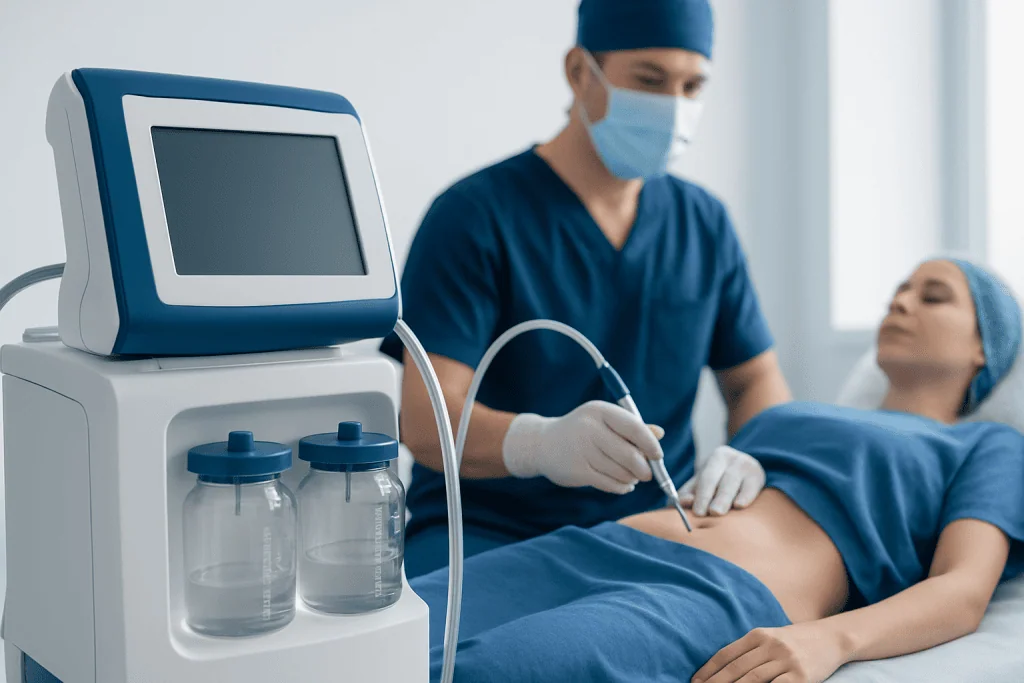
Classic liposuction is designed for body contouring, not major weight loss. Preoperative planning includes a medical review, medication guidance, and practical recovery preparation at home.
Key Takeaways
- Classic liposuction is designed for body contouring, not major weight loss.
- Preoperative planning includes a medical review, medication guidance, and practical recovery preparation at home.
- Swelling, bruising, fluid drainage, and temporary soreness are common parts of recovery.
- Compression garments, walking, hydration, and follow-up visits are important after surgery.
- Results develop gradually as swelling improves over weeks to months.
Classic liposuction is a cosmetic procedure that removes localized fat deposits to improve body contour. Good preparation, realistic expectations, and attentive recovery care can help support a smoother surgical experience and healing process.
Overview of Classic Liposuction
Classic liposuction is a surgical body-contouring procedure used to remove stubborn fat deposits from selected areas of the body. It is commonly performed on the abdomen, waist, hips, thighs, arms, back, or under the chin. The goal is to reshape body contours when diet and exercise have not changed certain localized areas as much as a person hoped.
During the procedure, a surgeon inserts a thin tube called a cannula through small incisions and removes fat with controlled suction. Different techniques may be used, but the basic principle is the same: targeted fat removal to improve proportion and contour. In some cases, liposuction may be combined with other aesthetic procedures, such as abdominoplasty and contouring surgery or arm contouring with liposuction, depending on the person’s anatomy and goals.
Classic liposuction is not a treatment for obesity, and it does not replace healthy lifestyle habits. It also does not tighten skin to the same degree as skin-removal surgery. The best candidates usually have a stable weight, good general health, and realistic expectations about what surgery can and cannot achieve.
Who May Be a Good Candidate
A good candidate for classic liposuction is usually someone bothered by specific areas of fat that seem resistant to lifestyle measures. Skin quality also matters. People with better skin elasticity often see smoother contour changes because the skin can adapt more effectively after fat is removed.
Surgeons also consider overall health, smoking status, past surgeries, current medications, and body weight stability. Liposuction may be less suitable if there are significant medical conditions that increase surgical risk, active infection, poor wound healing, or unrealistic expectations about the result.
Some people seek liposuction as part of a broader aesthetic plan. For example, contour concerns around the chest may relate to gynecomastia, while others may combine body contouring with procedures such as aesthetic breast surgery. A consultation helps determine whether classic liposuction is appropriate on its own or as part of a combined approach.
How to Prepare for Surgery
Preparation begins with a detailed consultation. The surgeon reviews the person’s medical history, past procedures, allergies, medications, and supplements. A physical examination helps identify treatment areas, assess skin elasticity, and discuss likely outcomes. Clinical photographs may be taken for planning and comparison after recovery.
Before surgery, the medical team may request blood tests or other preoperative checks based on age, health status, and the planned procedure. Patients are often advised to stop smoking and avoid nicotine products well before surgery because nicotine can reduce blood flow and interfere with healing. Alcohol intake may also need to be limited. Some medicines and supplements that can increase bleeding risk may need to be paused, but only under guidance from the prescribing doctor and surgical team.
Practical preparation at home is also important. It helps to arrange transportation, prepare loose clothing, fill any prescribed medications in advance, and set up a comfortable recovery area with water, light meals, and pillows. If a compression garment is recommended, the patient may receive instructions on when and how to wear it. Planning for a few days of reduced activity can make the early recovery period less stressful.
- Attend all preoperative appointments and ask questions.
- Follow instructions about eating, drinking, and medicines before surgery.
- Stop smoking if advised and avoid unapproved supplements.
- Arrange help at home for the first day or two, if needed.
- Prepare comfortable clothing and the recommended compression garment.
What Happens During the Procedure
Classic liposuction is usually performed in a hospital or accredited surgical facility. Depending on the area being treated and the extent of surgery, anesthesia may be local with sedation or general anesthesia. The surgical team marks the treatment areas before the procedure so contour goals are clearly defined.
Small incisions are made in discreet locations. A fluid solution is often placed in the tissue to help reduce bleeding and support fat removal. The cannula is then moved carefully through the fat layer to break up and suction out fat cells in a controlled way. The surgeon aims to remove fat evenly while preserving natural body contours.
The procedure length depends on the number of areas treated. After surgery, the incisions may be left partially open for temporary fluid drainage or closed, depending on the technique used. Dressings and a compression garment are typically applied before the patient goes to recovery. The medical team monitors comfort, circulation, and early healing before discharge.
Recovery After Classic Liposuction
Recovery varies from person to person, but swelling, bruising, soreness, temporary numbness, and mild fluid drainage are common in the first days after surgery. These effects are expected and usually improve over time. Compression garments are often recommended to help reduce swelling, support the tissues, and improve comfort during healing.
Walking is usually encouraged soon after surgery because gentle movement can support circulation and reduce the risk of complications related to immobility. At the same time, strenuous exercise, heavy lifting, and intense activity generally need to be limited for a period advised by the surgeon. Many patients can return to light daily activities within days, but recovery timelines differ based on the area treated and the extent of liposuction.
Swelling can take weeks to settle, and final contour results often appear gradually over several months. Small scars usually fade with time, though their final appearance depends on skin type, incision care, and individual healing. If liposuction is part of a broader contour plan, such as body contouring after skin and shape changes, recovery instructions may be more detailed.
Follow-up appointments are an important part of aftercare. The surgeon checks healing, swelling, contour, and any concerns such as asymmetry or delayed fluid absorption. Careful adherence to instructions helps support a smoother recovery and more predictable result.
Possible Risks and Complications
Like any surgery, classic liposuction carries potential risks. Common short-term issues include bruising, swelling, temporary numbness, discomfort, and minor contour irregularities during healing. These often improve as tissues recover. However, because liposuction is a real surgical procedure, patients should understand that more serious complications are possible, even though they are uncommon.
Potential complications may include infection, bleeding, seroma or fluid collection, changes in skin sensation, delayed healing, visible asymmetry, contour unevenness, and anesthesia-related risks. In selected cases, skin laxity may become more noticeable after fat removal, especially if elasticity is limited before surgery.
A thorough evaluation and experienced surgical planning help reduce risk. People with a history of problematic scarring, including keloid scars, should mention this during consultation because scar behavior can affect postoperative planning and expectations. Prompt communication with the surgeon about unusual symptoms is important for safe aftercare.
Self-care Tips and Supporting Results
Healing does not end when the patient leaves the hospital. Good self-care supports comfort and may help protect the result. Hydration, balanced nutrition, gentle walking, and proper use of compression garments are commonly advised. Rest is important, but prolonged inactivity should usually be avoided unless the medical team says otherwise.
Weight stability also matters after liposuction. Fat cells removed from treated areas do not return in the same way, but remaining fat cells can still enlarge if body weight increases significantly. For that reason, long-term results are best supported by regular physical activity, nutritious eating patterns, and realistic expectations about body shape.
Scar care, incision hygiene, and sun protection may also be part of recovery guidance. Patients should only use creams, massage techniques, or lymphatic-style treatments if their surgeon recommends them. When body contour concerns overlap with skin excess or other structural issues, additional options such as arm lift surgery may sometimes be discussed after healing.
When to Contact a Doctor
Patients should contact their surgical team if they have increasing pain that is not improving, spreading redness, fever, foul-smelling drainage, sudden swelling on one side, shortness of breath, chest pain, or any symptom that feels severe or unusual. While some discomfort and drainage can be expected, worsening symptoms should not be ignored.
It is also reasonable to call the clinic for questions about garment fit, drainage amount, movement, or returning to work and exercise. Clear communication helps patients feel more confident and can prevent small concerns from becoming larger problems.
For people seeking care across borders, structured follow-up planning is especially important. Acibadem International’s multidisciplinary specialists and JCI-accredited hospitals diagnose and treat patients undergoing aesthetic procedures, including classic liposuction, with individualized evaluation and aftercare planning for international patients.
Frequently asked questions
Is classic liposuction a weight-loss procedure?
No. Classic liposuction is mainly a body-contouring procedure for localized fat deposits. It is usually most suitable for people who are close to a stable, healthy weight and want to improve shape rather than lose a large amount of weight.
How long does it take to recover from liposuction?
Initial recovery often takes days to a few weeks, depending on the treatment area and how much fat was removed. Swelling can last longer, and final results may continue to refine over several months as tissues settle.
What should a patient do before liposuction surgery?
Patients should attend their consultation, share their full medical history, and follow instructions about medicines, smoking, and fasting. It also helps to arrange transport, prepare a recovery space at home, and have loose clothing and any recommended compression garment ready.
Will liposuction leave scars?
Classic liposuction uses small incisions, so small scars are expected. These often become less noticeable with time, but scar appearance varies depending on the person’s skin, healing pattern, and incision care.
When can normal exercise begin again after liposuction?
Light walking is often encouraged soon after surgery, but strenuous exercise usually needs to wait until the surgeon says it is safe. The exact timeline depends on the person’s recovery and the extent of the procedure.
Can fat come back after classic liposuction?
The removed fat cells do not regenerate in the same way in the treated area. However, remaining fat cells can still enlarge if a person gains significant weight, so healthy habits remain important for maintaining results.
References
- American Society of Plastic Surgeons
- National Health Service
- Mayo Clinic
- MedlinePlus
- International Society of Aesthetic Plastic Surgery
This article is for general information only and is not a substitute for professional medical advice. Please consult a qualified doctor about your individual situation.
Classic Liposuction in Turkey — costs, top hospitals & a free quote
JCI-accredited · board-certified surgeons · reply within 24h
Add us as a Preferred Source to see more of our trusted health content across Google Search, AI Overviews and Discover.

Related Treatments
Related Conditions
More from the Health Library



Related Specialists
Assoc. Prof. Dr. Erdem Güven (m)
Aesthetic Plastic & Reconstructive Surgery
Prof. Dr. Şükrü Yazar
Aesthetic Plastic & Reconstructive Surgery
Prof. Dr. Hakan Ağır
Aesthetic Plastic & Reconstructive Surgery
Prof. Dr. Bülent Saçak
Aesthetic Plastic & Reconstructive Surgery