

Classic Liposuction Recovery: When You Can Walk, Work, and Exercise

Most people are encouraged to walk gently within the first 24 hours after classic liposuction. Return to work depends on the job; desk-based work may be possible in a few days, while physical jobs often need longer.
Key Takeaways
- Most people are encouraged to walk gently within the first 24 hours after classic liposuction.
- Return to work depends on the job; desk-based work may be possible in a few days, while physical jobs often need longer.
- Exercise should be restarted step by step, beginning with light activity and only progressing when swelling, pain, and bruising improve.
- Compression garments, hydration, rest, and following aftercare instructions can support smoother healing.
- Sudden worsening pain, fever, significant swelling on one side, or shortness of breath need prompt medical attention.
Classic liposuction recovery is usually gradual and predictable, with light walking starting early and more strenuous activity returning over several weeks. The exact timeline depends on the treatment area, the amount of fat removed, overall health, and the surgeon’s aftercare plan.
Overview of Classic Liposuction Recovery
Classic liposuction recovery varies from person to person, but it usually follows a clear pattern. In the first few days, the body begins healing from the small incisions and the removal of fatty tissue. Swelling, bruising, drainage of fluid, tightness, and mild to moderate discomfort are all common during this stage. These effects often improve steadily over the following days and weeks.
Many people want to know when they can walk, return to work, and restart exercise. In general, walking begins very early, often the same day or the next day, because gentle movement supports circulation and helps reduce the risk of complications. Work and exercise usually return more gradually, depending on how extensive the procedure was and whether several body areas were treated.
Recovery is not only about time. It is also about how the body feels and how well healing is progressing. Factors such as age, smoking status, underlying medical conditions, the amount of fat removed, and whether another procedure was done at the same time can all influence the pace of recovery after classic liposuction.
What to Expect in the First Days and Weeks
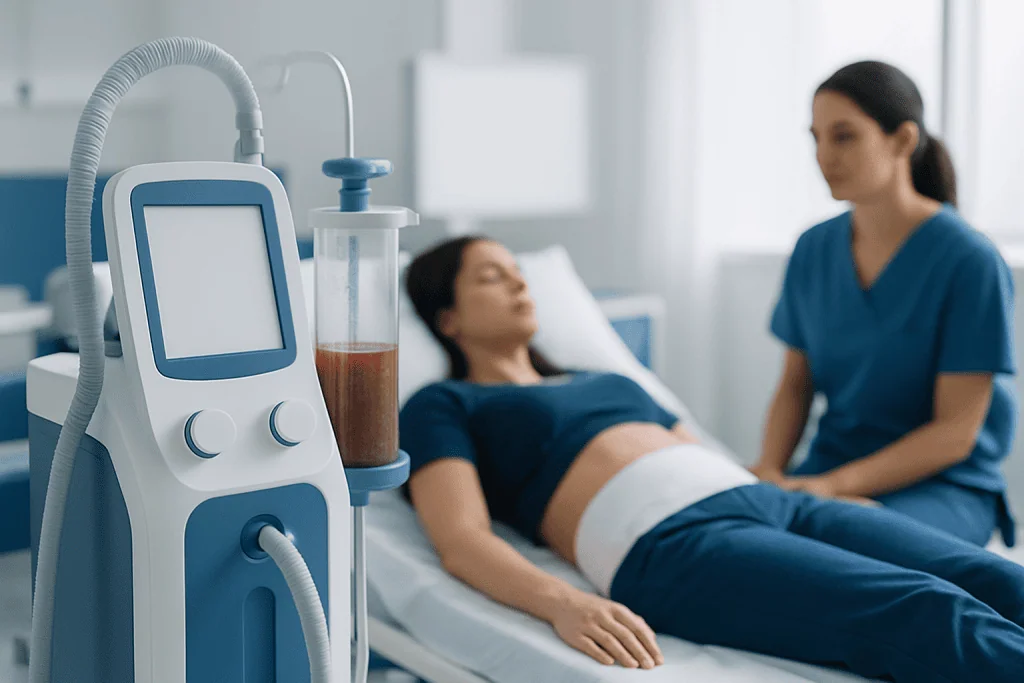
The first 24 to 72 hours are often the most uncomfortable part of recovery. The treated areas may feel sore, tender, swollen, and firm. Some fluid leakage from the incision sites can also occur early on and is usually expected. Compression garments are commonly recommended to help control swelling and support the tissues while they heal.
By the end of the first week, many people notice that pain is becoming easier to manage, although bruising and swelling may still be obvious. Movement often feels more natural, but the body may tire more quickly than usual. It is common for the treated area to look uneven or puffier before it starts to settle, so early appearance does not reflect the final result.
Over the next few weeks, swelling gradually decreases and daily activities become easier. Some people feel ready to resume a near-normal routine relatively quickly, while others need more time. Numbness, temporary firmness, or a “lumpy” feeling under the skin can happen during healing and often improve slowly. Final contour changes may continue to develop over several months.
When You Can Walk After Classic Liposuction
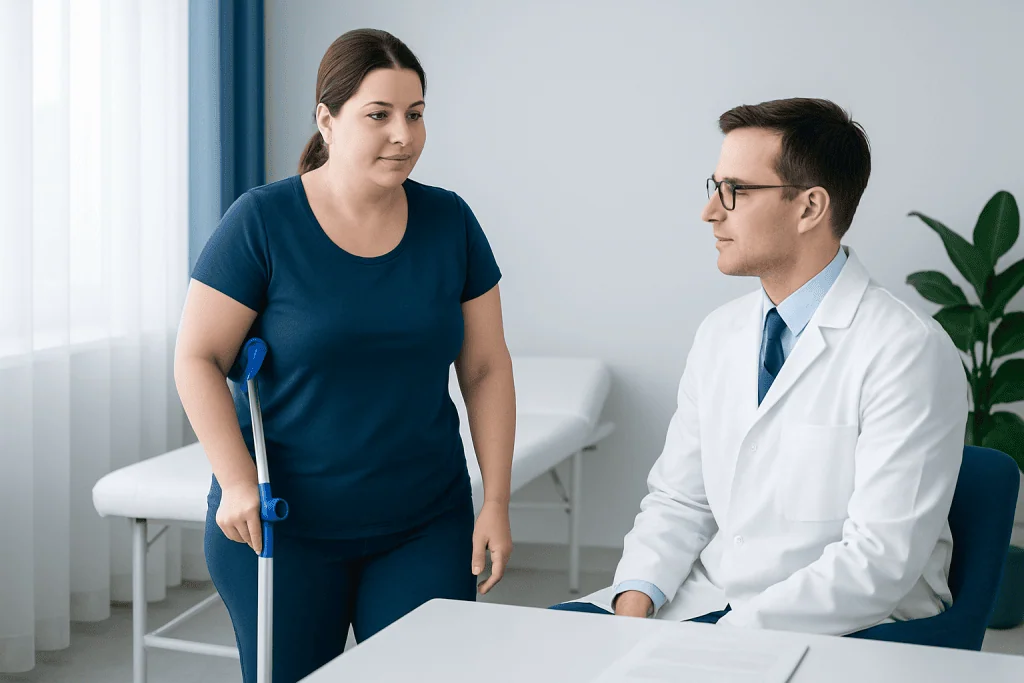
Gentle walking usually starts very soon after surgery, often within the first 24 hours. Surgeons commonly encourage short, slow walks around the home on the day of surgery or the next day. This early movement can support blood flow, reduce stiffness, and lower the risk of blood clots. Walking should be light and comfortable rather than brisk or prolonged.
During the first few days, it is best to take several short walks instead of trying to stay active for long periods. If dizziness, significant pain, or fatigue develops, it is sensible to rest and try again later. Most people are able to move around the house independently quite early, even if they still feel sore and swollen.
As the first week progresses, walking distance can often increase gradually. The key is to listen to the body and follow the surgeon’s specific instructions. If liposuction was combined with another body-contouring procedure such as arm liposuction in multiple areas or buttock lift, movement may feel more restricted and the timeline may be a little slower.
When You Can Return to Work
Returning to work after classic liposuction depends mostly on the nature of the job and the extent of surgery. People with desk-based or sedentary work may sometimes return within a few days to about one week, especially if discomfort is mild and they can take short walking breaks. However, if the procedure was more extensive or involved several areas, a longer recovery period may be more realistic.
Jobs that require standing for long hours, lifting, bending, driving for extended periods, or other physical activity usually need more healing time. In these cases, one to two weeks or more may be advised before returning, and some people may need temporary work modifications. Tight uniforms, prolonged sitting, and repetitive movement can also affect comfort in the early phase.
Before going back to work, it helps to consider energy levels as well as pain. Even if the incisions are healing well, swelling and fatigue may make a full schedule difficult at first. Planning a gradual return, if possible, can make recovery smoother. People who have had contouring after major weight changes, such as bariatric contouring, may need a more individualized plan.
When You Can Exercise Again
Exercise after liposuction should return in stages. Gentle walking begins first, but more structured exercise usually has to wait until the body has had time to heal. Light activity may be possible after the first one to two weeks for some people, but high-impact exercise, weight training, intense core work, and contact sports often require several weeks or longer. The surgeon’s advice is the safest guide.
There is no single exercise timeline that suits everyone. Treated areas may remain swollen and tender even when the person feels generally well. Starting vigorous workouts too early can increase swelling, worsen discomfort, and delay healing. It may also affect the comfort of compression garments and lead to more fluid buildup in the tissues.
A gradual approach is usually best. Many people move from short walks to longer walks, then to low-impact exercise such as easy cycling or gentle stretching, and only later return to running, gym workouts, or heavy lifting. Any exercise that causes pulling, throbbing, marked swelling, or increased drainage should be paused until medical advice is given.
Tips That Support Healing and Comfort
Good aftercare can make recovery more comfortable and may help support better healing. Compression garments are commonly used as directed by the surgeon. These garments can help limit swelling, support the new contours, and reduce the feeling of heaviness in the treated area. They should be worn exactly as advised, because overuse or incorrect fit may also cause discomfort.
Hydration, regular light movement, and adequate rest are all important. A balanced diet with enough protein can support tissue repair, while smoking and nicotine products can slow healing and increase the risk of complications. Alcohol may also interfere with recovery in the early phase, especially if pain medicines are being used.
Skin changes during healing can sometimes worry patients, especially if they are prone to thicker scarring or have a history of keloid scars. Small incision scars from liposuction are often limited, but scar care should still follow the surgeon’s instructions. Manual lymphatic drainage massage or other supportive therapies may be suggested in selected cases, but these should only be started when approved by the treating team.
- Wear compression garments as instructed.
- Take short walks several times a day.
- Keep follow-up appointments.
- Stay well hydrated and eat nourishing meals.
- Avoid smoking, nicotine, and returning to strenuous activity too soon.
When to Call a Doctor During Recovery
Most swelling, bruising, soreness, and mild fluid drainage are expected after classic liposuction. Still, some symptoms should not be ignored. Medical advice is important if pain suddenly becomes much worse, if one area becomes increasingly red or hot, or if swelling appears rapidly on one side. Fever, chills, or foul-smelling drainage may also suggest a problem that needs review.
Shortness of breath, chest pain, fainting, or calf pain with swelling require urgent medical attention. Although serious complications are uncommon, these symptoms are not considered part of routine recovery. It is always better to ask a healthcare professional than to wait and see if severe symptoms improve on their own.
Follow-up visits help the surgeon monitor healing and answer questions about activity, work, and exercise. Near the end of recovery, some people may discuss whether they also need treatment for related contour concerns, such as gynecomastia or skin laxity after fat removal. For international patients, Acibadem International’s multidisciplinary specialists in JCI-accredited hospitals diagnose and treat aesthetic concerns and guide patients through recovery planning.
Frequently asked questions
How soon can someone walk after classic liposuction?
Most people are encouraged to start gentle walking within the first 24 hours after surgery. Short, easy walks can support circulation and help prevent stiffness. Walking should be gradual and comfortable, not strenuous.
When is it usually possible to return to work after liposuction?
This depends on the type of work and how extensive the procedure was. Desk work may be possible in a few days to about a week for some people, while physically demanding jobs often require longer. A surgeon can give the most appropriate estimate based on the individual case.
When can exercise start again after classic liposuction?
Light movement such as walking starts early, but formal exercise usually returns in stages over several weeks. Low-impact activity may be possible before more intense exercise, depending on healing. It is safest to wait for the surgeon’s clearance before restarting vigorous workouts.
Is swelling normal during classic liposuction recovery?
Yes, swelling is a normal part of healing and can last for several weeks. It often improves gradually rather than disappearing all at once. The final contour may not be visible until swelling has settled more fully over time.
Why are compression garments used after liposuction?
Compression garments are commonly recommended to help manage swelling and support the treated tissues. They may also improve comfort during movement. They should be worn exactly as instructed by the surgical team.
What symptoms after liposuction need urgent medical attention?
Shortness of breath, chest pain, fainting, or severe calf swelling need urgent evaluation. A doctor should also be contacted if there is rapidly worsening pain, increasing redness, fever, or unusual drainage. These symptoms are not considered typical recovery signs.
References
- American Society of Plastic Surgeons
- NHS
- Mayo Clinic
- British Association of Aesthetic Plastic Surgeons
- International Society of Aesthetic Plastic Surgery
This article is for general information only and is not a substitute for professional medical advice. Please consult a qualified doctor about your individual situation.
Classic Liposuction in Turkey — costs, top hospitals & a free quote
JCI-accredited · board-certified surgeons · reply within 24h
Add us as a Preferred Source to see more of our trusted health content across Google Search, AI Overviews and Discover.

Related Treatments
Related Conditions
More from the Health Library


Related Specialists

Prof. Dr. Şükrü Yazar
Aesthetic Plastic & Reconstructive Surgery
Assoc. Prof. Dr. Erdem Güven (m)
Aesthetic Plastic & Reconstructive Surgery
Prof. Dr. Hakan Ağır
Aesthetic Plastic & Reconstructive Surgery
Prof. Dr. Bülent Saçak
Aesthetic Plastic & Reconstructive Surgery