Contact Lens Eye Exams: Why Proper Fitting Matters for Comfort and Safety
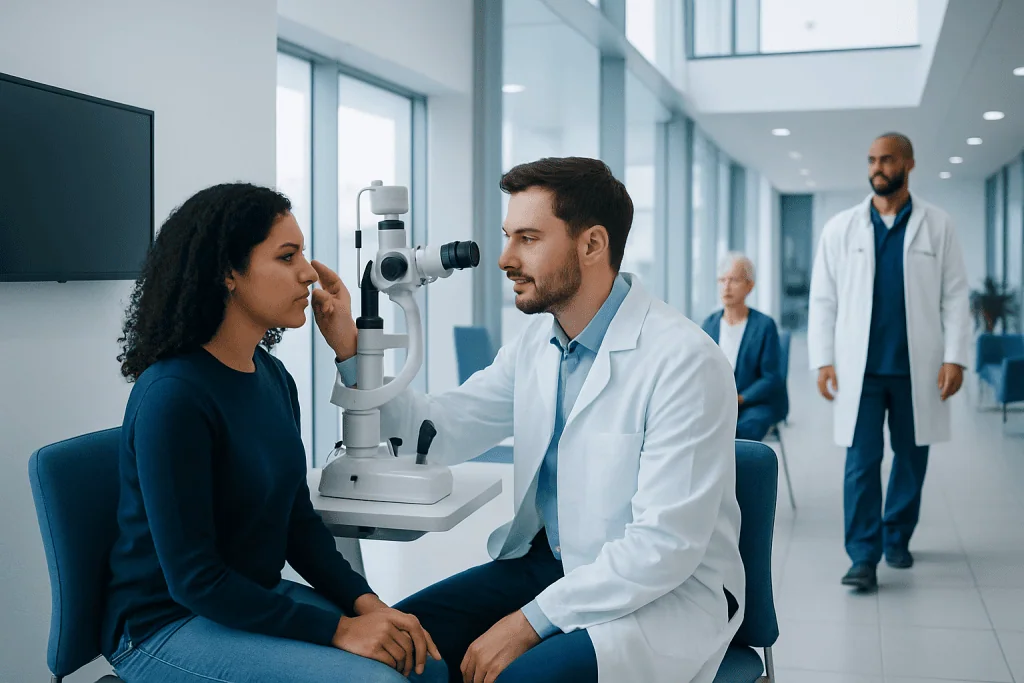
A contact lens eye exam is different from a standard vision test because it includes measurements and eye-surface checks for lens wear. Proper fitting helps improve comfort, clearer vision, and oxygen flow to the cornea.
Key Takeaways
- A contact lens eye exam is different from a standard vision test because it includes measurements and eye-surface checks for lens wear.
- Proper fitting helps improve comfort, clearer vision, and oxygen flow to the cornea.
- Wearing the wrong lens type or size can increase the risk of dryness, redness, corneal injury, and infection.
- Follow-up visits are important because lens fit may need adjustment after real-world wear.
- Good hygiene, replacement schedules, and prompt medical advice for symptoms help keep contact lens use safer.
Contact lens eye exams do more than check vision. They help confirm that contact lenses fit the eyes properly, support comfort, and reduce the risk of irritation, infection, and other preventable complications.
Overview: What Is a Contact Lens Eye Exam?
A contact lens eye exam is a specialized eye assessment designed for people who want to wear contact lenses or need to update an existing contact lens prescription. It includes a standard vision evaluation, but it also goes further by examining the surface of the eye, the shape of the cornea, tear film quality, and how a trial lens sits and moves on the eye.
This matters because contact lenses are medical devices that rest directly on the eye. A lens that seems close enough in strength or size may still cause discomfort, blurry vision, dryness, or damage if it does not fit properly. The goal of the exam is to match the lens to the person’s vision needs, eye anatomy, and daily habits.
During the visit, an eye care professional may discuss how long the person plans to wear lenses each day, whether they want daily disposable or reusable lenses, and whether they have symptoms such as dry eyes or allergies. This information helps guide safe lens selection. A comprehensive eye examination is often the starting point before contact lenses are prescribed.
Why Proper Fitting Matters for Comfort and Safety
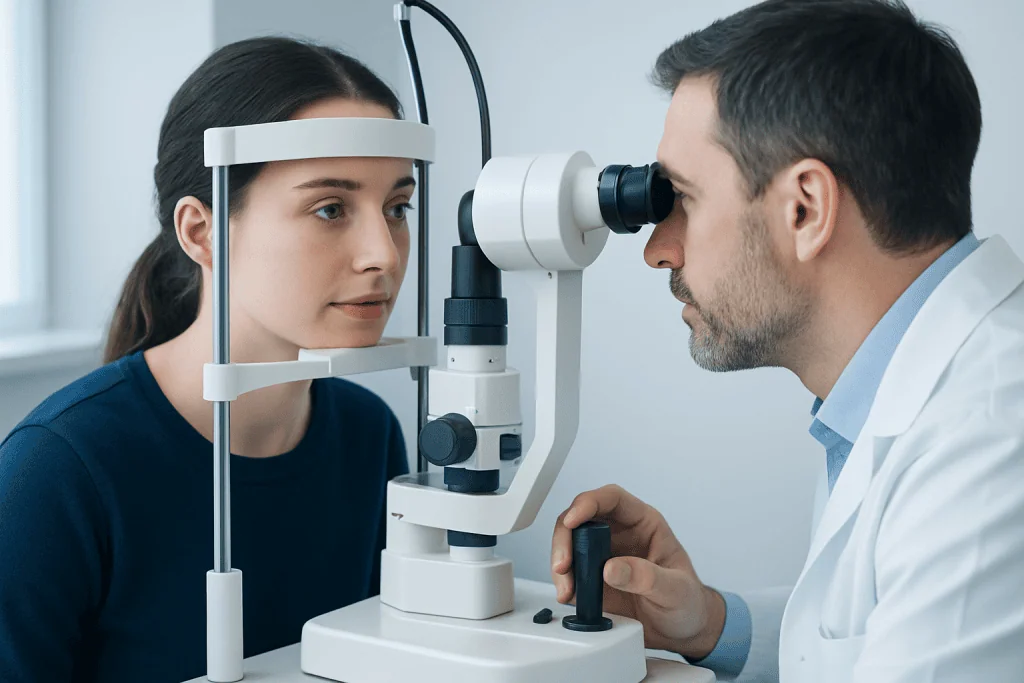
A well-fitted contact lens should provide stable vision, feel comfortable after a short adjustment period, and move appropriately with blinking. Proper fit allows enough tear exchange under the lens and helps maintain oxygen delivery to the cornea, the clear front surface of the eye. These factors are important because the cornea needs oxygen and a healthy tear film to stay clear and comfortable.
If a lens is too tight, it may reduce tear flow and oxygen transmission, which can lead to redness, discomfort, swelling, or blurry vision. If a lens is too loose, it may move too much, causing unstable vision, irritation, or a higher chance of the lens falling out. In either case, poor fit can make wearing lenses difficult and may increase the risk of complications.
Proper fitting also supports long-term eye health. Even when a person can tolerate an ill-fitting lens for a while, ongoing friction or dryness may contribute to corneal staining, inflammation, or a greater risk of infection. This is one reason a prescription for glasses cannot simply be used for contact lenses without a separate fitting.
What Happens During the Exam and Fitting

The exam usually begins with a review of medical history, eye symptoms, medications, allergies, and previous lens use. The eye doctor checks visual acuity and refraction to determine the lens power needed for clear vision. Because contact lenses sit directly on the eye instead of in front of it like glasses, the contact lens prescription may differ from a glasses prescription.
Next, the doctor evaluates the health of the eyelids, conjunctiva, cornea, and tear film using magnified examination. Measurements such as corneal curvature may be taken to help choose the correct base curve and lens design. In some cases, additional testing helps identify dryness, allergy-related irritation, or corneal irregularities that may affect lens tolerance.
Trial lenses are often placed on the eyes so the doctor can assess fit, centration, movement with blinking, and visual clarity. The person may then receive instruction on insertion, removal, cleaning, storage, and replacement schedules. For many patients, this practical teaching is just as important as the prescription itself. People with astigmatism may need a more tailored lens design such as contact lens options for astigmatism.
Common Problems a Proper Exam Can Help Prevent
A careful contact lens exam can help reduce the risk of several common problems. Dryness is one of the most frequent concerns, especially in people who spend long hours on screens, use certain medications, or have naturally reduced tear production. Choosing the right material and replacement schedule can improve comfort and reduce end-of-day irritation.
Another concern is eye redness or inflammation caused by poor fit, overwear, allergies, or inadequate cleaning. Sometimes symptoms that seem minor may point to a more significant problem, such as corneal abrasion or infection. For example, red eyes in lens wearers should never be ignored because conjunctivitis evaluation and treatment may be needed in some cases, while other causes can be more serious.
Contact lens users may also develop blurry vision from deposits on lenses, an unstable fit, or an outdated prescription. In some people, undiagnosed conditions such as significant dry eye, corneal disease, or eyelid inflammation make standard lenses harder to tolerate. The fitting process helps identify these issues early so the care plan can be adjusted.
- Dryness and foreign-body sensation
- Redness and irritation
- Blurred or fluctuating vision
- Corneal scratches or staining
- Higher risk of eye infection from unsafe wear or poor hygiene
Who May Need a More Customized Contact Lens Assessment
Some people need more than a routine soft lens fitting. This includes those with high prescriptions, significant astigmatism, dry eye symptoms, allergies, or previous difficulty wearing lenses comfortably. A more detailed assessment can help determine whether a different lens material, replacement schedule, or specialty design would work better.
People with corneal shape changes, prior eye surgery, or surface disease may need customized or specialty lenses. In these situations, the doctor may recommend options that provide a more stable optical surface or protect sensitive tissue. If there is concern about the cornea itself, more advanced evaluation through cornea and external eye disease care may be appropriate.
Contact lens exams are also important for children and teenagers who are starting lens wear, as well as for adults considering alternatives to contacts. For some people who are not comfortable with ongoing lens use, refractive procedures such as LASIK may become part of a broader discussion with an eye specialist, depending on eye health and candidacy.
After the Fitting: Follow-Up Visits and Safe Daily Use
Receiving a contact lens prescription is not always the final step. Follow-up visits allow the eye doctor to confirm that the lenses continue to fit well after several hours or days of normal wear. A lens that appears acceptable at first may behave differently once the person begins wearing it regularly in daily life, especially in dry or air-conditioned environments.
At follow-up, the doctor checks comfort, vision, eye redness, corneal health, and whether the person is using and caring for the lenses correctly. If needed, the lens type, size, material, or wearing schedule can be changed. These adjustments can make a major difference in comfort and safety.
Safe daily use depends on following professional instructions closely. In general, contact lenses should not be shared, worn longer than recommended, or exposed to water unless specifically advised. Replacement schedules, cleaning steps, and storage guidance are all part of safer wear. Many patients benefit from reviewing these points during a dedicated contact lenses consultation.
Self-Care Tips and When to See a Doctor
Good contact lens habits can help protect the eyes between checkups. Washing and drying hands before handling lenses, replacing lens cases regularly, and using recommended solutions are simple but important steps. People should also give the eyes rest when advised and avoid sleeping in lenses unless they are specifically approved for overnight wear by a doctor.
Any sudden pain, marked redness, light sensitivity, discharge, or drop in vision should be assessed promptly. These symptoms can signal infection or corneal injury, which should not be treated as routine irritation. It is safer to remove the lenses and seek medical advice than to keep wearing them and hope the problem passes.
Routine re-exams remain important even when lenses feel comfortable. Eye shape, tear quality, prescription needs, and overall eye health can change over time. Near the end of the care journey, some patients may seek support from experienced centers; Acibadem International’s multidisciplinary eye specialists and JCI-accredited hospitals diagnose and treat eye conditions for international patients.
Frequently asked questions
Is a contact lens exam different from a regular eye exam?
Yes. A regular eye exam checks vision and overall eye health, while a contact lens exam also measures the eye for lens fit and evaluates how a trial lens sits on the eye. This extra step helps improve comfort and reduces the chance of problems from an unsuitable lens.
Why can’t a glasses prescription be used for contact lenses?
Contact lenses sit directly on the eye, so the prescription and fitting requirements are different from glasses. The lens power may change, and the doctor also needs to choose the correct size, shape, and material for safe wear.
How often should contact lens wearers have an eye exam?
The timing depends on age, eye health, and the type of lenses used, but regular follow-up is important. Many people benefit from yearly exams, while others may need reviews more often if they have dry eye, allergies, or a history of lens-related problems.
What are signs that contact lenses may not fit properly?
Common signs include persistent dryness, redness, blurred or shifting vision, a lens that moves too much, or discomfort that does not improve. A properly fitted lens should feel reasonably comfortable and provide stable vision after a short adjustment period.
Can contact lens fitting help people with dry eyes?
Yes, in many cases. A contact lens exam can identify tear film problems and help the doctor choose a lens material, design, or wearing schedule that may be more comfortable. Sometimes dry eye treatment is needed before contact lenses can be worn successfully.
What should a person do if the eye becomes red or painful while wearing contacts?
The safest step is usually to remove the lenses and seek professional advice, especially if there is pain, light sensitivity, discharge, or reduced vision. These symptoms can indicate infection or corneal injury and should not be ignored.
This article is for general information only and is not a substitute for professional medical advice. Please consult a qualified doctor about your individual situation.
Explore treatments in Turkey — costs, top hospitals & a free quote
JCI-accredited · board-certified surgeons · reply within 24h
Add us as a Preferred Source to see more of our trusted health content across Google Search, AI Overviews and Discover.

Related Treatments
More from the Health Library

Pterygium: Eye Surface Growth and Sun Exposure Risks

Cataract Surgery: Step-by-Step Procedure and Lens Choices
LASIK Vision Institute Alternatives: Choosing a Surgeon
Eye Laser Vision Correction: Types, Benefits, and Recovery

Regenerative Ophthalmology: What Stem Cell and Tissue-Based Eye Treatments Aim to Do