

CoolSculpting: How Non-Surgical Fat Freezing Works
CoolSculpting is a non-surgical treatment that targets small, pinchable fat deposits. It works through cryolipolysis, a controlled cooling method that damages fat cells without surgery.
Key Takeaways
- CoolSculpting is a non-surgical treatment that targets small, pinchable fat deposits.
- It works through cryolipolysis, a controlled cooling method that damages fat cells without surgery.
- Results appear gradually over weeks to months as the body clears treated fat cells.
- It is not a weight-loss treatment and does not replace healthy lifestyle habits.
- Common short-term effects include redness, numbness, swelling, and tenderness in the treated area.
- A consultation helps decide whether CoolSculpting or another contouring option is the best fit.
CoolSculpting is a non-surgical body contouring treatment that uses controlled cooling to reduce localized fat bulges. It is designed for people close to a stable weight who want to treat stubborn areas that have not responded fully to diet and exercise.
Overview
CoolSculpting is a brand name for a non-surgical fat reduction treatment based on cryolipolysis, or controlled fat freezing. The treatment is used to reduce localized pockets of fat in selected body areas, such as the abdomen, flanks, thighs, upper arms, beneath the chin, or back. It is considered a body contouring procedure rather than a weight-loss method.
The basic idea behind CoolSculpting is that fat cells are more sensitive to cold than surrounding tissues. During treatment, an applicator delivers controlled cooling to a targeted area. Over time, the cooled fat cells are damaged and then gradually broken down and removed by the body’s natural processes.
Because no incisions are made, CoolSculpting does not involve surgery, stitches, or general anesthesia. Many people are interested in it because it usually has limited downtime and can fit into a busy routine. However, expectations should remain realistic: the treatment aims to improve contour in specific areas, not create dramatic overall weight reduction.
How CoolSculpting Works
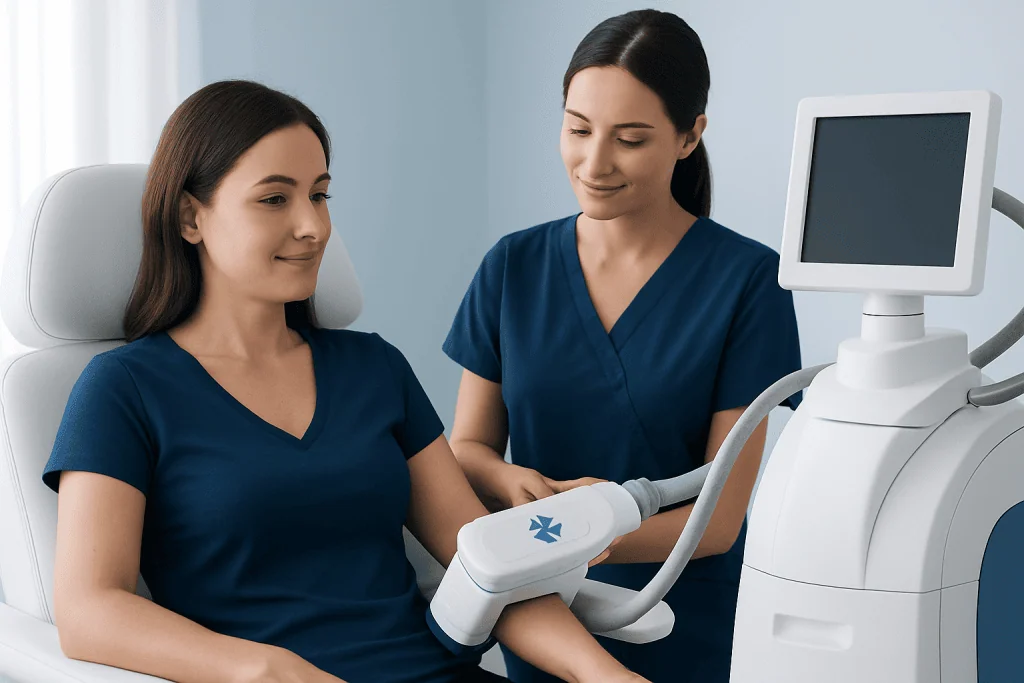
CoolSculpting works by exposing a small, targeted area of fatty tissue to carefully controlled cold temperatures. The applicator gently draws the tissue into place and cools it for a set period. This process is designed to affect fat cells while protecting the skin and nearby structures.
After treatment, the injured fat cells trigger a gradual inflammatory response. The body then slowly processes and removes these cells through the lymphatic system and other natural pathways. This is why visible change does not happen immediately. Most people notice improvement gradually over several weeks, with final results often taking a few months.
The treatment is best suited for people with stubborn, pinchable fat bulges rather than obesity. It can be useful when a person has maintained healthy habits but still has areas that do not respond as hoped. For larger changes in body shape, some people may be better candidates for surgical options such as tummy contouring surgery or arm lift procedures, depending on the area and the amount of excess tissue.
Who May Be a Good Candidate
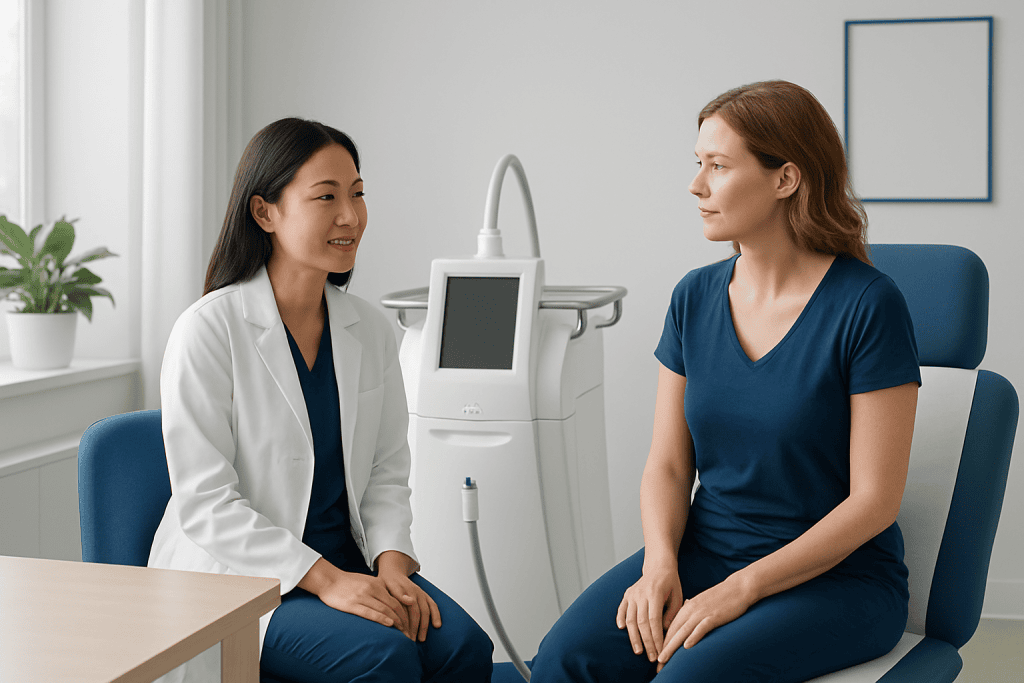
A good candidate for CoolSculpting is generally an adult who is near a stable, healthy weight and wants to improve the contour of one or more specific areas. The best treatment areas usually contain soft, localized fat that can be pinched between the fingers. Skin quality also matters, because CoolSculpting reduces fat but does not tighten significant loose skin.
It is important to understand what the treatment cannot do. CoolSculpting is not a treatment for obesity, and it is not meant to replace diet, exercise, or medical weight management. It also does not treat cellulite in a reliable way, and it may not be the best choice when a person’s main concern is skin laxity rather than fat.
A consultation helps identify whether the concern is truly excess fat or another issue. For example, fullness in the chest may sometimes relate to gynecomastia rather than simple fat distribution, and some people may benefit more from post-weight-loss body contouring or neck contouring treatments when loose skin is a major part of the problem.
What Happens During the Procedure
Before treatment, the clinician examines the area, discusses goals, and selects the correct applicator size and shape. The skin may be marked to guide placement. A protective gel pad is typically applied before the applicator is positioned on the body.
At the beginning of the session, there may be sensations of pulling, pressure, intense cold, tingling, or mild cramping. These feelings usually lessen as the area becomes numb. A session length varies by area and device, and some people treat more than one area during the same visit.
When the applicator is removed, the treated tissue may be briefly massaged. This can feel uncomfortable for a short time, but it is part of the standard process in many treatment plans. Most patients return to normal daily activities soon afterward, although temporary swelling, redness, or tenderness can occur.
Results, Benefits, and Limitations
The main benefit of CoolSculpting is that it can reduce stubborn fat without surgery. There are no surgical scars, and recovery is usually simpler than with operative procedures. For many people, this makes it an appealing option when they want modest contour improvement with minimal interruption to work or daily life.
Results develop gradually. Clothing may fit differently, and treated areas may appear smoother or less full over time. More than one session may be needed, depending on the thickness of the fat layer, the treatment area, and the person’s goals. The treated fat cells are reduced permanently, but remaining fat cells can still enlarge if weight increases.
There are also important limitations. CoolSculpting is not ideal for people who want immediate, dramatic reshaping. It does not remove excess skin, and it is not designed to correct structural concerns related to previous injury, scarring, or congenital conditions such as keloid scars or burn-related skin changes. In those situations, other reconstructive or dermatologic approaches may be more appropriate.
Side Effects, Risks, and Safety Considerations
Most side effects after CoolSculpting are temporary and localized to the treated area. Common effects include redness, swelling, bruising, firmness, sensitivity, cramping, itching, or numbness. These symptoms often improve on their own over days to weeks, although numbness can sometimes last longer before fully resolving.
As with any medical aesthetic procedure, there are risks. Some people experience uneven results, contour irregularity, or prolonged discomfort. A rare but well-recognized complication is paradoxical adipose hyperplasia, in which the treated area becomes firmer and enlarged rather than smaller. Although uncommon, this possibility should be discussed before treatment.
CoolSculpting is not suitable for everyone. People with certain cold-related conditions, such as cryoglobulinemia, cold agglutinin disease, or paroxysmal cold hemoglobinuria, are generally not candidates. A qualified clinician should also assess skin health, circulation, prior procedures, hernias in the area, and overall expectations before recommending treatment.
Diagnosis, Consultation, and Alternatives
A CoolSculpting consultation is not about diagnosing a disease, but it is still an important medical assessment. The clinician reviews medical history, current medications, weight stability, prior cosmetic procedures, and the exact area of concern. The treatment area is examined to confirm that the fullness is mainly due to subcutaneous fat rather than muscle shape, swelling, loose skin, or another condition.
Photos and measurements may be taken to help compare outcomes over time. This discussion also helps define a realistic treatment plan, including how many sessions may be needed and whether the expected improvement matches the patient’s goals. Honest planning is essential because satisfaction often depends on understanding the likely degree of change.
Alternative options depend on the person’s anatomy and priorities. Some may do well with lifestyle changes alone, while others may prefer a different non-surgical contouring approach or a surgical procedure for a more noticeable result. In selected cases, concerns in the chest, abdomen, neck, or arms may be better addressed with other aesthetic procedures rather than fat freezing alone.
Self-care, Aftercare, and When to Seek Medical Advice
After CoolSculpting, most people can resume ordinary activities the same day. Simple aftercare usually includes staying hydrated, wearing comfortable clothing, and allowing temporary tenderness or numbness to settle. Light movement can feel helpful, and many people continue work, walking, and routine tasks without difficulty.
Long-term results are best supported by weight stability. A balanced diet, regular physical activity, good sleep, and management of stress all help maintain body contour after treatment. CoolSculpting can reduce selected fat cells, but it does not prevent future weight gain in untreated or remaining fat cells.
Medical advice should be sought if there is severe or worsening pain, marked swelling, skin changes that do not improve, signs of infection, or a treated area that becomes unusually enlarged over time. A follow-up visit is also useful if results seem uneven or less than expected. For patients exploring cosmetic options, Acibadem International’s multidisciplinary specialists in JCI-accredited hospitals evaluate body contouring concerns and provide diagnosis and treatment planning for international patients.
Frequently asked questions
Is CoolSculpting a weight-loss treatment?
No. CoolSculpting is a body contouring treatment designed to reduce small, localized fat bulges. It is best for people who are close to a stable weight and want improvement in specific areas.
How long does it take to see CoolSculpting results?
Results usually appear gradually over several weeks as the body clears treated fat cells. Final improvement often takes a few months, and some people need more than one session for the desired contour change.
Does CoolSculpting hurt?
During the treatment, people commonly feel pulling, pressure, intense cold, tingling, or cramping at first. These sensations often lessen as the area becomes numb, and discomfort afterward is usually temporary.
Are CoolSculpting results permanent?
The treated fat cells are reduced permanently once the body removes them. However, remaining fat cells can still enlarge if a person gains weight, so healthy lifestyle habits remain important.
What areas can be treated with CoolSculpting?
Common treatment areas include the abdomen, flanks, thighs, upper arms, back, and under the chin. Suitability depends on the amount of pinchable fat, the applicator available, and the person’s anatomy.
Who should avoid CoolSculpting?
People with certain cold-sensitive medical conditions are generally not good candidates. It may also be unsuitable if the main issue is loose skin rather than fat, or if there are other medical concerns in the treatment area.
What are the most common side effects after CoolSculpting?
Temporary redness, swelling, bruising, tenderness, firmness, and numbness are common. These effects usually improve on their own, but persistent pain, unusual enlargement, or concerning skin changes should be reviewed by a doctor.
References
- U.S. Food and Drug Administration
- American Society of Plastic Surgeons
- American Academy of Dermatology
- National Health Service
- International Society of Aesthetic Plastic Surgery
This article is for general information only and is not a substitute for professional medical advice. Please consult a qualified doctor about your individual situation.
CoolSculpting in Turkey — costs, top hospitals & a free quote
JCI-accredited · board-certified surgeons · reply within 24h
Add us as a Preferred Source to see more of our trusted health content across Google Search, AI Overviews and Discover.

Related Treatments
Related Conditions
More from the Health Library



Related Specialists
Assoc. Prof. Dr. Erdem Güven (m)
Aesthetic Plastic & Reconstructive Surgery
Prof. Dr. Şükrü Yazar
Aesthetic Plastic & Reconstructive Surgery
Prof. Dr. Hakan Ağır
Aesthetic Plastic & Reconstructive Surgery
Prof. Dr. Bülent Saçak
Aesthetic Plastic & Reconstructive Surgery