

CoolSculpting Risks and Side Effects: What Patients Should Know
CoolSculpting commonly causes temporary redness, swelling, bruising, numbness, or tenderness in the treated area. A rare but important complication is paradoxical adipose hyperplasia, in which the treated area becomes firmer and larger instead of smaller.
Key Takeaways
- CoolSculpting commonly causes temporary redness, swelling, bruising, numbness, or tenderness in the treated area.
- A rare but important complication is paradoxical adipose hyperplasia, in which the treated area becomes firmer and larger instead of smaller.
- CoolSculpting is not a weight-loss treatment and is best suited for selected patients with localized fat deposits.
- A qualified, experienced provider can help reduce avoidable risks through careful assessment and treatment planning.
- Patients should seek medical advice if severe pain, worsening swelling, skin changes, or an unexpected lump develops after treatment.
CoolSculpting is a non-surgical body contouring treatment that uses controlled cooling to reduce stubborn fat. Most side effects are mild and short-lived, but patients should understand possible risks, expected recovery, and the rare complications that may need medical attention.
Overview: What CoolSculpting Is and Why Risks Matter
CoolSculpting is a brand name for cryolipolysis, a non-surgical procedure designed to reduce small, stubborn fat bulges by exposing them to controlled cooling. The goal is to damage fat cells without surgery, and over time the body gradually clears some of those cells. It is commonly used on the abdomen, flanks, thighs, upper arms, back, and under the chin.
Because it does not involve incisions or general anesthesia, many people assume it is completely risk-free. In reality, like any medical or aesthetic procedure, CoolSculpting has possible side effects and complications. Most are mild and temporary, but a small number can be more significant or disappointing from a cosmetic point of view.
Understanding the difference between expected after-effects and true complications helps patients make informed decisions. It also supports realistic expectations: CoolSculpting is a body-contouring treatment, not a substitute for weight loss or for procedures such as arm liposuction or abdominal contouring surgery when larger changes are needed.
Common Side Effects After CoolSculpting
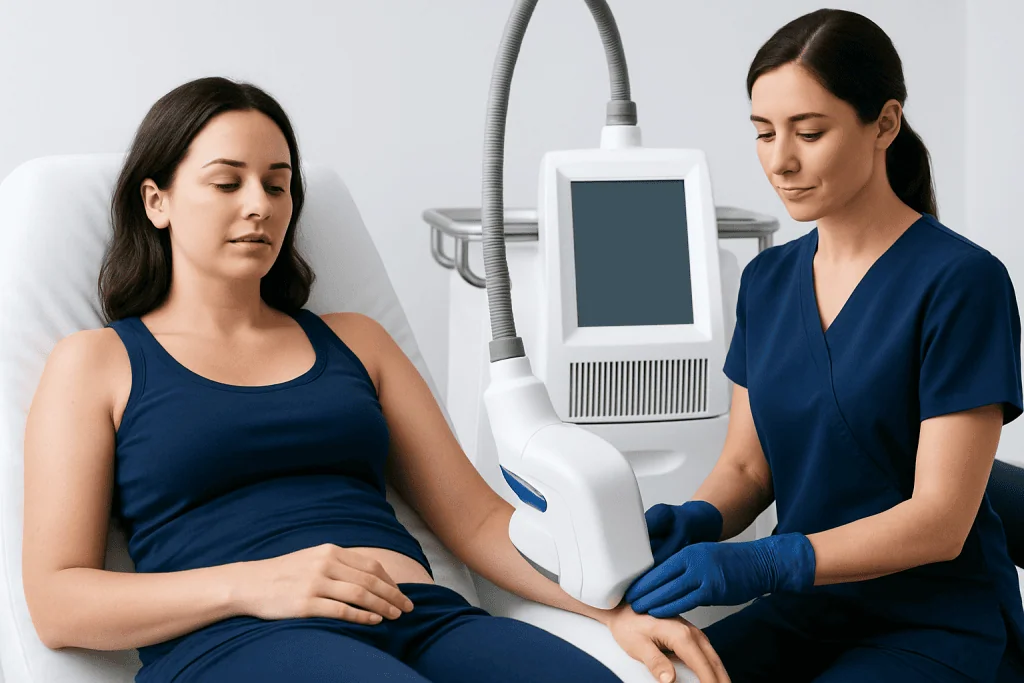
The most common CoolSculpting side effects occur in the treatment area and usually improve within days to weeks. Many patients notice redness, mild swelling, bruising, firmness, tingling, sensitivity, cramping, or temporary numbness. These effects are related to the suction, cold exposure, and massage that may be used during or after the session.
Some people also feel aching, stinging, itching, or a sensation of fullness in the treated area. Temporary changes in skin sensation are especially common and can last longer than visible redness or swelling. Although these symptoms can be uncomfortable, they are typically self-limited and do not mean the treatment has gone wrong.
Common short-term effects may include:
- Redness or mild skin irritation
- Swelling and tenderness
- Bruising at the applicator site
- Numbness or altered sensation
- Cramping, aching, or soreness
- A feeling of firmness or temporary unevenness
Patients are often able to return to normal activities soon after treatment. Even so, it is sensible to avoid assuming that every post-treatment symptom is routine. If discomfort is severe, persistent, or clearly worsening, a clinician should review it.
Rare but Important Risks and Complications

The rarest but best-known complication is paradoxical adipose hyperplasia, often shortened to PAH. Instead of shrinking, the treated fat area gradually becomes larger, firmer, and more noticeable over the weeks or months after treatment. This is not usually dangerous to general health, but it can be distressing and may require corrective treatment, sometimes with surgery or liposuction.
Other uncommon complications can include prolonged pain, marked swelling, contour irregularities, prolonged numbness, or delayed recovery of skin sensation. In some cases, the final result may be uneven or less effective than expected, especially if the original fat pocket was not an ideal match for the applicator or treatment plan.
Skin injury is uncommon when approved equipment is used properly, but cold-related damage is possible if technique is poor or a patient has an underlying sensitivity to cold. This is one reason full medical screening matters. People with conditions triggered by cold exposure may not be good candidates.
Although CoolSculpting works beneath the skin rather than creating surgical scars, changes in tissue healing and texture can still matter for some patients. Individuals prone to abnormal scar formation in other settings, such as keloid scars, should mention this during consultation even though the procedure itself is not incision-based.
Who May Be at Higher Risk
Not everyone is an ideal candidate for CoolSculpting. The treatment is intended for selected adults who are near a stable weight and have localized fat deposits that can be safely captured by the applicator. It is generally not appropriate for obesity treatment, major skin laxity, or body contour changes that would be better addressed by surgery.
Risk may be higher when a person has unrealistic expectations, untreated medical conditions, significant sensitivity to cold, certain nerve-related pain syndromes, or a poor match between the body area and the applicator. A history of hernias, skin disorders, circulation problems, or prior procedures in the treatment area should also be reviewed carefully.
Conditions often discussed before cryolipolysis include cryoglobulinemia, cold agglutinin disease, and paroxysmal cold hemoglobinuria. Pregnancy, open skin injury, active infection, or significant inflammation in the treatment area are also reasons to delay or avoid treatment. If a patient has another active skin concern, such as healing burns, treatment should not be performed over the affected area.
Assessment by a qualified clinician helps distinguish between stubborn fat, loose skin, muscle separation, postoperative contour concerns, and conditions such as gynecomastia in the chest area, which may require a different approach altogether.
How Safety Is Assessed Before Treatment
A proper consultation should review medical history, medications, prior procedures, body goals, and the characteristics of the treatment area. The clinician should explain what the procedure can and cannot achieve, the expected timeline for results, and the possible side effects and rare complications. This conversation is an important part of safety, not just a formality.
Physical examination helps determine whether the concern is actually excess fat or whether loose skin, muscle laxity, or another structural issue is more important. In some patients, a different body contouring method may be more appropriate. For example, people with more significant tissue excess may benefit from procedures such as arm lift surgery or neck contouring procedures rather than cooling treatment alone.
Good safety practice also includes careful marking of the treatment area, selecting the correct applicator, protecting the skin, and giving clear aftercare advice. Patients should feel comfortable asking who will perform the treatment, what training they have, and what plan is in place if an unexpected problem develops.
Treatment, Recovery, and What to Expect Afterwards
During CoolSculpting, the applicator pulls the targeted tissue into a cup-like device and cools it for a set period. Patients may first feel pulling, pressure, intense cold, tingling, or cramping. As the area becomes numb, discomfort often becomes easier to tolerate. A brief massage of the area may follow, which can increase soreness for a short time.
After treatment, most people return to work or usual daily tasks quickly. Mild soreness, swelling, bruising, and numbness are generally managed with simple comfort measures recommended by the treating clinician. Results do not appear immediately; the treated area usually changes gradually over several weeks to months.
Patients should also know that the final cosmetic outcome varies. Some need more than one session, while others may decide another approach offers a better contour result. Non-surgical treatment does not tighten skin in the same way surgery can, and it cannot guarantee symmetry or a specific clothing size.
Near the end of the evaluation and follow-up process, some patients choose to seek care in centers with both aesthetic and reconstructive expertise. Acibadem International’s multidisciplinary specialists in JCI-accredited hospitals diagnose and treat body contour concerns for international patients, including cases that need revision planning or a different procedure.
Prevention and Self-Care: How Patients Can Reduce Avoidable Risks
Patients can lower avoidable risks by choosing a reputable medical provider, sharing a full medical history, and being honest about expectations. It is especially important to mention prior surgery, hernias, cold sensitivity, nerve pain, use of blood thinners, and any ongoing skin problems. Clear communication helps the clinician decide whether treatment is suitable.
Following pre- and post-treatment instructions also matters. Patients should keep the treated skin clean, protect it from additional trauma, and monitor for changes rather than repeatedly pressing or massaging the area unless instructed to do so. Maintaining stable weight supports a more predictable body contour result.
Helpful self-care steps may include:
- Wearing comfortable clothing after treatment
- Using clinician-approved measures for soreness
- Staying hydrated and resuming light movement as tolerated
- Taking follow-up appointments seriously
- Photographing the area over time if advised, to track changes
Patients should remember that prevention begins before the first session. A provider who offers a thoughtful consultation, careful screening, and a realistic discussion of alternatives is often safer than one who presents the procedure as effortless or risk-free.
When to See a Doctor
Most CoolSculpting side effects improve on their own, but some symptoms deserve medical review. A patient should contact the treating clinic or another qualified doctor if pain is severe, symptoms are getting worse instead of better, or numbness lasts longer than expected. Worsening redness, blistering, marked asymmetry, or a firm enlarging bulge should also be assessed.
It is also wise to seek advice if the skin develops unusual color changes, drainage, signs of infection, or persistent hard nodules. Early evaluation can help distinguish normal healing from a complication and may improve options for management. Cosmetic dissatisfaction alone can also justify a follow-up visit, especially if the result looks uneven.
Patients do not need to panic if something feels unfamiliar after treatment, but they should not ignore clear warning signs. Prompt communication with a qualified clinician is the safest next step whenever recovery seems unusual or unexpectedly difficult.
Frequently asked questions
Is CoolSculpting safe?
CoolSculpting is generally considered safe for appropriately selected patients when it is performed by a trained provider using approved equipment. However, it is not risk-free, and patients should understand both common side effects and rare complications before treatment.
What are the most common side effects of CoolSculpting?
The most common side effects are temporary redness, swelling, bruising, numbness, tenderness, and mild pain in the treated area. These usually improve over days to weeks, though temporary changes in sensation can last longer in some patients.
What is paradoxical adipose hyperplasia?
Paradoxical adipose hyperplasia is a rare complication in which the treated area becomes larger and firmer instead of smaller after CoolSculpting. It is not usually dangerous, but it can be cosmetically upsetting and may require corrective treatment.
How long do CoolSculpting side effects last?
Many side effects, such as redness and swelling, improve within days or a few weeks. Numbness, firmness, or mild tenderness can sometimes last longer, so the exact recovery timeline varies from person to person.
Who should avoid CoolSculpting?
People with certain cold-sensitive conditions, active skin problems in the treatment area, significant loose skin, or unrealistic expectations may not be good candidates. A doctor should also review pregnancy status, prior surgery, hernias, and any medical condition that could affect healing or safety.
Can CoolSculpting cause permanent damage?
Permanent serious harm is uncommon, but some complications can have lasting cosmetic effects if they occur. These may include contour irregularity or paradoxical adipose hyperplasia, which is why careful provider selection and follow-up are important.
When should a patient call a doctor after CoolSculpting?
A doctor should be contacted if there is severe or worsening pain, blistering, significant swelling, unusual skin color change, drainage, or a firm enlarging bulge in the treated area. Medical advice is also sensible if recovery does not seem to follow the expected course.
References
- U.S. Food and Drug Administration
- American Society of Plastic Surgeons
- American Academy of Dermatology
- British Association of Dermatologists
- National Institutes of Health
This article is for general information only and is not a substitute for professional medical advice. Please consult a qualified doctor about your individual situation.
CoolSculpting in Turkey — costs, top hospitals & a free quote
JCI-accredited · board-certified surgeons · reply within 24h
Add us as a Preferred Source to see more of our trusted health content across Google Search, AI Overviews and Discover.

Related Treatments
Related Conditions
More from the Health Library



Related Specialists
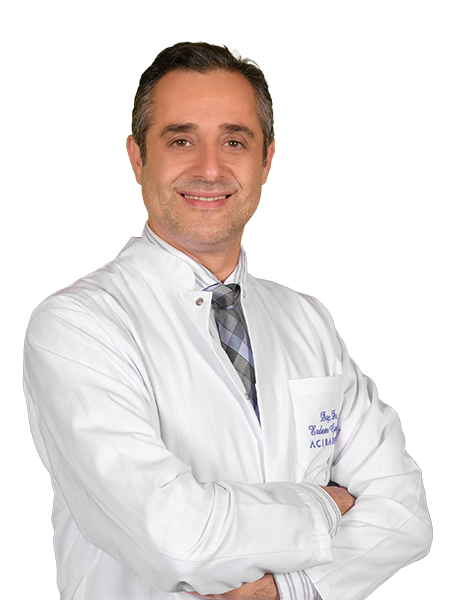
Assoc. Prof. Dr. Erdem Güven (m)
Aesthetic Plastic & Reconstructive Surgery
Prof. Dr. Şükrü Yazar
Aesthetic Plastic & Reconstructive Surgery
Prof. Dr. Hakan Ağır
Aesthetic Plastic & Reconstructive Surgery
Prof. Dr. Bülent Saçak
Aesthetic Plastic & Reconstructive Surgery