Crohn’s Disease Surgery: When Medicines Are Not Enough

Surgery for Crohn’s disease is usually considered when medicines are not enough or complications occur. Common reasons for surgery include bowel narrowing, fistulas, abscesses, bleeding, or perforation.
Key Takeaways
- Surgery for Crohn’s disease is usually considered when medicines are not enough or complications occur.
- Common reasons for surgery include bowel narrowing, fistulas, abscesses, bleeding, or perforation.
- Procedures may include bowel resection, strictureplasty, drainage of abscesses, or stoma creation.
- Surgery can reduce symptoms and treat complications, but Crohn’s disease can still return after an operation.
- Long-term follow-up with a gastroenterologist and colorectal surgeon helps support recovery and lower the risk of recurrence.
Crohn’s disease surgery may be recommended when medication does not control inflammation or when complications develop. While surgery does not cure Crohn’s disease, it can relieve symptoms, treat damaged bowel, and improve quality of life for many people.
Overview: Why Surgery May Be Part of Crohn’s Care
Crohn’s disease is a chronic inflammatory bowel disease that can affect any part of the digestive tract, most often the small intestine and colon. Many people manage it with medicines, nutrition support, and careful monitoring. However, inflammation can sometimes lead to damage that does not improve enough with medication alone.
In these situations, Crohn’s disease surgery becomes an important treatment option. Surgery is not considered a cure because inflammation can return in another area of the bowel later on. Even so, an operation can remove or repair damaged sections of intestine, treat urgent complications, and help a person feel significantly better.
Doctors usually recommend surgery after a careful review by a gastroenterologist and a surgeon experienced in inflammatory bowel conditions. The goal is to preserve as much healthy bowel as possible while reducing pain, blockage, infection risk, and other problems related to Crohn’s disease.
When Medicines Are Not Enough
Modern Crohn’s disease treatment often includes anti-inflammatory drugs, immune-modifying medicines, biologic therapies, antibiotics in selected cases, and nutritional support. These treatments can help many patients control symptoms and reduce flare-ups. Still, some people continue to have active disease despite well-planned medical care.
Surgery may be considered when symptoms remain severe, when side effects limit medication use, or when bowel damage has already developed. It can also be needed in emergency situations, such as bowel perforation or severe bleeding. In other cases, surgery is planned rather than urgent, giving the medical team time to prepare the patient and optimize nutrition and overall health first.
Deciding on surgery is highly individual. Doctors look at the pattern of disease, the part of the bowel involved, previous treatments, symptom burden, imaging results, and the patient’s general health. For some people, surgery offers the best chance of symptom relief after medicines have reached their limit.
Signs and Complications That Can Lead to Surgery

The most common reason for Crohn’s surgery is a stricture, which means narrowing of the bowel caused by chronic inflammation and scarring. A stricture can make it difficult for food and waste to pass through the intestine. This may lead to cramping abdominal pain, bloating, nausea, vomiting, constipation, or repeated episodes of bowel obstruction.
Another major reason is the development of fistulas and abscesses. A fistula is an abnormal tunnel that may form between different parts of the bowel or between the bowel and nearby organs, skin, or the anus. An abscess is a collection of infected fluid. These problems can cause pain, fever, drainage, and recurrent infection, and they often need procedures or surgery in addition to medication.
Other complications that may lead to surgery include:
- Persistent bleeding from the digestive tract
- Perforation, or a hole in the bowel wall
- Severe disease around the anus, called perianal Crohn’s disease
- Growth delay in children when inflammation is not controlled
- Cancer or precancerous changes in long-standing bowel disease
Because Crohn’s disease can overlap with or resemble other digestive disorders, the medical team may also rule out conditions such as ulcerative colitis or diverticulitis when planning treatment.
How Doctors Evaluate a Patient Before Surgery
Before recommending an operation, doctors confirm where the disease is active and whether the problem is mainly inflammation, scarring, infection, or a combination of these. Blood tests may be used to look for anemia, inflammation, nutritional deficiencies, or signs of infection. Stool tests can also help exclude certain infections that may worsen symptoms.
Imaging studies are often important. CT scans, MRI, ultrasound, and specialized bowel imaging can show strictures, fistulas, abscesses, and other complications. Endoscopy, such as colonoscopy, allows the doctor to inspect the lining of the bowel and sometimes take biopsies. If bleeding is a concern, a work-up for gastrointestinal bleeding may also be part of the evaluation.
Preoperative planning also focuses on improving recovery. Doctors may address malnutrition, dehydration, smoking, anemia, and infection before surgery when possible. Patients taking steroids or certain immune therapies may need medication adjustments. This preparation helps lower surgical risk and supports better healing afterward.
Types of Crohn’s Disease Surgery
The type of surgery depends on the location of disease and the problem being treated. One of the most common operations is bowel resection, in which the surgeon removes a damaged portion of the small intestine or colon and reconnects the healthy ends. This may be recommended when a segment is severely narrowed, inflamed, or affected by fistulas.
Another option is strictureplasty. In this procedure, the narrowed section is widened without removing part of the bowel. This can be especially helpful for people who have had previous surgeries or who have multiple strictures, because it helps preserve bowel length. Preserving bowel is important when disease affects the small intestine extensively.
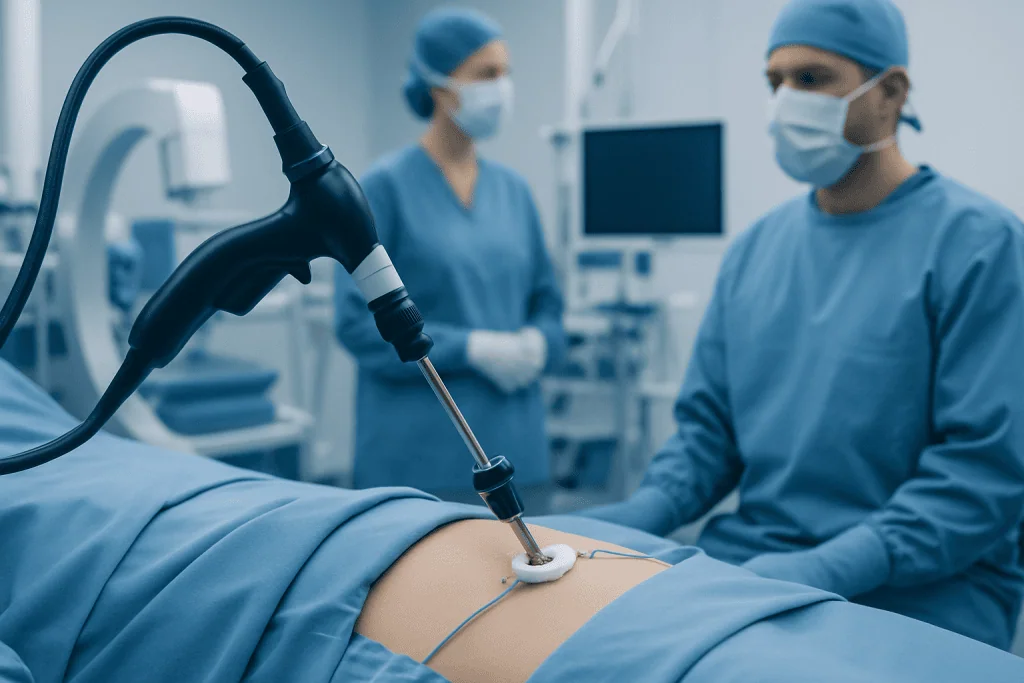
Some patients need surgery for perianal Crohn’s disease, such as drainage of an abscess or placement of a seton to help a fistula drain. In more severe situations, a temporary or permanent stoma may be needed, allowing stool to leave the body through an opening in the abdomen into a bag. Depending on the case, surgery may be performed using open or minimally invasive techniques. People with complex digestive symptoms may also benefit from coordinated assessment in neurogastroenterology and colorectal care when the diagnosis or symptom pattern is complicated.
When surgery is being planned, patients often discuss the possibility of laparoscopic surgery, expected recovery time, possible complications, and the chance that Crohn’s disease may return later. These conversations help set realistic expectations and support shared decision-making.
Recovery After Surgery and Long-Term Outlook
Recovery after Crohn’s surgery varies depending on the type of procedure, the patient’s general health, and whether the operation was planned or urgent. In the early recovery period, the healthcare team monitors pain control, bowel function, wound healing, hydration, and signs of infection. Nutrition is especially important, since many people with Crohn’s disease already have weight loss or vitamin deficiencies before surgery.
Most patients gradually return to eating, walking, and normal daily activities over days to weeks, based on medical advice. If a stoma is created, patients receive education on stoma care and practical support. Emotional adjustment is also important, and counseling or support groups can help some people adapt after major surgery.
It is important to understand that surgery treats complications and removes diseased bowel, but it does not eliminate the underlying tendency toward inflammation. Crohn’s disease can recur, often near the site where the bowel was reconnected. For this reason, long-term follow-up is essential, and doctors may recommend continued medication after surgery to lower the risk of recurrence.
Regular follow-up may include clinic visits, blood tests, stool markers, imaging, and colonoscopy. Ongoing care is often most effective when provided by specialists familiar with Crohn disease and other forms of inflammatory bowel disease.
Prevention, Self-Care, and When to See a Doctor
There is no guaranteed way to prevent Crohn’s disease or completely avoid surgery, but good disease control can reduce the chance of complications. Taking medicines as prescribed, keeping follow-up appointments, reporting new symptoms early, and avoiding smoking are all important steps. Smoking is strongly linked with worse Crohn’s disease outcomes and a higher risk of needing surgery.
Healthy self-care also includes balanced nutrition, hydration, rest, and attention to mental well-being. During active disease, some people benefit from personalized dietary advice from a gastroenterologist or dietitian, especially if weight loss, anemia, or food intolerance is present. Patients should avoid making major diet or medication changes without medical guidance.
A doctor should be contacted promptly for severe abdominal pain, vomiting, fever, rectal bleeding, inability to pass stool or gas, painful swelling around the anus, or signs of dehydration. These symptoms can suggest obstruction, abscess, perforation, or other complications that may need urgent treatment.
Near the end of the treatment pathway, some international patients choose evaluation in experienced centers. Acibadem International’s multidisciplinary specialists and JCI-accredited hospitals diagnose and treat Crohn’s disease and its surgical complications for international patients.
Frequently asked questions
Is surgery a cure for Crohn’s disease?
No. Surgery can treat damaged bowel and relieve complications, but it does not cure the underlying inflammatory condition. Crohn’s disease can return after surgery, which is why continued follow-up and sometimes ongoing medication are important.
What is the most common surgery for Crohn’s disease?
A bowel resection is one of the most common operations. In this procedure, the surgeon removes a diseased segment of intestine and reconnects the healthy ends. Strictureplasty is another common option when narrowing needs to be treated while preserving bowel length.
How do doctors know when surgery is needed?
Doctors consider surgery when medicines no longer control symptoms or when complications such as bowel obstruction, fistulas, abscesses, bleeding, or perforation occur. The decision is based on symptoms, examination findings, imaging, endoscopy, and the patient’s overall health.
Can Crohn’s disease come back after surgery?
Yes. Recurrence is possible, often near the area where the bowel has been reconnected. Regular monitoring and a treatment plan after surgery can help detect recurrence early and reduce the risk of future complications.
Will a person with Crohn’s disease always need a stoma bag after surgery?
Not always. Some surgeries do not require a stoma at all, and in some cases a stoma is temporary to allow healing. Whether a stoma is needed depends on the severity and location of disease and the type of operation being performed.
How long does recovery after Crohn’s surgery take?
Recovery time varies depending on the procedure and the person’s general health. Many people improve steadily over several weeks, but full recovery can take longer after major surgery. The care team will guide activity, diet, wound care, and follow-up during this period.
References
- National Institute of Diabetes and Digestive and Kidney Diseases
- Crohn's & Colitis Foundation
- American College of Gastroenterology
- National Health Service
- Mayo Clinic
This article is for general information only and is not a substitute for professional medical advice. Please consult a qualified doctor about your individual situation.
Persistent digestive symptoms? Get evaluated in Turkey
JCI-accredited · board-certified surgeons · reply within 24h
Add us as a Preferred Source to see more of our trusted health content across Google Search, AI Overviews and Discover.

Gastroenterology
Diagnosis and treatment of the digestive system and liver, with advanced endoscopy.
43 specialists in this unit