Crohn’s Disease: What to Expect During a Flare and How It Is Managed

A Crohn’s disease flare is a period when intestinal inflammation becomes more active and symptoms worsen. Common flare symptoms include diarrhea, abdominal pain, urgency, fatigue, weight loss, and sometimes fever or blood in the stool.
Key Takeaways
- A Crohn’s disease flare is a period when intestinal inflammation becomes more active and symptoms worsen.
- Common flare symptoms include diarrhea, abdominal pain, urgency, fatigue, weight loss, and sometimes fever or blood in the stool.
- Diagnosis and monitoring may involve blood tests, stool tests, imaging, and endoscopy to assess inflammation and complications.
- Treatment depends on flare severity and may include medication changes, nutrition support, and sometimes surgery.
- Ongoing follow-up, taking medicines as prescribed, and identifying personal triggers can help lower the risk of future flares.
Crohn’s disease is a long-term inflammatory bowel condition that often goes through periods of remission and flare. Understanding what a flare can feel like and how it is managed can help patients seek timely care, reduce symptoms, and protect long-term digestive health.
Overview: what a Crohn’s disease flare means
Crohn’s disease is a type of inflammatory bowel disease in which the digestive tract becomes inflamed. It can affect any part of the gastrointestinal tract, from the mouth to the anus, although it commonly involves the small intestine and colon. The condition is chronic, which means it tends to last for many years, often with periods of improvement followed by periods when symptoms return or worsen.
A flare, sometimes called a relapse, is a phase when inflammation becomes more active. During a flare, bowel symptoms may intensify and a person may feel generally unwell. Flares vary from mild to severe. Some develop gradually over days or weeks, while others seem to come on more suddenly.
Crohn’s disease does not affect everyone in the same way. The pattern of symptoms depends on which part of the bowel is inflamed, how deep the inflammation extends, and whether complications such as narrowing or fistulas are present. Because of this, one person’s flare may look very different from another’s.
The main goals during a flare are to control inflammation, relieve symptoms, maintain hydration and nutrition, and watch for complications. Good medical follow-up is important because repeated or untreated inflammation can gradually damage the bowel over time.
Symptoms patients may notice during a flare
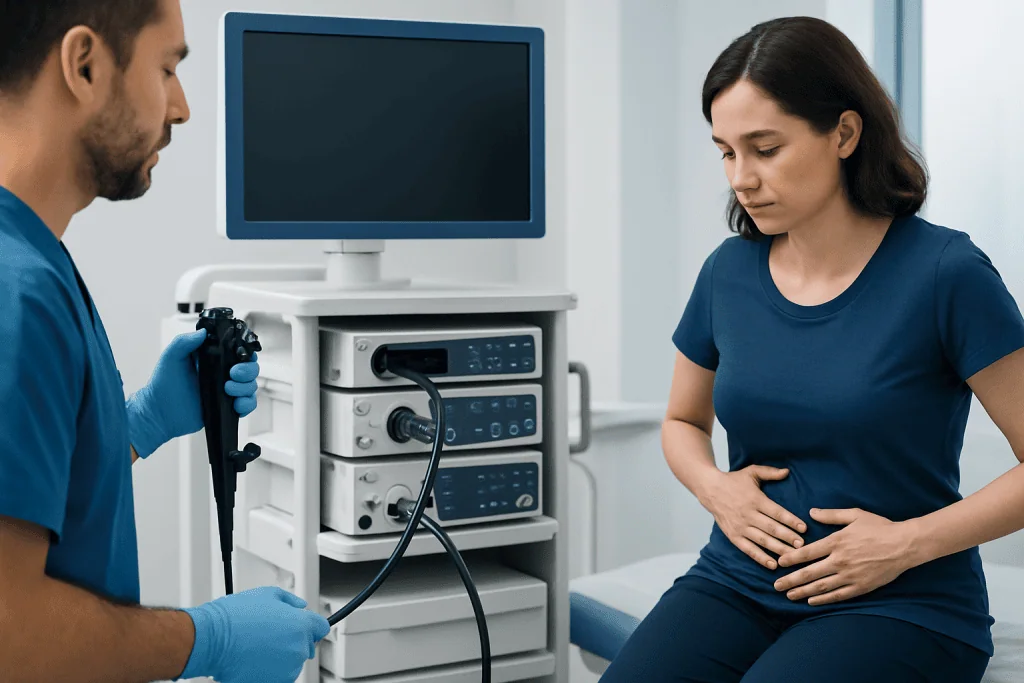
The most common symptoms of a Crohn’s flare are diarrhea, cramping, and abdominal pain. Some people have frequent urgent bowel movements, while others feel bloated or notice nausea after eating. The pain may be mild and intermittent or stronger and more persistent, especially if inflammation is more extensive.
Inflammation can also affect the whole body. Fatigue is very common, and some people lose their appetite or unintentionally lose weight. Fever may occur during a more active flare. If the bowel lining is irritated or ulcerated, blood or mucus may appear in the stool, although not everyone has this symptom.
Crohn’s disease may also cause symptoms outside the intestine. During or around a flare, some patients develop joint pain, mouth ulcers, eye irritation, or skin changes. These extra-intestinal symptoms can be an important clue that inflammation is active, even when digestive symptoms are not dramatic.
- Loose stools or persistent diarrhea
- Abdominal pain or cramping
- Urgency to use the toilet
- Fatigue and low energy
- Reduced appetite and weight loss
- Fever, nausea, or rectal bleeding in some cases
Causes, triggers, and risk factors

The exact cause of Crohn’s disease is not fully understood. It is believed to result from an abnormal immune response in a person with genetic susceptibility, influenced by environmental factors. Importantly, Crohn’s disease is not caused by stress alone, although stress can sometimes make symptoms feel worse or make coping more difficult.
A flare can happen even when a person has been stable for some time. Common reasons include not responding as well to a current medicine, stopping treatment, an intestinal infection, smoking, or using certain medications such as nonsteroidal anti-inflammatory drugs in some patients. Sometimes no clear trigger is found.
Food does not cause Crohn’s disease, but certain foods may aggravate symptoms during a flare. High-fiber, greasy, spicy, or dairy-based foods may bother some people more than others, especially if there is narrowing in the bowel. Keeping a simple symptom diary can help identify personal patterns without unnecessarily restricting the diet.
Doctors also consider conditions that can mimic or overlap with Crohn’s symptoms, such as ulcerative colitis, irritable bowel syndrome, or infection. Sorting out the cause of worsening symptoms is important because treatment is different when symptoms are due to active inflammation rather than another problem.
How a flare is diagnosed and assessed
When symptoms suggest a flare, the doctor begins by asking about bowel habits, pain, appetite, weight changes, fever, and medication use. A physical examination can help identify tenderness, dehydration, signs of anemia, or complications around the anus such as fissures or fistulas. This first assessment helps determine how urgent the situation is.
Blood tests may be used to look for inflammation, anemia, dehydration, or nutritional deficiencies. Stool tests can help rule out infections and may also measure markers that suggest bowel inflammation. These tests are useful because diarrhea in a person with Crohn’s is not always caused by a true inflammatory flare.
Imaging and endoscopy are often important. Colonoscopy allows the care team to directly examine the bowel lining and take biopsies if needed. CT enterography, MR enterography, or ultrasound may be used to assess deeper inflammation, abscesses, narrowing, or fistulas that cannot be seen with routine examination alone.
Specialist evaluation is especially helpful when symptoms are difficult to interpret or persist despite treatment. In some centers, neurogastroenterology assessment can support a fuller understanding of bowel symptoms, while dedicated inflammatory bowel care helps guide long-term monitoring and flare management.
Treatment options during a Crohn’s flare
Treatment depends on how severe the flare is, which part of the bowel is affected, and whether complications are present. Mild flares may sometimes be managed with close monitoring, diet adjustments, hydration, and changes to maintenance medication. Moderate to severe flares usually need more active treatment to bring inflammation under control.
Medicines may include corticosteroids to reduce inflammation in the short term, as well as immunomodulators or biologic therapies for ongoing disease control. If a medicine that once worked is no longer effective, the doctor may adjust the dose, switch to another treatment class, or investigate whether infection or another issue is contributing to symptoms. Antibiotics may be used in selected situations, such as certain infections or fistula-related problems.
Nutrition support can also be part of treatment. Some people need a temporary low-residue diet during a flare to reduce irritation, while others may benefit from oral supplements or, in more severe cases, other forms of nutritional support. The aim is to maintain strength and avoid malnutrition while the bowel is inflamed.
Surgery is not needed for every flare, but it may be recommended for complications such as bowel obstruction, abscess, perforation, severe bleeding, or fistulas that do not respond to medical therapy. Patients being treated for Crohn disease often benefit from coordinated care that may also address related concerns such as gastrointestinal bleeding when present.
Prevention, monitoring, and self-care between flares
Although not every flare can be prevented, many patients can lower their risk by following the treatment plan carefully and attending regular follow-up visits. Crohn’s disease often continues to be active at a microscopic level even when symptoms improve, so ongoing treatment may still be necessary during remission.
Smoking cessation is one of the most important lifestyle steps because smoking is strongly linked to worse Crohn’s outcomes. Good sleep, stress management, and regular physical activity may also support overall well-being. These steps do not replace medical treatment, but they can make living with a chronic condition easier.
Nutrition should be individualized. During remission, many people can eat a varied, balanced diet, while during a flare some foods may need to be limited temporarily. Patients should speak with a doctor or dietitian before making major dietary restrictions, especially if weight loss or poor appetite is already a concern.
It can help to track symptoms, bowel frequency, and possible triggers in a simple diary or app. This information can guide treatment decisions and help the care team identify early warning signs of worsening disease. Near the end of the care journey, some international patients choose centers such as Acibadem International, where multidisciplinary specialists at JCI-accredited hospitals diagnose and treat Crohn’s disease and related digestive conditions.
When to seek medical help urgently
Patients should contact a doctor if a flare seems to be starting, especially if symptoms are more intense than usual or not improving. Early treatment may shorten the flare and reduce the chance of complications. Worsening diarrhea, significant abdominal pain, ongoing vomiting, or inability to eat and drink normally should not be ignored.
Urgent medical assessment is important for signs of dehydration, high fever, severe weakness, fainting, or persistent bleeding from the bowel. A swollen abdomen, severe constant pain, or inability to pass stool or gas may suggest an obstruction and needs prompt evaluation. These symptoms do not always mean a dangerous complication, but they do need timely medical attention.
People with Crohn’s disease should also seek help if they notice new drainage or pain around the anus, rapid weight loss, or symptoms that continue despite taking their usual medicines. Children, older adults, pregnant patients, and those using immunosuppressive drugs may need extra caution because they can become unwell more quickly.
Regular follow-up remains important even after a flare settles. The period after recovery is often the right time to review long-term treatment, check for nutritional deficiencies, and adjust the care plan to reduce future relapses.
Frequently asked questions
How long does a Crohn’s disease flare usually last?
A flare can last days to several weeks, and sometimes longer, depending on how active the inflammation is and how quickly treatment works. Because the course varies from person to person, it is best to speak with a doctor early if symptoms are not settling.
Can stress cause a Crohn’s flare?
Stress is not considered the direct cause of Crohn’s disease, but it may worsen symptoms or make a flare feel harder to manage. Good stress management can be helpful as part of overall care, alongside medical treatment.
What foods should be avoided during a flare?
There is no single Crohn’s diet that fits everyone. During a flare, some people tolerate low-fiber, bland, or softer foods better, while greasy, spicy, or dairy foods may worsen symptoms for others. A doctor or dietitian can help tailor a safe plan.
Is diarrhea during Crohn’s disease always a flare?
No. Diarrhea can also be caused by infection, medication side effects, bile acid problems, or functional bowel symptoms. That is why stool tests, blood tests, and clinical review are often needed before changing treatment.
Will surgery cure Crohn’s disease?
Surgery can treat certain complications and may greatly improve symptoms, but it does not cure the underlying disease. Crohn’s inflammation can return in other areas of the bowel, so follow-up and ongoing treatment may still be needed.
When should someone with Crohn’s disease go to the hospital?
Hospital care may be needed for severe abdominal pain, persistent vomiting, signs of dehydration, high fever, heavy rectal bleeding, or suspected bowel blockage. If symptoms feel severe or different from usual, prompt medical evaluation is the safest step.
References
- National Institute of Diabetes and Digestive and Kidney Diseases
- Crohn's & Colitis Foundation
- American College of Gastroenterology
- European Crohn's and Colitis Organisation
- Mayo Clinic
This article is for general information only and is not a substitute for professional medical advice. Please consult a qualified doctor about your individual situation.
Persistent digestive symptoms? Get evaluated in Turkey
JCI-accredited · board-certified surgeons · reply within 24h
Add us as a Preferred Source to see more of our trusted health content across Google Search, AI Overviews and Discover.

Gastroenterology
Diagnosis and treatment of the digestive system and liver, with advanced endoscopy.
43 specialists in this unit