Deep Vein Thrombosis: Early Signs, Risk Factors, and Urgent Treatment

Deep vein thrombosis usually affects a deep vein in the leg and can sometimes cause few or no symptoms. Common warning signs include swelling, pain, warmth, and redness in one leg.
Key Takeaways
- Deep vein thrombosis usually affects a deep vein in the leg and can sometimes cause few or no symptoms.
- Common warning signs include swelling, pain, warmth, and redness in one leg.
- Major risk factors include long periods of immobility, surgery, cancer, pregnancy, hormone therapy, and inherited clotting disorders.
- Prompt treatment with blood thinners and other measures helps prevent pulmonary embolism and long-term vein damage.
- Sudden shortness of breath, chest pain, or coughing up blood needs urgent medical attention.
Deep vein thrombosis (DVT) is a blood clot that forms in a deep vein, most often in the leg. Early diagnosis and treatment are important because a clot can grow, damage the vein, or travel to the lungs.
Overview
Deep vein thrombosis is a condition in which a blood clot forms in a deep vein, usually in the lower leg, thigh, or pelvis. Less commonly, it can affect the arm. Because these veins lie deep beneath the skin, a clot may not always be visible, and symptoms can range from mild discomfort to more noticeable swelling and pain.
DVT matters because part of the clot can sometimes break off and travel through the bloodstream to the lungs, causing a pulmonary embolism. This can interfere with breathing and requires immediate medical care. Even when a clot does not travel, it can still harm the vein and lead to long-term swelling, pain, or skin changes.
Although DVT can happen to anyone, it is more likely when blood flow slows down, the blood becomes more likely to clot, or the vein wall is injured. These changes may happen during illness, after surgery, during long-distance travel, or with certain medical conditions. Many cases are treatable, especially when recognized early.
People who want more condition-specific information may also see deep vein thrombosis care. A doctor can explain the best approach based on the clot’s location, size, and the person’s overall health.
Early Signs and Symptoms
Deep vein thrombosis may cause obvious symptoms, but some people have none at all. When symptoms do occur, they often affect just one leg. The most common signs are swelling, aching or cramping pain, tenderness, warmth, and a change in skin color such as redness or a bluish tone.
The pain may begin in the calf and feel worse when standing or walking. Some people notice a feeling of heaviness in the leg or that one calf suddenly looks larger than the other. Symptoms can come on gradually or more suddenly, depending on how quickly the clot forms and where it is located.
A clot in the arm can cause swelling, discomfort, warmth, or visible surface veins. However, these symptoms are not specific to DVT and can overlap with muscle injury, infection, or other vein problems. For that reason, unexplained one-sided swelling or pain should be assessed by a healthcare professional rather than self-diagnosed.
- Swelling in one leg or arm
- Calf or thigh pain, cramping, or tenderness
- Warmth over the affected area
- Red, discolored, or tight-looking skin
- Sometimes no symptoms at all
Causes and Risk Factors
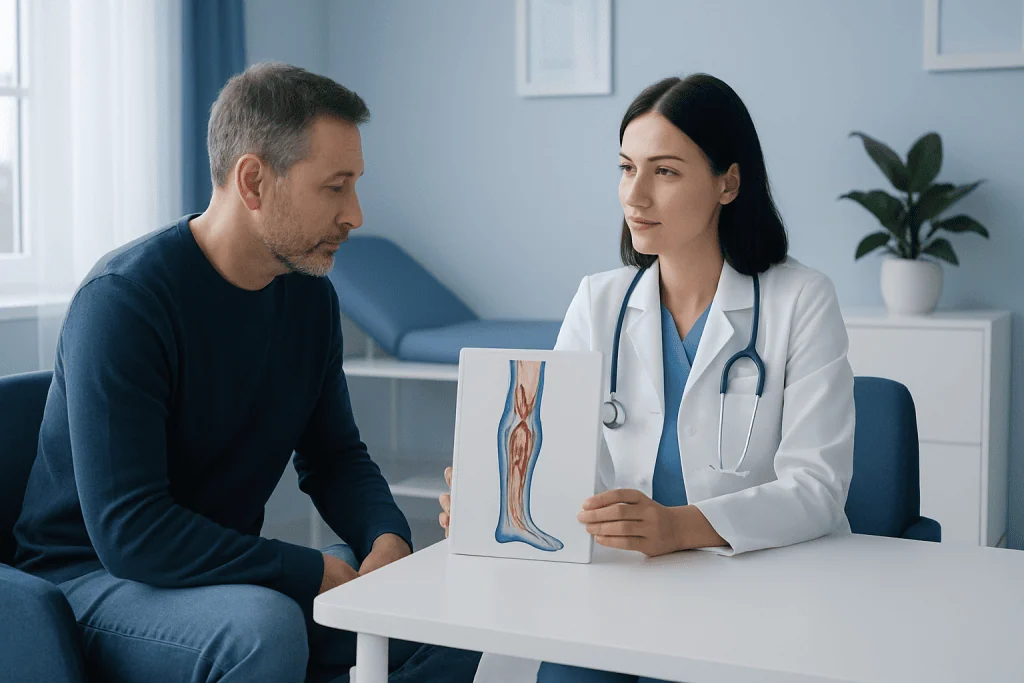
DVT develops when blood flow in a deep vein becomes sluggish, the lining of the vein is damaged, or the blood is more prone to clotting. This is why it is more common after long periods of bed rest, during recovery from surgery, or after an injury. Long flights or car trips can also increase risk, especially when someone sits still for many hours.
Medical factors can also raise the chance of clotting. These include cancer, heart disease, inflammatory disorders, pregnancy, the period after childbirth, obesity, smoking, and increasing age. Certain medicines, such as estrogen-containing birth control or hormone therapy, may also make blood more likely to clot.
Some people inherit clotting tendencies that make DVT more likely, particularly if there is a strong family history of blood clots at a young age. People with vein disease, previous clots, or chronic conditions such as heart failure may also face higher risk because circulation can be reduced. Related vascular and clotting problems are sometimes evaluated alongside conditions such as cardiac thrombosis.
High blood pressure alone is not usually a direct cause of DVT, but overall cardiovascular health still matters. People living with hypertension or limited mobility after illness may need broader risk assessment and prevention planning, especially during hospitalization or recovery.
How Deep Vein Thrombosis Is Diagnosed
Diagnosis begins with a medical history and physical examination. A doctor will ask about symptoms, recent travel, surgery, pregnancy, medications, cancer history, and previous clots. Because the symptoms can resemble other conditions, testing is usually needed to confirm whether a clot is present.
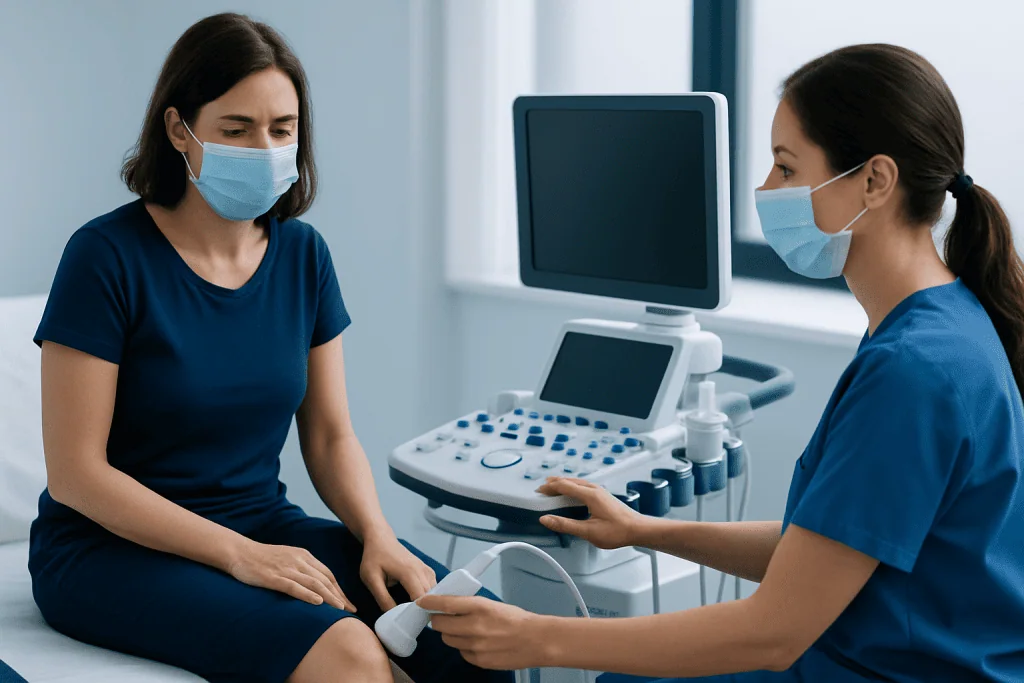
The most common first test is a compression ultrasound, which uses sound waves to look at blood flow in the veins and see whether a clot is blocking them. This test is painless and does not involve radiation. In many cases, it can identify a clot quickly and accurately.
Blood tests may also help. A D-dimer test can suggest whether abnormal clotting may be happening in the body, though it does not confirm DVT on its own. If the clot is harder to detect, such as in the pelvis, other imaging studies may be used. Doctors may also assess the person’s risk of pulmonary embolism if there are symptoms such as shortness of breath or chest pain.
Fast diagnosis is important because treatment reduces the chance that the clot will enlarge or travel. Anyone with sudden breathing difficulty, chest pain, fainting, or coughing up blood should seek emergency care right away, as these may be signs of a clot in the lungs.
Treatment Options
The main goal of treatment is to stop the clot from growing, prevent it from traveling to the lungs, and reduce the chance of future clots. For many people, the first treatment is anticoagulation, often called blood-thinning medicine. These medicines do not dissolve a clot instantly, but they help the body gradually break it down while reducing the risk of new clot formation.
The type and duration of treatment depend on why the clot happened, where it is located, and whether the person has ongoing risk factors. Some people need treatment for only a limited period, while others need longer-term management. Doctors also consider bleeding risk, kidney function, pregnancy status, and other medical conditions before choosing a plan.
In selected situations, additional procedures may be considered. These may include clot-dissolving treatment, mechanical clot removal, or placing a filter in a large vein when anticoagulants cannot be used. For complex vein conditions, minimally invasive approaches such as endovascular surgery may be discussed by specialists.
Compression stockings may be recommended for some patients to help manage swelling and discomfort, although their role varies by individual case. Gentle movement is often encouraged once treatment starts, since walking can support circulation. People should always follow their doctor’s instructions about activity, medications, and follow-up blood tests if needed.
Prevention and Self-care
Preventing DVT often begins with keeping blood moving. During travel or desk work, it helps to stand up regularly, walk when possible, and flex the ankles and calves. After surgery or hospitalization, early movement is one of the simplest and most effective ways to lower clot risk, when medically appropriate.
Doctors may recommend preventive anticoagulants or compression devices for people at higher risk, especially after operations, during cancer treatment, or during prolonged bed rest. Maintaining a healthy weight, staying hydrated, and not smoking also support vascular health. People with chronic cardiovascular conditions, including coronary artery disease, should discuss safe activity and prevention strategies with their care team.
Self-care after a DVT focuses on taking medication exactly as prescribed, attending follow-up appointments, and watching for new symptoms. Patients should tell their doctor about unusual bruising or bleeding while on anticoagulants. They should also ask before starting new medicines or supplements, because some can interact with blood thinners.
Recovery can involve more than simply treating the clot. In some cases, structured support such as cardiac rehabilitation or supervised recovery planning may help people return safely to activity, especially if DVT occurred alongside other heart or vascular conditions.
When to See a Doctor
A person should seek medical evaluation promptly if they develop unexplained swelling, pain, warmth, or redness in one leg or arm, especially after travel, surgery, illness, or inactivity. Even if symptoms seem mild, it is safest not to ignore them because DVT can worsen without obvious warning signs.
Emergency care is needed if there is sudden shortness of breath, sharp chest pain, a rapid heartbeat, lightheadedness, fainting, or coughing up blood. These symptoms can suggest a pulmonary embolism, which is a medical emergency. Quick treatment can be life-saving.
People with a past history of clots, an inherited clotting disorder, cancer, pregnancy-related risk, or current hormone therapy should be especially alert to new symptoms. Ongoing medical follow-up can help lower the risk of recurrence and address concerns about daily activities, travel, and future procedures.
For international patients who need evaluation and treatment, Acibadem International’s multidisciplinary specialists and JCI-accredited hospitals provide diagnosis and care for vascular conditions including DVT. A qualified doctor can advise on the most appropriate tests and treatment plan for each individual.
Frequently asked questions
What is deep vein thrombosis?
Deep vein thrombosis is a blood clot that forms in a deep vein, usually in the leg. It is important because the clot can block blood flow or travel to the lungs and cause a pulmonary embolism.
What are the first signs of DVT in the leg?
Early signs often include swelling in one leg, calf pain or tenderness, warmth, and redness or discoloration. Some people have only mild symptoms, and others may have no symptoms at all.
Is deep vein thrombosis an emergency?
DVT itself needs prompt medical attention, even when symptoms are not severe. It becomes an emergency if there are signs of pulmonary embolism such as sudden shortness of breath, chest pain, fainting, or coughing up blood.
Can a DVT go away on its own?
The body may gradually break down a clot over time, but untreated DVT can still grow, damage the vein, or travel to the lungs. That is why medical assessment and treatment are important.
Who is most at risk for deep vein thrombosis?
People at higher risk include those who have had recent surgery, long periods of immobility, cancer, pregnancy, obesity, smoking exposure, or a previous blood clot. Certain inherited clotting disorders and hormone medicines can also raise risk.
How is DVT usually treated?
Most people are treated with anticoagulant medicines to prevent the clot from getting larger and to reduce the risk of new clots. In selected cases, doctors may recommend other procedures if the clot is extensive or anticoagulants cannot be used.
How can DVT be prevented during travel?
During long trips, it helps to stand up and walk regularly, move the ankles and calves while seated, stay hydrated, and avoid remaining still for many hours. People with higher risk may need individualized advice from a doctor before travel.
This article is for general information only and is not a substitute for professional medical advice. Please consult a qualified doctor about your individual situation.
Deep Vein Thrombosis in Turkey — costs, top hospitals & a free quote
JCI-accredited · board-certified surgeons · reply within 24h
Add us as a Preferred Source to see more of our trusted health content across Google Search, AI Overviews and Discover.
Check your numbers in seconds
BMI, calories, due date, blood pressure and 30+ more clinical calculators — free, instant, doctor-reviewed ranges.

Cardiology Department
Diagnosis and treatment of heart and vascular conditions, from prevention to advanced interventional procedures.
93 specialists in this unitRelated Treatments
Related Conditions
More from the Health Library

Dental Clearance Before Heart Bypass Surgery: Why Infection Prevention Matters

Minimally Invasive Heart Bypass Surgery: Benefits, Limits, and Recovery
Heart Screening for Athletes: Detecting Hidden Cardiac Risks
Coronary Bypass Graft Types: Artery vs Vein Grafts Explained

Coronary Bypass Surgery vs Medication: When Surgery May Be Recommended