Deep Vein Thrombosis: Warning Signs and Urgent Treatment

Deep vein thrombosis usually affects the deep veins of the leg or pelvis. Common warning signs include swelling, pain, warmth, and skin color changes in one leg.
Key Takeaways
- Deep vein thrombosis usually affects the deep veins of the leg or pelvis.
- Common warning signs include swelling, pain, warmth, and skin color changes in one leg.
- A clot can become dangerous if part of it travels to the lungs and causes a pulmonary embolism.
- Diagnosis often involves ultrasound and, in some cases, blood tests or advanced imaging.
- Treatment commonly includes blood-thinning medicine, and some people may need procedures.
- Early movement, hydration, and risk-based prevention are important after surgery, illness, or long travel.
Deep vein thrombosis is a blood clot that forms in a deep vein, most often in the leg. Quick recognition and treatment can lower the risk of the clot growing, returning, or traveling to the lungs.
Overview
Deep vein thrombosis, often called DVT, happens when a blood clot forms in a deep vein. It most commonly develops in the lower leg, thigh, or pelvis, but it can also occur in the arm. The main concern is not only the clot in the vein itself, but also the possibility that part of the clot may break off and travel to the lungs.
When a clot reaches the lungs, it can cause a pulmonary embolism, which needs urgent medical care. For this reason, deep vein thrombosis should never be ignored. The good news is that with timely diagnosis and appropriate treatment, many people recover well and serious complications can often be prevented.
DVT can develop in people of different ages, but the risk is higher in certain situations, such as after surgery, during prolonged bed rest, after long-distance travel, or in people with cancer or inherited clotting disorders. Pregnancy, hormone therapy, and increasing age can also raise the risk.
Although DVT is often discussed in vascular medicine, it is closely connected to heart and circulation health. People with other cardiovascular conditions, including heart failure or high blood pressure, may need particularly careful risk assessment during periods of illness, hospitalization, or reduced mobility.
Symptoms and warning signs
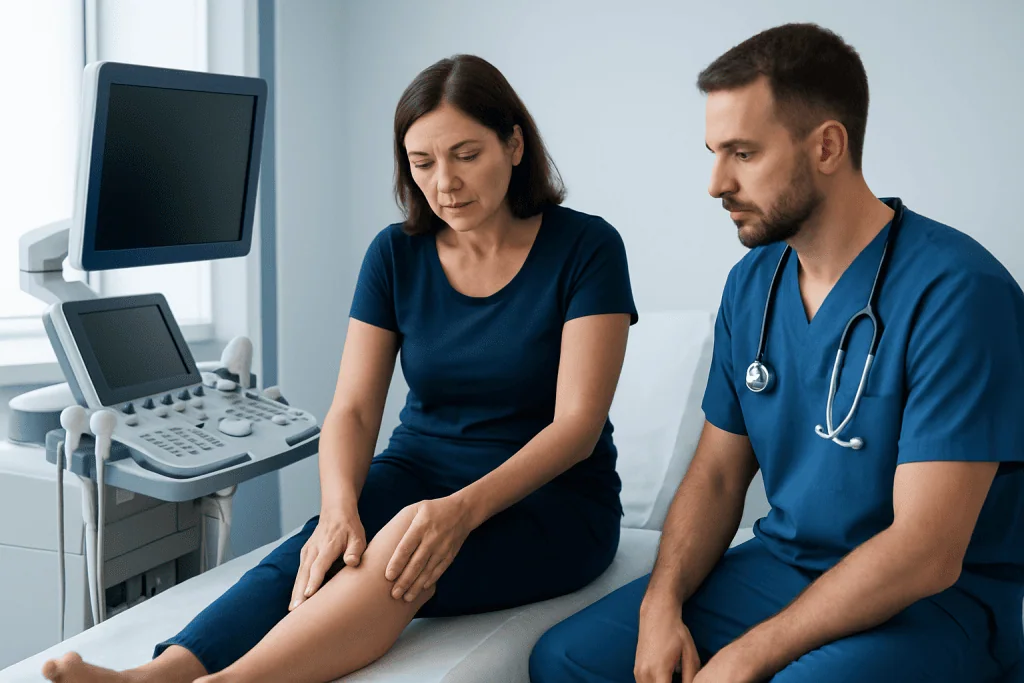
Some people with deep vein thrombosis have clear symptoms, while others have few or none. When symptoms do appear, they usually affect one leg rather than both. Typical signs include swelling, aching or cramping pain, tenderness, warmth, and red, bluish, or discolored skin over the affected area.
The pain may feel worse when standing or walking. A clot in the calf can sometimes be mistaken for a muscle strain, especially if there has been recent activity or minor injury. However, swelling in one leg, especially when combined with warmth or color change, deserves medical attention.
Symptoms depend partly on where the clot is located. A clot higher up in the thigh or pelvis may cause more marked swelling and discomfort. An arm DVT may lead to arm swelling, heaviness, pain, or visible surface veins.
Urgent warning signs can occur if a clot travels to the lungs. These may include sudden shortness of breath, chest pain that may worsen with breathing, coughing, coughing up blood, dizziness, or fainting. These symptoms need immediate emergency evaluation.
Causes and risk factors

Deep vein thrombosis usually develops when one or more factors make clotting more likely. Doctors often think about three main contributors: blood flow that has slowed down, a blood vessel wall that has been injured, and blood that is more likely than usual to clot. Many people develop DVT because of a combination of these factors rather than one single cause.
Reduced movement is a common trigger. This may happen after surgery, during hospitalization, after a serious illness, or on long journeys by plane, car, or train. Immobility slows blood flow in the legs, which can allow a clot to form more easily.
Other important risk factors include cancer and cancer treatment, pregnancy and the weeks after delivery, hormone-based birth control, hormone replacement therapy, obesity, smoking, older age, dehydration, and a personal or family history of clotting problems. Some people have inherited conditions that increase clotting tendency.
Injury to a vein can also play a role. This may happen after trauma, fracture, surgery, or the placement of a catheter. Certain chronic illnesses and inflammatory conditions may further increase risk. People who have had clotting-related conditions before, such as cardiac thrombosis care, may need individualized prevention planning.
- Recent surgery or hospitalization
- Bed rest or limited mobility
- Long travel without movement breaks
- Pregnancy or postpartum period
- Hormone therapy or oral contraceptives
- Cancer, smoking, obesity, or inherited clotting disorders
How deep vein thrombosis is diagnosed
Diagnosis begins with a medical history and physical examination. A doctor asks about symptoms, recent travel, surgery, medications, pregnancy, past clots, and family history. Because DVT symptoms can overlap with those of muscle injury, infection, or swelling from other causes, testing is usually needed to confirm the diagnosis.
The most common test is compression ultrasound, which uses sound waves to look at blood flow and see whether a vein can be compressed normally. It is painless, widely used, and especially helpful for clots in the leg. In many cases, ultrasound is enough to guide treatment.
A blood test called D-dimer may also be used in selected patients, especially when the chance of DVT is thought to be low or moderate. A normal result can make an active clot less likely in some situations. However, D-dimer is not specific, so it must be interpreted together with symptoms and risk factors.
If the clot may be in the pelvis or if the diagnosis remains unclear, further imaging such as CT or MRI venography may be considered. If doctors suspect a pulmonary embolism, chest imaging and other urgent tests may be needed. Careful evaluation helps doctors choose the safest and most effective treatment plan.
Treatment options
The main goals of treatment are to stop the clot from getting larger, reduce the risk of pulmonary embolism, prevent new clots, and lower the chance of long-term vein damage. In many people, treatment starts with anticoagulant medicine, often called a blood thinner. These medicines do not dissolve the clot immediately, but they help the body gradually break it down while preventing further clotting.
The type and duration of anticoagulation depend on the clot location, the cause, the person’s bleeding risk, and whether this is a first or repeat event. Some people need treatment for a limited period, while others need longer-term therapy. Follow-up is important so the care team can monitor symptoms, side effects, and ongoing risk factors.
In selected cases, more advanced treatment may be considered. People with extensive clots, severe symptoms, poor blood flow, or a high risk of tissue damage may benefit from specialist evaluation. Depending on the situation, this may include catheter-based clot treatment or endovascular surgery in experienced centers. Compression stockings may be recommended for some people, although their use is individualized.
If a person cannot safely take anticoagulants, or if clot risk remains very high despite treatment, doctors may consider other options. Management should always be tailored to the individual. Patients looking for dedicated care may also read about deep vein thrombosis treatment and, when rehabilitation is needed after major illness or hospitalization, supportive programs such as cardiac rehabilitation may help restore safe mobility and overall cardiovascular health.
Prevention and self-care
Prevention focuses on improving blood flow and lowering clotting risk in people who are vulnerable. In hospitals, prevention may include early walking, leg exercises, compression devices, or preventive anticoagulant medication when appropriate. After surgery or illness, following the doctor’s instructions about movement and medicines is very important.
During long trips, simple habits can help. Standing up regularly, stretching the calves, flexing the ankles, wearing loose clothing, and staying hydrated may reduce risk. People with a history of DVT or strong risk factors should ask a doctor whether they need extra precautions before travel.
General self-care also supports vein health. Staying physically active, maintaining a healthy weight, avoiding smoking, and managing chronic conditions are all helpful. Although DVT cannot always be prevented, reducing avoidable risks can make a meaningful difference.
People taking anticoagulants should follow instructions carefully and tell healthcare professionals about all medicines and supplements they use. They should also ask about activity, injury prevention, and warning signs of bleeding. Good communication with the care team helps treatment remain both effective and safe.
When to see a doctor
Medical advice should be sought promptly for unexplained swelling, pain, tenderness, warmth, or skin color change in one leg or one arm, especially if symptoms appear after surgery, travel, hospitalization, pregnancy, or reduced movement. Even mild symptoms deserve assessment when risk factors are present.
Emergency care is needed for possible signs of pulmonary embolism, such as sudden shortness of breath, chest pain, coughing up blood, severe dizziness, or fainting. These symptoms do not always mean a pulmonary embolism is present, but they should be treated as urgent until a doctor says otherwise.
People who have already been diagnosed with DVT should contact their doctor if symptoms worsen, if new swelling develops, or if there are concerns about medicine side effects. Signs of possible bleeding while on anticoagulants also need prompt medical review.
For international patients who need coordinated evaluation, Acibadem International’s multidisciplinary specialists in JCI-accredited hospitals diagnose and treat vascular and clotting conditions with individualized care plans. Timely assessment is the best way to protect health and reduce complications.
Frequently asked questions
What is deep vein thrombosis?
Deep vein thrombosis is a blood clot that forms in a deep vein, usually in the leg or pelvis. It matters because the clot can block blood flow locally or travel to the lungs and cause a pulmonary embolism.
Can deep vein thrombosis go away on its own?
Some clots may gradually break down over time, but DVT should not be left to chance. Medical treatment is important because it lowers the risk of the clot growing, returning, or causing dangerous complications.
Is every swollen leg a sign of DVT?
No. Leg swelling can have many causes, including muscle injury, infection, varicose veins, or fluid retention. However, one-sided swelling with pain, warmth, or skin color change should be checked by a doctor.
How is DVT different from a pulmonary embolism?
DVT refers to a clot in a deep vein, most often in the leg. A pulmonary embolism happens when part of that clot breaks away and travels to the lungs, where it can interfere with breathing and circulation.
Who is most at risk for deep vein thrombosis?
Risk is higher in people who are less mobile, have recently had surgery, are pregnant, have cancer, use hormone therapy, smoke, or have had a previous clot. Some people also inherit clotting tendencies that raise their risk.
Can walking help prevent deep vein thrombosis?
Yes, regular movement helps blood flow through the legs and can reduce risk, especially after travel or illness. Walking is one helpful strategy, but some people also need medical prevention such as compression devices or anticoagulant medicines.
References
- World Health Organization
- Centers for Disease Control and Prevention
- National Heart, Lung, and Blood Institute
- American Heart Association
- National Institute for Health and Care Excellence
This article is for general information only and is not a substitute for professional medical advice. Please consult a qualified doctor about your individual situation.
Deep Vein Thrombosis in Turkey — costs, top hospitals & a free quote
JCI-accredited · board-certified surgeons · reply within 24h
Add us as a Preferred Source to see more of our trusted health content across Google Search, AI Overviews and Discover.
Check your numbers in seconds
BMI, calories, due date, blood pressure and 30+ more clinical calculators — free, instant, doctor-reviewed ranges.

Cardiology Department
Diagnosis and treatment of heart and vascular conditions, from prevention to advanced interventional procedures.
91 specialists in this unit