Dementia: Memory Loss, Diagnosis, and Supportive Care
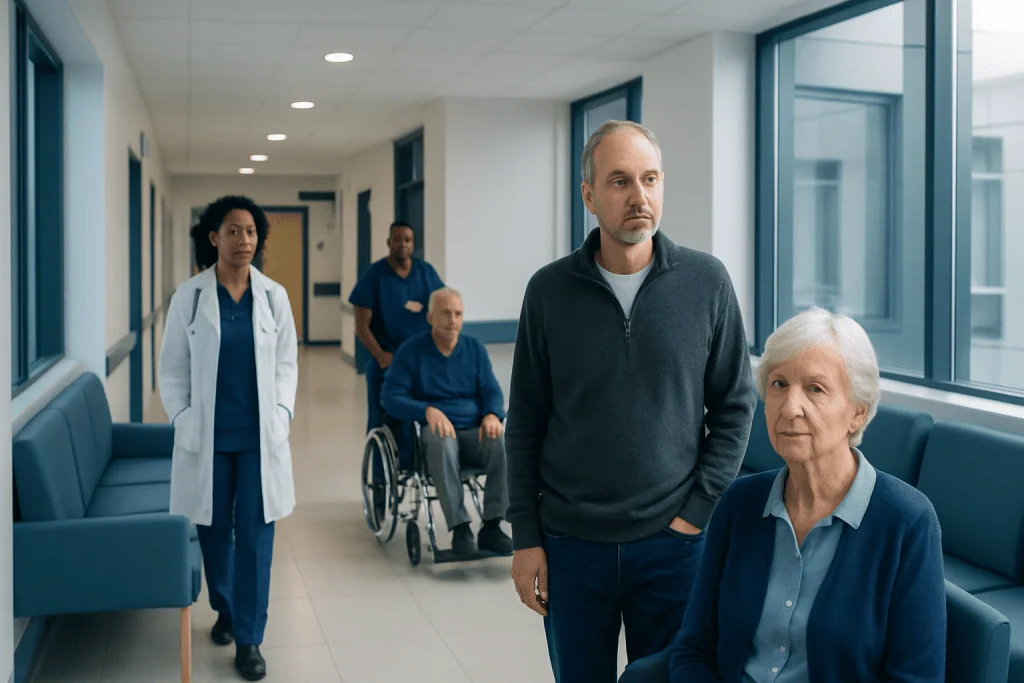
Dementia is not a normal part of aging, although age is an important risk factor. Memory loss is common, but dementia can also affect language, judgment, mood, movement, and daily activities.
Key Takeaways
- Dementia is not a normal part of aging, although age is an important risk factor.
- Memory loss is common, but dementia can also affect language, judgment, mood, movement, and daily activities.
- Diagnosis usually includes medical history, cognitive testing, laboratory tests, and brain imaging when appropriate.
- Treatment focuses on managing symptoms, addressing reversible contributors, supporting safety, and planning care.
- Families and caregivers benefit from education, routines, respite, and guidance from qualified healthcare professionals.
Dementia is a group of conditions that affect memory, thinking, behavior, and daily functioning. Early assessment can help identify treatable causes, guide care planning, and support quality of life for patients and families.
Overview
Dementia is an umbrella term for a range of brain disorders that cause a decline in cognitive abilities severe enough to interfere with everyday life. It may affect memory, attention, language, problem-solving, personality, movement, and the ability to carry out familiar tasks. The most common cause is Alzheimer’s disease, but vascular dementia, Lewy body dementia, frontotemporal dementia, Parkinson’s disease dementia, and mixed forms are also recognized.
It is important to understand that dementia is not simply “normal aging.” Many people become a little slower at recalling names or multitasking as they get older, but they usually remain independent and can learn new information with time. Dementia involves a more persistent and progressive change that affects function, safety, relationships, or decision-making.
Although dementia can be challenging, a clear diagnosis can be helpful and reassuring. It allows doctors to look for reversible contributors, start appropriate treatment when indicated, and help families plan practical support. With the right care, many people with dementia can maintain meaningful routines, comfort, dignity, and connection for a long time.
Symptoms and Early Signs
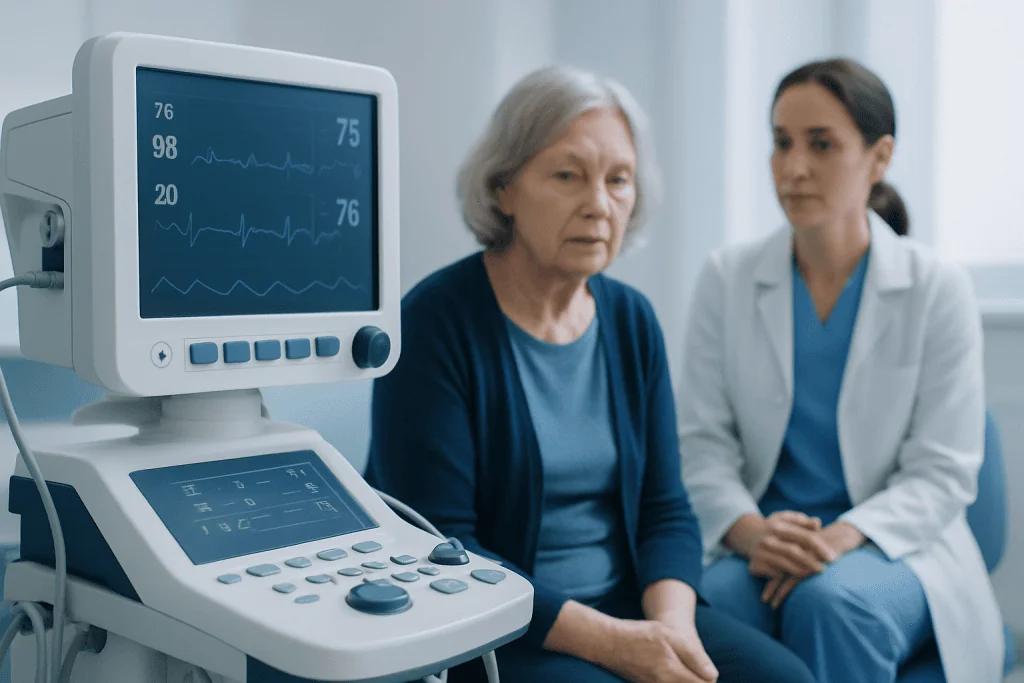
Memory loss is often the first symptom people notice, especially difficulty remembering recent conversations, appointments, or events. A person may repeat questions, misplace items in unusual places, or depend more heavily on notes and family reminders. However, memory loss alone does not always mean dementia; stress, depression, sleep problems, medication effects, vitamin deficiencies, thyroid disease, and other medical conditions can also affect memory.
Dementia may also cause changes in language, reasoning, orientation, and behavior. A person may struggle to find words, follow a conversation, manage finances, cook a familiar meal, navigate a known route, or make safe decisions. Mood changes such as apathy, anxiety, irritability, low mood, suspicion, or social withdrawal can occur, sometimes before memory problems are obvious.
Some types of dementia have distinctive features. Lewy body dementia may be associated with visual hallucinations, fluctuating alertness, sleep behavior changes, or parkinsonian movement symptoms. Frontotemporal dementia may first affect personality, behavior, empathy, judgment, or language rather than memory. Vascular dementia may develop after a stroke or appear as a stepwise decline in thinking skills.
Causes and Risk Factors

Dementia develops when brain cells are damaged and communication between them is disrupted. In Alzheimer’s disease, abnormal protein changes in the brain are linked with progressive nerve cell injury. In vascular dementia, reduced blood flow from strokes or small vessel disease affects brain function. In Lewy body dementia, abnormal protein deposits called Lewy bodies are associated with cognitive, movement, sleep, and perception changes.
Risk factors vary by dementia type, but several are well established. Some cannot be changed, such as increasing age, family history, and certain genetic factors. Others may be influenced through prevention and long-term health care, particularly those related to cardiovascular and metabolic health.
- High blood pressure, diabetes, high cholesterol, smoking, and obesity can increase vascular risk.
- Previous stroke, traumatic brain injury, or significant head trauma may raise the risk of later cognitive problems.
- Hearing loss, social isolation, depression, poor sleep, and low physical activity may contribute to cognitive decline in some people.
- Excessive alcohol use and some medication effects can worsen thinking and memory.
Having a risk factor does not mean a person will develop dementia. Conversely, some people develop dementia without obvious risk factors. A medical assessment helps identify the most likely cause and guides steps that may protect brain health.
Diagnosis
Diagnosing dementia begins with a careful conversation about symptoms, when they started, how they have changed, and how they affect daily life. Doctors often speak with both the patient and someone who knows them well, because insight into cognitive changes may vary. The assessment also reviews medical conditions, medications, mood, sleep, alcohol use, family history, and safety concerns such as driving, falls, cooking, or financial management.
Cognitive screening tests may assess memory, attention, language, drawing, orientation, and executive function. These tests do not diagnose dementia by themselves, but they help determine whether more detailed evaluation is needed. In some cases, neuropsychological testing provides a deeper profile of strengths and difficulties, which can help distinguish between dementia, mild cognitive impairment, depression, and other conditions.
Laboratory tests are commonly used to look for treatable contributors such as thyroid problems, vitamin B12 deficiency, anemia, infection, kidney or liver disease, electrolyte imbalance, or medication-related effects. Brain imaging, such as MRI or CT, may be recommended to evaluate stroke, tumors, bleeding, fluid buildup, brain shrinkage patterns, or other structural causes. In selected cases, specialists may use additional tests, including advanced imaging, cerebrospinal fluid tests, or genetic counseling, depending on age, symptoms, and family history.
Treatment Options
Treatment for dementia depends on the cause, stage, symptoms, and the person’s overall health. Some causes of cognitive impairment may improve when the underlying issue is treated, such as medication side effects, sleep apnea, thyroid disease, depression, or vitamin deficiency. When dementia is due to a progressive neurodegenerative condition, treatment usually focuses on symptom management, maintaining function, reducing distress, and supporting the family.
Several medicines may be used in Alzheimer’s disease and some other dementias to help with cognitive symptoms or daily functioning. They do not cure dementia, and their benefits vary from person to person. Doctors may also treat associated symptoms such as depression, anxiety, sleep disturbance, hallucinations, agitation, or movement problems, while carefully balancing possible side effects, especially in older adults.
Non-medication approaches are a core part of care. Structured routines, memory aids, clear communication, physical activity, occupational therapy, speech and language support, music or art activities, and environmental adjustments can improve comfort and independence. Treating hearing or vision problems, maintaining good nutrition, preventing falls, and managing pain can also make a meaningful difference.
Care planning should include legal, financial, and future medical preferences as early as possible, while the person can still participate in decisions. Families may discuss advance directives, power of attorney, home safety, driving, medication supervision, and long-term care options with qualified professionals. The goal is to respect the person’s values and provide support that adapts over time.
Supportive Care for Patients and Caregivers
Supportive care is essential in dementia because the condition affects the whole family, not only the person diagnosed. A calm environment, predictable routine, and respectful communication can reduce confusion and frustration. It helps to use short sentences, offer one step at a time, allow extra time for responses, and avoid arguing about mistaken beliefs when reassurance and redirection are safer.
Home safety often becomes a priority as dementia progresses. Families may consider medication organizers, automatic shut-off devices, removal of trip hazards, good lighting, identification bracelets, and supervision for cooking or wandering risk. Driving should be reviewed sensitively with a doctor, as reaction time, judgment, navigation, and attention can be affected even when the person feels confident.
Caregivers also need care. Supporting someone with dementia can be emotionally and physically demanding, and caregiver fatigue is common. Respite care, support groups, counseling, shared family responsibilities, and professional home care services can help caregivers stay well and continue providing compassionate support.
Regular follow-up with healthcare professionals allows treatment plans to be updated as needs change. Neurologists, psychiatrists, geriatricians, nurses, psychologists, rehabilitation specialists, dietitians, and social workers may all contribute. For international patients, Acibadem International’s multidisciplinary specialists and JCI-accredited hospitals can support diagnosis and treatment planning for dementia and related neurological conditions.
Prevention and Brain-Healthy Self-Care
Not all dementia can be prevented, but many brain-healthy habits support overall health and may reduce the risk of cognitive decline. The same measures that protect the heart and blood vessels often help protect the brain. Managing blood pressure, diabetes, cholesterol, weight, and smoking status with medical guidance is especially important.
Regular physical activity, a balanced diet, adequate sleep, and social engagement are practical foundations for brain health. Many people benefit from a Mediterranean-style eating pattern that includes vegetables, fruits, whole grains, legumes, nuts, fish, and healthy fats, while limiting highly processed foods. Cognitive stimulation through reading, learning, hobbies, music, games, volunteering, or meaningful conversation can also support mental engagement.
- Have hearing and vision checked, and use prescribed aids when needed.
- Seek help for depression, anxiety, chronic pain, and sleep disorders.
- Limit alcohol and avoid smoking or recreational drug use.
- Use helmets and fall-prevention measures to reduce head injury risk.
- Review medications regularly with a doctor or pharmacist, especially sedatives and medicines that may affect alertness.
For people already diagnosed with mild cognitive impairment or dementia, self-care still matters. Healthy routines may improve energy, mood, sleep, mobility, and confidence, even when they do not reverse the underlying disease.
When to See a Doctor
A medical evaluation is recommended when memory or thinking changes are persistent, worsening, or interfering with daily life. Examples include getting lost in familiar places, missing bills, forgetting important events repeatedly, making unsafe decisions, becoming unusually withdrawn, or having difficulty managing medications, meals, or personal care. Early assessment is helpful because some causes are treatable and because planning is easier before problems become more advanced.
Urgent medical care is needed if confusion starts suddenly, especially with fever, weakness on one side, speech difficulty, severe headache, chest pain, a fall, new seizures, dehydration, or major changes in alertness. Sudden confusion may be delirium, stroke, infection, medication toxicity, or another condition that requires prompt attention.
Families should also seek help when behavior changes become distressing or unsafe, such as wandering, aggression, hallucinations, severe sleep disruption, or refusal of essential care. These symptoms can often be improved by identifying triggers, treating pain or infection, adjusting medications, and creating a safer care plan. A qualified doctor can guide the next steps with compassion and individualized advice.
Frequently asked questions
Is dementia the same as Alzheimer’s disease?
No. Dementia is a general term for a decline in thinking abilities that affects daily life. Alzheimer’s disease is the most common cause of dementia, but vascular dementia, Lewy body dementia, frontotemporal dementia, and other conditions can also cause dementia.
Is memory loss always a sign of dementia?
Memory loss is common in dementia, but it can also occur with stress, poor sleep, depression, medication side effects, thyroid disease, vitamin deficiency, or infection. A medical assessment can help identify the cause. It is especially important to seek advice when memory changes are persistent or affect independence.
Can dementia be cured?
Most progressive dementias cannot currently be cured, but treatment and supportive care can help manage symptoms and maintain quality of life. Some causes of cognitive impairment, such as medication effects or vitamin deficiency, may improve when treated. Early diagnosis helps guide the most appropriate plan.
How is dementia diagnosed?
Diagnosis usually includes a medical history, input from a family member or caregiver, cognitive testing, physical and neurological examination, and blood tests. Brain imaging such as MRI or CT may be used to look for stroke, tumors, fluid buildup, or patterns of brain change. Some people may need specialist testing.
What can families do to support someone with dementia?
Families can help by creating predictable routines, simplifying tasks, using clear communication, and making the home safer. It is also important to encourage medical follow-up, healthy habits, social connection, and enjoyable activities. Caregivers should seek support and respite when needed.
When should sudden confusion be treated as an emergency?
Sudden confusion should be assessed urgently, especially if it comes with fever, weakness, speech problems, severe headache, a fall, dehydration, chest pain, or reduced alertness. These symptoms may be caused by delirium, stroke, infection, or medication-related problems. Prompt care can be important.
References
- World Health Organization
- Alzheimer's Association
- National Institute on Aging
- National Institute for Health and Care Excellence
- American Academy of Neurology
This article is for general information only and is not a substitute for professional medical advice. Please consult a qualified doctor about your individual situation.
Dementia in Turkey — costs, top hospitals & a free quote
JCI-accredited · board-certified surgeons · reply within 24h
Add us as a Preferred Source to see more of our trusted health content across Google Search, AI Overviews and Discover.
Check your numbers in seconds
BMI, calories, due date, blood pressure and 30+ more clinical calculators — free, instant, doctor-reviewed ranges.

Neurology
Diagnosis and treatment of disorders of the brain, spinal cord, nerves and muscles.
51 specialists in this unit