

Does Fat Come Back After Liposuction?

Liposuction removes fat cells permanently from the targeted area. Weight gain after liposuction can still cause body fat to increase elsewhere or in remaining fat cells.
Key Takeaways
- Liposuction removes fat cells permanently from the targeted area.
- Weight gain after liposuction can still cause body fat to increase elsewhere or in remaining fat cells.
- Liposuction is a body-contouring procedure, not a treatment for obesity or a substitute for healthy habits.
- Long-term results are usually best when body weight stays stable.
- Following aftercare instructions and maintaining exercise and balanced nutrition help preserve results.
Fat removed by liposuction does not usually grow back in the treated area because those fat cells are permanently removed. However, if a person gains weight later, the remaining fat cells in treated and untreated areas can still enlarge and change body shape.
Overview
Many people ask, does fat come back after liposuction? The short answer is that the fat cells removed during liposuction are gone permanently. Liposuction works by physically removing fat cells from a selected area, such as the abdomen, thighs, arms, or under the chin. Because adults do not usually create large numbers of new fat cells, the treated area often keeps a slimmer contour over time.
However, this does not mean weight changes no longer matter. The body still contains fat cells in untreated areas and some remaining fat cells in treated areas. If body weight increases after surgery, these cells can become larger. As a result, a person may notice fat accumulation in other parts of the body or some fullness returning in the treated region.
Liposuction is best understood as a body-shaping procedure rather than a weight-loss method. It can improve proportion and contour, but it does not prevent future weight gain. For people considering classic liposuction or another contouring procedure, realistic expectations are an important part of planning.
How Liposuction Changes Fat Cells
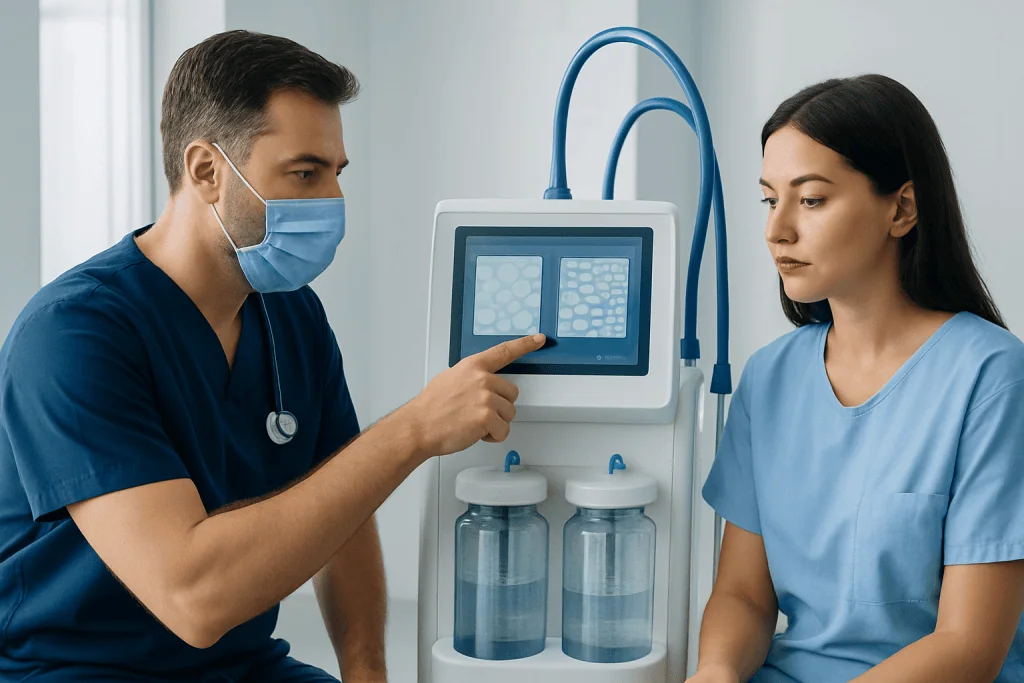
Fat tissue is made up of fat cells that store energy. During liposuction, a surgeon removes a number of these cells from a specific area. This lowers the total number of fat cells in that region, which is why the contour can look smoother or slimmer once swelling settles.
Even so, liposuction does not remove every fat cell. A thin layer of fat is normally left behind to help maintain a natural appearance and protect underlying tissues. The remaining cells can still store fat if calorie intake regularly exceeds the body’s needs.
This explains why body shape may still change after surgery. For example, if someone gains weight, the treated area may enlarge less than before because it has fewer fat cells, but it is not completely immune to change. Untreated areas may appear to gain proportionally more fat. In selected cases, more focused procedures such as arm liposuction may be used when a patient wants contouring in one specific region.
When Fat Seems to Come Back

Sometimes people feel that fat has come back after liposuction, but there can be several reasons for this impression. Early after surgery, swelling is common and can temporarily hide the final result. The body needs time to heal, and the treated area may not look settled for weeks to months, depending on the extent of the procedure and the person’s healing pattern.
Later on, true weight gain can change the outcome. Since remaining fat cells can enlarge, the body may develop fuller contours again. In some people, the new fullness is most noticeable in untreated areas such as the back, upper arms, flanks, or thighs, which can make the body’s proportions look different from before.
There are also cases where contour concerns are not caused by fat regrowth at all. Skin laxity, scar tissue, fibrosis, or uneven healing can affect how the area looks and feels. This is one reason follow-up appointments matter. A plastic surgeon can help determine whether changes are due to normal healing, lifestyle-related weight gain, or another issue related to contour and skin quality.
Who Gets the Best Long-Term Results
The best long-term liposuction results are usually seen in people who are close to a stable, healthy weight before surgery. Liposuction tends to work well for localized fat deposits that do not improve easily with diet and exercise. It is generally not intended for major weight reduction.
Good skin elasticity also supports a smoother result because the skin can adapt more easily to the new contour. Age, genetics, pregnancies, past weight fluctuations, and sun damage can all affect how skin responds. Some people may benefit from combining liposuction with another contouring or tightening procedure when loose skin is also a concern.
Overall health, non-smoking status, and realistic expectations are also important. People who understand that liposuction refines shape rather than changes metabolism are often more satisfied. A surgeon may discuss broader body aesthetics procedures if a person wants a more comprehensive change in contour.
How to Maintain Results After Liposuction
Maintaining liposuction results depends mainly on keeping body weight relatively steady. A balanced eating pattern, regular physical activity, good sleep, and stress management all support long-term body composition. Small day-to-day habits often matter more than short-term diets.
Following post-operative instructions is also important during recovery. Patients may be advised to wear compression garments, walk early, avoid strenuous activity for a period, and attend scheduled follow-up visits. These steps support healing and may help reduce swelling while the body adjusts to its new contour.
It can help to think of liposuction as a reset for a problem area, not as permanent protection against future fat gain. If a person later becomes pregnant, goes through hormonal changes, or significantly changes eating or activity patterns, body shape can still shift. When liposuction is paired with lasting lifestyle habits, results are often more durable.
- Keep weight as stable as possible.
- Return gradually to exercise as advised by the surgeon.
- Choose sustainable nutrition rather than restrictive diets.
- Attend follow-up appointments and discuss any concerns early.
Treatment Planning and Related Procedures
Liposuction is often tailored to the individual’s anatomy and goals. Surgeons evaluate fat distribution, skin quality, muscle tone, and overall proportion before recommending a plan. In some cases, liposuction alone is enough. In others, combining procedures may produce a more balanced result, especially if there is loose skin or a desire to reshape another area using transferred fat.
For example, removed fat may sometimes be purified and used in selected procedures such as fat transfer and body contouring when this is appropriate for the patient. The right approach depends on safety, body type, and the person’s expectations. Treatment planning should always be individualized rather than based on trends or social media images.
Some people asking about liposuction are also exploring surgery for other contour-related concerns, such as gynecomastia in men or skin/scar issues that affect body appearance. A thorough consultation helps clarify whether liposuction is the main treatment, part of a combined approach, or not the best option at all.
When to Speak With a Doctor
Anyone considering liposuction should speak with a qualified plastic surgeon to understand what the procedure can and cannot do. A consultation is especially useful for people who have stubborn fat pockets despite healthy habits, but it is equally important for those who expect major weight loss from surgery. A doctor can explain likely results, limits, recovery, and whether another procedure may be more suitable.
After surgery, medical advice should be sought if there is worsening swelling, increasing pain, fever, shortness of breath, unusual drainage, or asymmetry that seems to be getting worse rather than better. Many changes during healing are temporary, but new or concerning symptoms should not be ignored.
For international patients, Acibadem International’s multidisciplinary specialists and JCI-accredited hospitals diagnose and treat aesthetic concerns including liposuction planning and aftercare. A follow-up discussion can also help if a person is worried that the result has changed over time or is unsure whether body changes are due to healing, weight gain, or another cause.
Frequently asked questions
Does fat come back after liposuction in the same area?
The fat cells removed by liposuction do not usually come back. However, some fat cells remain in the treated area, and these can enlarge if a person gains weight later.
Can someone gain weight after liposuction?
Yes, weight gain is still possible after liposuction. The procedure does not change metabolism or prevent the body from storing excess energy in remaining fat cells.
Will fat go to other parts of the body after liposuction?
If weight increases after liposuction, untreated areas may appear to gain more fullness because they still contain their usual number of fat cells. This can make body proportions look different, even if the treated area remains relatively slimmer.
Is liposuction a weight-loss procedure?
No, liposuction is mainly a body-contouring procedure. It is typically used to reduce localized fat deposits and improve shape, not to treat obesity or replace healthy lifestyle habits.
How long do liposuction results last?
Results can last for many years if body weight remains stable. Final contour takes time to appear because swelling must resolve, and long-term maintenance depends largely on everyday habits.
What helps maintain liposuction results?
Stable weight, regular physical activity, balanced nutrition, and following recovery instructions all help preserve results. Routine follow-up with the surgical team is also useful if any changes or concerns develop.
References
- American Society of Plastic Surgeons
- NHS
- Mayo Clinic
- International Society of Aesthetic Plastic Surgery
This article is for general information only and is not a substitute for professional medical advice. Please consult a qualified doctor about your individual situation.
Explore treatments in Turkey — costs, top hospitals & a free quote
JCI-accredited · board-certified surgeons · reply within 24h
Add us as a Preferred Source to see more of our trusted health content across Google Search, AI Overviews and Discover.
Check your numbers in seconds
BMI, calories, due date, blood pressure and 30+ more clinical calculators — free, instant, doctor-reviewed ranges.

Related Treatments
Related Conditions
More from the Health Library



Related Specialists

Assoc. Prof. Dr. Erdem Güven (m)
Aesthetic Plastic & Reconstructive Surgery
Prof. Dr. Şükrü Yazar
Aesthetic Plastic & Reconstructive Surgery
Prof. Dr. Hakan Ağır
Aesthetic Plastic & Reconstructive Surgery
Prof. Dr. Bülent Saçak
Aesthetic Plastic & Reconstructive Surgery