

Egg Freezing Before IVF: When Fertility Preservation Fits the Treatment Plan
Egg freezing before IVF is not routine for everyone, but it can be useful in selected situations. The process usually involves ovarian stimulation, egg retrieval, and freezing mature eggs for later use.
Key Takeaways
- Egg freezing before IVF is not routine for everyone, but it can be useful in selected situations.
- The process usually involves ovarian stimulation, egg retrieval, and freezing mature eggs for later use.
- It may be considered when pregnancy needs to be delayed, ovarian reserve is declining, or treatment could affect fertility.
- Age and egg quality strongly influence how many eggs are likely to be useful in the future.
- A fertility evaluation helps determine whether freezing eggs, creating embryos, or moving directly to IVF is the best approach.
- Decisions are individualized and should be made with a qualified reproductive medicine team.
Egg freezing before IVF is a fertility preservation option that may help protect future pregnancy chances when treatment timing, age, ovarian reserve, or medical needs affect the plan. Whether it fits depends on a person’s goals, ovarian response, and guidance from a fertility specialist.
Overview: what egg freezing before IVF means
Egg freezing before IVF means collecting and freezing a person’s unfertilized eggs so they can potentially be used later in fertility treatment. The medical term is oocyte cryopreservation. In some situations, this step is included before or alongside a broader fertility plan rather than moving directly into immediate embryo transfer.
This approach is most often considered when there is a reason to preserve fertility now and postpone pregnancy or postpone part of the IVF process until a later time. For example, a person may need medical treatment that could affect the ovaries, may not be ready to try pregnancy yet, or may want to protect future options if ovarian reserve appears to be declining.
Egg freezing before IVF is not necessary for every patient. Some people are better served by going straight to IVF treatment, while others may discuss freezing embryos instead of eggs if sperm is available and the treatment plan is clear. The best choice depends on age, hormone testing, ultrasound findings, family-building goals, and timing.
Because fertility treatment is highly personal, specialists usually explain the likely benefits, limitations, and alternatives before making a plan. Understanding when egg freezing fits can help patients feel more prepared and confident in their next steps.
When fertility preservation may fit the treatment plan

Egg freezing before IVF may fit when preserving reproductive potential is an important goal. One common reason is delaying pregnancy while trying to reduce the impact of age-related egg decline. Since egg quality and quantity tend to decrease over time, freezing eggs earlier may provide more options later, although it does not guarantee pregnancy.
It can also be appropriate before medical treatments that may harm ovarian function, such as certain cancer therapies or other intensive treatments. In these settings, fertility preservation is often planned quickly but carefully, with attention to both reproductive goals and the person’s overall health.
Some patients consider egg freezing before IVF because they are not ready to create embryos yet. Others may be in a relationship but prefer not to make embryo decisions at that stage. For these patients, freezing eggs can offer flexibility while keeping the possibility of future ICSI or IVF open.
In other cases, egg freezing may be discussed if tests suggest reduced ovarian reserve or conditions linked to earlier ovarian decline, including premature ovarian insufficiency. It may also come up in patients being evaluated for female infertility when the treatment timeline is uncertain and preserving available eggs could be helpful.
How the process works
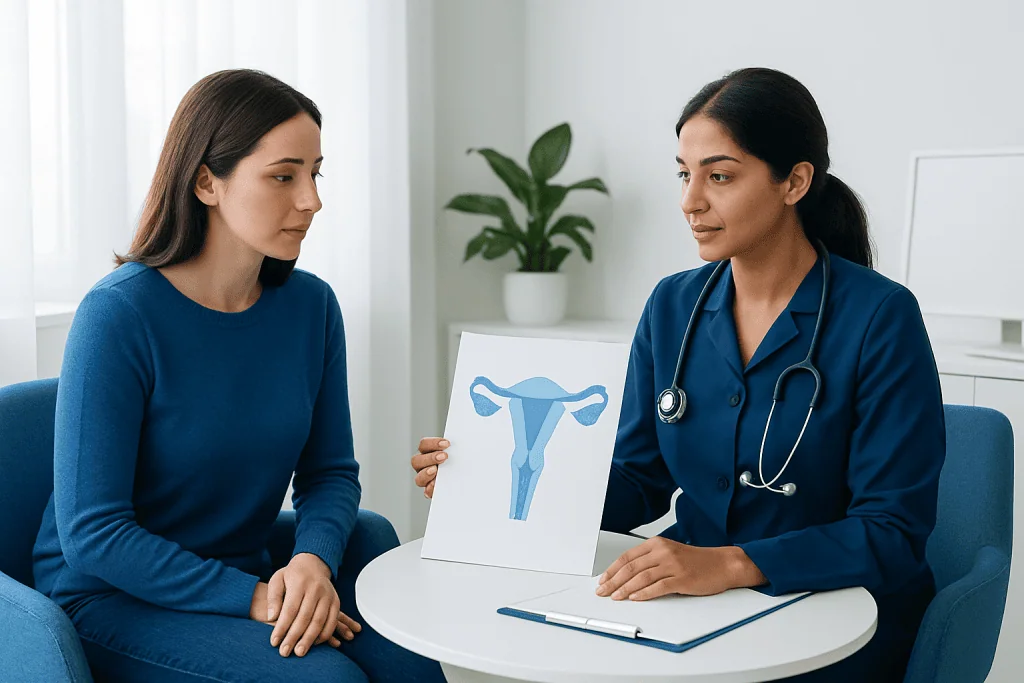
The egg-freezing process usually begins with a fertility assessment. This may include a medical history, blood tests that look at reproductive hormones, and ultrasound imaging to assess the ovaries. These results help estimate how the ovaries may respond to stimulation and how many eggs might be retrieved in one cycle.
Next comes ovarian stimulation. Hormone medications are used for several days to encourage multiple follicles to develop, instead of the single egg that normally matures in a natural cycle. During this period, the fertility team monitors progress with ultrasound scans and blood tests so medication timing can be adjusted if needed.
When the eggs are mature, a minor procedure called egg retrieval is performed. A needle guided by ultrasound is used to collect eggs from the ovaries, usually under sedation or anesthesia. The mature eggs are then frozen in the laboratory, commonly using a rapid-freezing method called vitrification.
At a later stage, the eggs can be thawed, fertilized, and used in a future IVF cycle. Depending on sperm factors and lab practices, fertilization may involve standard IVF or artificial fertilisation techniques such as ICSI. If embryos develop well, one may later be transferred to the uterus.
Who may benefit most and what affects success
The people most likely to benefit from egg freezing before IVF are those who have a realistic chance of retrieving viable eggs now and a clear reason to preserve fertility for later. Age is one of the most important factors. In general, younger eggs have a better chance of surviving thawing, fertilizing normally, and leading to a healthy pregnancy than eggs frozen at older ages.
Ovarian reserve also matters. Tests such as anti-Müllerian hormone levels and antral follicle count can help estimate egg supply, though they cannot predict pregnancy with certainty. A person with lower reserve may still benefit from freezing eggs, but expectations may need to be more cautious, and more than one stimulation cycle may sometimes be discussed.
Underlying gynecologic or hormonal conditions can influence planning as well. For example, ovulation problems, prior ovarian surgery, or disorders such as polycystic ovary syndrome may affect how the ovaries respond to treatment. Other conditions linked to fertility challenges, including ovarian cysts, may also need assessment before proceeding.
It is also important to understand that frozen eggs are a possibility-preserving tool, not an assurance of future pregnancy. Not every egg survives thawing, not every egg fertilizes, and not every embryo implants. A specialist can explain likely outcomes based on age, test results, and the number of eggs expected or already stored.
Benefits, limitations, and possible risks
The main benefit of egg freezing before IVF is flexibility. It can create time for personal, medical, or family decisions while preserving reproductive material at a younger age or before a treatment that may affect fertility. For some patients, this can reduce pressure and make long-term planning feel more manageable.
Another advantage is that eggs are frozen unfertilized. This may align better with personal, ethical, legal, or relationship preferences than embryo freezing. It can also be useful when a person does not yet want to choose a sperm source or commit to a specific fertility pathway.
There are also limitations. A frozen egg is not the same as a future baby, and the number of eggs needed to create a reasonable chance of pregnancy varies from person to person. Some patients may need more than one retrieval cycle, and some may be better candidates for immediate IVF or embryo freezing rather than egg freezing.
Possible risks are generally related to the stimulation and retrieval process. These can include discomfort, bloating, bleeding, infection, anesthesia-related risks, and ovarian hyperstimulation syndrome, although modern protocols aim to reduce that risk. A fertility specialist reviews these issues carefully so the plan remains safe and individualized.
How doctors decide between egg freezing, embryo freezing, and direct IVF
Choosing among egg freezing, embryo freezing, and moving straight to IVF depends on the patient’s goals and clinical situation. If pregnancy is desired soon and there is no reason to delay treatment, direct IVF may be the most efficient path. If sperm is available and both partners agree, embryo freezing can sometimes offer more information about development before transfer.
Egg freezing may be preferred when future options need to be preserved without creating embryos right away. This can be helpful for patients who are single, who wish to delay pregnancy, or who need to start another medical treatment first. It is also sometimes chosen when the immediate priority is safeguarding fertility rather than attempting conception now.
Doctors also consider the cause of infertility. If there are tubal factors, male-factor infertility, ovulatory disorders, or mixed causes, the treatment sequence may change. In some people, direct care for infertility is more appropriate than delaying treatment for preservation alone.
Planning may also include checking for uterine or pelvic conditions that could affect later embryo transfer or pregnancy, such as uterine septum or pelvic inflammatory disease. Addressing these issues early can help make later IVF steps smoother and more effective.
Preparing for treatment and supporting fertility health
Before starting egg freezing before IVF, patients are usually advised to review their medical history, medications, menstrual pattern, and reproductive goals with a fertility specialist. Questions about timing, number of cycles, storage, future use of eggs, and alternatives are important. A clear discussion helps set realistic expectations from the beginning.
General health habits may support treatment readiness, although they cannot reverse age-related changes in egg quality. Doctors often encourage balanced nutrition, regular movement, adequate sleep, avoiding tobacco, limiting alcohol, and managing chronic conditions. Maintaining a healthy body weight may also improve overall reproductive health in some patients.
Stress is common during fertility planning, especially when decisions are time-sensitive. Emotional support from counseling, support groups, or trusted family members can be helpful. Fertility clinics may also provide nurses, coordinators, or psychologists who can explain each step and help patients feel less overwhelmed.
Near the end of the decision process, some patients choose care in centers with reproductive endocrinology, embryology, imaging, and women’s health expertise in one place. Acibadem International’s multidisciplinary specialists and JCI-accredited hospitals diagnose and treat fertility conditions for international patients, including preservation planning when appropriate.
When to see a fertility specialist
A fertility specialist should be consulted when there is concern that time, age, or a medical condition may reduce future fertility. This includes people planning treatments that can affect the ovaries, those with irregular periods or signs of low ovarian reserve, and those who want to understand whether freezing eggs now could be useful later.
Medical advice is also important for anyone with symptoms or diagnoses that may affect reproductive function, such as absent periods, severe endometriosis symptoms, prior pelvic infections, or previous ovarian surgery. Early assessment may provide more options than waiting until fertility has declined further.
People already considering IVF should ask whether fertility preservation adds value in their specific case. Sometimes it does, and sometimes it delays treatment without a clear advantage. The decision is best made after individualized testing and a careful discussion of goals, timing, and expected outcomes.
Urgent evaluation is especially important when fertility-threatening medical treatment is planned. In these situations, reproductive specialists and the primary treatment team can often coordinate quickly so that fertility preservation, if appropriate, can be considered without unnecessary delay.
Frequently asked questions
Is egg freezing before IVF the same as IVF?
No. Egg freezing stores unfertilized eggs for possible future use, while IVF is the broader treatment process in which eggs are fertilized and embryos may be transferred to the uterus. Egg freezing can be one step before IVF, but it is not required in every IVF plan.
Who should consider egg freezing before IVF?
It may be considered by people who want to preserve fertility because pregnancy will be delayed, ovarian reserve may decline, or medical treatment could affect the ovaries. It can also be useful for those who are not ready to create embryos yet. A fertility evaluation helps determine whether it is a sensible option.
Does freezing eggs guarantee a future pregnancy?
No, egg freezing does not guarantee pregnancy. Some eggs may not survive thawing, some may not fertilize, and some embryos may not implant. Success depends on factors such as age at freezing, egg number, egg quality, and overall reproductive health.
Is embryo freezing better than egg freezing?
Not always. Embryo freezing may be preferred when sperm is available and there is a clear plan to proceed, but egg freezing offers more flexibility because eggs are stored unfertilized. The better choice depends on medical, personal, and sometimes legal or ethical considerations.
How long can frozen eggs be stored?
Frozen eggs can usually be stored for years under regulated laboratory conditions. Storage rules and administrative policies vary by country and clinic. A fertility center can explain the local regulations and practical details before treatment begins.
Can someone with low ovarian reserve still freeze eggs?
Sometimes, yes. Even when ovarian reserve is lower, egg freezing may still be discussed, especially if preserving any remaining fertility potential is important. However, the expected number of eggs may be lower, and the specialist may recommend realistic counseling or more than one cycle.
This article is for general information only and is not a substitute for professional medical advice. Please consult a qualified doctor about your individual situation.
IVF & fertility treatment in Turkey — success rates and costs
JCI-accredited · board-certified surgeons · reply within 24h
Add us as a Preferred Source to see more of our trusted health content across Google Search, AI Overviews and Discover.

Related Treatments
Related Conditions
More from the Health Library

Sperm Retrieval for IVF: TESA, TESE, and When They Are Used

IVF Failure: When to Seek a Second Opinion and What Tests May Help

IVF With Thyroid Disease: TSH Targets, Medication, and Pregnancy Planning

When Is a Second Opinion Helpful Before IVF?

IVF Step by Step: From Stimulation to Embryo Transfer

Female Fertility Testing: What AMH, FSH, and Ultrasound Mean
Gynecology & Obstetrics Specialists at Acibadem

Dr. Begüm Uzsezer Güler
Gynecology & Obstetrics
Prof. Dr. Belgin Selam
Gynecology & Obstetrics
Dr. Bilgiye Ergin
Gynecology & Obstetrics
Dr. Birgül Karakoç
Gynecology & Obstetrics