

Egg Freezing Before IVF: Who May Benefit and What to Expect

Egg freezing before IVF stores unfertilized eggs for future use and can support later fertility treatment. The best results are often linked to younger egg age at the time of freezing, but suitability depends on individual health and ovarian reserve.
Key Takeaways
- Egg freezing before IVF stores unfertilized eggs for future use and can support later fertility treatment.
- The best results are often linked to younger egg age at the time of freezing, but suitability depends on individual health and ovarian reserve.
- The process usually includes fertility testing, ovarian stimulation, egg retrieval, and laboratory freezing.
- Frozen eggs do not guarantee pregnancy, but they can increase future options for family planning.
- A fertility specialist can explain whether egg freezing, immediate IVF, or another approach is most appropriate.
Egg freezing before IVF is a fertility preservation option that allows eggs to be collected, frozen, and used later when pregnancy is planned. It may be helpful for people who want to delay pregnancy, protect fertility before medical treatment, or create a more flexible IVF timeline.
Overview: What Egg Freezing Before IVF Means
Egg freezing before IVF, also called oocyte cryopreservation, is a method of preserving unfertilized eggs for future use. The eggs are collected from the ovaries, frozen in a specialized laboratory, and stored until the person is ready to try for pregnancy. At that point, the eggs can be thawed, fertilized, and transferred as part of IVF treatment.
This approach can be useful for people who are not ready to start a family now but want to preserve the possibility of using younger eggs later. It can also help those who need medical treatment that may affect fertility, or those whose personal, professional, or relationship circumstances mean pregnancy must be delayed.
Egg freezing is different from embryo freezing. With embryo freezing, eggs are fertilized before storage. With egg freezing, the eggs remain unfertilized, which may offer more flexibility for future reproductive decisions. A fertility specialist can help explain the advantages and limitations of each option.
Who May Benefit From Egg Freezing Before IVF

Egg freezing before IVF may benefit several groups of patients. One common reason is age-related fertility decline. Female fertility gradually decreases over time, especially after the mid-30s, because both the number and quality of eggs tend to decline. Freezing eggs at a younger age may preserve eggs with better reproductive potential for later use.
It may also be considered before treatments that can harm ovarian function, such as chemotherapy, radiation, or some types of ovarian surgery. In these situations, fertility preservation can be an important part of medical planning. People with a family history of early menopause or with conditions such as premature ovarian insufficiency may also want to discuss early fertility preservation with a doctor.
Some patients pursue egg freezing because they may need to postpone pregnancy while managing fertility-related conditions. Examples can include polycystic ovary syndrome in selected cases, low ovarian reserve, or treatment planning for female infertility. Others simply want more time before deciding whether to pursue pregnancy on their own or with a partner.
- People planning pregnancy later in life
- Patients facing cancer treatment or other gonadotoxic therapy
- Those with reduced ovarian reserve or risk of early ovarian failure
- People undergoing surgery that may affect the ovaries
- Individuals who want reproductive flexibility before starting IVF later
What Doctors Consider Before Recommending It
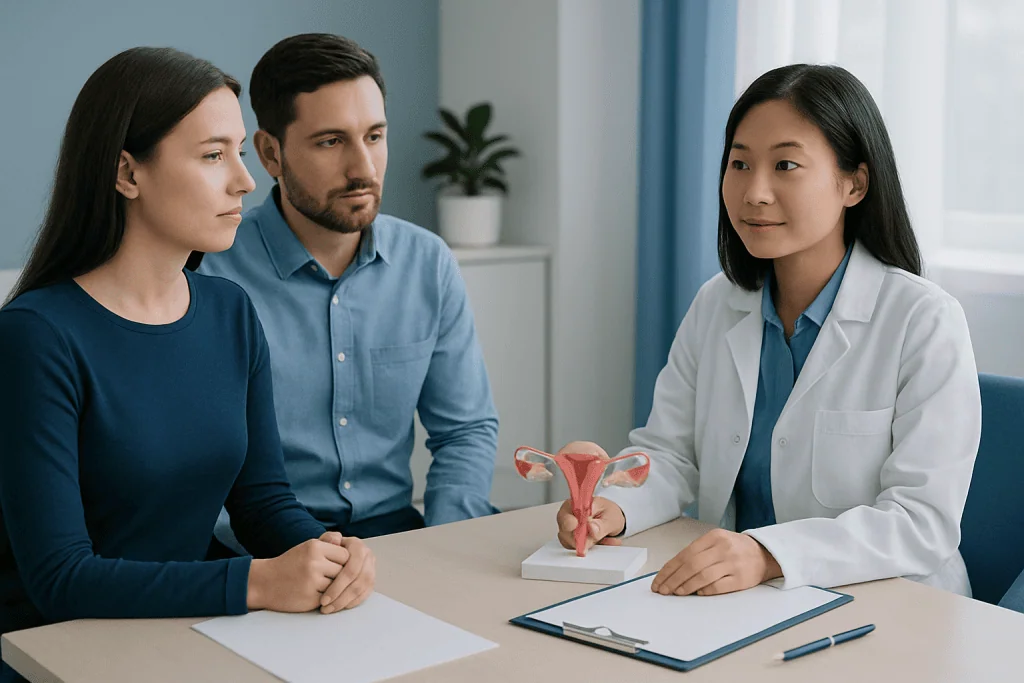
Not everyone will benefit in the same way from egg freezing before IVF. Doctors usually consider age first, because egg quality tends to be strongly linked to age at freezing. They also assess ovarian reserve, which refers to the estimated number of eggs remaining in the ovaries. Common tests include blood work such as anti-Müllerian hormone and an ultrasound count of visible follicles.
Medical history is also important. Menstrual patterns, prior pregnancies, previous pelvic surgery, endometriosis, and conditions affecting the ovaries can influence planning. In some cases, issues such as ovarian cysts or amenorrhea may need evaluation before treatment begins. Lifestyle factors, smoking, and overall health may also affect outcomes.
A fertility specialist will also discuss expectations clearly. Egg freezing can improve future options, but it does not guarantee a baby. The number of eggs needed varies from person to person, and some patients may need more than one stimulation cycle to store a reasonable number of eggs. Shared decision-making is important when comparing egg freezing with immediate IVF, embryo freezing, or trying to conceive now.
What to Expect During the Egg Freezing Process
The process usually begins with consultation and fertility testing. The care team reviews reproductive goals, hormone levels, ultrasound findings, and timing. Once a treatment plan is made, the ovaries are stimulated with hormone medications for about 10 to 14 days to encourage several eggs to mature in one cycle instead of the single egg usually released naturally.
During stimulation, the patient attends regular monitoring visits. These visits often include ultrasound scans and blood tests to track follicle growth and hormone response. When the eggs are ready, a trigger medication is given to complete maturation. The eggs are then collected in a minor procedure called egg retrieval, usually performed under sedation using ultrasound guidance.
After retrieval, embryologists assess the eggs in the laboratory. Mature eggs are frozen using a rapid-freezing method called vitrification, which helps reduce ice crystal formation and improves survival after thawing. The eggs are then stored until needed. When the patient is ready for pregnancy, the eggs can be thawed, fertilized, often with ICSI, and developed into embryos before transfer.
Most people can return home the same day after retrieval. Mild bloating, cramping, or fatigue may occur for a short time. The fertility team gives instructions on activity, symptom monitoring, and follow-up care.
Benefits, Limits, and Chances of Success
The main benefit of egg freezing before IVF is preserving reproductive potential at an earlier point in time. For some people, this reduces pressure around immediate family-building decisions and can support more flexible life planning. It may also provide reassurance before medical treatment that could affect future fertility.
However, egg freezing has limitations. Not every egg survives thawing, not every surviving egg fertilizes, and not every embryo leads to pregnancy. Success depends on several factors, especially age at freezing, the number of eggs stored, sperm quality at the time of fertilization, and uterine health during embryo transfer.
Another important point is that egg freezing helps preserve eggs, not overall reproductive health. Conditions affecting implantation or pregnancy later on may still need treatment. For example, problems involving the uterus or fallopian tubes, such as pelvic inflammatory disease, may still influence the path to pregnancy.
Even with these limits, many patients consider egg freezing a valuable fertility preservation tool. A detailed consultation can help set realistic expectations and estimate whether one or more retrieval cycles may be appropriate.
Possible Risks and Recovery
Egg freezing is generally considered safe when performed by experienced fertility teams, but it does involve some medical risks. Hormone stimulation may cause temporary side effects such as bloating, mood changes, breast tenderness, and abdominal discomfort. A less common complication is ovarian hyperstimulation syndrome, in which the ovaries respond too strongly to medication and symptoms become more intense.
Egg retrieval is a minimally invasive procedure, but as with any procedure, there is a small risk of bleeding, infection, or injury to nearby structures. Sedation also carries its own routine risks, which are usually reviewed in advance. Careful monitoring during stimulation helps reduce complications and allows medication adjustments when needed.
Recovery is often short. Many patients feel well enough to resume light activities within a day, though strenuous exercise and sexual intercourse may be limited for a brief period. Patients should contact their clinic promptly if they develop severe pain, heavy bleeding, shortness of breath, fever, or rapid abdominal swelling.
Planning Ahead: Self-Care, Timing, and Future IVF
Good preparation can help make the process smoother. Before starting, patients are often advised to discuss their full medical history, medications, and future family goals. Stopping smoking, limiting alcohol, maintaining a healthy weight, and managing chronic conditions may support reproductive health, although these steps cannot fully overcome age-related egg changes.
Timing matters. In general, earlier egg freezing may offer better outcomes because younger eggs are more likely to be chromosomally normal. Still, age alone does not decide everything. Some younger people have reduced ovarian reserve, while some older patients still have a reasonable response. Testing gives a more individualized picture.
Later, when pregnancy is desired, the frozen eggs are thawed and used within a broader fertility plan. This may include assisted fertilization techniques and uterine preparation for embryo transfer. The doctor may also review whether additional tests are needed before treatment, especially if time has passed since freezing or if new gynecologic conditions have appeared.
For international patients seeking coordinated fertility care, Acibadem International’s multidisciplinary specialists and JCI-accredited hospitals diagnose and treat fertility conditions and guide patients through egg freezing and IVF planning.
When to See a Fertility Specialist
A fertility consultation may be helpful for anyone thinking about delaying pregnancy, especially if they are in their 30s or have a known risk to ovarian function. It is also a good idea to seek advice before cancer treatment, before surgery involving the ovaries, or after being told there may be reduced ovarian reserve.
People with irregular periods, infertility, prior pelvic infections, repeated miscarriage, or symptoms suggesting hormone imbalance should also consider evaluation. In some cases, menstrual changes or a family history of early menopause may be early signs that fertility preservation deserves timely discussion.
Specialist advice is especially valuable because the best option is not the same for everyone. Some patients may do better with egg freezing, while others may be candidates for immediate IVF, embryo freezing, or another fertility pathway. Personalized counseling helps balance age, ovarian reserve, reproductive goals, costs, timing, and medical safety.
Frequently asked questions
Is egg freezing before IVF the same as IVF?
No. Egg freezing is a fertility preservation step in which unfertilized eggs are collected and stored for future use. IVF happens later, when those eggs are thawed, fertilized in the laboratory, and an embryo is transferred to the uterus.
At what age is egg freezing most helpful?
In general, egg freezing tends to be more effective when done at a younger reproductive age because egg quality usually declines over time. However, the right timing depends on personal goals, ovarian reserve, and medical circumstances, so an individualized assessment is important.
How many eggs should be frozen before IVF?
There is no single number that is right for everyone. The recommended target depends on age, ovarian reserve, and future pregnancy goals, and some people may need more than one cycle to collect enough eggs.
Can frozen eggs guarantee pregnancy later?
No, frozen eggs cannot guarantee pregnancy or a live birth. Some eggs may not survive thawing or develop into healthy embryos, and later pregnancy also depends on factors such as uterine health and overall reproductive condition.
How long can frozen eggs be stored?
Frozen eggs can usually be stored for years under carefully controlled laboratory conditions. Storage rules and legal limits may vary by country or clinic, so patients should ask about local policies and long-term planning.
Is the egg retrieval procedure painful?
Egg retrieval is usually done under sedation, so most patients do not feel pain during the procedure itself. Mild cramping, bloating, or pelvic discomfort afterward is common, but symptoms are often temporary and manageable with the clinic’s guidance.
Who should talk to a doctor about egg freezing sooner rather than later?
People considering delayed pregnancy, those with irregular periods, or anyone about to start chemotherapy or other fertility-affecting treatment should seek early advice. A prompt consultation is also helpful for those with a family history of early menopause or known ovarian problems.
This article is for general information only and is not a substitute for professional medical advice. Please consult a qualified doctor about your individual situation.
IVF & fertility treatment in Turkey — success rates and costs
JCI-accredited · board-certified surgeons · reply within 24h
Add us as a Preferred Source to see more of our trusted health content across Google Search, AI Overviews and Discover.

Related Treatments
Related Conditions
More from the Health Library
What Does Fertile Mean? Signs of Ovulation and Your Most Fertile Days

Frozen Embryo Transfer: Timing, Preparation, and Success Factors

Ovarian Reserve Testing: AMH, AFC, and What Results Mean

IVF With Adenomyosis: Symptoms, Imaging, and Treatment Strategy

Ovarian Stimulation in IVF: Medications, Monitoring, and Safety

Embryo Transfer Day in IVF: Preparation and What Happens Next
Gynecology & Obstetrics Specialists at Acibadem

Assoc. Prof. Dr. Engin Çelik
Gynecology & Obstetrics
Prof. Dr. Engin Oral (m)
Gynecology & Obstetrics
Dr. A. Ezgi Sancaklı
Gynecology & Obstetrics
Prof. Dr. A. Taner Usta
Gynecology & Obstetrics