Frozen Embryo Transfer: Timing, Preparation, and Success Factors

Frozen embryo transfer can be done in a natural, modified natural, or medicated cycle, depending on ovulation patterns, medical history, and clinic protocol. The most important timing decision is synchronizing the embryo stage with the endometrium, especially the number of days of progesterone exposure before transfer.
Key Takeaways
- Frozen embryo transfer can be done in a natural, modified natural, or medicated cycle, depending on ovulation patterns, medical history, and clinic protocol.
- The most important timing decision is synchronizing the embryo stage with the endometrium, especially the number of days of progesterone exposure before transfer.
- Preparation may include uterine assessment, infection screening, medication planning, lifestyle optimization, and review of previous IVF results.
- Success depends on several factors, including age at egg retrieval, embryo development and genetics, uterine health, lab quality, and overall health.
- The procedure is usually brief and does not require anesthesia, but follow-up testing and early pregnancy monitoring are essential.
Frozen embryo transfer, often called FET, is a planned IVF step in which a previously frozen embryo is thawed and placed into the uterus. Careful timing, uterine preparation, embryo quality, and individualized medical planning all play important roles in the chance of pregnancy.
Overview: What Is a Frozen Embryo Transfer?
Frozen embryo transfer is a fertility treatment step in which an embryo created during an earlier IVF cycle is thawed and transferred into the uterus. The embryo may have been frozen after a fresh IVF cycle, after genetic testing, or after a freeze-all approach used to allow the body time to recover before pregnancy is attempted. Modern embryo freezing, known as vitrification, allows embryos to be stored safely for future use under specialist laboratory conditions.
FET is commonly chosen because it gives the fertility team more flexibility in timing. It can allow the uterine lining, hormone levels, and the patient’s general health to be optimized before transfer. For some people, it is used after ovarian stimulation when hormone levels are high; for others, it is part of family planning after embryos were frozen months or years earlier.
The goal of FET is simple but delicate: to place a viable embryo into a uterus that is ready to receive it. This means the embryo’s developmental stage and the endometrium, the lining of the uterus, need to be carefully synchronized. Although the transfer itself is usually quick, the preparation period is highly personalized and may take several weeks.
FET Timing: Natural, Modified Natural, and Medicated Cycles
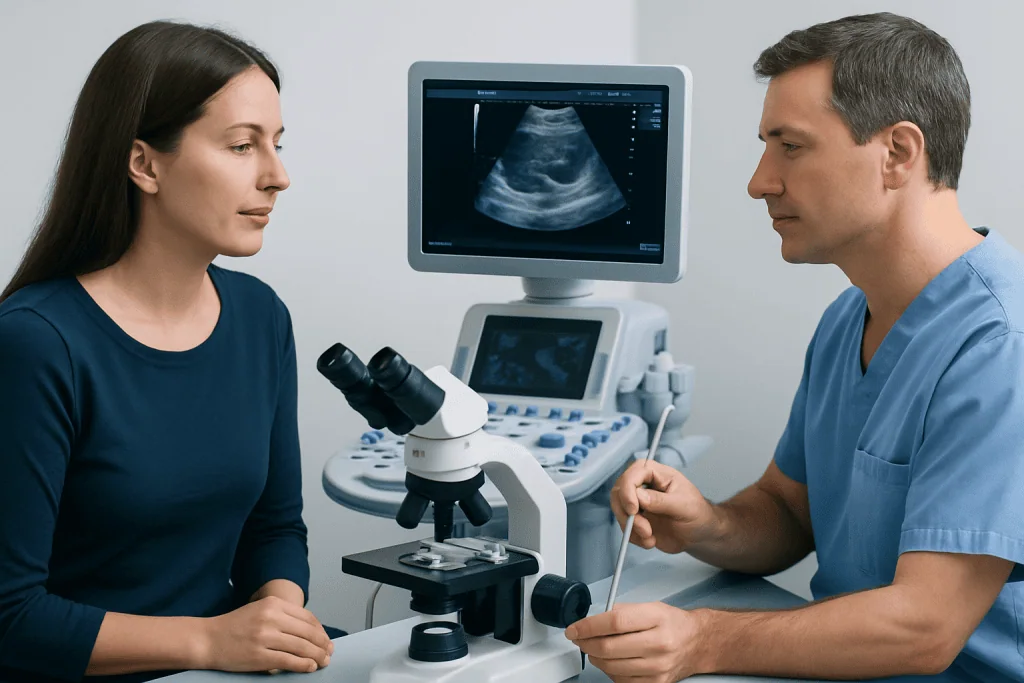
There are several ways to time a frozen embryo transfer. In a natural cycle, the fertility team follows the patient’s own ovulation and schedules the transfer based on the body’s natural hormone changes. This may be suitable for patients who ovulate regularly and have predictable cycles. Monitoring usually includes ultrasound scans and sometimes blood tests to detect the best timing.
A modified natural cycle is similar, but medication is used to help trigger ovulation at a predictable time. This approach may make scheduling easier while still using the body’s own hormonal pattern. Some patients also receive progesterone support after ovulation to help stabilize the uterine lining.
In a medicated FET cycle, the ovaries are usually quieted or bypassed, and estrogen and progesterone are prescribed to prepare the endometrium. This option is often used for people with irregular ovulation, absent periods, donor egg cycles, or when precise planning is important. The key timing point is the start of progesterone: a blastocyst-stage embryo is typically transferred after several days of progesterone exposure, while a cleavage-stage embryo is timed differently.
The right protocol is not the same for everyone. A doctor will consider menstrual regularity, previous IVF outcomes, endometrial response, risk of ovulation occurring unexpectedly, medical conditions, and patient convenience. Patients should follow the clinic’s medication and monitoring schedule closely, because even small timing changes can matter in an FET cycle.
Preparation Before Frozen Embryo Transfer

Preparation begins with reviewing the full fertility history, including the number and quality of embryos frozen, the embryo stage at freezing, whether genetic testing was performed, and any previous transfer outcomes. The doctor may also review ovarian stimulation records, semen analysis, uterine imaging, and relevant medical conditions. This helps determine whether any additional evaluation is needed before starting a transfer cycle.
Many patients have an assessment of the uterus before FET, especially if they have not had recent imaging or if previous transfers were unsuccessful. Tests may include transvaginal ultrasound, saline infusion sonography, hysteroscopy, or other imaging depending on the case. The purpose is to check for issues such as polyps, fibroids that affect the uterine cavity, adhesions, or fluid in the fallopian tubes, all of which may reduce implantation chances if untreated.
General preparation also matters. Patients are usually advised to take prenatal vitamins containing folic acid if appropriate, avoid smoking and recreational drugs, limit alcohol, and discuss caffeine intake with their doctor. Chronic conditions such as thyroid disease, diabetes, high blood pressure, or autoimmune conditions should be well managed before pregnancy. Any medication, supplement, or herbal product should be reviewed with the fertility team for safety.
Emotional preparation is also important. FET can feel less physically intense than egg retrieval, but it may carry significant hope and stress. Clear instructions, a written medication plan, and knowing who to contact for questions can reduce uncertainty. Patients may benefit from support from a partner, counselor, fertility nurse, or patient support group during the waiting period.
What Happens on Transfer Day?
On the day of transfer, the embryology laboratory thaws the embryo and assesses whether it has survived the thawing process and resumed expected appearance. Most embryos tolerate thawing well when modern vitrification and experienced laboratory protocols are used, but the laboratory team will inform the doctor if there are any concerns. The transfer time is coordinated between the clinician and the embryology team.
The procedure usually feels similar to a cervical screening test or intrauterine insemination. A speculum is placed in the vagina, the cervix is gently cleaned, and a thin catheter is guided through the cervix into the uterus. Ultrasound guidance is often used to help place the embryo-containing fluid in the appropriate area of the uterine cavity. Anesthesia is usually not needed, although patients with a difficult cervix or significant anxiety should discuss this in advance.
Some clinics ask the patient to arrive with a comfortably full bladder, because it can improve ultrasound visibility and straighten the angle between the cervix and uterus. After the embryo is placed, the catheter may be checked by the embryologist to confirm the embryo is no longer inside it. The patient may rest briefly before going home, but strict bed rest is generally not recommended unless the doctor gives a specific reason.
After transfer, patients continue prescribed medications, especially progesterone, exactly as instructed. The pregnancy blood test is usually scheduled about 9 to 14 days later, depending on embryo stage and clinic protocol. Home pregnancy tests can be misleading if done too early, so clinics usually prefer a blood test that measures hCG more accurately.
Success Factors in Frozen Embryo Transfer
FET success is influenced by both embryo-related and uterus-related factors. One of the strongest embryo-related factors is the age of the person at the time the eggs were retrieved, because egg age affects the likelihood of chromosomally normal embryos. Embryo development to the blastocyst stage, grading, and whether preimplantation genetic testing was performed may also guide expectations, although no test can guarantee pregnancy.
The uterine environment is another major factor. A healthy uterine cavity, appropriate endometrial thickness and pattern, and accurate progesterone timing all support implantation. Conditions such as untreated endometrial polyps, significant cavity-distorting fibroids, adhesions, chronic endometritis, or hydrosalpinx may need evaluation or treatment before transfer. The doctor will decide which tests are relevant based on history and previous results.
Laboratory and clinical expertise also matter. Embryo freezing, storage, thawing, and transfer technique require careful quality control. The choice of single versus double embryo transfer is important as well. Many clinics recommend single embryo transfer in suitable patients to reduce the risk of twins or higher-order multiple pregnancy, which can increase pregnancy and newborn complications.
General health can affect outcomes and pregnancy safety. Factors such as smoking, obesity or being significantly underweight, poorly controlled chronic illness, and some untreated hormonal disorders may reduce the chance of success or increase pregnancy risk. Patients should not blame themselves for an unsuccessful cycle, because implantation is biologically complex and not fully controllable. A thoughtful review after each attempt can help guide the next step.
Risks, Side Effects, and the Two-Week Wait
Frozen embryo transfer is generally a low-risk procedure, but some mild discomfort can occur. Patients may notice pelvic cramping, light spotting, breast tenderness, bloating, mood changes, or fatigue. These symptoms may come from progesterone or estrogen medications and do not reliably confirm whether implantation has occurred. Severe pain, heavy bleeding, fever, or concerning symptoms should be reported promptly.
Medication side effects depend on the protocol. Estrogen may cause breast tenderness, nausea, headache, or bloating in some people. Progesterone can cause sleepiness, mood changes, constipation, or local irritation depending on the route used. Patients should not stop or change medication unless their fertility team advises it, because hormone support may be important in early pregnancy, especially in medicated cycles.
The two-week wait can be emotionally challenging. It is usually safe to continue gentle daily activities, work, and light exercise if the doctor has not advised restrictions. Most clinics recommend avoiding smoking, alcohol, overheating such as saunas or hot tubs, and intense new exercise routines. Intercourse, travel, and work plans should be discussed with the clinic, as advice may vary based on the patient’s situation.
If the pregnancy test is positive, further blood tests and an early ultrasound are typically arranged to confirm appropriate progress and pregnancy location. If the result is negative, the doctor will advise when to stop medications and schedule a follow-up discussion. Reviewing embryo quality, transfer details, endometrial preparation, and any new symptoms can help decide whether to repeat the same protocol or adjust the plan.
When to See a Fertility Specialist
Patients planning FET should see a fertility specialist before the cycle begins to confirm the embryo details, review the uterus, and choose the most appropriate protocol. A consultation is especially important if periods are irregular, there have been previous failed transfers, there is a history of miscarriage, or there are known conditions such as fibroids, endometriosis, thyroid disease, diabetes, or autoimmune disease. Specialist input helps personalize treatment rather than applying a one-size-fits-all schedule.
Medical advice should also be sought during the cycle if there is unexpected bleeding, missed or incorrect medication use, fever, severe pelvic pain, allergic symptoms, or uncertainty about instructions. Patients should contact their clinic rather than trying to correct timing or doses on their own. In FET, clear communication with the care team is part of safe treatment.
For international patients, planning may include travel dates, medication access, monitoring before arrival, and the timing of the pregnancy test after returning home. Acibadem International’s multidisciplinary fertility specialists and JCI-accredited hospitals diagnose and treat fertility conditions, including IVF and frozen embryo transfer, for international patients. As with any fertility treatment, decisions should be made after a qualified medical consultation and individualized review.
Frequently asked questions
How long does a frozen embryo transfer cycle take?
Many FET cycles take about three to six weeks from the start of preparation to the pregnancy test, but timing varies by protocol. Natural cycles depend on ovulation, while medicated cycles follow a planned estrogen and progesterone schedule. The fertility clinic will provide a personalized calendar.
Is frozen embryo transfer painful?
Most patients describe the transfer as mildly uncomfortable rather than painful. It is usually similar to a Pap smear or pelvic examination and typically does not require anesthesia. Patients who have a history of difficult procedures should discuss this with their doctor in advance.
What is the best endometrial thickness for FET?
There is no single perfect number that applies to everyone, but clinics generally look for a lining that is appropriately developed for the cycle day and hormone exposure. Thickness, pattern, blood flow, medical history, and previous outcomes may all be considered. If the lining is not responding as expected, the doctor may adjust medication or delay the transfer.
Can a frozen embryo transfer be done after genetic testing?
Yes. Many embryos are biopsied for preimplantation genetic testing and then frozen while results are processed. If an embryo is selected for transfer, it is thawed and transferred in a later FET cycle. Genetic testing can provide useful information, but it does not guarantee implantation or a healthy pregnancy.
Should patients rest in bed after embryo transfer?
Routine strict bed rest is generally not recommended after embryo transfer. Most patients can return to calm daily activities unless their doctor gives different instructions. It is reasonable to avoid strenuous new exercise, overheating, smoking, and alcohol while waiting for the pregnancy test.
Why might a frozen embryo transfer fail?
A transfer may fail because of embryo chromosomal factors, implantation biology, uterine conditions, hormone timing, or reasons that cannot be identified with current testing. A negative result does not mean the patient did something wrong. A follow-up consultation can review the cycle and decide whether further testing or a different protocol is appropriate.
Is FET safer than fresh embryo transfer?
FET can be beneficial in selected situations, such as when hormone levels after stimulation are high, when genetic testing is planned, or when the uterus needs time to prepare. It may also reduce the risk of ovarian hyperstimulation syndrome compared with proceeding immediately after egg retrieval. However, the best choice depends on the patient’s diagnosis, embryo availability, and medical plan.
This article is for general information only and is not a substitute for professional medical advice. Please consult a qualified doctor about your individual situation.
IVF & fertility treatment in Turkey — success rates and costs
JCI-accredited · board-certified surgeons · reply within 24h
Add us as a Preferred Source to see more of our trusted health content across Google Search, AI Overviews and Discover.
Check your numbers in seconds
BMI, calories, due date, blood pressure and 30+ more clinical calculators — free, instant, doctor-reviewed ranges.

Related Treatments
Related Conditions
More from the Health Library

IVF With Adenomyosis: How It Can Affect Fertility Treatment
Fibroids and Fertility: When Uterine Growths Affect Pregnancy

IVF Trigger Shot: Timing, Purpose, and Common Questions

IVF After Tubal Ligation: When Assisted Reproduction May Be Preferred

IVF for Unexplained Infertility: Tests, Treatment Steps, and Expectations

Blastocyst Transfer in IVF: Who May Benefit and How Doctors Decide
Gynecology & Obstetrics Specialists at Acibadem

Dr. Asmar Hasanova
Gynecology & Obstetrics
Dr. Ayberk Çakır
Gynecology & Obstetrics
Dr. Ayfer Pepekal Kükrer
Gynecology & Obstetrics
Assoc. Prof. Dr. Aylin Önder Dirican
Gynecology & Obstetrics