Egg Freezing: Who May Benefit and What to Expect

Egg freezing involves stimulating the ovaries, retrieving eggs, and freezing mature eggs using specialized laboratory techniques. People may consider egg freezing before cancer treatment, before surgeries that may affect the ovaries, or when they wish to delay pregnancy.
Key Takeaways
- Egg freezing involves stimulating the ovaries, retrieving eggs, and freezing mature eggs using specialized laboratory techniques.
- People may consider egg freezing before cancer treatment, before surgeries that may affect the ovaries, or when they wish to delay pregnancy.
- Age and ovarian reserve are important factors that influence the number and quality of eggs collected.
- The process usually takes about two weeks once ovarian stimulation begins, but planning and testing may take longer.
- Egg freezing is generally safe, but it can involve temporary side effects and rare complications that should be discussed with a fertility specialist.
- A personalized consultation is the best way to understand expected outcomes, costs, timing, and whether egg freezing is appropriate.
Egg freezing, also called oocyte cryopreservation, is a fertility preservation option that allows a person to store unfertilized eggs for possible future use. It may be considered for medical reasons, age-related fertility planning, or personal circumstances, but it is important to understand that it improves future options rather than guaranteeing a pregnancy.
Overview: What Is Egg Freezing?
Egg freezing is a fertility preservation procedure in which eggs are collected from the ovaries and stored unfertilized for possible use in the future. The medical term is oocyte cryopreservation. If the person later wishes to try for pregnancy, the frozen eggs can be thawed, fertilized with sperm in an IVF laboratory, and transferred to the uterus as embryos.
The aim of egg freezing is to preserve reproductive potential at the time the eggs are collected. This can be helpful because egg number and egg quality generally decline with age, especially from the mid-30s onward. Freezing eggs does not stop ovarian aging, but it may provide an additional option later if natural conception is difficult or if treatment is needed.
Modern egg freezing commonly uses a rapid-freezing technique called vitrification. This method helps protect eggs during freezing and thawing. Even so, not every frozen egg will survive thawing, fertilize normally, develop into a healthy embryo, or result in pregnancy. For this reason, egg freezing should be viewed as a way to increase future possibilities, not as a guarantee of having a baby.
Who May Benefit From Egg Freezing?
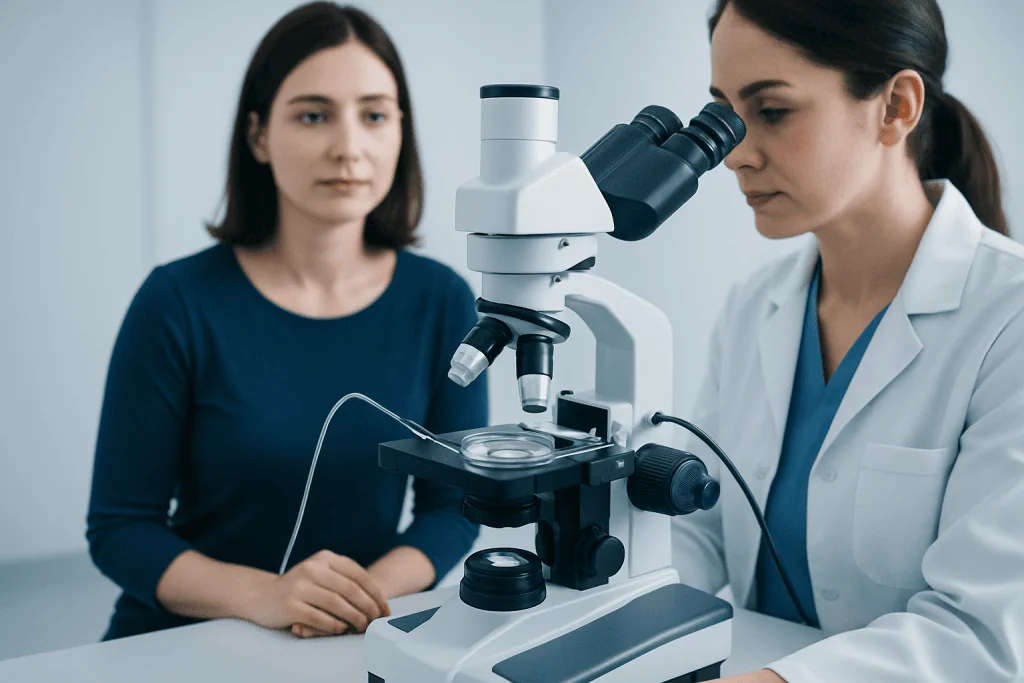
Egg freezing may benefit people who face a known risk to their fertility or who are not ready to become pregnant but want to preserve options for the future. The decision is personal and depends on age, ovarian reserve, medical history, relationship circumstances, family-building goals, and emotional and financial considerations.
Common reasons to consider egg freezing include:
- Upcoming cancer treatment, such as chemotherapy, pelvic radiotherapy, or certain surgeries, that may damage eggs or ovarian function.
- Medical conditions that may reduce fertility over time, such as some autoimmune diseases, severe endometriosis, or a family history of early menopause.
- Planned ovarian surgery, especially when there is a risk of removing or damaging healthy ovarian tissue.
- Personal or social reasons, such as not yet being ready for pregnancy or not having a partner with whom to create embryos.
- Occupational, educational, or life circumstances that make pregnancy more appropriate at a later time.
Egg freezing is not appropriate for everyone, and it may not be possible to delay some urgent medical treatments. In cancer care, fertility preservation discussions should happen as early as possible so the oncology and fertility teams can coordinate safely. For non-urgent fertility planning, consultation before fertility has declined significantly may offer more options.
How Age and Ovarian Reserve Affect Egg Freezing

Age is one of the most important factors in egg freezing. Eggs collected at a younger age are more likely to have normal chromosomes and may have a better chance of leading to a future pregnancy than eggs collected later. This does not mean egg freezing is only useful at one age, but it does mean timing matters.
Ovarian reserve refers to an estimate of how the ovaries may respond to stimulation. It does not directly measure whether a person can become pregnant naturally, but it helps fertility specialists plan treatment and estimate how many eggs may be retrieved. Common ovarian reserve tests include anti-Müllerian hormone, or AMH, blood testing and an ultrasound count of small follicles in the ovaries, known as an antral follicle count.
Some people may need more than one stimulation and retrieval cycle to freeze a target number of mature eggs. The recommended number varies widely depending on age, test results, medical situation, and personal goals. A fertility specialist can explain what the results mean in practical terms and help set realistic expectations.
What to Expect During the Egg Freezing Process
The egg freezing process begins with a consultation and baseline evaluation. The fertility team usually reviews medical history, menstrual cycle patterns, medications, previous pregnancies or fertility treatments, and any medical conditions that may affect safety. Blood tests and transvaginal ultrasound are commonly used to assess the ovaries and plan stimulation.
Once treatment begins, daily hormone injections are used to encourage multiple follicles in the ovaries to grow. Monitoring visits, including ultrasound and blood tests, help the doctor adjust medication and decide when the eggs are ready. This stimulation phase often lasts around 8 to 14 days, though timing varies from person to person.
When the follicles have reached an appropriate stage, a trigger injection is given to help the eggs mature. Egg retrieval is then performed at a carefully timed interval. The procedure is usually done through the vagina under ultrasound guidance, often with sedation or anesthesia. A thin needle is used to collect fluid from the follicles, and the embryology laboratory identifies the eggs.
After retrieval, the mature eggs are frozen and stored in liquid nitrogen in a specialized laboratory. People usually go home the same day and may return to normal light activities shortly afterward, depending on how they feel and the doctor’s advice. Mild cramping, bloating, or spotting can occur for a short time after retrieval.
Benefits, Limits, and Possible Risks
The main benefit of egg freezing is that it offers a chance to use eggs collected at the time of the procedure in the future. For people facing cancer treatment or ovarian surgery, this can be an important part of preserving fertility choices. For others, it may provide emotional reassurance and more flexibility in family planning.
However, egg freezing has limits. It cannot guarantee pregnancy, and success depends on several steps: eggs must survive thawing, fertilize, develop into embryos, implant, and lead to an ongoing pregnancy. The quality of the eggs at the time of freezing is central, and this is strongly influenced by age. The number of mature eggs stored also matters, but more eggs do not always mean a certain outcome.
Most people tolerate ovarian stimulation and retrieval well, but side effects and risks should be understood. Temporary symptoms may include bloating, breast tenderness, mood changes, headaches, bruising at injection sites, and pelvic discomfort. Rare complications include bleeding, infection, ovarian torsion, or ovarian hyperstimulation syndrome, in which the ovaries become enlarged and fluid shifts in the body. Fertility teams use individualized medication plans and monitoring to reduce these risks.
There are also emotional and practical considerations. The process can feel time-sensitive, especially when linked to medical treatment. Storage decisions, future use of eggs, partner or donor sperm choices, and what happens to unused eggs are important topics to discuss before starting.
Using Frozen Eggs in the Future
When a person decides to use frozen eggs, the eggs are thawed in the embryology laboratory. Surviving eggs are usually fertilized with sperm using intracytoplasmic sperm injection, commonly called ICSI, because the freezing process can change the outer layer of the egg. If fertilization occurs, embryos are monitored as they develop.
An embryo transfer may be planned in a natural or medicated cycle, depending on the person’s medical situation and clinic protocol. Before transfer, the uterus is assessed to make sure the lining is prepared. Some people may also discuss genetic testing of embryos, especially when age or medical history is a concern, but this is not required for everyone.
If pregnancy does not occur after using frozen eggs, there may still be other options, depending on the individual situation. These can include using remaining frozen eggs or embryos, another IVF cycle if medically appropriate, donor eggs, donor embryos, or other family-building paths. A compassionate fertility team can help people consider these choices without pressure.
Preparing for a Consultation and Making a Decision
A good egg freezing consultation should be individualized and transparent. The doctor should explain the expected timeline, tests, medication plan, retrieval procedure, laboratory freezing method, storage arrangements, costs, and what follow-up is needed. People should also ask about how many cycles may be reasonable based on their age and ovarian reserve.
Helpful questions to ask include:
- What do the ovarian reserve tests suggest about the likely response to stimulation?
- How many mature eggs might be expected from one cycle, and what are the limitations of this estimate?
- What side effects or risks are most relevant for this person’s health history?
- How will egg storage, future use, and consent decisions be managed?
- If egg freezing is needed before cancer treatment, how quickly can the process begin and how will it coordinate with oncology care?
People taking regular medications, living with chronic illness, or preparing for cancer treatment should ensure all treating doctors are aware of the plan. At Acibadem International, multidisciplinary specialists in JCI-accredited hospitals diagnose and treat fertility-related conditions for international patients, including those considering fertility preservation, with care plans tailored to individual medical needs.
When to See a Fertility Specialist
A fertility specialist can help determine whether egg freezing is a reasonable option and when it should be considered. People who are planning cancer therapy, pelvic radiation, ovarian surgery, or other treatments that may affect fertility should ask for a referral as soon as possible. Early discussion may allow more choices, even when treatment timelines are short.
It is also appropriate to seek advice if someone is in their 30s or older and is not ready for pregnancy but wants to understand future fertility options. A consultation does not commit a person to treatment; it simply provides information about ovarian reserve, likely response, and alternatives. Younger people with a strong family history of early menopause or known genetic risks may also benefit from earlier evaluation.
Urgent medical attention is needed after egg retrieval if symptoms are severe or worsening, such as intense abdominal pain, heavy bleeding, fever, fainting, shortness of breath, persistent vomiting, or rapid abdominal swelling. These symptoms are uncommon, but they should be assessed promptly by a qualified healthcare professional.
Frequently asked questions
Does egg freezing guarantee a future baby?
No. Egg freezing can improve future reproductive options, but it does not guarantee pregnancy or birth. Success depends on age at freezing, the number and quality of eggs, sperm factors, embryo development, uterine health, and other medical factors.
What is the best age to freeze eggs?
There is no single best age for everyone, but eggs collected at younger ages generally have better reproductive potential. Many people discuss egg freezing in their late 20s to mid-30s, while others consider it earlier or later for medical reasons. A fertility specialist can interpret ovarian reserve testing and provide personalized guidance.
How long can eggs remain frozen?
When stored properly in a specialized laboratory, eggs can remain frozen for many years. The practical limits may depend on local laws, clinic policies, storage consent forms, and personal circumstances. Patients should ask the clinic about storage duration, renewal procedures, and future decision-making.
Is egg retrieval painful?
Egg retrieval is usually performed with sedation or anesthesia, so significant pain during the procedure is uncommon. Afterward, mild cramping, bloating, or spotting may occur for a short time. The care team should explain what symptoms are expected and which symptoms require medical attention.
Can egg freezing be done if someone has irregular periods?
Often, yes, but the cause of irregular periods should be evaluated. Conditions such as polycystic ovary syndrome, thyroid disorders, or low ovarian reserve may influence the stimulation plan. A fertility specialist can adapt timing and monitoring to the individual’s cycle and health history.
What is the difference between egg freezing and embryo freezing?
Egg freezing stores unfertilized eggs, while embryo freezing stores eggs that have been fertilized with sperm and developed into embryos. Egg freezing may be preferred when a person does not have a partner or does not want to use donor sperm. Embryo freezing may provide more information about fertilization and embryo development before storage.
This article is for general information only and is not a substitute for professional medical advice. Please consult a qualified doctor about your individual situation.
IVF & fertility treatment in Turkey — success rates and costs
JCI-accredited · board-certified surgeons · reply within 24h
Add us as a Preferred Source to see more of our trusted health content across Google Search, AI Overviews and Discover.

Related Treatments
Related Conditions
More from the Health Library

PCOS and Fertility: Why Ovulation Problems Can Make Conception Harder

IVF Success Rates by Age: What Influences Your Chances of Pregnancy

IVF With Sperm Retrieval: When Surgical Sperm Collection May Be Needed

IVF With Thyroid Disease: TSH Targets, Medication, and Pregnancy Planning

Infertility in Men: Causes, Symptoms, and When Sperm Testing Is Needed
Intrauterine Insemination (IUI): Who It Helps and What to Expect
Gynecology & Obstetrics Specialists at Acibadem

Dr. Bilgiye Ergin
Gynecology & Obstetrics
Dr. Birgül Karakoç
Gynecology & Obstetrics
Prof. Dr. Bülent Özçelik
Gynecology & Obstetrics
Prof. Dr. Bülent Tıraş
Gynecology & Obstetrics