

Ethnic Nose Types: Common Features and Surgical Approaches

Ethnic nose types are normal anatomical variations, not abnormalities. Skin thickness, cartilage strength, bridge height, and nostril shape all influence surgical planning.
Key Takeaways
- Ethnic nose types are normal anatomical variations, not abnormalities.
- Skin thickness, cartilage strength, bridge height, and nostril shape all influence surgical planning.
- Ethnic rhinoplasty should aim to preserve cultural and individual identity while improving harmony and nasal function.
- A careful consultation is essential to discuss goals, expectations, breathing symptoms, and healing.
- Technique selection varies widely and may involve tip support, bridge refinement, nostril reduction, or grafting.
Ethnic nose types describe natural variations in nasal skin, cartilage, bridge height, nostril width, and tip support seen across different populations. When surgery is considered, the goal is usually not to erase identity, but to improve balance, breathing, or both while respecting each person’s unique facial features.
Overview of Ethnic Nose Types
The term ethnic nose types refers to the natural range of nasal shapes and structural features seen in people from different ancestral backgrounds. These differences may include the height of the nasal bridge, the projection and definition of the tip, the width of the nostrils, the thickness of the skin, and the strength of the cartilage. None of these features is inherently better or worse than another; they are part of normal human diversity.
In cosmetic and reconstructive facial surgery, understanding these variations is important because the nose has a major role in both appearance and breathing. A nose that looks balanced on one face may not suit another. For that reason, modern surgical planning focuses on harmony with the eyes, cheeks, lips, chin, and overall facial proportions rather than trying to fit one narrow beauty standard.
The phrase “ethnic rhinoplasty” is often used when nose reshaping is tailored to these anatomical differences and to a patient’s personal wishes about preserving identity. Some people want only subtle refinement, while others seek correction after prior surgery, injury, or congenital differences. In some cases, surgery also addresses breathing problems caused by a deviated septum, internal valve weakness, or past facial trauma.
Common Features Seen Across Different Nose Shapes

Although every face is unique, surgeons often describe certain patterns that may be more common in different populations. Some noses have a lower bridge, broader nasal base, thicker skin, and softer tip cartilage. Others may have a higher bridge, narrower base, stronger cartilage, or a prominent hump. These are broad observations only, and many people have a mix of features that do not fit neatly into one category.
One of the most important differences is skin thickness. Thicker skin can soften the final visible definition of the tip, even when the underlying cartilage is carefully reshaped. Thinner skin, by contrast, may reveal fine structural changes more easily but can also make small irregularities more noticeable. Cartilage strength also matters because weaker cartilage may need added support to achieve lasting tip shape and function.
Features that may influence planning include:
- Bridge height and width
- Tip projection, rotation, and definition
- Nostril width and shape
- Skin thickness and oiliness
- Septal alignment and airway support
- Overall facial balance, including the chin and cheeks
Because these characteristics vary so much, surgeons avoid a one-size-fits-all approach. The same technique used for a narrow, high-bridge nose may not be appropriate for a broader nose with thicker skin and less tip support.
Why People Consider Surgery

People seek evaluation for ethnic nose surgery for many reasons. Some are interested in cosmetic changes, such as refining a wide tip, reducing nostril flare, smoothing a bridge, or improving symmetry. Others are more concerned about function, including chronic nasal blockage, collapse during breathing, or structural issues after injury or previous surgery.
It is also common for patients to want a result that looks natural and still feels like “them.” Many do not want an over-narrowed bridge or an overly projected tip that seems out of balance with their background or family features. A thoughtful consultation helps identify whether the goal is subtle refinement, restoration, or combined cosmetic and functional improvement.
In reconstructive settings, surgery may be part of care after congenital conditions, scars, burns, or trauma. Some patients are also prone to thicker scarring and may want to discuss related concerns such as keloid scars during planning. Open discussion about healing patterns, skin behavior, and expectations helps the surgeon choose the safest and most suitable approach.
How Surgeons Plan Ethnic Rhinoplasty
Preoperative assessment usually begins with a detailed medical history and facial examination. The surgeon evaluates the external shape of the nose, the skin and soft tissue envelope, the strength of the tip cartilages, the internal septum, and the nasal airway. Standardized photographs are commonly used to analyze the face from the front, side, and base views.
Planning is individualized. For example, a patient with a broad nasal base may benefit from carefully measured nostril narrowing, while someone with weak tip cartilage may need structural grafts to support projection and definition. A person with a low bridge may need augmentation rather than reduction. If breathing problems are present, functional correction can often be combined with cosmetic reshaping in the same operation.
Surgeons may discuss either an open or closed approach. In open rhinoplasty, a small incision is made across the columella to allow wider exposure of the nasal structures. In closed rhinoplasty, incisions stay inside the nose. The best method depends on the anatomy, the complexity of the changes, and whether major tip or structural work is needed.
For patients exploring broader facial balance, the surgeon may also explain how nose shape relates to other aesthetic procedures, such as cheek augmentation or brow lift, though these are separate decisions and not necessary for most people.
Common Surgical Approaches and Techniques
Ethnic rhinoplasty often focuses on support as much as reduction. In noses with weaker cartilage or thicker skin, simply removing tissue may not give a defined or stable result. Instead, surgeons frequently use structural techniques to build shape and maintain the airway. Cartilage grafts may come from the septum, ear, or in selected cases another source, depending on what is needed and what is available.
Common techniques may include tip refinement, tip grafting, bridge augmentation, hump reduction, septal straightening, nostril base reduction, and correction of asymmetry. Some procedures narrow the base of the nose, while others lift or support the tip. The exact combination depends on facial proportions and patient goals, not on ethnicity alone.
Examples of common surgical goals include:
- Improving tip definition without making the nose look unnatural
- Supporting weak cartilage to help preserve long-term shape
- Reducing excessive nostril flare with careful scar placement
- Augmenting a low bridge in a controlled, proportionate way
- Correcting septal deviation to improve airflow
- Revising changes from prior surgery that removed too much support
When reconstruction is needed after injury, scarring, or tissue loss, principles may overlap with other restorative procedures used in plastic surgery and facial repair. In selected complex cases, teams experienced in reconstructive care, including work related to microtia or burns, may also contribute to treatment planning.
Recovery, Results, and Possible Risks
Recovery varies by procedure, but swelling and bruising are expected after rhinoplasty. A splint may be worn for about a week, and internal swelling can last much longer than visible bruising. Tip swelling often settles slowly, especially in thicker skin, so the final result may continue to refine over many months.
Most patients are able to return to light daily activities within days to a couple of weeks, depending on the extent of surgery and their surgeon’s advice. Strenuous exercise, contact sports, and pressure on the nose usually need to be avoided for longer. Following aftercare instructions carefully can help protect healing and reduce the chance of complications.
As with any surgery, there are risks. These may include bleeding, infection, asymmetry, scarring, prolonged swelling, breathing changes, dissatisfaction with appearance, or the need for revision surgery. In ethnic rhinoplasty, over-reduction is a particular concern because removing too much support can affect both appearance and function. A conservative, structure-preserving plan generally supports more natural outcomes.
Patients should also understand that swelling may temporarily hide early results, and perfect symmetry is rarely possible in human faces. A qualified surgeon will explain what can realistically be improved and what limitations may remain.
Choosing the Right Surgeon and Preparing for Consultation
Choosing a surgeon with specific experience in ethnic rhinoplasty is important. This work requires an understanding of varied nasal anatomy, structural support techniques, scar behavior, and the cultural and personal aspects of facial identity. During consultation, patients should feel comfortable discussing what they like about their nose, what they wish to change, and what they definitely do not want to lose.
Helpful questions include whether breathing will be assessed, whether cartilage grafts might be needed, how skin thickness affects the expected result, and what the recovery timeline may be. Looking at before-and-after photographs of patients with similar anatomy can support clearer discussion, although results always remain individual.
Preparation usually includes review of medical conditions, medications, allergies, smoking status, and any history of previous nasal surgery or trauma. Clear communication about expectations is essential. Digital imaging may be used as a discussion tool, but it is not a guarantee of the final outcome.
Near the end of the process, some patients may also ask about related facial procedures or reconstructive needs. Where appropriate, a center with multidisciplinary specialists can coordinate care. Acibadem International’s JCI-accredited hospitals evaluate and treat international patients who need personalized aesthetic or reconstructive planning, including related services such as aesthetic neck contouring and care after auricular reconstruction.
When to Seek Medical Advice
A consultation is reasonable when a person is unhappy with the shape of the nose, feels the nose is out of balance with other facial features, or has breathing problems that affect sleep, exercise, or daily comfort. Medical advice is also important after injury, when there is sudden change in shape, persistent blockage on one side, or a history of prior surgery with poor function.
Teenagers and young adults may ask about timing, but surgery is usually considered only after the nose and face are sufficiently developed. Emotional readiness also matters. A good candidate is someone with realistic expectations who wants improvement rather than perfection.
If symptoms include severe breathing difficulty, recurrent nosebleeds, pain that does not improve, or signs of infection after surgery, prompt medical review is needed. For elective aesthetic concerns, taking time to compare opinions and understand the plan is often the best first step.
Frequently asked questions
What does the term ethnic nose types mean?
It refers to natural differences in nasal shape and structure seen across people of different ancestral backgrounds. These differences may involve the bridge, tip, nostrils, skin thickness, and cartilage strength. The term is descriptive and does not mean that any nose type is abnormal.
Is ethnic rhinoplasty different from standard rhinoplasty?
The operation uses many of the same core principles, but planning is more tailored to anatomical variation and identity-preserving goals. Surgeons often place special focus on structural support, skin thickness, and maintaining harmony with the rest of the face. Functional breathing concerns can also be treated at the same time.
Can surgery make the nose smaller without changing ethnic identity?
In many cases, yes. A skilled surgeon can often refine the tip, adjust the bridge, or narrow the nostrils while keeping the nose natural-looking and in balance with the person's background and facial features. The aim is usually refinement, not erasure of identity.
Why is skin thickness important in nose surgery?
Skin thickness affects how clearly the new framework of the nose will show after surgery. Thicker skin may soften definition and keep swelling visible longer, especially at the tip. Thinner skin can reveal details more easily but may also show small irregularities if support is not carefully managed.
How long does it take to see final rhinoplasty results?
Initial changes are visible after early swelling improves, often within a few weeks. However, the nose, especially the tip, continues to refine for many months. In people with thicker skin, the final result may take longer to become fully apparent.
Will ethnic rhinoplasty also help breathing problems?
It can, if the breathing issue is related to nasal structure such as a deviated septum or weak internal support. Cosmetic and functional corrections are often combined when appropriate. An examination by a qualified surgeon is needed to determine whether surgery is likely to improve airflow.
References
- American Society of Plastic Surgeons
- American Academy of Facial Plastic and Reconstructive Surgery
- American Academy of Otolaryngology–Head and Neck Surgery
- National Institutes of Health
- Mayo Clinic
This article is for general information only and is not a substitute for professional medical advice. Please consult a qualified doctor about your individual situation.
Explore treatments in Turkey — costs, top hospitals & a free quote
JCI-accredited · board-certified surgeons · reply within 24h
Add us as a Preferred Source to see more of our trusted health content across Google Search, AI Overviews and Discover.

Related Treatments
Related Conditions
More from the Health Library



Related Specialists
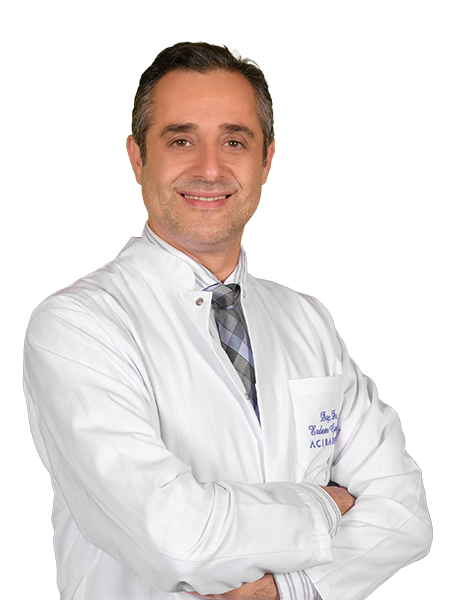
Assoc. Prof. Dr. Erdem Güven (m)
Aesthetic Plastic & Reconstructive Surgery
Prof. Dr. Şükrü Yazar
Aesthetic Plastic & Reconstructive Surgery
Prof. Dr. Hakan Ağır
Aesthetic Plastic & Reconstructive Surgery
Prof. Dr. Bülent Saçak
Aesthetic Plastic & Reconstructive Surgery