Excessive Daytime Sleepiness: When to See a Neurological Sleep Specialist

Excessive daytime sleepiness is persistent sleepiness that affects daily functioning, concentration, or safety. Common causes include poor sleep habits, obstructive sleep apnea, shift work, medications, and neurological sleep disorders such as narcolepsy.
Key Takeaways
- Excessive daytime sleepiness is persistent sleepiness that affects daily functioning, concentration, or safety.
- Common causes include poor sleep habits, obstructive sleep apnea, shift work, medications, and neurological sleep disorders such as narcolepsy.
- A neurological sleep specialist may be helpful when symptoms are severe, unexplained, or associated with sudden sleep attacks, weakness, or unusual nighttime behaviors.
- Diagnosis may include a detailed sleep history, sleep diary, lab tests, and overnight or daytime sleep studies.
- Treatment depends on the cause and may include sleep habit changes, treatment of sleep disorders, medication review, and specialist care.
Excessive daytime sleepiness is more than feeling tired after a late night. It describes ongoing difficulty staying awake during the day and can be linked to sleep disorders, medications, medical conditions, or neurological problems.
Overview
Excessive daytime sleepiness means a person feels unusually sleepy during the day, even when they believe they have had enough time to sleep at night. It can show up as repeated yawning, trouble focusing, dozing off while reading or watching television, or feeling unable to stay alert during work, school, or conversations. In some cases, it becomes a safety issue, especially when driving or using machinery.
This symptom is different from ordinary fatigue. Fatigue often feels like low energy, reduced motivation, or physical tiredness, while daytime sleepiness is a strong urge to fall asleep. Some people experience both at the same time, which can make the problem harder to describe without careful evaluation.
Excessive daytime sleepiness is not a diagnosis by itself. Instead, it is a clue that sleep may be poor in quality, too short, disrupted, or affected by an underlying condition. A neurological sleep specialist may become involved when there is concern for disorders that affect the brain’s control of sleep and wakefulness, such as narcolepsy, or when symptoms remain unclear after initial assessment.
Symptoms and How It May Affect Daily Life
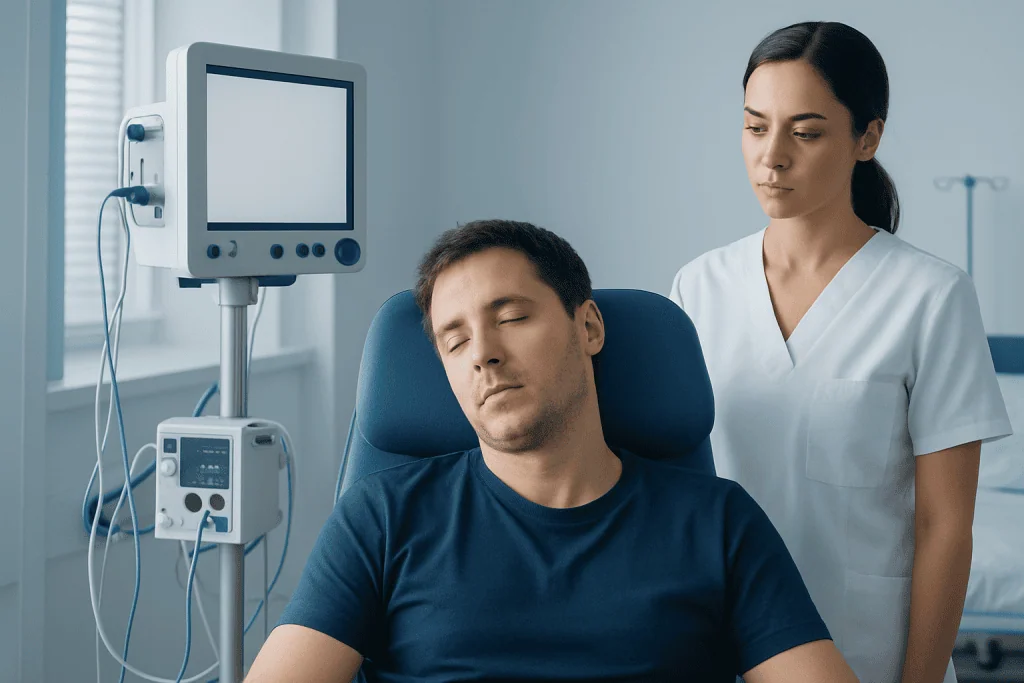
The main symptom is a persistent tendency to fall asleep or struggle to stay awake during normal daytime activities. A person may feel refreshed only briefly after waking and then become sleepy again within a short time. They may also notice reduced attention, slower thinking, memory lapses, irritability, or reduced work and school performance.
Some people describe “sleep attacks,” meaning sudden episodes of overwhelming sleepiness. Others feel sleepy in quiet situations, such as sitting in meetings, riding in a car, or reading. If the sleepiness becomes severe, it may occur in active situations as well. This is one reason why daytime sleepiness should be taken seriously rather than dismissed as simple overwork.
Associated symptoms can help point to the cause. Loud snoring, pauses in breathing, dry mouth on waking, and morning headaches may suggest sleep apnea. Vivid dream-like experiences at sleep onset, temporary inability to move when waking, or sudden muscle weakness triggered by emotion may suggest narcolepsy. Restless legs, unusual nighttime movements, or parasomnias can also interfere with restorative sleep. Some neurological symptoms, such as headaches, dizziness, weakness, or memory change, may require a broader evaluation.
- Frequent dozing during the day
- Difficulty concentrating or remembering
- Reduced productivity or academic performance
- Mood changes such as irritability
- Safety concerns while driving or working
Causes and Risk Factors

Many cases of excessive daytime sleepiness are related to insufficient or poor-quality sleep. Common contributors include inconsistent sleep schedules, shift work, jet lag, stress, alcohol use, and excessive evening screen exposure. Even when someone spends enough time in bed, repeated nighttime awakenings can prevent restorative sleep.
Sleep disorders are another major cause. Obstructive sleep apnea is especially common and may lead to fragmented sleep without the person fully realizing it. Other sleep-related causes include insomnia, circadian rhythm disorders, restless legs syndrome, and periodic limb movement disorder. Central disorders of hypersomnolence, including narcolepsy and idiopathic hypersomnia, are important considerations when sleepiness is severe or longstanding. In these situations, assessment in neurological sleep medicine may be useful, and some patients need dedicated evaluation for narcolepsy.
Medications and substances can also play a role. Sedating antihistamines, some antidepressants, anxiety medicines, pain medicines, alcohol, and recreational drugs may increase sleepiness. Medical conditions such as thyroid disorders, anemia, chronic kidney disease, liver disease, chronic pain, depression, and infections may contribute as well. Neurological conditions can sometimes disrupt sleep or alertness indirectly; for example, headache disorders, neurodegenerative diseases, or recovery after stroke may be associated with daytime sleepiness in some people.
Risk factors include obesity, older age, irregular work hours, family history of certain sleep disorders, and coexisting heart, lung, or neurological disease. However, excessive daytime sleepiness can affect adults of any age and should be evaluated in context rather than assumed to be a normal part of modern life.
When to See a Neurological Sleep Specialist
A general doctor can often begin the initial evaluation, but some situations call for a neurological sleep specialist. Referral may be appropriate when daytime sleepiness is severe, has no clear explanation, or continues despite good sleep habits and treatment of common causes. It is also important when there are signs of a brain-based sleep-wake disorder, such as sudden sleep episodes, cataplexy, sleep paralysis, vivid hallucinations around sleep, or unusual nighttime behaviors.
Specialist input may also help when symptoms occur along with neurological complaints such as memory problems, tremor, weakness, gait changes, or persistent headaches. These combinations do not always mean a serious neurological disease is present, but they can justify a more focused assessment. For example, sleepiness may overlap with symptoms seen in certain movement or neurodegenerative conditions, which is why clinics that also provide movement disorders care or broader neurological assessment may be involved.
Urgent medical attention is needed if daytime sleepiness contributes to near-miss accidents, sudden loss of consciousness, chest pain, severe shortness of breath, or new focal neurological symptoms. Symptoms such as abrupt weakness on one side, trouble speaking, or facial drooping may point to emergencies that require immediate care rather than routine sleep evaluation.
Diagnosis
Diagnosis begins with a detailed medical and sleep history. The clinician will ask about bedtime and wake time, sleep quality, snoring, breathing pauses, medications, caffeine and alcohol use, work schedule, mental health, and any episodes of sudden muscle weakness or dream-like experiences. A family member or bed partner may provide helpful observations, especially if the person is unaware of snoring or nighttime behaviors.
Tools such as sleep diaries, questionnaires, and wearable tracking information may add useful context, although consumer sleep devices cannot replace formal testing. A physical examination may look for signs linked to sleep apnea or other medical conditions, and blood tests may be ordered to check for problems such as anemia or thyroid disease.
If a sleep disorder is suspected, testing may include overnight polysomnography, often called a sleep study. This test monitors breathing, oxygen levels, heart rhythm, brain waves, limb movements, and sleep stages. In selected cases, a multiple sleep latency test is performed the next day to measure how quickly a person falls asleep and whether rapid eye movement sleep appears unusually early, which can support the diagnosis of narcolepsy. Some people may also need home sleep apnea testing, actigraphy, or neurophysiological assessment such as neurophysiology testing when symptoms are complex.
The goal of diagnosis is not only to name the symptom but to find the underlying reason for it. This step is important because treatment differs greatly depending on whether the cause is sleep apnea, medication effects, depression, circadian disruption, idiopathic hypersomnia, or another neurological sleep disorder.
Treatment Options
Treatment focuses on the cause. If sleep deprivation is contributing, improving sleep duration and consistency may significantly reduce daytime symptoms. When a medication is suspected, the prescribing clinician may review whether timing can be changed or whether a less sedating alternative is appropriate. Any underlying medical condition, such as thyroid disease or anemia, should also be treated.
For obstructive sleep apnea, treatment may include weight management, positional strategies, oral appliances, or positive airway pressure therapy, depending on the individual case. Circadian rhythm problems may improve with structured scheduling, light exposure strategies, and careful behavioral guidance. If insomnia is part of the picture, cognitive behavioral approaches are often preferred over relying only on sleep medicines.
For narcolepsy or idiopathic hypersomnia, management may combine regular sleep scheduling, planned naps, and wake-promoting medication prescribed by a qualified specialist. Treatment plans are individualized, especially when cataplexy or other REM sleep-related symptoms are present. People with coexisting neurological conditions may need coordinated care; for example, those with tremor or essential tremor who are taking sedating medicines may require careful review of both symptom control and daytime alertness.
When specialized evaluation is needed, multidisciplinary neurological services can be helpful. Near the end of the care pathway, some international patients choose centers such as Acibadem International, where multidisciplinary specialists in neurology and sleep medicine at JCI-accredited hospitals evaluate and treat sleep-related neurological conditions.
Prevention and Self-care
Not every case of excessive daytime sleepiness can be prevented, but healthy sleep habits can reduce risk and improve overall alertness. A regular sleep-wake schedule, enough nightly sleep, and a calm sleep environment are basic but important steps. Going to bed and waking at similar times every day helps support the body’s internal clock.
It may help to limit alcohol close to bedtime, reduce late caffeine use, and avoid heavy meals just before sleep. Screen use in the hour before bed can make it harder to fall asleep for some people. Regular physical activity during the day often supports better nighttime sleep, though intense exercise right before bed may be stimulating for some individuals.
Self-care also includes paying attention to warning signs. If a person repeatedly falls asleep unintentionally, feels drowsy while driving, or notices loud snoring and witnessed breathing pauses, they should arrange medical assessment rather than trying to push through the problem. People who already live with neurological conditions, chronic headaches such as tension-type headache, or mood disorders may benefit from discussing sleep symptoms early, since sleep quality often affects these conditions and vice versa.
Frequently asked questions
What is the difference between excessive daytime sleepiness and fatigue?
Excessive daytime sleepiness is a strong tendency to fall asleep during the day. Fatigue is more often described as low energy, reduced stamina, or mental and physical exhaustion. Some people experience both, so a doctor may ask detailed questions to distinguish them.
Can excessive daytime sleepiness happen even if someone sleeps for eight hours?
Yes. A person may spend enough time in bed but still have poor-quality sleep because of sleep apnea, frequent awakenings, restless legs, medications, or certain neurological sleep disorders. That is why sleep quantity alone does not always explain the problem.
Does excessive daytime sleepiness always mean narcolepsy?
No. Narcolepsy is one possible cause, but many other conditions are more common, including insufficient sleep, sleep apnea, shift work, depression, and medication effects. A careful evaluation is needed before reaching a diagnosis.
When should someone stop driving and seek medical advice?
If a person feels sleepy behind the wheel, has dozed off while driving, or has had near-miss accidents, they should stop driving until they have been assessed. Daytime sleepiness can affect reaction time and judgment, even if the person thinks they can manage it.
What tests might a sleep specialist order?
A specialist may start with a detailed history, a sleep diary, and questionnaires. Depending on the suspected cause, they may recommend an overnight sleep study, a daytime nap test such as a multiple sleep latency test, or blood tests to look for other medical issues.
Can lifestyle changes really help excessive daytime sleepiness?
They can help when poor sleep habits, irregular schedules, or alcohol and caffeine timing are contributing. However, lifestyle changes may not be enough if the cause is a medical or neurological sleep disorder, so persistent symptoms should still be evaluated.
References
- American Academy of Sleep Medicine
- National Institute of Neurological Disorders and Stroke
- National Heart, Lung, and Blood Institute
- Centers for Disease Control and Prevention
- Mayo Clinic
This article is for general information only and is not a substitute for professional medical advice. Please consult a qualified doctor about your individual situation.
Explore treatments in Turkey — costs, top hospitals & a free quote
JCI-accredited · board-certified surgeons · reply within 24h
Add us as a Preferred Source to see more of our trusted health content across Google Search, AI Overviews and Discover.

Neurology
Diagnosis and treatment of disorders of the brain, spinal cord, nerves and muscles.
51 specialists in this unit