Functional Neurological Disorder Treatment: What Recovery May Involve

Functional neurological disorder is a real condition that affects how the nervous system functions, even when standard scans may look normal. Treatment usually works best when patients understand the diagnosis and take part in an individualized rehabilitation plan.
Key Takeaways
- Functional neurological disorder is a real condition that affects how the nervous system functions, even when standard scans may look normal.
- Treatment usually works best when patients understand the diagnosis and take part in an individualized rehabilitation plan.
- Common treatment approaches include physiotherapy, psychotherapy, occupational therapy, and management of sleep, pain, fatigue, or mood symptoms.
- Recovery can be gradual, with progress often measured by better movement, confidence, independence, and quality of life.
- Urgent medical review is still important if new symptoms suggest stroke, seizure emergencies, or another acute neurological illness.
Functional neurological disorder treatment focuses on improving symptoms and daily function through a clear diagnosis, education, rehabilitation, and supportive care. Recovery may involve several specialists, and many people improve with a personalized, step-by-step plan.
Overview: What functional neurological disorder treatment means
Functional neurological disorder, often called FND, is a condition in which the brain and nervous system have difficulty sending and receiving signals in the usual way. This can lead to symptoms that affect movement, sensation, speech, balance, or episodes that resemble seizures. The symptoms are genuine and can be disabling, but they are not imagined or “put on.”
Functional neurological disorder treatment aims to help the nervous system work more effectively again. In many cases, care starts with a careful explanation of the diagnosis, because understanding the condition can reduce fear and make treatment more effective. People are often reassured to learn that FND is recognized by neurologists and is diagnosed using positive clinical signs, not simply by ruling everything else out.
Treatment is usually personalized. One person may need help mainly with walking or tremor, while another may need support for nonepileptic seizures, fatigue, pain, or concentration difficulties. For this reason, care may involve neurology, rehabilitation, physiotherapy, occupational therapy, psychology, and sometimes neuropsychiatry or neuropsychological assessment and support.
Symptoms and how FND may affect daily life
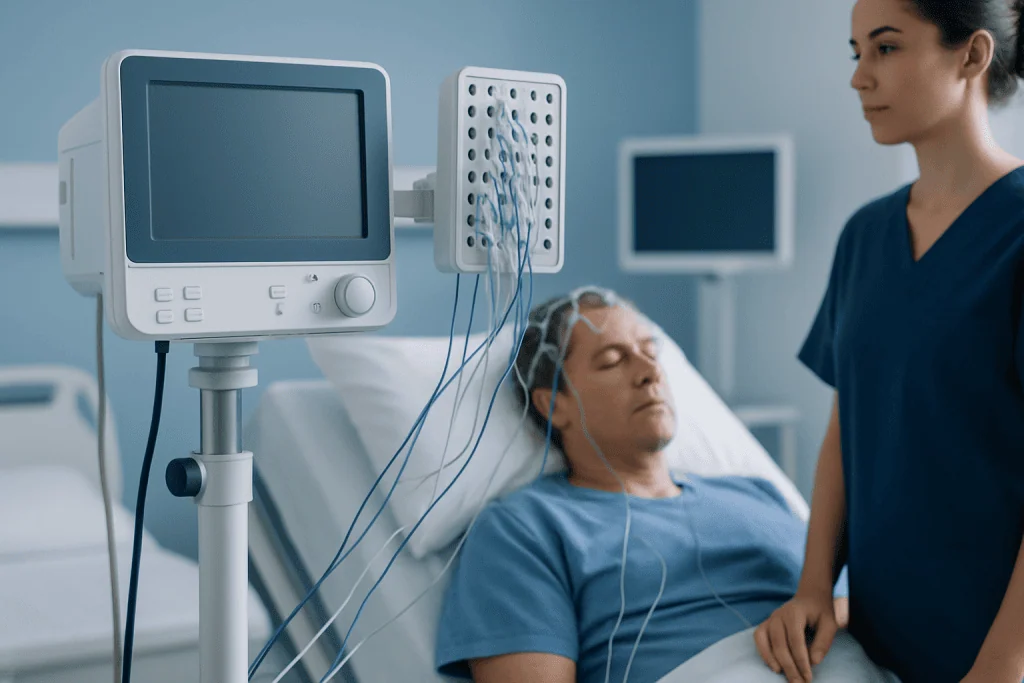
FND can look different from person to person. Some people have weakness, tremor, jerking movements, gait problems, limb heaviness, speech changes, swallowing difficulty, numbness, dizziness, or visual symptoms. Others have episodes known as functional seizures or dissociative seizures, which can resemble epilepsy but have a different mechanism. Symptoms may come and go, vary in intensity, or become worse with stress, fatigue, pain, or overstimulation.
These symptoms can strongly affect daily life. Work, school, driving, self-care, exercise, and social activities may become harder. It is also common for people to feel frustrated when routine tests do not fully explain what they are experiencing. A compassionate explanation is important because uncertainty itself can increase distress and symptom focus.
Some symptoms may overlap with other neurological conditions, so doctors assess carefully. For example, tremor or abnormal posturing may need to be distinguished from dystonia or essential tremor. Sudden weakness, facial drooping, or speech difficulty may also require urgent assessment to exclude stroke or other acute neurological problems.
- Movement symptoms: weakness, tremor, gait difficulty, spasms, or limb dragging
- Sensory symptoms: numbness, tingling, altered vision, or reduced awareness of a limb
- Episodes: functional seizures, faint-like events, or periods of unresponsiveness
- Associated symptoms: fatigue, pain, sleep problems, anxiety, low mood, or “brain fog”
Causes and risk factors

There is rarely a single cause of FND. Instead, it is understood as a disorder of nervous system functioning that may develop through a mix of biological, psychological, and social factors. Modern research suggests that attention, expectation, threat responses, past experiences, and patterns of movement or symptom learning can all influence how symptoms begin and persist.
In some people, symptoms start after a physical injury, migraine, viral illness, panic episode, surgery, pain flare, or a period of major stress. In others, no clear trigger is identified. Having FND does not mean a person is choosing symptoms, and it does not mean symptoms are “all in the mind.” The condition sits at the intersection of brain function, body responses, and lived experience.
Risk factors can include recent illness, chronic pain, fatigue, sleep disturbance, anxiety or depression, previous trauma in some patients, and coexisting neurological conditions. Some people may also have headaches, dizziness, or symptoms that overlap with conditions such as tension-type headache. Identifying contributors matters because treatment often includes reducing symptom triggers and improving resilience rather than searching for one simple cause.
How the diagnosis is made
FND is diagnosed by a clinician, usually a neurologist, using a detailed history and neurological examination. The diagnosis is based on positive signs that are typical of FND, such as symptoms that change with distraction, inconsistent weakness patterns, or specific movement features seen during the exam. This approach is important because it shows that FND is a diagnosable neurological condition in its own right.
Tests may still be needed, especially early on, to look for other conditions when the symptoms could fit more than one diagnosis. Depending on the situation, this may include blood tests, MRI, EEG, or other neurological studies. These tests do not diagnose FND by themselves, but they can help rule out epilepsy, inflammatory disease, structural brain or spinal problems, or other explanations.
Some patients benefit from specialist input in neurophysiology or neuroradiology when the diagnosis is complex. Good diagnosis also includes explaining the findings clearly: what FND is, why the symptoms are real, what factors may be maintaining them, and why a rehabilitation-based treatment plan is recommended.
Treatment options and what recovery may involve
Functional neurological disorder treatment usually begins with education. Many patients improve when the diagnosis is explained in a practical, respectful way, including how attention, automatic movement patterns, and nervous system threat responses can affect symptoms. A clear explanation can reduce fear, improve trust, and make it easier to engage with therapy.
Physical rehabilitation is often central, especially for movement symptoms. Physiotherapy for FND is different from standard strengthening alone. It may focus on retraining automatic movement, reducing excessive self-monitoring, improving balance and gait, and building confidence in normal movement patterns. Occupational therapy can help with pacing, daily tasks, return to work, and energy management.
Psychological therapy can also be helpful, particularly when symptoms are linked with stress, dissociation, trauma, anxiety, depression, or persistent avoidance. This does not mean the symptoms are imaginary. Instead, therapies such as cognitive behavioral approaches, trauma-informed therapy where appropriate, and coping-skills work can reduce symptom triggers and improve function. For some patients with functional seizures, education about warning signs, grounding strategies, and emotional regulation forms part of treatment.
Many people also need treatment for associated symptoms such as pain, migraine, poor sleep, fatigue, or low mood. Care is often most effective when these issues are addressed together rather than one at a time. In selected cases, multidisciplinary neurology and rehabilitation services are useful, including support through movement disorders care when abnormal movements are prominent. Near the end of the care pathway, some international patients may seek evaluation at Acibadem International, where multidisciplinary specialists in JCI-accredited hospitals diagnose and treat complex neurological conditions including FND.
Prevention, self-care, and supporting long-term recovery
There is no guaranteed way to prevent FND, but certain self-care measures may support recovery and reduce relapses. A regular routine, good sleep habits, gradual physical activity, pacing, and stress management can all help stabilize the nervous system. Many people do better when they avoid the cycle of pushing too hard on good days and crashing on bad days.
Self-care works best when it fits the person’s main symptoms. For example, someone with functional gait problems may benefit from a structured home exercise program from a physiotherapist, while someone with functional seizures may focus more on recognizing triggers, grounding techniques, and safety planning. A symptom diary may help some people, but for others it can increase symptom focus, so it should be used thoughtfully.
Helpful recovery habits often include:
- Following the treatment plan consistently, even when progress feels slow
- Keeping a regular sleep and wake schedule
- Managing pain, headaches, or dizziness with medical advice
- Using graded activity rather than complete rest when possible
- Reducing unnecessary emergency visits once the diagnosis is established, unless new red-flag symptoms appear
- Staying connected with supportive family, work, or school resources
Recovery is often not a straight line. Setbacks can happen during illness, stress, sleep loss, or life changes, but this does not mean treatment has failed. Many patients improve by returning to the basics of their plan and checking in with their care team.
When to see a doctor
Anyone with new neurological symptoms should seek medical assessment, especially the first time symptoms occur. Although FND is common, serious conditions still need to be considered. Sudden one-sided weakness, facial drooping, severe new headache, loss of vision, prolonged confusion, high fever, or collapse can point to emergencies that need urgent care.
People already diagnosed with FND should also contact a doctor if their symptoms change significantly, injuries occur during episodes, or they are struggling to cope at home, work, or school. Worsening mood, panic, trauma symptoms, or thoughts of self-harm should always be taken seriously and discussed promptly with a healthcare professional.
Follow-up is important because the treatment plan may need adjustment over time. New symptoms may still be due to FND, but they should not automatically be assumed to be functional without appropriate review. A neurologist, rehabilitation doctor, psychologist, or primary care clinician can help decide what support is needed next.
Frequently asked questions
Can functional neurological disorder be treated successfully?
Many people with FND improve, especially when the diagnosis is explained clearly and treatment starts early. Improvement may include fewer symptoms, better mobility, greater independence, and better quality of life. Recovery speed varies, and some people need ongoing support.
What is the first step in functional neurological disorder treatment?
The first step is usually a confident diagnosis and a clear explanation from a qualified clinician. Understanding that FND is real and potentially reversible can help reduce fear and improve engagement with therapy. This often lays the foundation for rehabilitation.
Is FND the same as a mental health condition?
No. FND is a neurological condition involving altered nervous system function. Mental health symptoms such as anxiety or depression can occur alongside FND and may influence symptoms, but they do not fully explain the disorder.
Do scans and tests show functional neurological disorder?
Routine scans such as MRI may be normal in FND, which can be confusing for patients. Diagnosis is usually made from the pattern of symptoms and positive signs on examination, while tests help exclude other neurological conditions when needed.
How long does FND recovery take?
Recovery time is different for each person. Some improve over weeks to months, while others need longer-term rehabilitation and symptom management. Progress is often gradual and may include occasional setbacks.
Are medications used for functional neurological disorder?
There is no single medicine that treats all FND symptoms directly. However, medications may be used for related issues such as pain, migraine, sleep problems, anxiety, or depression when appropriate. A doctor can advise whether medication is likely to help in an individual case.
References
- National Institute of Neurological Disorders and Stroke
- NHS
- FND Society
- American Academy of Neurology
- World Health Organization
This article is for general information only and is not a substitute for professional medical advice. Please consult a qualified doctor about your individual situation.
Explore treatments in Turkey — costs, top hospitals & a free quote
JCI-accredited · board-certified surgeons · reply within 24h
Add us as a Preferred Source to see more of our trusted health content across Google Search, AI Overviews and Discover.

Neurology
Diagnosis and treatment of disorders of the brain, spinal cord, nerves and muscles.
51 specialists in this unit