

How Does Rhinoplasty Work?

Rhinoplasty can improve nasal appearance, breathing, or both. The procedure is individualized because every nose and facial structure is different.
Key Takeaways
- Rhinoplasty can improve nasal appearance, breathing, or both.
- The procedure is individualized because every nose and facial structure is different.
- Recovery happens in stages, with swelling improving gradually over weeks to months.
- Realistic goals and a qualified surgeon are essential for a good experience.
- Some people need functional nasal surgery, such as septal correction, at the same time.
Rhinoplasty is surgery that changes the shape, structure, or function of the nose. It may be done for cosmetic reasons, to improve breathing, or to repair changes caused by injury or birth differences.
Overview: What Rhinoplasty Is and What It Can Do
Rhinoplasty is a surgical procedure that reshapes the nose. People may choose it to change the size or profile of the nose, refine the nasal tip, straighten the bridge, narrow the nostrils, or improve symmetry. In many cases, it is also performed to correct structural problems that affect breathing.
The operation is highly personalized. A surgeon does not simply make a nose smaller or more prominent; instead, the aim is to create balance with the rest of the face while preserving or improving nasal function. This is why planning is a central part of rhinoplasty.
Rhinoplasty may be cosmetic, functional, or reconstructive. Cosmetic rhinoplasty focuses mainly on appearance. Functional rhinoplasty addresses problems such as a deviated septum or internal collapse that make breathing difficult. Reconstructive rhinoplasty may help after facial trauma or congenital differences.
Because the nose is both visible and essential for breathing, rhinoplasty requires attention to appearance, anatomy, and long-term support of the nasal framework. For many patients, the best results come from improving form and function together.
How Rhinoplasty Works
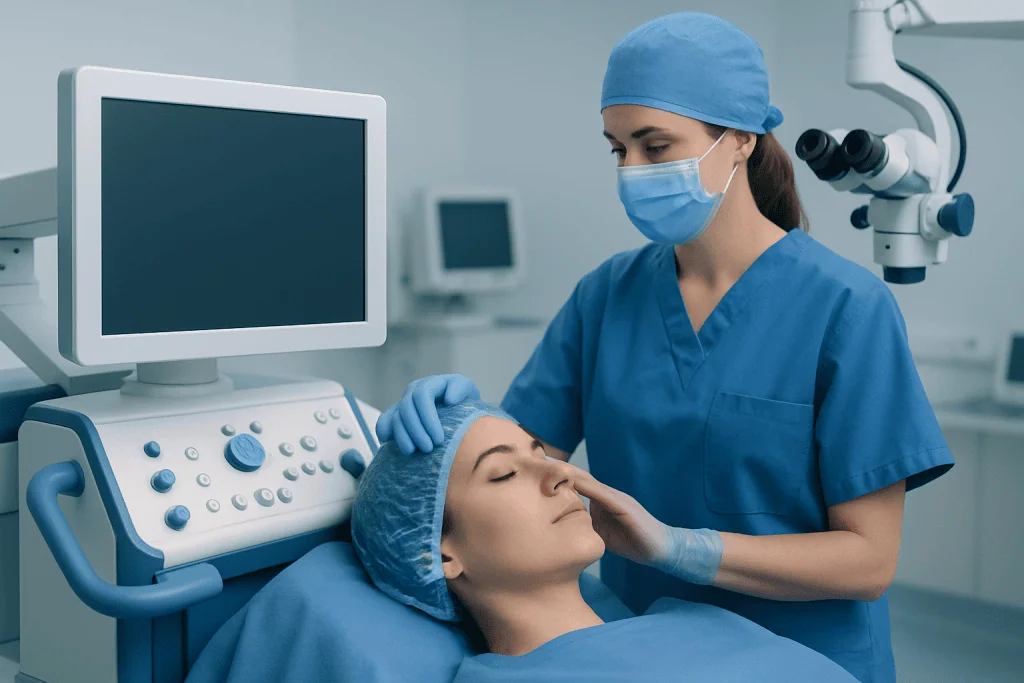
Rhinoplasty works by changing the bone, cartilage, skin envelope, or internal support structures of the nose. During surgery, the surgeon carefully accesses these structures and reshapes them to match the treatment plan. Depending on the goal, this may involve reducing a hump, refining the tip, straightening the nose, improving support, or opening airflow passages.
There are two main surgical approaches: closed rhinoplasty and open rhinoplasty. In a closed approach, incisions are placed inside the nostrils. In an open approach, there is also a small incision across the columella, the strip of tissue between the nostrils. Both approaches can be effective; the choice depends on the anatomy and the complexity of the changes needed.
The surgeon may remove, reshape, reposition, or reinforce cartilage. Sometimes grafts are used to strengthen or refine the nose. These grafts often come from the patient’s own septal cartilage, ear cartilage, or, less commonly, rib cartilage. The goal is not only to achieve the desired shape but also to maintain stable support over time.
When breathing issues are present, rhinoplasty may be combined with correction of the nasal septum or valves. In these cases, the operation can overlap with reconstructive goals and broader cosmetic and functional facial surgery planning.
Who May Consider Rhinoplasty

Rhinoplasty may be considered by adults who are unhappy with the appearance of their nose, who have difficulty breathing through the nose, or who have changes after injury. Some patients have long-standing concerns about a bump, drooping tip, wide bridge, asymmetry, or a nose that feels out of proportion to other facial features.
Others seek rhinoplasty for medical reasons. Common examples include a deviated septum, prior nasal fracture, collapse of the internal nasal valves, or congenital structural differences. In some cases, surgery is part of reconstruction after previous operations or trauma.
Good candidates are usually in overall good health, do not smoke or are willing to stop, and have realistic expectations. Emotional readiness matters too. The purpose of rhinoplasty is improvement, not perfection, and natural facial asymmetry often remains to some degree after surgery.
Teenagers may sometimes have rhinoplasty, but surgeons usually wait until facial growth is sufficiently advanced. Timing should be discussed carefully with a qualified specialist, especially when the surgery is being considered mainly for cosmetic reasons.
Consultation, Planning, and Diagnosis
The first step is a detailed consultation. The surgeon asks what the patient wants to change, whether breathing problems are present, and whether there has been prior injury or surgery. A physical examination looks at the skin thickness, cartilage strength, septum, nasal symmetry, and overall facial proportions.
Photographs are commonly taken to support planning. In some practices, image-based discussion may help explain possible changes. These tools can be useful for communication, but they are not a guarantee of an exact final result. The way tissues heal and settle varies from person to person.
If breathing problems are part of the concern, the doctor may evaluate the inside of the nose in more detail. This helps identify a deviated septum, turbinate enlargement, scar tissue, or valve narrowing. Patients who have had injuries, repeated surgery, or complex anatomy may need a more advanced reconstructive assessment, similar in principle to care used after burns or other structural facial changes.
Before surgery, the care team usually reviews medical history, medicines, allergies, and habits such as smoking. They may also discuss blood-thinning medicines, alcohol use, and recovery planning at home. Clear communication at this stage helps align the surgical plan with the patient’s goals and safety needs.
What Happens During the Procedure
Rhinoplasty is usually performed in a hospital or surgical center under general anesthesia, although some cases may be done with other anesthesia plans depending on the patient and the complexity of surgery. The procedure often takes a few hours, but timing varies widely.
Once the incisions are made, the surgeon lifts the soft tissues enough to see and reshape the underlying structures. Bone may be adjusted to narrow or straighten the bridge. Cartilage may be sculpted to refine the tip or improve support. If a septal problem affects breathing, it can often be corrected during the same operation, creating what is commonly called septorhinoplasty.
Some noses need more support rather than reduction. In these cases, cartilage grafts may be placed to strengthen the bridge, define the tip, or improve airflow. This is especially important in revision cases, after injury, or when collapse has developed over time.
At the end of surgery, the skin and soft tissue are re-draped over the reshaped framework. A splint is often placed on the outside of the nose to protect it during early healing. Internal splints or soft packing may sometimes be used, depending on the specific work performed.
Recovery and Healing After Rhinoplasty
Recovery after rhinoplasty happens gradually. In the first days, swelling, congestion, mild bleeding, and bruising around the eyes are common. Most people are able to return home the same day or after a short stay, depending on the procedure and their general condition.
The external splint is usually removed after about a week, although instructions differ by surgeon. Bruising often improves noticeably within one to two weeks. Many patients feel comfortable returning to desk-based work or social activity after that period, but visible swelling can remain for longer.
The nose continues to refine over time. The bridge may settle earlier, while the tip can stay swollen for several months, especially in people with thicker skin. Final results are often judged only after long-term healing. This slow change is normal and should be expected from the beginning.
Patients are usually advised to keep the head elevated, avoid nose blowing, protect the nose from accidental impact, and pause strenuous exercise for a period recommended by their surgeon. If rhinoplasty is part of a broader facial aesthetic plan, some patients may also discuss related options such as chin aesthetic surgery to improve profile balance, but only when this fits their goals.
Benefits, Risks, and Possible Limitations
The potential benefits of rhinoplasty include a more balanced facial appearance, greater confidence in nasal shape, and improved breathing when internal problems are corrected. For some people, the greatest value comes from combining cosmetic refinement with better function.
As with any surgery, there are risks. These can include bleeding, infection, reactions to anesthesia, prolonged swelling, scarring, numbness, asymmetry, breathing changes, or dissatisfaction with the cosmetic result. Some patients may require revision surgery if healing is unpredictable or if the first outcome does not fully meet the goal.
Not every concern can be solved by making the nose smaller. Sometimes a nose needs structural support, not reduction. In other cases, thick skin, previous surgery, trauma, or scar tendencies may limit how sharply the final definition can appear. People with a history of problematic scars, including keloid scars, should mention this during consultation.
Realistic expectations are one of the most important parts of a successful rhinoplasty journey. A well-planned procedure aims for harmony, stable breathing, and a natural look rather than a one-size-fits-all result.
Preparing for Surgery and When to Seek Medical Advice
Preparation usually includes stopping smoking well before surgery if advised, reviewing medicines and supplements, arranging transport, and planning a calm recovery period. Patients should follow all preoperative instructions carefully, including fasting rules and guidance on which medicines to pause or continue.
After surgery, it is important to attend follow-up visits and contact the care team if there is severe pain, fever, heavy bleeding, worsening swelling on one side, shortness of breath, or concerns about healing. Prompt medical review helps identify problems early and provides reassurance when healing is normal but unfamiliar.
Anyone considering rhinoplasty should seek evaluation from a qualified plastic surgeon or ENT specialist with experience in nasal surgery. The best surgeon for one patient depends on whether the main goal is aesthetic reshaping, breathing improvement, reconstruction, or a combination of these.
For international patients who need assessment or treatment, Acibadem International offers multidisciplinary care through JCI-accredited hospitals for cosmetic, functional, and reconstructive nasal concerns within the wider field of cosmetic surgery and facial surgery planning.
Frequently asked questions
Is rhinoplasty only cosmetic?
No. Rhinoplasty may be cosmetic, functional, or reconstructive. Many patients have surgery to improve breathing, correct a deviated septum, or repair changes after injury, while others want aesthetic improvements as well.
How long does rhinoplasty recovery take?
Early recovery usually takes one to two weeks, when bruising and the initial splint are often gone. However, swelling settles gradually, and the final nasal shape may continue to refine for many months.
Will rhinoplasty leave a visible scar?
In closed rhinoplasty, incisions are inside the nostrils and are not visible externally. In open rhinoplasty, there is a small incision between the nostrils, which usually heals as a fine and less noticeable scar over time.
Can rhinoplasty improve breathing?
Yes, if breathing problems are caused by structural issues such as a deviated septum, narrow valves, or collapse inside the nose. In these situations, the surgeon may combine cosmetic reshaping with functional correction.
Is rhinoplasty permanent?
The structural changes made in rhinoplasty are intended to be long lasting. Still, the nose can continue to change subtly with aging, healing, skin quality, and previous injury, so the final appearance is influenced by time as well as surgery.
Can a person have rhinoplasty more than once?
Yes, but a second operation, called revision rhinoplasty, is usually more complex than a first procedure. It may be considered if breathing problems remain, healing changed the result, or the initial goals were not fully achieved.
References
- American Society of Plastic Surgeons
- American Academy of Otolaryngology–Head and Neck Surgery
- NHS
- Mayo Clinic
- U.S. National Library of Medicine
This article is for general information only and is not a substitute for professional medical advice. Please consult a qualified doctor about your individual situation.
Rhinoplasty in Turkey — costs, top hospitals & a free quote
JCI-accredited · board-certified surgeons · reply within 24h
Add us as a Preferred Source to see more of our trusted health content across Google Search, AI Overviews and Discover.

Related Treatments
Related Conditions
More from the Health Library



Related Specialists

Assoc. Prof. Dr. Erdem Güven (m)
Aesthetic Plastic & Reconstructive Surgery
Prof. Dr. Şükrü Yazar
Aesthetic Plastic & Reconstructive Surgery
Prof. Dr. Hakan Ağır
Aesthetic Plastic & Reconstructive Surgery
Prof. Dr. Bülent Saçak
Aesthetic Plastic & Reconstructive Surgery