How Old Do You Have to Be to Get LASIK?

The usual minimum age for LASIK is 18, but many surgeons prefer waiting until the prescription is stable. A stable vision prescription for at least 1 year is often more important than age alone.
Key Takeaways
- The usual minimum age for LASIK is 18, but many surgeons prefer waiting until the prescription is stable.
- A stable vision prescription for at least 1 year is often more important than age alone.
- People in their 20s and 30s are commonly good candidates if their eyes are healthy.
- Some eye conditions, pregnancy-related vision changes, and certain medical issues can affect LASIK eligibility.
- A detailed eye examination is the best way to confirm whether LASIK or another vision correction procedure is appropriate.
Most LASIK candidates need to be at least 18 years old, but age alone does not determine eligibility. Eye prescription stability, corneal health, overall eye health, and personal expectations are all important when deciding whether LASIK is a good option.
Overview: Is There a Minimum Age for LASIK?
LASIK is a laser vision correction procedure used to reduce dependence on glasses or contact lenses. It can treat common refractive errors such as nearsightedness, farsightedness, and astigmatism. When people ask how old they have to be to get LASIK, the short answer is that most patients must be at least 18 years old.
However, the legal or practical minimum age is only one part of the decision. Eye doctors also want to see that the person’s prescription has stopped changing and that the cornea is healthy enough for surgery. In many cases, surgeons prefer to evaluate candidates in their early 20s rather than immediately at age 18, because vision may still be changing in the late teenage years.
LASIK is not simply an age-based procedure. It is a personalized medical decision based on the structure of the eye, the type of refractive error, medical history, and lifestyle needs. A comprehensive assessment with an ophthalmologist helps determine whether LASIK, PRK, LASEK, or another option may be more suitable.
Why Age Matters Before LASIK
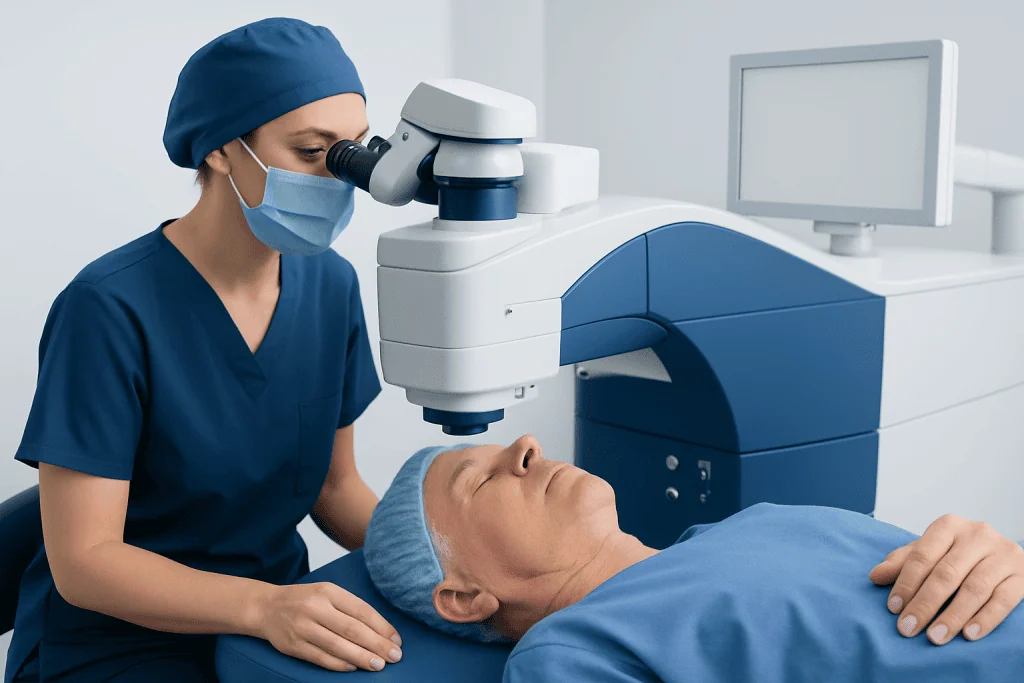
Age matters because the eyes continue to develop through childhood and adolescence. During the teenage years, it is common for glasses or contact lens prescriptions to change as the eyes grow. If LASIK is performed before vision becomes stable, the refractive error may continue to shift afterward, which can reduce the long-term benefit of the procedure.
For this reason, many ophthalmologists look for a stable prescription for at least 12 months, and sometimes longer. Stability means there has been little or no meaningful change in the patient’s glasses or contact lens prescription over time. This is one of the main reasons someone who is 19 may be a better candidate than someone who is 18, even though both are adults.
Age also matters at the other end of adulthood. As people get older, normal age-related eye changes can affect the usefulness of LASIK alone. For example, after the age of about 40, many adults begin to develop presbyopia, an age-related loss of near focusing ability. LASIK can still be helpful in selected patients, but treatment planning may need to consider presbyopia treatment strategies and future eye health needs.
Who May Be a Good Candidate for LASIK

A good LASIK candidate is usually at least 18 years old, has a stable prescription, and has healthy eyes overall. The cornea should have adequate thickness and shape, because LASIK reshapes the corneal surface to improve focus. The person should also have realistic expectations about what the procedure can and cannot achieve.
LASIK may be appropriate for people with nearsightedness, farsightedness, or astigmatism within treatable ranges. In addition to measuring the prescription, the ophthalmologist checks the tear film, corneal curvature, pupil size, and detailed eye health. This full examination helps identify whether laser vision correction is likely to be safe and effective.
Some people are not ideal candidates for LASIK but may still be suitable for other refractive approaches. Alternatives may be considered if the cornea is thin, dry eye symptoms are significant, or the prescription pattern is not ideal for LASIK. Evaluation through general ophthalmology and refractive surgery consultation helps match the treatment to the individual rather than trying to fit every patient into one procedure.
Reasons Someone May Need to Wait
Even if a person has reached the minimum age, an eye surgeon may recommend waiting. The most common reason is a changing prescription. If glasses or contact lens power has changed recently, waiting can improve the chance of a more stable and satisfying result.
Eye health conditions can also delay or prevent LASIK. Examples include severe dry eye, active eye infection, uncontrolled inflammation, or corneal disorders such as keratoconus. In these situations, protecting long-term eye health comes first, and another treatment plan may be safer.
General health and hormonal changes can matter too. Pregnancy and breastfeeding may temporarily affect vision and tear production, so many doctors advise waiting until these changes settle. Certain autoimmune conditions, poorly controlled diabetes, and medications that affect healing may also influence whether and when LASIK is recommended.
- Recent changes in vision prescription
- Thin or irregular corneas
- Dry eye disease
- Pregnancy or breastfeeding
- Eye infection or inflammation
- Medical conditions that affect healing
How Doctors Decide if Age and Vision Are Right
A LASIK evaluation includes much more than a standard vision test. The ophthalmologist reviews the patient’s age, prescription history, contact lens use, medical history, and goals for vision correction. Corneal mapping and thickness measurements are especially important because they help determine whether the eye can safely undergo laser reshaping.
The exam may also include tear film testing, pupil measurements, refraction, and a detailed retinal and lens assessment. If contact lenses are worn regularly, the patient may be asked to stop wearing them for a period before testing, because lenses can temporarily change the corneal shape and affect accurate measurements.
During this visit, the doctor explains whether LASIK is appropriate now, whether it would be better to wait, or whether another procedure such as iLASIK or another laser-based approach may be more suitable. The goal is to choose the safest option with the best chance of long-term visual stability.
LASIK in the 20s, 30s, and Beyond
Many people have LASIK in their 20s or 30s because this is often when prescriptions have stabilized and the eyes are otherwise healthy. For suitable candidates, these years can be an ideal time to consider surgery, especially for those who want to reduce dependence on glasses or contact lenses for work, sports, or daily convenience.
LASIK can also be performed later in life, but age-related changes become more relevant. After around age 40, reading vision often begins to decline due to presbyopia. LASIK may still improve distance vision, but it does not stop the natural aging process of the eye. Some patients may still need reading glasses afterward, even if distance vision improves significantly.
Older adults should also be checked for other eye conditions that can affect treatment planning, such as cataracts. In some cases, lens-based procedures may be a better choice than corneal laser surgery. If age-related lens changes are present, a specialist may discuss options related to cataract surgery rather than LASIK alone.
Preparation, Self-Care, and Questions to Ask
Anyone thinking about LASIK can prepare by keeping records of past prescriptions, attending regular eye exams, and discussing any symptoms such as dryness, blurry vision fluctuations, or irritation. Contact lens users should mention how long they have worn lenses and what type they use, since lenses can affect the eye surface and preoperative measurements.
It is also helpful to have a clear understanding of personal goals. Some people want to improve distance vision for driving or sports, while others hope to reduce daily use of contact lenses or glasses. Understanding these goals helps the surgeon explain what LASIK can realistically achieve and whether another refractive procedure may be more appropriate.
Useful questions include whether the prescription is stable enough, whether the cornea is suitable, what side effects may occur, and whether age-related changes are likely to affect the result over time. Near the end of the care journey, patients who travel for treatment may appreciate coordinated support; Acibadem International’s multidisciplinary specialists and JCI-accredited hospitals evaluate and treat eye conditions for international patients.
When to See an Eye Doctor About LASIK
It is a good idea to see an eye doctor for a LASIK consultation when vision has been stable and there is interest in reducing reliance on glasses or contact lenses. A consultation is especially useful if the person is at least 18 and wants to know whether now is the right time or whether waiting may lead to a better long-term outcome.
Medical advice should also be sought if there are symptoms that could affect candidacy, such as dry eye, frequent prescription changes, eye pain, redness, or poor night vision. These issues do not always rule out laser vision correction, but they do need proper evaluation before any procedure is planned.
Professional assessment is important because many factors can influence the safest choice. Even when LASIK is not recommended, another treatment may still help improve vision. A personalized consultation can clarify the options and guide the next step with confidence.
Frequently asked questions
Can someone get LASIK at 18?
Yes, 18 is generally the minimum age for LASIK in many places. However, being 18 does not automatically mean someone is a good candidate, because the prescription should also be stable and the eyes should be healthy.
Is 20 a good age for LASIK?
For many people, age 20 can be a good time to consider LASIK if their prescription has stopped changing. A detailed eye exam is still needed to check corneal thickness, tear quality, and overall suitability.
Why do doctors sometimes recommend waiting until the early 20s?
Doctors may suggest waiting because vision can continue to change in the late teens. Waiting until the prescription is stable can improve the chance of a longer-lasting result.
Can LASIK be done after age 40?
Yes, LASIK can be done after 40 in selected patients. However, natural age-related changes such as presbyopia may affect near vision, so the treatment plan may need to be adjusted.
What matters more than age for LASIK candidacy?
Prescription stability, corneal health, tear film quality, and overall eye health are often more important than age alone. Medical history and expectations also play an important role in deciding whether LASIK is suitable.
Can teenagers get LASIK?
LASIK is usually not recommended for teenagers because their eyes and prescriptions are often still changing. In rare special circumstances, an ophthalmologist may discuss other approaches, but routine LASIK generally waits until adulthood.
This article is for general information only and is not a substitute for professional medical advice. Please consult a qualified doctor about your individual situation.
LASIK in Turkey — costs, top hospitals & a free quote
JCI-accredited · board-certified surgeons · reply within 24h
Add us as a Preferred Source to see more of our trusted health content across Google Search, AI Overviews and Discover.

Related Treatments
More from the Health Library

LASIK Eye Surgery: How It Improves Nearsightedness

iLASIK vs IntraLase: Are These Laser Eye Procedures Different?
Vision Laser Treatment: Options for Clearer Sight

Diabetic Retinopathy: Eye Screening, Vision Changes, and Treatment

Can LASIK Fix Astigmatism? What Results Are Possible