

How to Choose the Right Center for Plastic Surgery

Board certification, specialist training, and procedure-specific experience are essential when choosing a plastic surgery center. A reputable center should be transparent about risks, expected results, recovery, and total costs.
Key Takeaways
- Board certification, specialist training, and procedure-specific experience are essential when choosing a plastic surgery center.
- A reputable center should be transparent about risks, expected results, recovery, and total costs.
- Hospital standards, anesthesia safety, infection control, and emergency support matter as much as surgical skill.
- Before-and-after photos can be helpful, but they should never replace a full medical assessment and consultation.
- International patients should pay close attention to travel planning, communication support, and follow-up arrangements.
Choosing the right center for plastic surgery means looking beyond price or photos alone. A safe, high-quality choice depends on qualified surgeons, accredited facilities, clear communication, realistic planning, and reliable aftercare.
Overview: What Makes a Plastic Surgery Center the Right Choice
To choose the right center for plastic surgery, patients should look for a combination of medical expertise, safety standards, honest communication, and organized follow-up care. Plastic surgery includes both cosmetic procedures and reconstructive treatment, so the best center is not simply the one with the most advertising or the lowest price. It is the one that can evaluate each person carefully and recommend an appropriate, evidence-based plan.
A high-quality center usually brings together plastic surgeons, anesthesiologists, nurses, imaging teams, and recovery specialists who work in a coordinated way. This matters because good results depend on more than the operation itself. Preoperative evaluation, safe anesthesia, careful surgical planning, and postoperative monitoring all play important roles in reducing complications and supporting recovery.
Patients may seek surgery for many reasons, such as body contouring, facial refinement, breast surgery, or reconstruction after injury, illness, or congenital differences. For example, some people need reconstructive care after burns, while others may explore aesthetic procedures such as breast augmentation or liposuction. The right center should adapt its recommendations to the patient’s health, anatomy, goals, and expectations rather than offering a one-size-fits-all approach.
Credentials and Experience to Check First

One of the most important steps is verifying the surgeon’s qualifications. Patients should look for a physician who is trained in plastic, reconstructive, and aesthetic surgery and who performs the procedure regularly. Board certification or national specialist recognition, depending on the country, can help confirm formal training and standards. It is also reasonable to ask how often the surgeon performs the specific operation being considered.
Experience should be procedure-specific. A surgeon may be highly skilled overall but still have different levels of experience in different operations. Someone seeking a breast lift should ask about outcomes and recovery for that procedure, just as a patient considering facial surgery should ask about the surgeon’s background in facial anatomy and technique.
It can also be helpful to ask whether the center treats both cosmetic and reconstructive cases. This may indicate broader surgical expertise, especially for patients with complex needs such as scar revision, asymmetry, previous surgery, or conditions like microtia. Patients should feel comfortable asking direct questions about credentials, complication management, and the team involved in their care.
- Confirm specialist training in plastic surgery.
- Ask about experience with the exact procedure.
- Review whether the surgeon operates in accredited hospitals or licensed surgical facilities.
- Find out who will provide anesthesia and postoperative care.
Why Facility Safety and Hospital Standards Matter
A center’s facility standards are just as important as the surgeon’s experience. Surgery should take place in a properly licensed, accredited, or otherwise regulated setting with clear safety protocols. Patients can ask about sterilization procedures, infection prevention, anesthesia monitoring, blood testing when needed, and what happens if unexpected complications arise.
For some procedures, an office-based setting may be appropriate, while others are better performed in a hospital. The right environment depends on the complexity of the surgery, the patient’s health, and whether overnight observation may be necessary. Patients with chronic conditions, previous surgical complications, or multiple planned procedures may benefit from a center with full hospital resources.
It is also important to know who will be present during and after surgery. Safe centers have trained anesthesia professionals, recovery staff, and protocols for emergencies. JCI-accredited hospitals, where available, may offer reassurance about structured quality and patient safety processes. A well-prepared center will discuss these points openly rather than avoiding them.
How to Evaluate Consultations, Communication, and Trust
The consultation is often the clearest sign of a center’s quality. A good consultation should feel thorough, respectful, and unhurried. The surgeon or care team should ask about medical history, medications, allergies, smoking, previous operations, and personal goals. They should also examine the area carefully and explain whether the desired result is realistic.
Clear communication matters especially in aesthetic surgery, where expectations can strongly affect satisfaction. Patients should be cautious if they feel pressured to book quickly, add extra procedures, or make decisions before they fully understand the risks and recovery. A trustworthy center explains what surgery can improve, what it cannot change, and what scars, swelling, or healing time may realistically involve.
Photos and digital simulations may be used as educational tools, but they should not be presented as guarantees. The team should provide balanced information on likely benefits, common side effects, possible complications, and alternatives such as non-surgical treatments or delaying surgery. Good communication also includes practical planning, such as how pain control, wound care, and follow-up visits will be handled.
Comparing Procedures, Results, and Costs Responsibly
Patients naturally want to compare centers based on results. Before-and-after photographs can be useful if they show patients with similar anatomy and are explained honestly. However, photos do not show the full picture. They cannot reveal how carefully a patient was screened, whether the result is long-lasting, how the recovery felt, or how complications were managed if they occurred.
It is wise to ask what techniques are used and why one option may be preferred over another. For example, breast reshaping may involve different methods depending on breast size, skin quality, and whether implants are desired, while body contouring options may differ after major weight loss. Some patients may also need reconstructive support, as in facial trauma or congenital conditions, rather than purely cosmetic treatment.
Cost should be transparent and itemized as much as possible. Patients should ask whether the quoted price includes surgeon fees, anesthesia, hospital or facility charges, implants if relevant, compression garments, laboratory tests, medication, and follow-up appointments. Very low prices can be tempting, but they may reflect lower safety standards, limited aftercare, or hidden additional costs. Value in plastic surgery is closely tied to expertise and safety, not just affordability.
Special Considerations for International Patients
People traveling abroad for surgery should evaluate the center even more carefully. International patients may have limited time for consultation and recovery, so organization becomes especially important. The center should provide clear communication in a language the patient understands, written instructions, help with scheduling, and realistic advice about how long to stay before traveling home.
Travel-related issues can affect safety and comfort. Long flights may not be recommended immediately after some operations because swelling, discomfort, and reduced mobility can increase risks. Patients should ask when it is medically appropriate to fly, whether they will need compression garments, and what warning signs should prompt urgent medical review while traveling.
Follow-up planning is essential. Before booking surgery abroad, patients should know who to contact after discharge, how virtual reviews are handled, and whether a local doctor may be needed once they return home. Near the end of the decision process, some patients also prefer centers that can offer broad multidisciplinary care in one place. Acibadem International’s multidisciplinary specialists and JCI-accredited hospitals diagnose and treat plastic and reconstructive concerns for international patients, including procedures such as aesthetic breast surgery and reconstructive services like auricular reconstruction.
Warning Signs to Avoid and Questions to Ask
Certain warning signs should make patients pause and seek more information. These include promises of guaranteed results, pressure to decide immediately, vague answers about qualifications, reluctance to discuss risks, and poor explanations of aftercare. A center should never make a patient feel rushed or dismissed when asking reasonable questions.
Another concern is when the treatment recommendation seems driven more by trends than by the patient’s anatomy or health. Social media can create unrealistic expectations and may highlight only ideal outcomes. The right center helps patients make decisions based on clinical evaluation, not viral images or temporary fashion.
Useful questions include:
- What are the surgeon’s qualifications and how often is this procedure performed?
- Where will the surgery take place and who will provide anesthesia?
- What are the common risks, recovery stages, and expected scars?
- What happens if a revision or urgent medical review is needed?
- How many follow-up visits are included and who can be contacted after hours?
If the answers are clear, consistent, and medically grounded, patients can feel more confident in their decision. If not, seeking a second opinion is a sensible and often helpful step.
Making the Final Decision
The final choice should come from a balanced assessment of safety, experience, communication, and personal comfort. Patients often benefit from comparing more than one center and taking time to review the recommendations calmly. A reputable team will respect that process and support informed decision-making.
It is also important for patients to reflect on their own goals and readiness. Elective plastic surgery is best approached when expectations are realistic, general health is optimized, and recovery time has been planned properly. Stopping smoking if advised, managing chronic conditions, and arranging support at home can all improve healing.
Choosing the right center for plastic surgery is ultimately about trust built on evidence. When a center demonstrates strong credentials, high safety standards, clear communication, and dependable follow-up, patients are in a better position to move forward with confidence and appropriate expectations.
Frequently asked questions
How can someone know if a plastic surgeon is qualified?
A qualified plastic surgeon should have recognized specialist training in plastic, reconstructive, and aesthetic surgery and should perform the planned procedure regularly. Patients can ask directly about certification, procedure-specific experience, and where the surgery will take place.
Is the cheapest plastic surgery center a good option?
Low price alone should not guide the decision. A very low quote may reflect limited aftercare, lower facility standards, or costs that are not included upfront. Safety, expertise, and transparency are usually better indicators of value.
What should happen during a plastic surgery consultation?
A proper consultation should include a medical history review, physical assessment, discussion of goals, explanation of risks and benefits, and a realistic conversation about expected results. Patients should leave with clear information, not pressure to book immediately.
Are before-and-after photos enough to choose a center?
No. Photos can be helpful, but they do not show the full story about safety, healing, patient selection, or long-term results. They should be viewed as one part of a broader assessment that includes credentials, consultation quality, and aftercare.
Why is follow-up care so important after plastic surgery?
Follow-up visits help the team monitor healing, manage swelling or discomfort, and identify complications early if they occur. Good aftercare also supports scar management, activity guidance, and patient reassurance during recovery.
What extra points matter for patients traveling abroad for surgery?
International patients should ask about language support, travel timing, length of stay, emergency contacts, and how postoperative reviews will be handled after they return home. Clear planning is especially important because recovery continues after discharge.
References
- American Society of Plastic Surgeons
- International Society of Aesthetic Plastic Surgery
- World Health Organization
- Joint Commission International
- National Health Service
This article is for general information only and is not a substitute for professional medical advice. Please consult a qualified doctor about your individual situation.
Explore treatments in Turkey — costs, top hospitals & a free quote
JCI-accredited · board-certified surgeons · reply within 24h
Add us as a Preferred Source to see more of our trusted health content across Google Search, AI Overviews and Discover.

Related Treatments
Related Conditions
More from the Health Library



Related Specialists
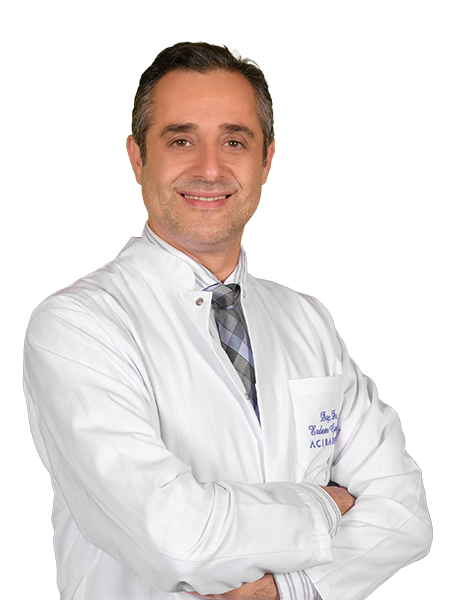
Assoc. Prof. Dr. Erdem Güven (m)
Aesthetic Plastic & Reconstructive Surgery
Prof. Dr. Şükrü Yazar
Aesthetic Plastic & Reconstructive Surgery
Prof. Dr. Hakan Ağır
Aesthetic Plastic & Reconstructive Surgery
Prof. Dr. Bülent Saçak
Aesthetic Plastic & Reconstructive Surgery