

How to Choose the Right Endocrinologist or Endocrine Center

An endocrinologist diagnoses and treats hormone-related conditions such as thyroid disease, diabetes, pituitary disorders, and calcium problems. The right specialist often depends on the exact condition, age, symptoms, and whether advanced testing or multidisciplinary care is needed.
Key Takeaways
- An endocrinologist diagnoses and treats hormone-related conditions such as thyroid disease, diabetes, pituitary disorders, and calcium problems.
- The right specialist often depends on the exact condition, age, symptoms, and whether advanced testing or multidisciplinary care is needed.
- Experience, board certification, access to imaging and laboratory services, and clear communication are important factors to compare.
- A strong endocrine center coordinates care with surgeons, radiologists, dietitians, and other specialists when needed.
- Patients should prepare for the first visit by bringing test results, medication lists, symptom history, and questions about treatment goals.
Choosing the right endocrinologist or endocrine center can make diagnosis, treatment, and long-term follow-up more effective and less stressful. The best choice usually depends on a person’s condition, the specialist’s experience, access to testing, and how clearly the care team communicates.
Overview: What an Endocrinologist Does
An endocrinologist is a doctor who specializes in the body’s hormone-producing glands and the conditions that affect them. These glands include the thyroid, pancreas, pituitary, adrenal glands, parathyroid glands, ovaries, and testes. Because hormones influence energy, metabolism, growth, fertility, mood, bone health, and blood sugar, endocrine disorders can affect many parts of daily life.
People are often referred to an endocrinologist for conditions such as diabetes, thyroid nodules, unexplained weight changes, menstrual irregularities, osteoporosis, fertility-related hormone issues, low testosterone, pituitary disorders, or calcium imbalance. Some common examples include prediabetes, thyroid nodules, and high calcium levels. In some cases, an endocrinologist confirms that symptoms are not due to a hormone disorder and guides the patient toward the right next step.
Choosing the right endocrinologist or endocrine center matters because hormonal conditions may need detailed evaluation over time rather than a single test or one visit. A good specialist helps connect symptoms, test results, imaging, and lifestyle factors into a clear plan. This can improve confidence in the diagnosis and support more consistent long-term care.
Who May Need an Endocrinologist or Endocrine Center

Not everyone with a hormone-related symptom needs subspecialty care right away, but some situations make referral especially helpful. A person may benefit from seeing an endocrinologist if symptoms are persistent, the diagnosis is unclear, standard treatment is not working as expected, or test results suggest a more complex condition. Endocrinology input is also valuable when several hormone systems may be involved at the same time.
Common reasons for referral include difficult-to-control diabetes, thyroid enlargement, adrenal masses, pituitary abnormalities, unexplained fatigue, repeated low blood sugar episodes, osteoporosis at a younger age, infertility linked to hormone imbalance, or problems such as hypogonadism. Children, pregnant women, and older adults may especially benefit from clinicians with experience in those specific groups, because treatment choices can differ by life stage.
An endocrine center may be more suitable than a single office when a person needs coordinated care from several specialists. For example, a patient with a thyroid nodule may need ultrasound, biopsy, lab testing, and discussion with an endocrine surgeon or radiologist. Someone with diabetes may also need nutrition counseling, eye screening, kidney monitoring, and education on glucose management. In these situations, a center with integrated services can make care more efficient.
How to Evaluate Qualifications and Experience

One of the first things to look for is appropriate training and professional certification. In general, patients should look for a physician trained in internal medicine or pediatrics followed by advanced endocrinology training, with board certification where applicable in their country. This does not guarantee a perfect fit, but it does show that the doctor has completed structured specialty education and assessment.
Experience with the specific condition is just as important as general endocrine training. Endocrinology covers many different disorders, and a doctor who regularly manages thyroid disease may have a different day-to-day focus than one who mainly treats diabetes, pituitary conditions, or metabolic bone disease. It is reasonable to ask how often the specialist evaluates cases similar to yours and whether the center has protocols for complex or less common conditions.
Patients may also want to consider whether the specialist works within a multidisciplinary team. Hormone-related care can overlap with gynecology, fertility medicine, radiology, surgery, cardiology, nephrology, nutrition, and mental health support. A center that can coordinate consultations, discuss cases in team meetings, and arrange follow-up testing often provides a smoother experience, especially for conditions that are difficult to diagnose or monitor.
Practical factors also matter. These include appointment availability, language support, telemedicine options for follow-up, responsiveness to questions, and how clearly the office explains test results. A highly qualified specialist is most helpful when the patient can also access and understand the care plan.
What to Look for in an Endocrine Center
An endocrine center should offer more than specialist consultations. Strong centers usually provide reliable laboratory testing, hormone assays, thyroid ultrasound, bone density testing, and access to MRI or CT imaging when needed. When advanced diagnostics are available in one system, results can often be reviewed more quickly and compared more consistently over time.
It is also helpful to look at how the center handles common endocrine pathways. For thyroid conditions, this may include ultrasound-guided biopsy and collaboration with endocrine surgery. For diabetes, it may include education on monitoring, medication adjustment, and dietary counseling. For pituitary or adrenal concerns, it may include radiology review, dynamic hormone testing, and access to neurosurgery or other specialty teams when necessary.
Some patients need procedural or surgical support as part of endocrine care. In those cases, integrated referral pathways can be valuable. Depending on the diagnosis, a specialist may coordinate with teams providing thyroid biopsy, thyroid surgery, or pituitary tumor surgery. Having these services connected does not mean every patient will need them, but it can make decision-making easier if the situation changes.
International patients may also wish to consider accreditation, care coordination, interpreter support, and help with medical records. Near the end of the care journey, practical organization can be just as important as medical expertise. Acibadem International’s multidisciplinary specialists and JCI-accredited hospitals diagnose and treat endocrine conditions for international patients, with coordinated evaluation when more than one service is needed.
Questions to Ask Before Making an Appointment
Patients do not need medical training to assess whether a specialist may be a good fit. A few focused questions can be very helpful before booking a visit. Asking these questions can clarify whether the endocrinologist treats the condition regularly, how the center approaches diagnosis, and what the follow-up process is likely to involve.
Useful questions may include:
- Does the doctor frequently treat this specific hormone condition?
- What tests are usually needed, and can they be done at the same center?
- How are urgent problems or abnormal results communicated?
- Will other specialists be involved if imaging, biopsy, fertility care, or surgery is needed?
- How often are follow-up visits typically scheduled?
- Are telemedicine appointments available for results review or long-term monitoring?
It may also help to ask how treatment decisions are made. Some endocrine disorders can be managed with watchful follow-up, while others need medication, procedures, or surgery. A good specialist should be able to explain the options, expected benefits, possible side effects, and the reason one plan may suit a patient better than another.
Communication style matters. Patients should feel comfortable asking questions, discussing symptoms honestly, and saying when they do not understand a term or recommendation. A reassuring, organized explanation can be a sign that the clinician is prepared to support long-term care rather than only the first diagnosis.
Preparing for the First Endocrinology Visit
Being well prepared can help the first consultation be more productive. Patients should bring prior blood test results, imaging reports, pathology results if any, and a list of current medications and supplements. This is especially important in endocrinology, because over-the-counter vitamins, steroids, thyroid products, and herbal supplements can sometimes affect hormone levels or interfere with interpretation of tests.
It is useful to write down symptoms in advance, including when they started, whether they are constant or come and go, and anything that seems to make them better or worse. A family history of thyroid disease, diabetes, early osteoporosis, autoimmune disease, or endocrine tumors may also be relevant. Women may be asked about menstrual history, pregnancy plans, or menopause symptoms, and men may be asked about sexual health, energy levels, or fertility concerns.
Patients should also bring practical questions about goals and next steps. Examples include whether more testing is needed, how soon treatment decisions will be made, what side effects to watch for, and how often monitoring is necessary. For diabetes or insulin resistance, asking about lifestyle support and long-term prevention can be especially helpful.
Finally, patients should know that endocrine diagnoses are not always made in a single visit. Hormone levels can vary by time of day, illness, medication use, or stress, so repeat testing may sometimes be necessary. A careful, step-by-step approach is often a sign of good practice rather than delay.
Red Flags and Signs of a Good Fit
Most patients are looking for both medical expertise and a collaborative relationship. Positive signs include careful review of previous records, thoughtful explanations, a clear plan for testing and follow-up, and willingness to discuss uncertainty when more than one diagnosis is possible. Good endocrine care often feels structured: the patient understands what is known, what still needs investigation, and what the next checkpoint will be.
It may be wise to seek another opinion if the patient feels rushed, cannot get important questions answered, or receives treatment recommendations without a clear explanation of the diagnosis. Another concern is when a provider dismisses symptoms without reviewing previous test results, medications, or relevant history. Because endocrine symptoms can overlap with many other conditions, thoughtful assessment is important.
Delays in communication, repeated difficulty obtaining results, or poor coordination between specialists can also create unnecessary stress. While no clinic is perfect, a center should have a reliable process for sharing test findings and arranging appropriate follow-up. This is particularly important when evaluating conditions that may change over time, such as goiter, calcium disorders, pituitary problems, or suspected autoimmune thyroid disease.
In some cases, a second opinion is simply part of making an informed decision. This may be helpful before a major procedure, when test results are conflicting, or when symptoms continue despite treatment. Seeking another expert view can support confidence and does not usually interrupt ongoing care.
When to Seek Prompt Medical Advice
Although many endocrine issues develop gradually, some symptoms should be assessed promptly. Patients should seek timely medical attention for severe weakness, confusion, fainting, persistent vomiting, very high or very low blood sugar symptoms, sudden vision changes, severe headache with hormonal symptoms, or a rapidly enlarging neck mass. These symptoms do not always mean a serious endocrine emergency, but they do need proper evaluation.
People should also contact a doctor sooner if a known endocrine condition suddenly changes. Examples include a thyroid swelling that begins to affect swallowing, repeated hypoglycemia in diabetes, marked dehydration, new bone pain with calcium abnormalities, or symptoms suggesting a pituitary or adrenal problem. Prompt care can help prevent complications and guide urgent testing if needed.
For less urgent concerns, making a planned appointment is still worthwhile when symptoms persist or return repeatedly. Ongoing fatigue, unexplained weight change, hair or skin changes, menstrual irregularities, fertility concerns, reduced libido, tremor, heat or cold intolerance, or changes in thirst and urination can all justify endocrine review. A qualified specialist can help determine whether a hormone imbalance is present and what kind of treatment or follow-up is appropriate.
Frequently asked questions
What is the difference between an endocrinologist and a general physician?
A general physician manages a wide range of health concerns, while an endocrinologist focuses on hormone-related conditions such as diabetes, thyroid disease, adrenal disorders, and pituitary problems. Many people start with a primary care doctor and are referred to endocrinology if symptoms, test results, or treatment needs become more specialized.
When should someone see an endocrinologist?
A person may need an endocrinologist if they have persistent symptoms suggesting a hormone imbalance, an abnormal hormone test, or a condition that is not improving with routine treatment. Referral is also common for thyroid nodules, difficult-to-control diabetes, fertility-related hormone issues, osteoporosis, or calcium disorders.
How can a patient know if an endocrine center is good?
A good endocrine center usually has experienced specialists, reliable laboratory and imaging access, and clear follow-up systems. It is also helpful if the center can coordinate care with surgeons, radiologists, dietitians, and other specialists when needed.
Is it reasonable to get a second opinion from another endocrinologist?
Yes. A second opinion can be helpful if the diagnosis is unclear, symptoms continue despite treatment, or a major procedure is being considered. It can also reassure patients that the recommended plan has been carefully reviewed.
What should a patient bring to the first endocrinology appointment?
It is helpful to bring previous blood test results, imaging reports, pathology results if available, and a complete list of medicines and supplements. A written timeline of symptoms and a family history of endocrine conditions can also make the visit more productive.
Do all endocrine problems require surgery or long-term medication?
No. Many endocrine conditions can be monitored over time, treated with lifestyle changes, or managed with medication only when necessary. The right approach depends on the diagnosis, symptoms, test results, and whether the condition is stable or progressing.
References
- American Association of Clinical Endocrinology
- Endocrine Society
- American Diabetes Association
- National Institute of Diabetes and Digestive and Kidney Diseases
- American Thyroid Association
This article is for general information only and is not a substitute for professional medical advice. Please consult a qualified doctor about your individual situation.
Medical weight-loss options in Turkey — costs & eligibility
JCI-accredited · board-certified surgeons · reply within 24h
Add us as a Preferred Source to see more of our trusted health content across Google Search, AI Overviews and Discover.

Related Conditions
More from the Health Library



Related Specialists
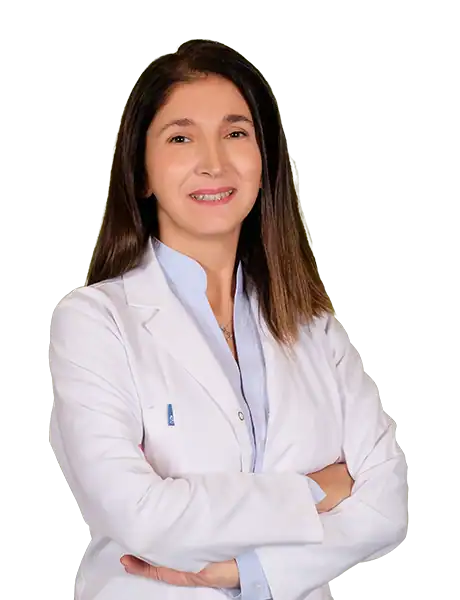
Prof. Dr. Neslihan Kurtulmuş
Endocrinology
Prof. Dr. İnan Anaforoğlu
Endocrinology
Assoc. Prof. Dr. Ayşenur Özderya
Endocrinology
Assoc. Prof. Dr. Müjdat Kara
Endocrinology