

How to Conceive: Medical and Lifestyle Factors That Affect Pregnancy

Pregnancy is most likely when intercourse happens in the fertile window around ovulation. Female and male fertility both affect conception, so evaluation may involve both partners.
Key Takeaways
- Pregnancy is most likely when intercourse happens in the fertile window around ovulation.
- Female and male fertility both affect conception, so evaluation may involve both partners.
- Age, weight, smoking, alcohol, stress, and chronic health conditions can influence fertility.
- Irregular periods, known reproductive conditions, or difficulty conceiving may need medical assessment.
- Many fertility problems can be treated with lifestyle changes, medication, or assisted reproductive techniques.
Learning how to conceive involves more than timing intercourse. Age, ovulation, sperm health, medical conditions, and daily habits all play important roles in pregnancy chances.
Overview: how conception happens
For pregnancy to occur, an egg must be released from the ovary, meet healthy sperm, and implant in the uterus. This process sounds simple, but it depends on many coordinated steps in the body. Understanding how to conceive begins with understanding ovulation, fertilization, and implantation.
In most menstrual cycles, ovulation happens about 12 to 16 days before the next period starts. Sperm can survive in the female reproductive tract for several days, while the egg usually lives for about 12 to 24 hours after ovulation. Because of this timing, pregnancy is most likely when intercourse takes place in the few days before ovulation and on the day of ovulation.
Conception can be affected by the health of the ovaries, fallopian tubes, uterus, cervix, and sperm. Hormones must also work properly to support ovulation and early pregnancy. Even in healthy couples, pregnancy may not happen immediately, so patience and good timing are often part of the process.
Timing and the fertile window

One of the most important parts of how to conceive is recognizing the fertile window. This usually includes the five days before ovulation and the day of ovulation itself. Having intercourse every one to two days during this time can improve the chance that sperm will be present when the egg is released.
People who have regular cycles may estimate ovulation based on cycle length, but the exact day can vary from month to month. Ovulation predictor kits, cervical mucus changes, and tracking basal body temperature may help identify the fertile period. Clear, stretchy cervical mucus often appears near ovulation and may be a useful sign that fertility is highest.
Trying too hard to pinpoint one exact day is not always necessary. Regular intercourse throughout the fertile window is often more practical and less stressful. If cycles are irregular, it may be more difficult to predict ovulation, and medical advice can help clarify whether an ovulation problem is present.
Medical factors that can affect pregnancy
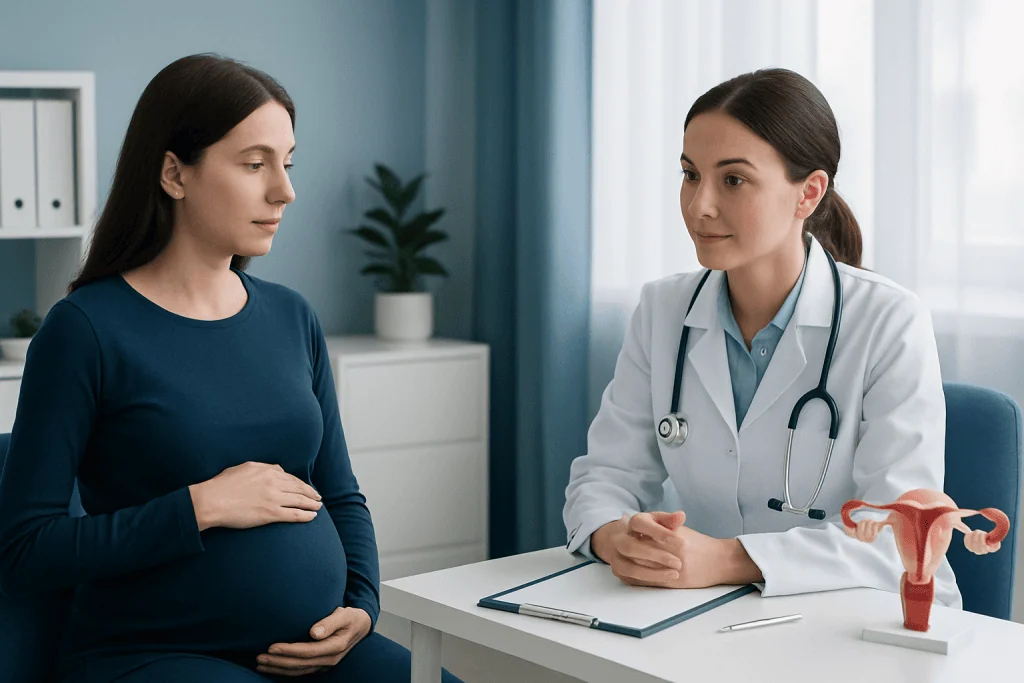
Several medical conditions may make conception harder. In women, common factors include ovulation disorders, blocked fallopian tubes, endometriosis, uterine abnormalities, and hormone conditions such as thyroid disease or elevated prolactin. Polycystic ovary syndrome is a frequent cause of irregular ovulation and may affect how easily pregnancy occurs; structured care for polycystic ovary syndrome can support fertility planning.
Some structural problems of the reproductive tract can also interfere with implantation or increase the chance of pregnancy loss. Examples include fibroids that distort the uterine cavity, scar tissue such as Asherman syndrome, or congenital differences such as a uterine septum. A history of infection, especially pelvic inflammatory disease, may damage the fallopian tubes and reduce the chance of natural conception.
Male fertility is equally important. Low sperm count, reduced sperm movement, abnormal sperm shape, hormonal disorders, varicocele, past infections, and certain medications can all affect fertility. Because conception depends on both egg and sperm, it is often helpful for both partners to be assessed when pregnancy does not happen as expected.
Lifestyle and age-related influences on fertility
Age is one of the strongest factors in fertility. Female fertility gradually declines with age, especially after the mid-30s, because both egg number and egg quality change over time. Male fertility can also decline with age, although the effect is often more gradual.
Body weight matters as well. Being significantly underweight or overweight can disrupt ovulation and hormone balance. In men, obesity may affect hormone levels, sexual function, and semen quality. A balanced eating pattern, regular physical activity, and adequate sleep can support overall reproductive health.
Smoking is linked to reduced fertility in both women and men. Excess alcohol, recreational drug use, exposure to some environmental toxins, and high heat around the testes may also affect conception. Stress alone is not usually the sole cause of infertility, but it can influence sleep, relationships, sexual frequency, and healthy routines, so managing stress may still be helpful.
General preconception health also matters. Managing diabetes, thyroid disease, high blood pressure, autoimmune conditions, and sexually transmitted infections before pregnancy can improve the chances of a safer conception and pregnancy journey. Reviewing current medications with a doctor is important, because some medicines may affect fertility or need adjustment before conception.
How doctors evaluate difficulty conceiving
If pregnancy does not occur after a period of trying, a medical evaluation can help identify the reason. In general, couples are often advised to seek assessment after 12 months of regular unprotected intercourse if the woman is under 35, or after 6 months if she is 35 or older. Earlier evaluation may be appropriate if there are irregular periods, known reproductive conditions, pelvic surgery, miscarriages, or male fertility concerns.
The evaluation usually begins with a detailed history and physical examination for both partners. Doctors may ask about menstrual cycles, prior pregnancies, miscarriages, infections, pain, sexual history, medications, and lifestyle habits. Blood tests may be used to assess hormone levels and ovulation, while ultrasound can look at the ovaries and uterus.
Additional testing may include semen analysis to examine sperm count and movement, imaging of the uterus and fallopian tubes, and sometimes more advanced procedures if needed. If there are signs of reduced ovarian function, conditions such as premature ovarian insufficiency may also be considered. A careful evaluation helps guide treatment and avoids unnecessary delays.
Treatment options when conception is difficult
Treatment depends on the cause. Some people benefit from lifestyle changes, treatment of thyroid disease or diabetes, stopping tobacco use, or reaching a healthier weight. Others may need medication to stimulate ovulation, treatment for infection, or surgery to correct a structural problem affecting the uterus or fallopian tubes.
When pregnancy does not occur naturally, fertility treatment may be recommended. Depending on the situation, this may include timed intercourse with ovulation support, insemination, or broader care for infertility. If male-factor infertility or severe fertilization problems are present, doctors may discuss ICSI or other laboratory-based approaches.
For some couples, IVF treatment offers the best chance of pregnancy, especially when there are blocked tubes, advanced maternal age, severe male-factor infertility, or unsuccessful prior treatments. Fertility care is individualized, and the most suitable approach depends on age, test results, duration of infertility, and personal preferences. In selected cases, Acibadem International’s multidisciplinary specialists at JCI-accredited hospitals provide diagnosis and treatment for international patients with fertility concerns.
Prevention, self-care, and when to seek medical advice
Not all fertility problems can be prevented, but some steps may support reproductive health. These include tracking cycles, having intercourse during the fertile window, taking folic acid before pregnancy, maintaining a balanced weight, limiting alcohol, avoiding smoking, and treating infections promptly. Vaccination review and preconception care are also useful before trying to conceive.
It is wise to seek medical advice sooner if periods are absent or very irregular, if there is known endometriosis or tubal disease, if pelvic pain is significant, or if there is a history of miscarriages. Men should also seek assessment if there are problems with erection, ejaculation, testicular pain, or a history of testicular surgery, chemotherapy, or undescended testes.
Urgent care is important for severe pelvic pain, fainting, or bleeding in early pregnancy, because these can be warning signs of problems such as ectopic pregnancy. Early assessment can improve safety and help couples move toward the most appropriate care plan with greater confidence.
Frequently asked questions
How long does it usually take to get pregnant?
For many healthy couples, pregnancy may take several months even when intercourse is timed well. It is common for conception not to happen in the first cycle, so a short delay does not necessarily mean there is a fertility problem.
What is the best time in the cycle to conceive?
The best time is the fertile window, which usually includes the five days before ovulation and the day of ovulation. Intercourse every one to two days during this period is often recommended to improve the chance of pregnancy.
Can irregular periods make it harder to conceive?
Yes. Irregular periods may mean ovulation is not happening regularly or predictably, which can make timing difficult and sometimes signals a hormone imbalance. A doctor can help identify the cause and discuss treatment if needed.
Does male fertility matter as much as female fertility?
Yes. Conception depends on healthy sperm as well as ovulation and uterine health, so both partners contribute to fertility. This is why semen analysis is often part of a standard infertility evaluation.
When should a couple see a doctor about not getting pregnant?
In general, a couple should seek advice after 12 months of regular unprotected intercourse if the woman is under 35, or after 6 months if she is 35 or older. Earlier evaluation is reasonable if there are irregular cycles, known medical conditions, prior miscarriages, or male fertility concerns.
Can lifestyle changes improve the chance of conception?
They can help in many cases. Stopping smoking, limiting alcohol, reaching a healthier weight, sleeping well, and managing chronic health conditions may support fertility and overall pregnancy readiness.
This article is for general information only and is not a substitute for professional medical advice. Please consult a qualified doctor about your individual situation.
IVF & fertility treatment in Turkey — success rates and costs
JCI-accredited · board-certified surgeons · reply within 24h
Add us as a Preferred Source to see more of our trusted health content across Google Search, AI Overviews and Discover.
Check your numbers in seconds
BMI, calories, due date, blood pressure and 30+ more clinical calculators — free, instant, doctor-reviewed ranges.

Related Treatments
Related Conditions
More from the Health Library

Male Age and IVF: Sperm Quality, Embryo Health, and Treatment Choices

How to Get Pregnant: Medical and Lifestyle Factors That Can Help

Empty Follicle Syndrome in IVF: Causes, Cycle Management, and Next Steps

Open vs Minimally Invasive IVF: What Changes for Patients?

IVF After Tubal Ligation: Options, Testing, and Success Factors

Tubal Factor Infertility: Blocked Fallopian Tubes and IVF Options
Gynecology & Obstetrics Specialists at Acibadem

Dr. Çağlar Yazıcıoğlu
Gynecology & Obstetrics
Dr. Canan Genim Erdem
Gynecology & Obstetrics
Dr. Cavide Ali
Gynecology & Obstetrics
Prof. Dr. Cem Demirel
Gynecology & Obstetrics