Hypertension: Early Signs, Causes, and How It Is Diagnosed

Hypertension often develops without noticeable symptoms. Diagnosis usually requires repeated blood pressure measurements, not a single reading.
Key Takeaways
- Hypertension often develops without noticeable symptoms.
- Diagnosis usually requires repeated blood pressure measurements, not a single reading.
- Lifestyle habits such as diet, weight management, exercise, and limiting salt can help control blood pressure.
- Some people also need medication to lower long-term risks to the heart, brain, kidneys, and blood vessels.
- Regular follow-up helps confirm that treatment is working safely and effectively.
Hypertension, or high blood pressure, is a common condition in which the force of blood against artery walls stays too high over time. It often causes no obvious symptoms, which is why regular blood pressure checks are important for early diagnosis and treatment.
Overview of Hypertension
Hypertension is the medical term for persistently high blood pressure. Blood pressure reflects how strongly blood pushes against the walls of the arteries as the heart pumps. When this pressure remains elevated over time, it can gradually damage blood vessels and place extra strain on the heart and other organs.
Many people think high blood pressure always causes warning signs, but that is often not the case. Hypertension is sometimes called a “silent” condition because it may be present for years without causing clear symptoms. Even when a person feels well, untreated hypertension can increase the risk of serious problems such as coronary artery disease, stroke, kidney disease, and heart failure.
Blood pressure is recorded with two numbers. The first, called systolic pressure, measures pressure when the heart contracts. The second, called diastolic pressure, measures pressure when the heart relaxes between beats. A doctor interprets these readings in the context of age, overall health, medical history, and repeated measurements over time.
Early Signs and Symptoms
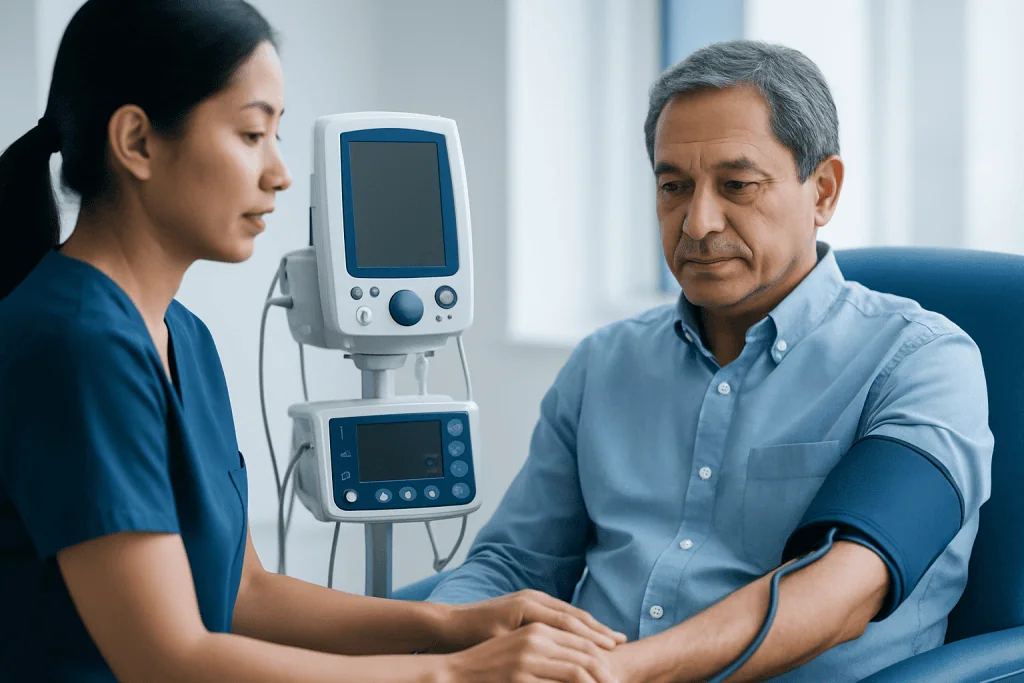
Most people with hypertension do not notice any symptoms in the early stages. That is why routine checkups and home blood pressure monitoring can be so valuable. A person may have elevated blood pressure for a long time before it is discovered during a regular examination, a pharmacy check, or an evaluation for another health concern.
When symptoms do happen, they are often nonspecific and may not be caused by blood pressure alone. Some people report headaches, dizziness, flushing, blurred vision, or a sensation of pounding in the chest or head. Others may notice tiredness or occasional heart palpitations, but these symptoms can also have many other causes.
Severely elevated blood pressure can sometimes lead to more urgent symptoms such as chest pain, shortness of breath, confusion, severe headache, or vision changes. These symptoms need prompt medical assessment because they may signal damage to important organs or another emergency. Still, the absence of symptoms does not mean blood pressure is normal.
Causes and Risk Factors
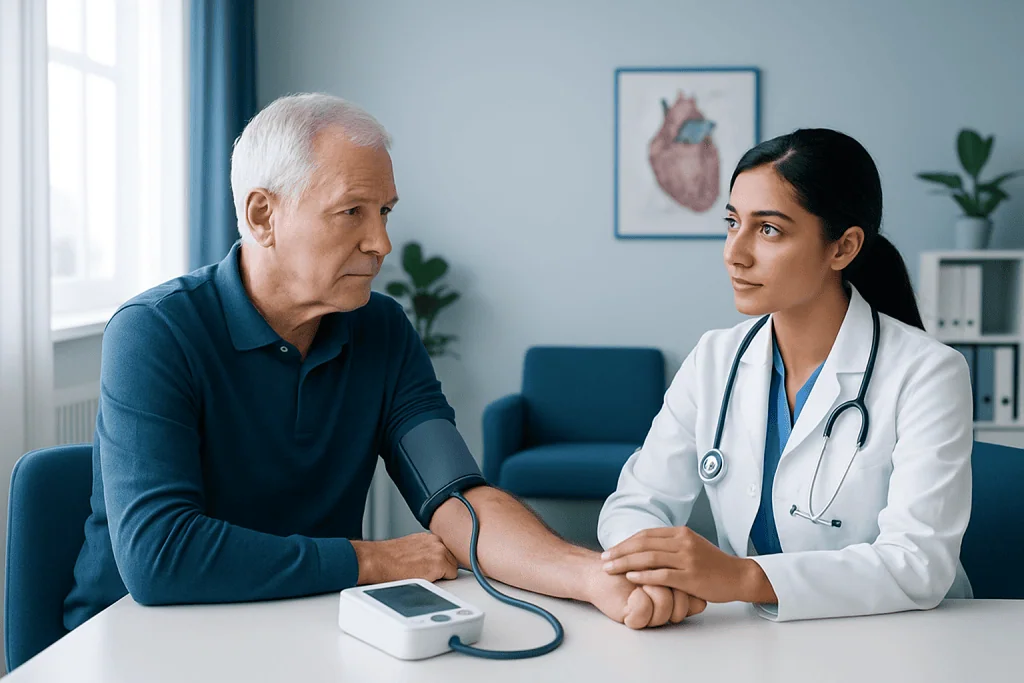
Hypertension can be divided into two broad types. Primary, or essential, hypertension is the most common form and develops gradually over time without a single identifiable cause. It is often linked to a combination of genetics, aging, lifestyle habits, and the way the body regulates salt, fluids, and blood vessel tone.
Secondary hypertension is high blood pressure caused by another medical condition or medication. Possible causes include kidney disease, hormone-related disorders, sleep apnea, pregnancy-related conditions, and narrowing of certain blood vessels. Some prescription medicines, over-the-counter drugs, and substances such as excess alcohol can also contribute.
Several factors increase the risk of developing hypertension:
- Family history of high blood pressure
- Older age
- Overweight or obesity
- Low physical activity
- High salt intake
- Smoking
- Heavy alcohol use
- Diabetes, kidney disease, or other cardiometabolic conditions
- Chronic stress and poor sleep
Because risk factors often occur together, doctors usually look at overall cardiovascular health rather than a single issue in isolation. In some people, hypertension is part of a wider pattern of cardiometabolic disorders that also includes abnormal blood sugar, excess weight, or cholesterol problems.
How Hypertension Is Diagnosed
Hypertension is diagnosed by measuring blood pressure carefully and repeatedly. One high reading does not always mean a person has chronic hypertension. Blood pressure can temporarily rise because of stress, pain, exercise, caffeine, or anxiety during a medical visit. For that reason, diagnosis usually depends on readings taken on more than one occasion.
During a clinic visit, the person is usually asked to sit quietly before the measurement. The cuff size should fit properly, and multiple readings may be taken. A doctor may also recommend home blood pressure monitoring or ambulatory blood pressure monitoring, which records blood pressure over 24 hours during normal daily activities. These methods can help identify white-coat hypertension, where readings are high in the clinic but not at home, or masked hypertension, where office readings appear normal but home readings are elevated.
Diagnosis does not end with the blood pressure number itself. The doctor also evaluates medical history, family history, lifestyle, and whether there are signs of damage affecting the heart, brain, kidneys, or eyes. Blood tests, urine tests, and an electrocardiogram may be used to look for contributing conditions or complications. In selected cases, imaging or other heart tests may be recommended if there is concern about related cardiovascular disease.
Patients who want a broader understanding of assessment and care may also review hypertension evaluation and treatment options as part of their discussion with a qualified specialist.
Treatment Options
The goal of hypertension treatment is to lower blood pressure safely and reduce the long-term risk of complications. Treatment depends on how high the blood pressure is, whether there is organ damage, and whether the person has other conditions such as diabetes, kidney disease, or established heart disease. For some people, lifestyle measures may be enough at first. Others benefit from medication from the time of diagnosis.
Common lifestyle recommendations include reducing salt intake, eating a balanced diet rich in vegetables and fruits, being physically active, limiting alcohol, stopping smoking, managing stress, and maintaining a healthy weight. These changes can support blood pressure control and improve overall heart health. They are useful even when medication is needed.
Several types of medicines are used to treat hypertension. A doctor chooses them based on the patient’s age, other medical conditions, possible side effects, and how well blood pressure responds. Some people need one medication, while others need a combination. Regular follow-up is important so treatment can be adjusted gradually and safely.
If hypertension has already contributed to other cardiovascular problems, additional treatments may be needed. For example, some patients may undergo tests such as coronary angiography when doctors suspect blocked heart arteries, and treatment plans may overlap with care for conditions such as myocardial infarction.
Prevention and Self-care
Although not every case can be prevented, many people can lower their risk of hypertension through healthy daily habits. Small, consistent changes often make a meaningful difference over time. Prevention is especially important for people with a family history of high blood pressure or other cardiovascular risk factors.
Helpful self-care steps include checking blood pressure regularly, taking prescribed medication exactly as directed, keeping follow-up appointments, and discussing side effects rather than stopping treatment without advice. Home monitoring can help patients understand patterns and see whether lifestyle changes or medication are working.
Other practical steps include:
- Choosing meals lower in salt and highly processed foods
- Staying active most days of the week
- Working toward a healthy body weight
- Prioritizing good sleep
- Reducing tobacco exposure
- Limiting alcohol intake
- Managing stress with sustainable techniques such as walking, breathing exercises, or relaxation practices
People who already have high blood pressure should remember that control is usually a long-term process rather than a short-term fix. Good control can reduce the chance of complications and support better quality of life.
When to See a Doctor
Anyone who has repeated high blood pressure readings should arrange a medical evaluation, even if they feel completely well. It is also wise to seek medical advice if there is a strong family history of hypertension, early heart disease, stroke, or kidney disease. A doctor can confirm whether blood pressure is truly elevated and help identify any underlying causes.
Prompt medical attention is especially important if high blood pressure is accompanied by chest pain, shortness of breath, weakness, severe headache, confusion, fainting, or sudden vision changes. These symptoms may indicate a medical emergency and should not be ignored.
Ongoing follow-up matters after diagnosis. Blood pressure targets, medication needs, and monitoring plans vary from person to person, so regular review helps keep treatment appropriate. Near the end of the care pathway, some international patients choose centers such as Acibadem International, where multidisciplinary specialists in JCI-accredited hospitals diagnose and treat hypertension and related cardiovascular conditions.
Frequently asked questions
Can hypertension exist without symptoms?
Yes. Hypertension often causes no noticeable symptoms, especially in the early stages. That is why routine blood pressure checks are important, even for people who feel healthy.
What is the difference between one high reading and a diagnosis of hypertension?
A single high reading does not always mean a person has chronic hypertension. Doctors usually confirm the diagnosis with repeated measurements over time, and sometimes with home or 24-hour monitoring.
Can stress alone cause hypertension?
Stress can temporarily raise blood pressure, but long-term hypertension usually has several contributing factors. These may include genetics, age, weight, diet, physical inactivity, and other health conditions.
Is hypertension treatable?
Yes. Hypertension can often be managed effectively with lifestyle changes, medication, or both. The right plan depends on the blood pressure level and the person’s overall health.
How often should blood pressure be checked?
The best schedule depends on age, medical history, and previous readings. People with known hypertension or higher risk may need more frequent checks, while others can follow routine screening advice from their doctor.
Can younger adults develop hypertension?
Yes. Although the risk tends to increase with age, younger adults can also develop high blood pressure. Family history, obesity, diet, stress, sleep problems, and certain medical conditions can all play a role.
This article is for general information only and is not a substitute for professional medical advice. Please consult a qualified doctor about your individual situation.
Hypertension in Turkey — costs, top hospitals & a free quote
JCI-accredited · board-certified surgeons · reply within 24h
Add us as a Preferred Source to see more of our trusted health content across Google Search, AI Overviews and Discover.
Check your numbers in seconds
BMI, calories, due date, blood pressure and 30+ more clinical calculators — free, instant, doctor-reviewed ranges.

Cardiology Department
Diagnosis and treatment of heart and vascular conditions, from prevention to advanced interventional procedures.
93 specialists in this unitRelated Treatments
Related Conditions
More from the Health Library

Atrial Fibrillation After CABG: Causes, Monitoring, and Treatment

Heart Bypass Surgery Second Opinion: Records to Bring and Questions to Ask

Permanent Pacemaker Recovery: Activity Limits, Wound Care, and Follow-Up

Chest Pain After Heart Bypass Surgery: Healing Pain or Warning Sign?

Robotic-Assisted Heart Bypass Surgery: Benefits, Limits, and Patient Selection