Intrauterine Insemination: IUI Candidates, Process, and Outcomes

IUI is a less invasive fertility treatment that can be done in a natural cycle or with ovulation medication. Good candidates often include people with unexplained infertility, mild male-factor infertility, ovulation problems, or those using donor sperm.
Key Takeaways
- IUI is a less invasive fertility treatment that can be done in a natural cycle or with ovulation medication.
- Good candidates often include people with unexplained infertility, mild male-factor infertility, ovulation problems, or those using donor sperm.
- Before IUI, doctors usually assess ovulation, ovarian reserve, semen quality, and whether the fallopian tubes are open.
- Success depends on age, diagnosis, sperm quality, tubal health, medication use, and the number of previous attempts.
- If IUI is unlikely to help or has not worked after several cycles, IVF or another treatment may be recommended.
Intrauterine insemination, often called IUI, is a fertility treatment that places prepared sperm directly into the uterus around ovulation. It may be suitable for selected couples or individuals when at least one fallopian tube is open and the sperm sample has enough motile sperm after preparation.
Overview
Intrauterine insemination is a commonly used assisted reproduction procedure in which a carefully prepared sperm sample is placed inside the uterus near the time of ovulation. The aim is to increase the number of healthy, moving sperm that reach the fallopian tube, where fertilization may occur naturally if an egg is present. IUI does not involve removing eggs from the ovaries or fertilizing them in a laboratory, so it is simpler than in vitro fertilization.
IUI may be performed in a natural menstrual cycle or combined with medications that help the ovaries develop one or more mature follicles. Monitoring with ultrasound and sometimes blood tests helps the fertility team time the procedure accurately. The insemination itself is usually brief and is performed in an outpatient setting with a thin, flexible catheter passed through the cervix.
Although IUI can be a helpful first-line treatment for selected patients, it is not suitable for every cause of infertility. It depends on sperm being able to fertilize an egg inside the body and on the egg and sperm meeting in an open fallopian tube. For this reason, careful evaluation before treatment is important.
Who May Be a Candidate for IUI?
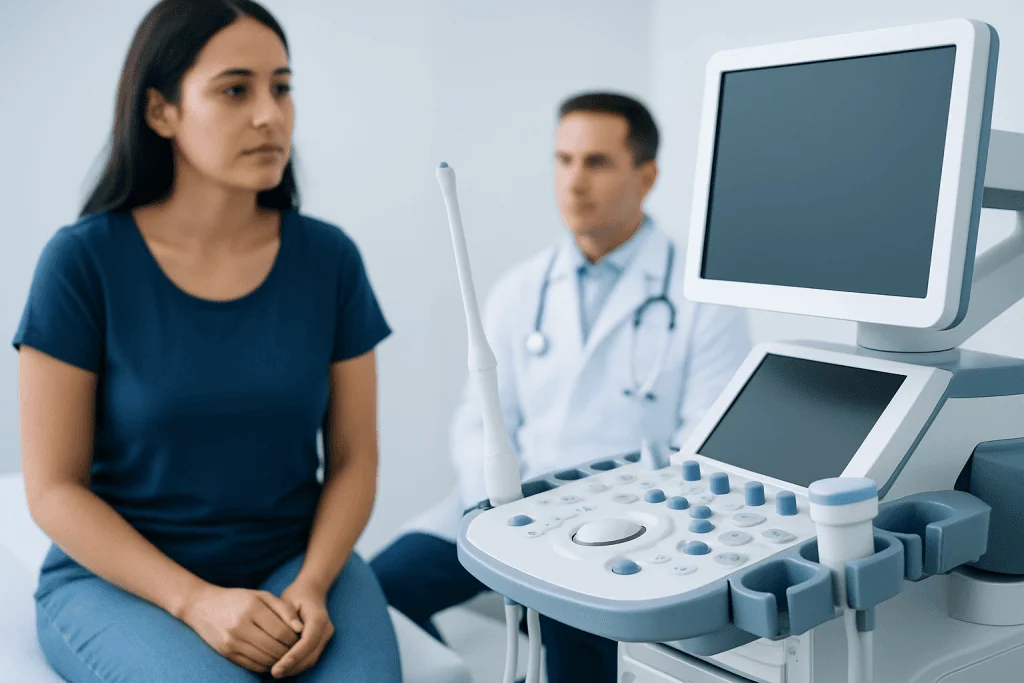
IUI may be considered when there is a reasonable chance that sperm can reach and fertilize an egg. It is often discussed for unexplained infertility, where standard tests do not reveal a clear cause, and for mild male-factor infertility, when sperm count or movement is reduced but still adequate after laboratory preparation. It can also help when cervical mucus problems or difficulties with intercourse make natural conception less likely.
People with ovulation disorders, such as irregular or infrequent ovulation, may benefit from IUI when it is combined with ovulation-inducing medication. IUI is also commonly used with donor sperm for single patients, same-sex female couples, or couples in which donor sperm is recommended for medical reasons. In all cases, the treatment plan should be individualized according to age, medical history, test results, and personal preferences.
IUI is generally less useful when both fallopian tubes are blocked, when there is severe male-factor infertility, or when ovarian reserve is very low. It may also be less effective in advanced reproductive age, depending on egg quantity and quality. In these situations, a fertility specialist may recommend IVF or another approach rather than spending time on treatments that have a low chance of success.
Tests and Preparation Before IUI
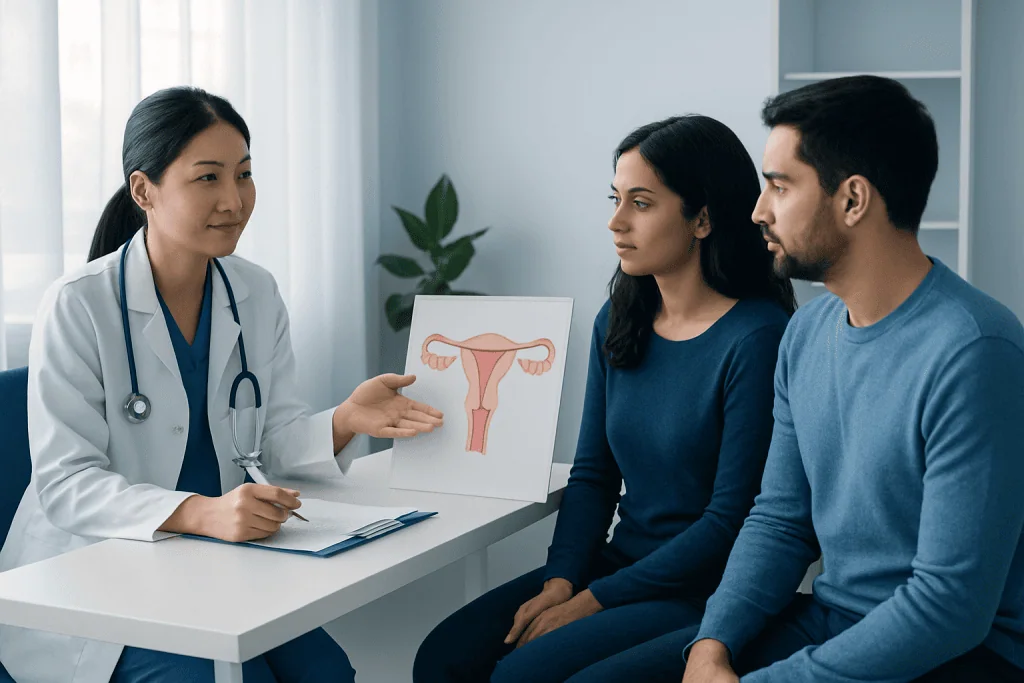
Before starting IUI, the fertility team usually reviews the patient’s menstrual history, previous pregnancies or fertility treatments, medical conditions, medications, and any pelvic surgery or infection history. A pelvic ultrasound may be used to assess the uterus and ovaries. Blood tests can help evaluate ovulation, hormone levels, thyroid function, and ovarian reserve when appropriate.
A semen analysis is an important part of preparation when a partner’s sperm will be used. The sample is assessed for sperm concentration, movement, and shape. On the day of IUI, the sample is processed in the laboratory to concentrate motile sperm and remove seminal fluid, non-moving sperm, and debris. This preparation helps provide a safer and more suitable sample for placement into the uterus.
Doctors also need to know whether at least one fallopian tube is open. This may be evaluated with imaging tests such as hysterosalpingography or other tubal assessment methods, depending on local practice and the patient’s history. If the uterus has fibroids, polyps, adhesions, or other findings that may affect implantation, additional evaluation or treatment may be recommended before IUI.
The IUI Process Step by Step
An IUI cycle begins with planning around ovulation. In a natural cycle, the patient may track ovulation with urine tests, ultrasound, or both. In a medicated cycle, tablets or injectable medications may be used to stimulate follicle development. Ultrasound monitoring allows the doctor to estimate when an egg is likely to be released and to reduce the risk of too many follicles developing.
When the leading follicle is mature, ovulation may occur naturally or be triggered with a medication injection, depending on the plan. The IUI is then scheduled around the expected time of ovulation. If partner sperm is used, a semen sample is usually provided on the day of the procedure and prepared by the laboratory. If donor sperm is used, a frozen sample is thawed and processed according to clinic protocols.
During the procedure, the patient lies on an examination table similar to a routine gynecologic visit. A speculum is placed in the vagina, and a thin catheter is passed through the cervix into the uterus. The prepared sperm sample is slowly injected. Most patients feel only mild cramping or pressure, and anesthesia is usually not needed. Normal activities can often be resumed shortly afterward unless the doctor gives different instructions.
Outcomes and Factors That Affect Success
IUI outcomes vary widely because fertility is influenced by many factors at the same time. Age is one of the most important predictors, especially the age of the person providing the egg. Diagnosis also matters: IUI may be more effective for ovulation problems or donor sperm use than for severe sperm abnormalities or significant tubal disease. The quality of the prepared sperm sample and the timing of insemination are also important.
The use of ovulation medication can improve the chance of ovulation and may increase the likelihood of pregnancy in some patients, but it must be balanced against the risk of multiple pregnancy. Multiple pregnancy can carry higher risks for the pregnant person and babies, so monitoring is important. If too many follicles develop, the doctor may advise canceling or changing the cycle for safety.
Many clinics reassess the treatment plan after several unsuccessful IUI cycles. Continuing IUI for too long may not be helpful if the likelihood of success is low. Depending on age, diagnosis, ovarian reserve, sperm findings, and previous attempts, IVF may offer a more appropriate next step because it allows eggs and sperm to be handled directly in the laboratory and embryos to be assessed before transfer.
Risks, Side Effects, and Self-Care
IUI is generally considered a low-risk procedure, but mild side effects can occur. Some patients notice light spotting, pelvic cramping, or temporary discomfort after the catheter is placed. Infection after IUI is uncommon because sterile technique is used, but any severe pain, fever, or unusual discharge should be reported to a doctor promptly.
The main risks are often related to fertility medications rather than the insemination procedure itself. Ovarian stimulation can lead to the development of more than one mature follicle, increasing the chance of twins or higher-order multiples. Rarely, the ovaries may respond strongly to medication, causing significant bloating or discomfort. Careful dosing and monitoring help reduce these risks.
Self-care during an IUI cycle is similar to general preconception care. Patients are usually advised to avoid smoking, limit alcohol, follow medical guidance about caffeine and medications, and take prenatal vitamins or folic acid if recommended. A balanced diet, regular moderate activity, and attention to sleep and stress management can support overall health, although they cannot guarantee pregnancy.
When to See a Fertility Specialist
A fertility consultation may be appropriate after 12 months of trying to conceive for people under 35, or after 6 months for those 35 or older. Earlier evaluation is recommended when there are irregular periods, known endometriosis, a history of pelvic infection or surgery, recurrent pregnancy loss, known sperm problems, or a need for donor sperm. Prompt assessment helps avoid unnecessary delays and allows the most suitable treatment to be chosen.
Patients should also seek medical advice if an IUI cycle is associated with severe pelvic pain, heavy bleeding, fever, fainting, or significant abdominal swelling. After the two-week wait, a pregnancy test should be performed according to the clinic’s instructions. If the test is positive, early follow-up confirms the pregnancy location and development; if it is negative, the care team can review next steps.
Acibadem International’s multidisciplinary fertility specialists and JCI-accredited hospitals diagnose and treat infertility for international patients, including assessment for IUI and IVF when appropriate. The best plan depends on careful evaluation, open discussion of options, and shared decision-making with a qualified fertility doctor.
Frequently asked questions
Is IUI painful?
Most patients describe IUI as similar to a Pap smear or routine pelvic examination. There may be mild cramping or pressure when the catheter passes through the cervix, but the procedure is usually brief and does not require anesthesia. Any severe or persistent pain should be discussed with a doctor.
How is IUI different from IVF?
In IUI, prepared sperm is placed inside the uterus, and fertilization must happen naturally inside the fallopian tube. In IVF, eggs are collected from the ovaries and fertilized with sperm in a laboratory, then an embryo is transferred to the uterus. IVF is more complex but may be more suitable for blocked tubes, severe male-factor infertility, or unsuccessful IUI cycles.
Can IUI be done without fertility medication?
Yes, IUI can be done in a natural cycle if the patient ovulates regularly. However, some patients benefit from medications that support or stimulate ovulation. The choice depends on age, diagnosis, ovarian reserve, risk of multiple pregnancy, and the doctor’s assessment.
How many IUI attempts are usually recommended?
There is no single number that is right for everyone. Many fertility teams review progress after several cycles and consider factors such as age, diagnosis, sperm quality, and emotional or financial burden. If the chance of success appears low, moving to IVF or another treatment may be advised.
Does IUI increase the chance of twins?
IUI itself does not greatly increase the chance of twins, but ovulation medications can lead to more than one egg being released. This increases the possibility of multiple pregnancy. Ultrasound monitoring helps doctors adjust medication or cancel a cycle if too many follicles develop.
When can a pregnancy test be taken after IUI?
Clinics usually recommend testing about two weeks after IUI, or as instructed by the fertility team. Testing too early may give a misleading result, especially if an ovulation trigger injection was used. A blood test may be recommended to confirm the result and guide follow-up.
References
- American Society for Reproductive Medicine
- European Society of Human Reproduction and Embryology
- National Institute for Health and Care Excellence
- World Health Organization
- Centers for Disease Control and Prevention
This article is for general information only and is not a substitute for professional medical advice. Please consult a qualified doctor about your individual situation.
Insemination in Turkey — costs, top hospitals & a free quote
JCI-accredited · board-certified surgeons · reply within 24h
Add us as a Preferred Source to see more of our trusted health content across Google Search, AI Overviews and Discover.
Check your numbers in seconds
BMI, calories, due date, blood pressure and 30+ more clinical calculators — free, instant, doctor-reviewed ranges.

IVF & Reproductive Health
Assisted reproduction and fertility treatments tailored to each couple.
Related Treatments
Related Conditions
More from the Health Library



Related Specialists

Prof. Dr. Bülent Tıraş
Gynecology & Obstetrics
Prof. Dr. Mete Güngör
Gynecology & Obstetrics
Prof. Dr. Faruk Suat Dede
Gynecology & Obstetrics
Prof. Dr. Tansu Küçük
Gynecology & Obstetrics