Is LASIK Worth It? Benefits, Costs, and Long-Term Results

LASIK reshapes the cornea to correct common refractive errors such as nearsightedness, farsightedness, and astigmatism. Many suitable candidates achieve clearer vision and greater convenience, but perfect vision without glasses cannot be guaranteed.
Key Takeaways
- LASIK reshapes the cornea to correct common refractive errors such as nearsightedness, farsightedness, and astigmatism.
- Many suitable candidates achieve clearer vision and greater convenience, but perfect vision without glasses cannot be guaranteed.
- The overall value of LASIK depends on candidacy, surgeon assessment, procedure costs, and the possibility of future age-related vision changes.
- Dry eye, glare, halos, and under- or over-correction are possible side effects, though serious complications are uncommon.
- A detailed eye examination is essential to decide whether LASIK or another vision correction option may be more appropriate.
LASIK can be a worthwhile option for many people who want less dependence on glasses or contact lenses, but it is not the right choice for everyone. The decision depends on eye health, vision goals, cost considerations, and a clear understanding of benefits, limitations, and long-term expectations.
Overview: Is LASIK Worth It?
When people ask whether LASIK is worth it, they are usually weighing convenience, safety, cost, and long-term satisfaction. LASIK is a laser vision correction procedure that reshapes the cornea, the clear front surface of the eye, so light focuses more accurately on the retina. For many adults, this can reduce or sometimes eliminate the need for glasses or contact lenses.
Whether LASIK is worth it depends on individual factors rather than a single yes-or-no answer. A person with stable vision, healthy corneas, and realistic expectations may feel the benefits are significant. Another person may be better served by glasses, contact lenses, or a different refractive procedure such as PRK or ReLEx SMILE.
It is also important to understand what LASIK can and cannot do. It can correct common refractive errors, but it does not stop the natural aging of the eyes. Even after successful LASIK, some people may still need reading glasses later in life or may notice vision changes related to other eye conditions.
A thoughtful decision starts with a professional eye examination and a conversation about goals, lifestyle, and eye health. In that sense, the real question is not only whether LASIK is worth it in general, but whether it is worth it for a particular person.
Benefits of LASIK
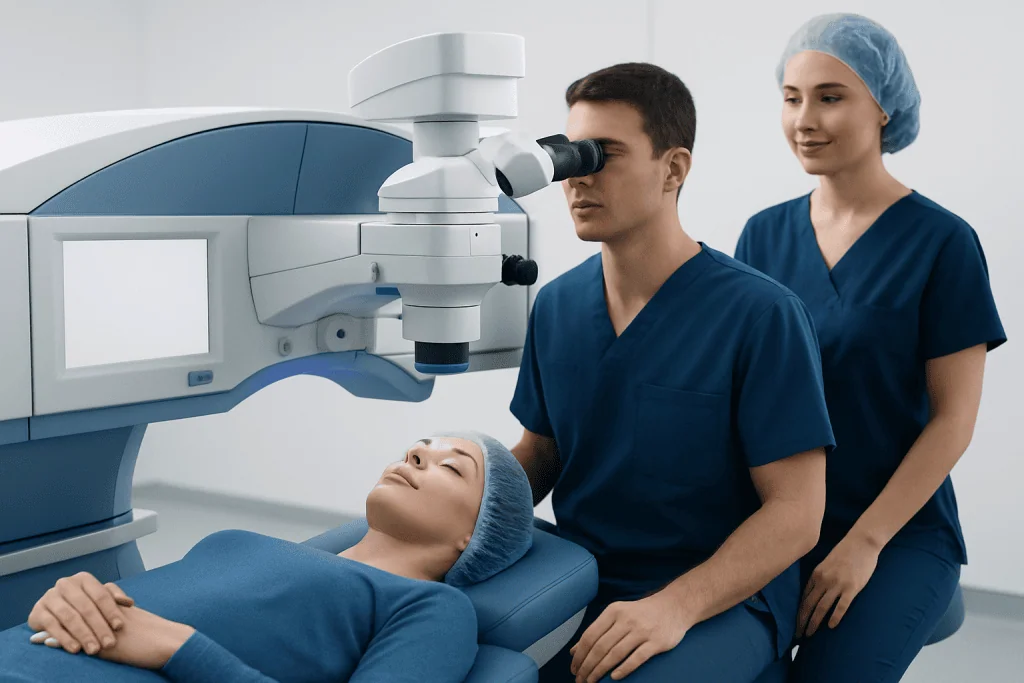
The main benefit of LASIK is reduced dependence on glasses or contact lenses. Many people appreciate the freedom it can bring in daily life, from exercising and traveling to working long hours without dry or irritated eyes from contact lens use. This convenience is often one of the strongest reasons patients consider the procedure.
LASIK recovery is usually relatively quick. Vision often improves within a short time, although it can take longer to stabilize completely. Compared with some other refractive procedures, many patients find the early recovery period manageable and are able to return to normal activities fairly soon, following their doctor’s advice.
For suitable candidates, LASIK can improve quality of life by making routine tasks simpler. People who swim, play sports, or work in environments where glasses fog or contacts are inconvenient may find the procedure especially valuable. In addition, modern laser technology and preoperative measurements have helped make treatment planning more precise.
LASIK may be used to treat:
- Nearsightedness
- Farsightedness
- Astigmatism
Still, the benefit is personal. Some people value visual independence highly, while others are comfortable with corrective lenses and may not feel the procedure offers enough practical advantage.
Costs and Value Over Time

Cost is one of the most important factors in deciding whether LASIK is worth it. LASIK is usually an out-of-pocket expense, and the total amount can vary depending on the clinic, the technology used, the surgeon’s experience, and what is included in follow-up care. Because pricing structures differ, patients should ask for a clear explanation of what the quoted fee covers.
Some people compare LASIK with the ongoing cost of glasses, prescription sunglasses, contact lenses, cleaning solutions, and replacement frames over many years. For those who regularly update prescriptions or use premium contact lenses, LASIK may seem financially reasonable over time. For others, especially if they are satisfied with simple glasses, the financial value may be less compelling.
It also helps to think beyond money alone. Value includes convenience, comfort, lifestyle, and personal priorities. A person who dislikes contact lenses or has an active job may see strong practical value in LASIK, while another person may prefer to avoid an elective procedure and continue with non-surgical correction.
Patients should be cautious about choosing based only on the lowest price. Experience, careful screening, and access to appropriate aftercare are important parts of quality care. A lower fee may not reflect the same level of testing, support, or individualized planning.
Long-Term Results and What to Expect
Long-term LASIK results are often good in appropriately selected patients, especially when vision was stable before surgery. Many people continue to enjoy clearer distance vision for years. However, long-term results are influenced by age, the original refractive error, corneal characteristics, and natural changes in the eyes over time.
It is important to know that LASIK does not prevent presbyopia, the age-related loss of near focusing ability that commonly develops in the 40s and beyond. This means a person who had excellent distance vision after LASIK may still need reading glasses later. LASIK also does not stop the development of other eye conditions such as cataracts or retinal disease.
Some people may have a small residual prescription or experience gradual changes that affect visual sharpness. In selected cases, an enhancement procedure may be considered, but not everyone is a candidate. Stable and healthy corneal tissue is essential before any additional laser treatment is discussed.
Overall, satisfaction tends to be highest when expectations are realistic. LASIK can reduce dependence on corrective lenses, but it should not be viewed as a guarantee of lifelong perfect vision in all situations, lighting conditions, or stages of life.
Risks, Side Effects, and Who May Not Be a Good Candidate
Like any medical procedure, LASIK has potential risks and side effects. Common temporary effects include dry eyes, glare, halos around lights, light sensitivity, and fluctuations in vision during healing. These symptoms often improve over time, but in some people they may last longer or remain bothersome.
There is also a chance of under-correction, over-correction, or irregular visual outcomes. Rarely, more serious complications can affect corneal healing or visual quality. This is why thorough preoperative screening is so important. Not everyone with a glasses prescription is automatically a good candidate for LASIK.
LASIK may be less suitable for people with thin or irregular corneas, unstable vision, significant dry eye, certain autoimmune conditions, or some corneal disorders. For example, a person with suspected or confirmed corneal weakness may need a different treatment approach, such as keratoconus treatment, rather than LASIK. Pregnancy, breastfeeding, and some medications can also affect candidacy because vision and healing may be less predictable.
Patients who have very high expectations, such as expecting guaranteed perfect vision under all conditions, may also need careful counseling. A good candidacy assessment looks at both medical safety and whether the likely outcome matches the person’s goals.
How Doctors Decide if LASIK Is Right
A LASIK consultation usually includes a detailed review of medical history, current prescription, visual symptoms, and lifestyle needs. Eye specialists check whether the prescription has been stable and whether the patient has any conditions that could affect healing or visual results.
Specialized tests measure corneal thickness, corneal shape, pupil size, tear film quality, and overall eye health. These tests help identify whether the cornea can safely be reshaped and whether there may be signs of disease or structural weakness. In some cases, another procedure such as LASEK may be discussed if it better suits the eye’s surface or corneal profile.
Doctors also look for conditions that may affect vision independently of refractive error. Cataracts, retinal problems, severe dry eye, or corneal disease can change the treatment plan. If a person has symptoms not explained by a simple refractive error, a broader eye evaluation may be needed before considering surgery.
The best decision is based on individualized advice, not promotional claims or assumptions. A careful surgeon will explain expected benefits, possible limitations, and alternatives so the patient can make an informed choice.
Alternatives, Self-Care, and When to Seek Medical Advice
LASIK is only one of several ways to correct vision. Glasses remain a simple, safe, and effective option for many people. Contact lenses can also work well when they are properly fitted and used with good hygiene. For those who are not ideal LASIK candidates, procedures such as PRK, LASEK, or other specialist treatments may be considered depending on the eye’s structure and visual needs.
Before and after any vision correction procedure, eye self-care matters. People should attend scheduled follow-up visits, use prescribed eye drops as directed, avoid rubbing the eyes, and protect their eyes from irritation during recovery. Long-term eye health also benefits from regular eye checks, especially as age-related changes develop.
Medical advice should be sought promptly if there is eye pain, sudden vision loss, worsening redness, increasing sensitivity to light, or symptoms that do not improve as expected after a procedure. These symptoms do not always mean a serious problem, but they need professional assessment. Anyone considering LASIK should also speak with a qualified eye specialist if they have chronic dry eye, previous eye surgery, or a history of eye disease.
For international patients seeking evaluation and treatment, Acibadem International’s multidisciplinary specialists and JCI-accredited hospitals provide assessment and care for refractive and other eye conditions. The most suitable option is always the one chosen after a careful, individualized discussion with an experienced doctor.
Frequently asked questions
How long do LASIK results usually last?
LASIK changes the shape of the cornea permanently, so the correction itself does not simply wear off. However, vision can still change over time because of aging, presbyopia, cataracts, or other eye conditions. Many people enjoy stable distance vision for years, but some may eventually need glasses again for certain tasks.
Is LASIK painful?
LASIK is usually not described as painful during the procedure because numbing eye drops are used. Some people feel pressure, mild irritation, tearing, or a gritty sensation afterward for a short time. The doctor will explain how to manage temporary discomfort during recovery.
Can everyone have LASIK?
No, LASIK is not suitable for everyone. Good candidates generally have stable vision, healthy corneas, and no major eye or medical conditions that could affect healing. A comprehensive eye examination is needed to determine whether LASIK is safe and appropriate.
Will LASIK eliminate the need for reading glasses?
Not necessarily. LASIK can improve distance vision, but it does not prevent presbyopia, which is the normal age-related decline in near focusing ability. Many people still need reading glasses later in life, even if their distance vision remains good.
What are the most common side effects after LASIK?
Common side effects include dry eyes, glare, halos, and temporary fluctuations in vision. These often improve as the eyes heal, but the timeline varies from person to person. A doctor should be told about symptoms that are severe, worsening, or not improving.
Is LASIK better than contact lenses?
LASIK is not automatically better; it is simply a different option. Some people prefer the convenience of surgery, while others are satisfied with contact lenses and prefer to avoid a procedure. The best choice depends on eye health, lifestyle, cost, and personal preference.
This article is for general information only and is not a substitute for professional medical advice. Please consult a qualified doctor about your individual situation.
LASIK in Turkey — costs, top hospitals & a free quote
JCI-accredited · board-certified surgeons · reply within 24h
Add us as a Preferred Source to see more of our trusted health content across Google Search, AI Overviews and Discover.

Related Treatments
More from the Health Library

Amblyopia Surgery: When Is an Operation Considered for Lazy Eye?

Can You Wear Contacts After LASIK? What to Know
What Is an Eye Exam? Tests, Results, and When You Need One

Contact Lenses for Dry Eyes: Are They Still an Option?
Vision Rehabilitation After Eye Surgery: Low Vision Support and Daily Aids