Vision Rehabilitation After Eye Surgery: Low Vision Support and Daily Aids
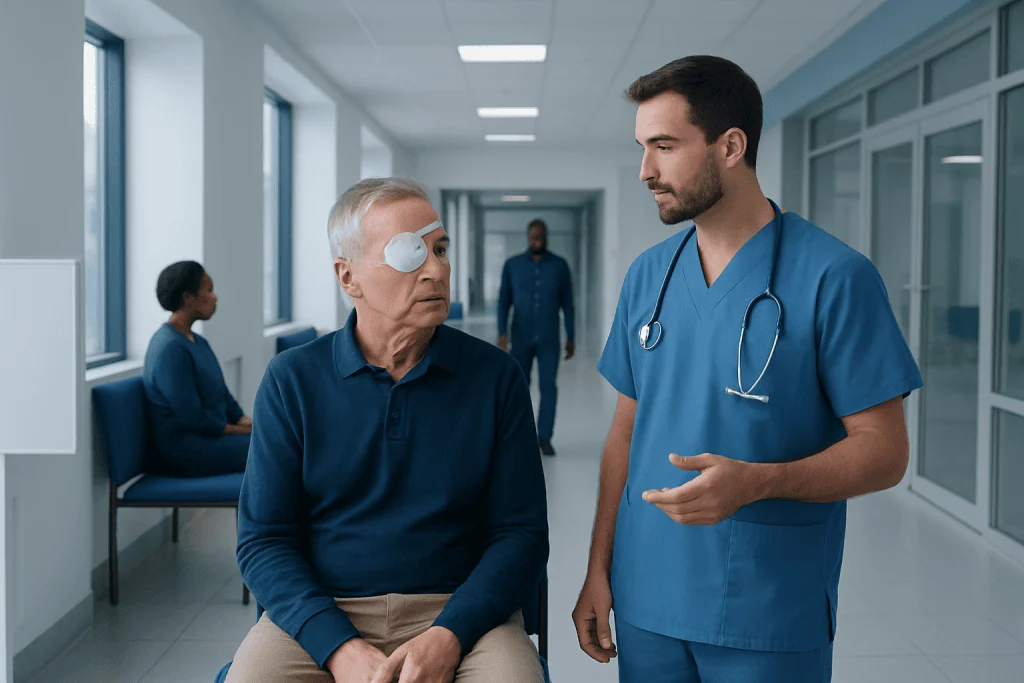
Vision rehabilitation focuses on improving function and independence, not only eye healing. Low vision support may include magnifiers, special lighting, contrast changes, and digital tools.
Key Takeaways
- Vision rehabilitation focuses on improving function and independence, not only eye healing.
- Low vision support may include magnifiers, special lighting, contrast changes, and digital tools.
- A personalized assessment helps match aids and training to reading, mobility, work, and self-care needs.
- Rehabilitation can help after cataract, retinal, corneal, glaucoma, or neuro-ophthalmic eye problems and surgery.
- Sudden vision loss, eye pain, flashes, or a curtain-like shadow need urgent medical review.
Vision rehabilitation after eye surgery helps people make the best use of their remaining vision when eyesight does not fully return to the level they expected. It combines medical follow-up, practical training, home adjustments, and low vision aids to support safer, more independent daily life.
Overview: What Vision Rehabilitation After Eye Surgery Means
Vision rehabilitation after eye surgery is a structured approach that helps a person function better when surgery improves eye health but vision still remains limited. This can happen for many reasons. Some people have pre-existing eye disease, some have damage to the retina or optic nerve, and some continue to notice blurred central vision, reduced contrast, blind spots, or difficulty with glare even after a successful procedure.
Rehabilitation does not replace medical treatment. Instead, it works alongside the surgeon and eye care team. The goal is to help the person use their remaining sight as effectively and comfortably as possible in everyday activities such as reading, preparing food, using a phone, recognizing faces, walking safely, and managing medications.
Support may come from ophthalmologists, optometrists, low vision specialists, occupational therapists, orientation and mobility trainers, and rehabilitation professionals. Depending on the cause of vision loss, a person may also need ongoing follow-up in general ophthalmology, a detailed eye examination, or specialist review in neuro-ophthalmology.
Who May Need Low Vision Support After Eye Surgery
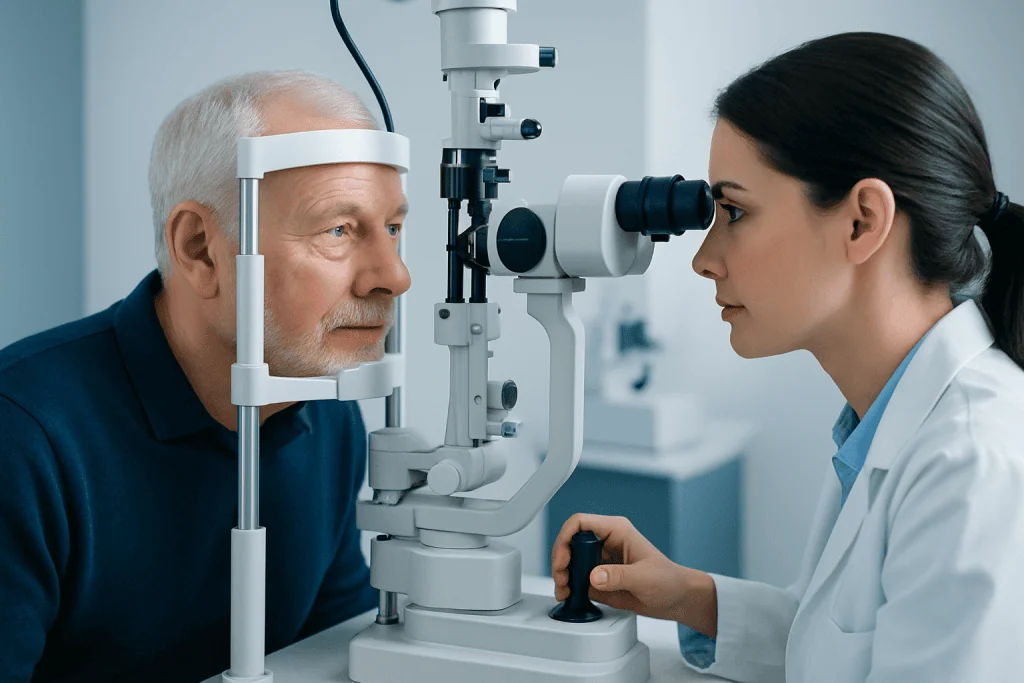
Not everyone who has eye surgery needs rehabilitation. Many people recover well with routine aftercare, glasses changes, and time. Low vision support becomes especially useful when vision remains reduced enough to affect daily tasks despite appropriate treatment and healing.
This may occur after surgery for cataract, retinal conditions, corneal disease, glaucoma complications, or complex eye trauma. A person may also have another condition that limits visual recovery, such as age-related macular damage, diabetic retinal disease, inherited eye disorders, optic nerve problems, or stroke-related visual field loss. In some cases, the operation itself was necessary to protect the eye or prevent further loss, even if it could not fully restore sight.
People are often referred for rehabilitation after procedures such as cataract surgery, retina and vitreous treatment, or other forms of eye surgery. It can also be important for individuals living with macular diseases or other chronic eye conditions that continue to affect visual function after medical or surgical care.
Common Symptoms and Daily Challenges
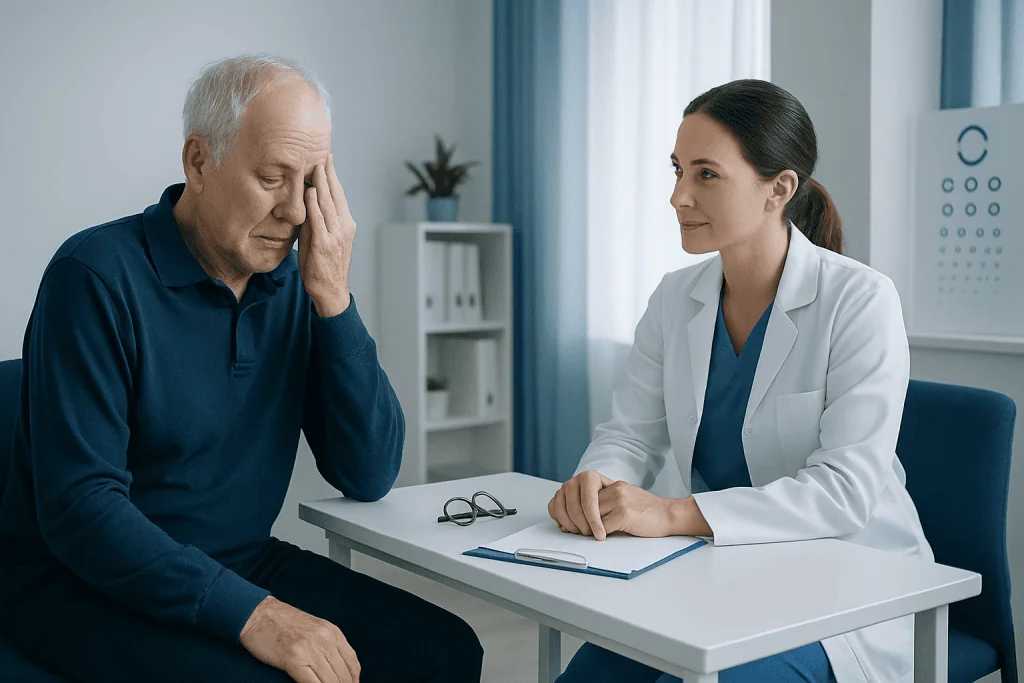
The need for rehabilitation is usually recognized not only by what an eye chart shows, but by what the person can or cannot do. Common symptoms include blurred vision, distorted lines, reduced side vision, patchy missing areas in sight, poor depth perception, sensitivity to bright light, difficulty adjusting between light and dark, and trouble seeing low-contrast objects such as pale steps or light-colored pills.
These changes can affect many parts of daily life. Reading print may become slow or tiring. Cooking may feel less safe because labels, measuring marks, or stove controls are hard to see. Using money, managing medicines, watching television, working on a computer, and moving through unfamiliar places may also become difficult. Some people feel socially withdrawn because they cannot recognize faces easily.
Emotional effects matter as well. Frustration, fatigue, loss of confidence, and anxiety about falling or losing independence are common. Patient-friendly rehabilitation addresses these concerns with practical strategies, realistic goals, and reassurance that many useful adaptations are available.
Why Vision May Stay Limited After Surgery
There are several reasons why eyesight may remain impaired after an operation. Sometimes the surgery successfully treats one problem, but another part of the visual system remains affected. For example, removing a cloudy lens may improve brightness while central reading vision stays poor because of retinal damage. In other cases, surgery prevents worsening rather than restoring normal sight.
Ongoing visual limitation may be related to retinal scarring, optic nerve disease, corneal irregularity, swelling, advanced glaucoma, neurological visual pathway problems, or age-related changes. Existing conditions such as diabetes, vascular disease, or prior eye injury can also influence recovery. Some people experience glare, contrast loss, or image distortion that is not fully corrected with standard glasses.
Rehabilitation starts with understanding the specific cause of the problem. This is important because central vision loss, peripheral field loss, double vision, and light sensitivity each need different strategies. The plan is most effective when the underlying eye condition is medically stable or being actively monitored by the treating specialist.
How Low Vision Is Assessed
An assessment for low vision support is more detailed than a routine sight test. The clinician asks what activities matter most to the person and which situations are most difficult. Reading, sewing, driving status, computer use, work demands, school tasks, balance, and home safety are all relevant. This helps create a practical, goal-based plan rather than focusing only on visual acuity numbers.
The examination may include near and distance vision testing, contrast sensitivity, visual field assessment, glare evaluation, refraction, and a review of lighting needs. The team may also assess how the person scans for objects, uses eccentric viewing, or copes with crowded environments. If symptoms suggest a more complex visual processing issue, further neurological or retinal evaluation may be needed.
A home or workplace review can also be helpful. Understanding room lighting, stair design, floor patterns, device use, and medication storage often reveals simple changes that improve safety and independence. Family members or caregivers may be invited to join, so they can support the person without taking over tasks unnecessarily.
Treatment Options, Training, and Daily Visual Aids
Vision rehabilitation is highly individualized. It may include optical aids such as hand magnifiers, stand magnifiers, high-add reading glasses, telescopic devices, or filters to reduce glare. Non-optical aids are equally important and may include brighter task lighting, large-print labels, bold markers, reading stands, tactile markings on appliances, and high-contrast household items.
Digital tools now play a major role in low vision support. Many smartphones and tablets offer screen magnification, voice control, text-to-speech, speech-to-text, high-contrast display settings, and object recognition features. Electronic magnifiers, large monitors, audiobooks, and wearable assistive devices can also help. For some people, proper fitting of contact lenses or other corrective options improves comfort or image quality, depending on the underlying condition.
Training is often the most valuable part of rehabilitation. A person may learn eccentric viewing for central vision loss, systematic scanning for field defects, safer methods for pouring liquids and reading medication labels, and ways to organize the home for easier orientation. Occupational therapy can help adapt self-care, cooking, and work tasks, while orientation and mobility training supports safer travel inside and outside the home.
If vision remains complex after surgery, the care team may recommend additional specialist input. This can include further retinal review, updated refraction, or evaluation of other treatable contributors such as dry eye, posterior capsule opacity, or uneven corneal healing. The aim is to combine continued medical care with functional rehabilitation rather than choosing one or the other.
Prevention, Self-Care, and Making the Home Easier to Use
Although not all vision loss can be prevented, good self-care after surgery supports recovery and reduces avoidable problems. It is important to follow postoperative instructions, attend follow-up appointments, use prescribed eye drops correctly, and report new symptoms promptly. Managing blood pressure, diabetes, and other chronic health conditions can also protect long-term eye health.
At home, lighting is often the simplest and most effective change. Bright, even, non-glare lighting over reading areas, kitchen counters, and stairways can make a significant difference. Increasing contrast is also useful: dark placemats under light dishes, bold tape on stair edges, large-print calendars, and clear labels on medications or food containers can all improve daily function.
Safety measures may include removing loose rugs, reducing clutter, securing electrical cords, and using tactile or large-button devices. Regular routines help many people remember where items are placed. Rest breaks are also important, since visual effort can be tiring. Family support works best when it promotes independence, encourages practice with aids, and respects the person’s own pace.
When to See a Doctor and Getting Ongoing Support
Persistent difficulty seeing after eye surgery should be discussed with an eye specialist, especially if it affects reading, movement, work, or self-care. Rehabilitation can be considered as soon as it becomes clear that vision changes are interfering with daily life; there is no need to wait until the person feels completely overwhelmed.
Urgent medical attention is needed for sudden vision loss, increasing eye pain, new flashes of light, a sudden shower of floaters, a curtain-like shadow, marked redness, or discharge. These symptoms may point to a complication that requires prompt treatment rather than rehabilitation alone.
Long-term support often brings the best results. Vision needs may change over time, and aids sometimes need adjustment as healing progresses or as another eye condition evolves. Multidisciplinary centers, including Acibadem International, can coordinate assessment and care for international patients through JCI-accredited hospitals with ophthalmology and rehabilitation specialists.
Frequently asked questions
What is vision rehabilitation after eye surgery?
It is a program of assessment, training, and supportive tools for people whose vision remains limited after eye surgery. The goal is to improve everyday function, safety, and independence by helping them use their remaining sight more effectively.
Does needing rehabilitation mean the surgery failed?
No. Surgery may have been medically successful even if vision does not return to normal. In some cases, the operation removes one problem, but another eye or nerve condition still limits how well a person sees.
What kinds of aids are used for low vision?
Common aids include magnifiers, large-print materials, brighter task lighting, glare filters, high-contrast markings, and electronic devices with zoom or speech features. The best choice depends on whether the main problem is central vision loss, side vision loss, contrast sensitivity, or light sensitivity.
Can rehabilitation help if vision loss is permanent?
Yes. Even when the underlying eye damage cannot be reversed, rehabilitation can still improve how a person reads, moves around, uses technology, and manages daily activities. Many people gain confidence and independence with the right training and equipment.
How soon after surgery should someone ask about low vision support?
They should ask whenever recovery seems to have plateaued or daily tasks remain difficult despite regular follow-up care. It is also reasonable to ask earlier if the eye specialist already knows that full visual recovery is unlikely.
Will glasses alone solve the problem?
Sometimes updated glasses help, but they are not always enough. Low vision often involves issues like blind spots, reduced contrast, or glare, which usually require additional strategies, training, and assistive devices.
When is urgent medical care needed instead of routine rehabilitation?
Urgent review is needed for sudden loss of vision, severe pain, new flashes, many new floaters, a curtain-like shadow, significant redness, or discharge. These symptoms may signal a complication that should be assessed promptly by an eye doctor.
References
- American Academy of Ophthalmology
- National Eye Institute
- World Health Organization
- Royal National Institute of Blind People
- American Optometric Association
This article is for general information only and is not a substitute for professional medical advice. Please consult a qualified doctor about your individual situation.
Vision Rehabilitation in Turkey — costs, top hospitals & a free quote
JCI-accredited · board-certified surgeons · reply within 24h
Add us as a Preferred Source to see more of our trusted health content across Google Search, AI Overviews and Discover.

Ophthalmology
Comprehensive eye care from laser vision correction to retina, cornea and cataract surgery.
75 specialists in this unit