IVF With Adenomyosis: How Uterine Changes Can Affect Implantation

Adenomyosis can change the size, shape, contractions, and inflammatory environment of the uterus, which may make embryo implantation more difficult. Symptoms may include heavy periods, painful periods, pelvic pressure, or infertility, but some people have few or no symptoms.
Key Takeaways
- Adenomyosis can change the size, shape, contractions, and inflammatory environment of the uterus, which may make embryo implantation more difficult.
- Symptoms may include heavy periods, painful periods, pelvic pressure, or infertility, but some people have few or no symptoms.
- Transvaginal ultrasound and pelvic MRI are the main tools used to assess adenomyosis before IVF planning.
- Treatment before embryo transfer may include hormonal suppression, management of coexisting endometriosis or fibroids, or surgery in selected cases.
- A personalized IVF plan often focuses on optimizing the uterus before transfer rather than rushing directly to implantation.
Adenomyosis is a condition in which tissue similar to the uterine lining grows into the muscular wall of the uterus, sometimes affecting fertility and IVF outcomes. With careful imaging, individualized treatment, and coordinated fertility care, many people with adenomyosis can still pursue pregnancy safely.
Overview
Adenomyosis is a benign gynecological condition in which endometrial-like tissue, normally found in the lining of the uterus, is present within the muscular wall of the uterus. This can cause the uterine muscle to become enlarged, tender, inflamed, or less flexible. While adenomyosis is not cancer, it can affect quality of life and may influence fertility, especially when someone is planning in vitro fertilization.
In IVF, fertilization occurs outside the body and an embryo is later transferred into the uterus. Because implantation depends on both embryo quality and uterine receptivity, adenomyosis can become an important part of treatment planning. The condition may affect the uterine lining, blood flow, local inflammation, and uterine contractions, all of which may influence whether an embryo can attach and continue to develop.
Not every person with adenomyosis has difficulty becoming pregnant, and the condition does not mean IVF cannot work. However, it may be associated with lower implantation rates, higher miscarriage risk, or a need for additional preparation before embryo transfer. A specialist may recommend a tailored evaluation through female infertility assessment and fertility imaging before deciding on the safest and most effective approach.
How Adenomyosis Can Affect Implantation
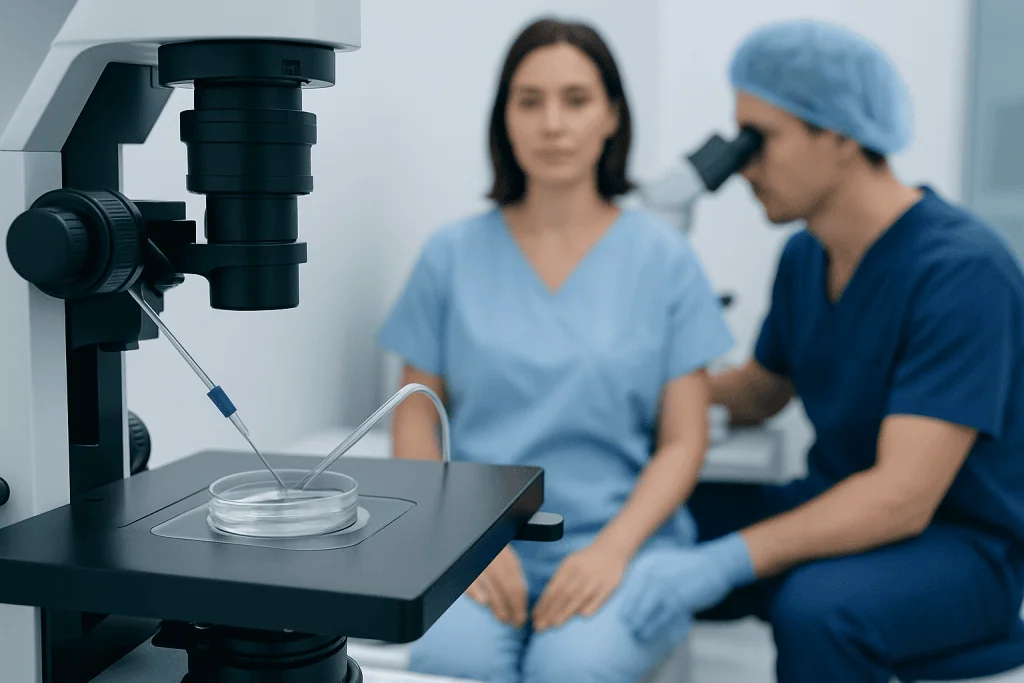
Embryo implantation is a coordinated process involving a healthy embryo, a receptive endometrium, balanced hormones, and a uterus that can support early pregnancy. Adenomyosis may disturb this environment in several ways. The uterine muscle can become thickened or irregular, and the boundary between the uterine lining and the muscle layer may become less defined. This area, often called the junctional zone, is important for normal uterine function.
One possible effect is increased inflammation within the uterus. Inflammatory cells and signaling molecules may alter how the endometrium responds to an embryo. Adenomyosis may also be linked to abnormal uterine contractions. If the uterus contracts too strongly or in an uncoordinated pattern around the time of embryo transfer, it may make it harder for the embryo to remain in the ideal location for implantation.
Blood flow and hormonal responsiveness can also be affected. A uterus with diffuse adenomyosis may be enlarged or have changes in oxygenation and vascular function. In some cases, the endometrium may not respond optimally to estrogen and progesterone, the hormones that prepare the lining for implantation. These changes are why fertility teams often assess the uterus carefully before proceeding with IVF treatment or frozen embryo transfer.
Symptoms and Related Fertility Clues
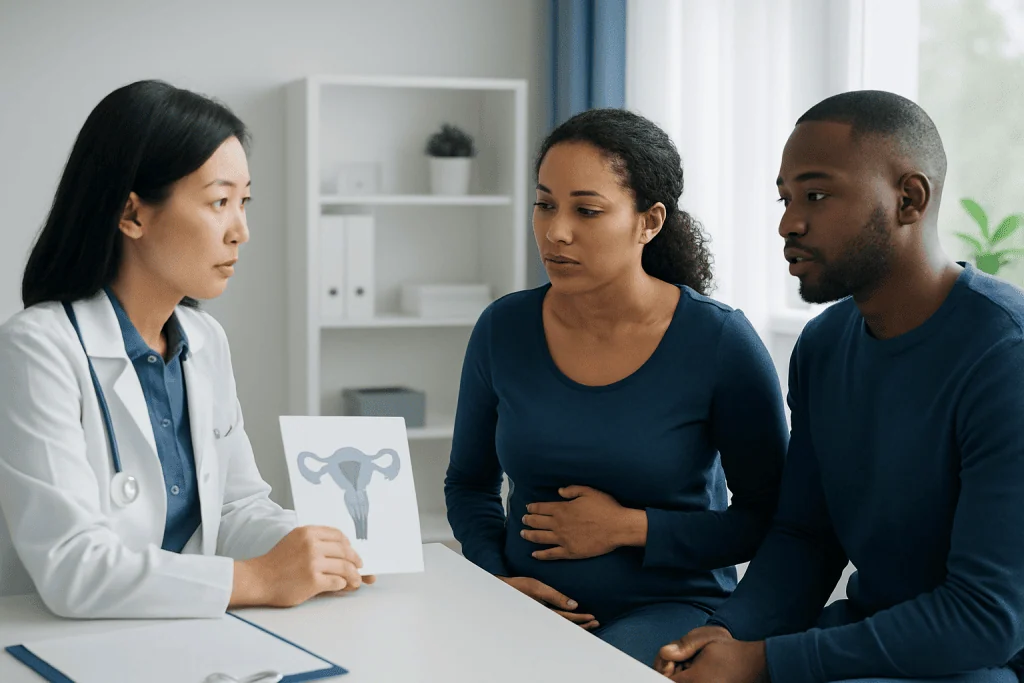
Adenomyosis can look different from person to person. Some people have significant symptoms, while others only learn about it during fertility testing or imaging for another reason. Symptoms can overlap with endometriosis, fibroids, and other pelvic conditions, so a medical evaluation is needed to understand the cause.
Common symptoms may include:
- Heavy or prolonged menstrual bleeding
- Moderate to severe menstrual cramps
- Pelvic pressure, bloating, or a feeling of uterine heaviness
- Pain during sexual intercourse
- Spotting before or after periods
- Difficulty conceiving or recurrent pregnancy loss
In fertility care, adenomyosis may be suspected when a patient has repeated implantation failure, unexplained infertility, a history of endometriosis, or ultrasound findings suggesting an enlarged or irregular uterus. However, these signs are not specific. Many factors can influence IVF outcomes, including age, ovarian reserve, sperm quality, embryo genetics, thyroid function, metabolic health, and coexisting pelvic disease.
Causes and Risk Factors
The exact cause of adenomyosis is not fully understood. Several theories exist, including inward growth of endometrial tissue into the uterine muscle, developmental changes in the uterus, tissue injury and repair after uterine procedures, and inflammation-related changes. It is likely that more than one pathway can lead to the condition.
Adenomyosis has traditionally been diagnosed more often in people in their late reproductive years, but improved ultrasound and MRI techniques now identify it in younger patients, including those undergoing fertility treatment. Risk may be higher in people who have had prior pregnancies, uterine surgery, cesarean section, dilation and curettage, or coexisting endometriosis. It can also occur without any clear risk factor.
Hormones appear to play a role because adenomyosis is estrogen-responsive. Symptoms often change with the menstrual cycle and may improve after menopause, when estrogen levels fall. For people pursuing pregnancy, this creates a treatment challenge: hormonal suppression may calm adenomyosis, but conception requires a carefully timed return to a receptive uterine environment.
Diagnosis Before IVF
A thorough diagnosis helps the fertility team understand the extent of adenomyosis and whether other conditions are present. The first step is usually a medical history and pelvic examination, followed by transvaginal ultrasound. Ultrasound may show features such as an enlarged uterus, uneven uterine muscle texture, small cyst-like spaces within the muscle, fan-shaped shadowing, or an irregular junctional zone.
Pelvic MRI may be recommended when ultrasound findings are unclear, when the uterus is significantly enlarged, or when surgery is being considered. MRI can provide detailed images of the uterine wall and help distinguish adenomyosis from fibroids. It may also show whether adenomyosis is focal, meaning more localized, or diffuse, meaning spread through a larger part of the uterine muscle.
Additional fertility evaluation may include ovarian reserve testing, semen analysis, tubal assessment when relevant, thyroid and prolactin testing, and review of prior IVF cycles. If there is suspected endometriosis, chronic pelvic pain, or repeated IVF failure, the treatment plan may need to address more than one factor. A broader infertility evaluation helps avoid focusing only on adenomyosis when other treatable contributors may be present.
Treatment Options Before and During IVF
Treatment depends on age, symptoms, ovarian reserve, severity of adenomyosis, embryo availability, and whether the patient is planning a fresh or frozen embryo transfer. In many cases, the goal is not to cure adenomyosis completely but to create the best possible uterine conditions for implantation. This often means separating the egg retrieval phase from the embryo transfer phase, especially when the uterus needs preparation.
Hormonal suppression is commonly considered before embryo transfer. Doctors may use medications that temporarily reduce estrogen stimulation of the uterus, such as gonadotropin-releasing hormone analogs, in selected patients. This approach may reduce uterine inflammation, size, or activity before a planned frozen embryo transfer. The exact protocol varies, and decisions should be individualized because over-suppression or delays may not benefit everyone.
Surgery may be discussed for focal adenomyosis, large adenomyomas, severe symptoms, or distortion of the uterine cavity, but it is not suitable for all patients. Removing adenomyotic tissue can be technically complex because the condition blends into normal uterine muscle. Surgery may carry risks such as scarring or uterine weakening, so it should be considered carefully by specialists experienced in reproductive surgery.
IVF laboratory techniques may also be tailored to the couple’s needs. For example, if sperm factors are present, intracytoplasmic sperm injection may be considered as part of IVF. Embryo freezing can allow time to optimize the uterus before transfer. Some patients may also discuss genetic testing of embryos, luteal phase support, or a modified embryo transfer plan, but these choices depend on the full clinical picture.
Prevention, Self-Care, and IVF Preparation
There is no proven way to prevent adenomyosis, and patients should not blame themselves for the condition. However, general reproductive health measures can support IVF preparation. Managing anemia from heavy bleeding, optimizing thyroid or metabolic conditions, maintaining a healthy weight range, stopping smoking, limiting alcohol, and treating pelvic infections when present may all contribute to safer fertility care.
Self-care for symptoms may include heat therapy, gentle physical activity, adequate rest during painful periods, and discussing safe pain relief options with a doctor. People with heavy bleeding should ask whether iron levels need to be checked. Pain that disrupts daily life should not be dismissed, as effective medical treatments may be available even during fertility planning.
Emotional support is also important. Adenomyosis can add uncertainty to IVF, especially after previous failed transfers or pregnancy loss. Counseling, fertility support groups, and clear communication with the treatment team can help patients understand each step and make decisions without feeling rushed. At Acibadem International, multidisciplinary fertility specialists and JCI-accredited hospitals evaluate and treat adenomyosis-related fertility concerns for international patients as part of individualized reproductive care.
When to See a Doctor
A person planning pregnancy should seek medical advice if they have heavy periods, severe menstrual pain, pelvic pressure, pain during intercourse, infertility, or a history of recurrent miscarriage. These symptoms may be related to adenomyosis, but they can also occur with fibroids, endometriosis, polyps, hormonal disorders, or other gynecological conditions. Early evaluation can clarify the cause and support better IVF timing.
Patients already undergoing IVF should ask their doctor about uterine assessment if they have repeated implantation failure, difficult embryo transfers, unexplained bleeding, or imaging that suggests an enlarged or irregular uterus. It is especially important to review adenomyosis before embryo transfer, because treatment after transfer is limited and pregnancy requires careful uterine support.
Urgent medical care is appropriate for very heavy bleeding that causes dizziness or weakness, severe pelvic pain that is new or worsening, fever, or suspected pregnancy complications. For most adenomyosis-related fertility questions, a planned consultation with a reproductive endocrinologist or gynecologist allows time to review imaging, prior cycles, embryo status, and realistic treatment options.
Frequently asked questions
Can IVF work if someone has adenomyosis?
Yes, IVF can work in people with adenomyosis. The condition may reduce implantation rates or increase miscarriage risk in some patients, but outcomes vary widely depending on age, embryo quality, severity of adenomyosis, and other fertility factors. A personalized plan can help optimize the uterus before transfer.
Does adenomyosis affect egg quality?
Adenomyosis mainly affects the uterus rather than the ovaries, so it is not considered a direct cause of poor egg quality. However, some patients also have endometriosis, age-related ovarian reserve changes, or other factors that can influence egg and embryo quality. A full fertility evaluation helps separate uterine factors from ovarian factors.
Is frozen embryo transfer better for adenomyosis?
Frozen embryo transfer may be useful because it allows time to treat or suppress adenomyosis before placing an embryo in the uterus. This approach is often considered when the uterus appears inflamed, enlarged, or poorly prepared during stimulation. It is not automatically required for every patient, so the decision should be individualized.
Can adenomyosis be cured before IVF?
Adenomyosis can be managed, but it is not always completely curable while preserving fertility. Hormonal treatment may temporarily reduce activity of the disease, and surgery may help selected patients with focal disease. The main goal before IVF is usually to improve the uterine environment enough to support implantation and pregnancy.
How is adenomyosis different from endometriosis?
In adenomyosis, endometrial-like tissue is found within the muscular wall of the uterus. In endometriosis, similar tissue grows outside the uterus, such as on the ovaries, pelvic lining, or bowel surface. The two conditions can occur together and may both contribute to pain and fertility challenges.
Should embryo transfer be delayed if adenomyosis is found?
Sometimes delaying embryo transfer is recommended to allow hormonal suppression, further imaging, or treatment of related conditions. In other cases, especially if adenomyosis is mild and the uterine lining looks receptive, transfer may proceed as planned. The decision depends on symptoms, imaging findings, prior IVF history, and the number and quality of embryos available.
This article is for general information only and is not a substitute for professional medical advice. Please consult a qualified doctor about your individual situation.
IVF & fertility treatment in Turkey — success rates and costs
JCI-accredited · board-certified surgeons · reply within 24h
Add us as a Preferred Source to see more of our trusted health content across Google Search, AI Overviews and Discover.

Related Treatments
Related Conditions
More from the Health Library

IVF Medication Protocols: Ovarian Stimulation and Monitoring Explained

Second IVF Attempt: When Another Cycle May Need a Different Plan

Frozen Embryo Transfer: Timing, Preparation, and Success Factors

IVF After Tubal Ligation: When Assisted Reproduction May Be Preferred

Infertility Evaluation: Tests for Women and Men

Male Infertility: Causes, Semen Analysis, and Treatment Options
Gynecology & Obstetrics Specialists at Acibadem

Dr. Cemile Alçay
Gynecology & Obstetrics
Assoc. Prof. Dr. Ceren Yıldız Eren
Gynecology & Obstetrics
Prof. Dr. Çetin Kılıççı
Gynecology & Obstetrics
Assoc. Prof. Dr. Cevat Rıfat Cündübey
Gynecology & Obstetrics